
Tai Chi
Slow, flowing movement and quiet focus
_-_01.jpg)
Overview
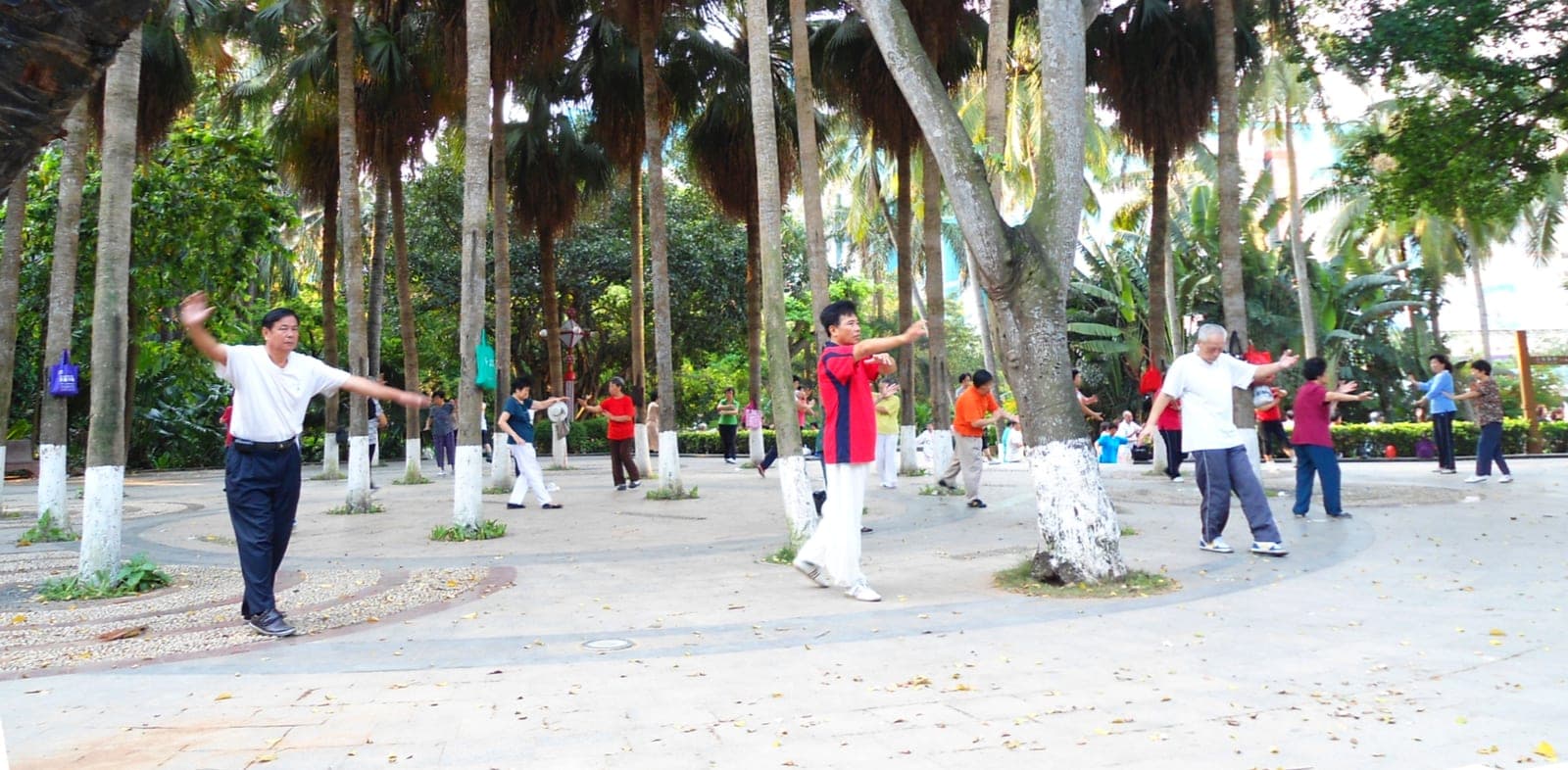
Tai chi is a mind-body practice with roots in the martial arts, made up of slow, continuous and flowing movements performed with relaxed attention and even breathing. Its unhurried pace makes it gentle on the body and accessible to a very wide range of ages and fitness levels.
Rather than speed or force, tai chi emphasises smooth weight transfer, posture and balance as you move through sequences known as forms. Many people take it up for its calming, low-impact nature and its focus on steady, controlled movement.
Why tai chi is good for your health
- Improves balance, stability and coordination
- Gently builds mobility and lower-body control
- Encourages relaxed, steady breathing
- A low-impact way to stay active across a wide range of ages
Physical qualities you’ll build
Tai Chi is especially good for developing these qualities:
The social side
- Group classes and park sessions have a calm, welcoming feel
- Practising together supports a regular, unhurried routine
- Instructors guide newcomers gently through the forms
How to start as a beginner
- 1Join a beginner class so an instructor can guide the movements
- 2Learn a short sequence slowly before adding longer forms
- 3Keep your movements relaxed, smooth and within a comfortable range
- 4Practise little and often to help the sequences become familiar
Equipment you’ll need
- Comfortable, loose clothingEssential
- Flat, supportive shoesEssentialLight, flexible soles suit the slow footwork
- A little clear space, indoors or outEssential
Where to play
Tai Chi is typically played at:
Explore clubs and venues to understand the different places you can play, or see how to find people to play with.
Training for Tai Chi
Exercises, methods and example plans that help build what Tai Chi needs — educational, not personalised prescriptions.
Related sports to explore
If you enjoy Tai Chi, you might also like these.
Qigong
A gentle mind-body practice that pairs simple, flowing movements with slow, focused breathing.
Yoga
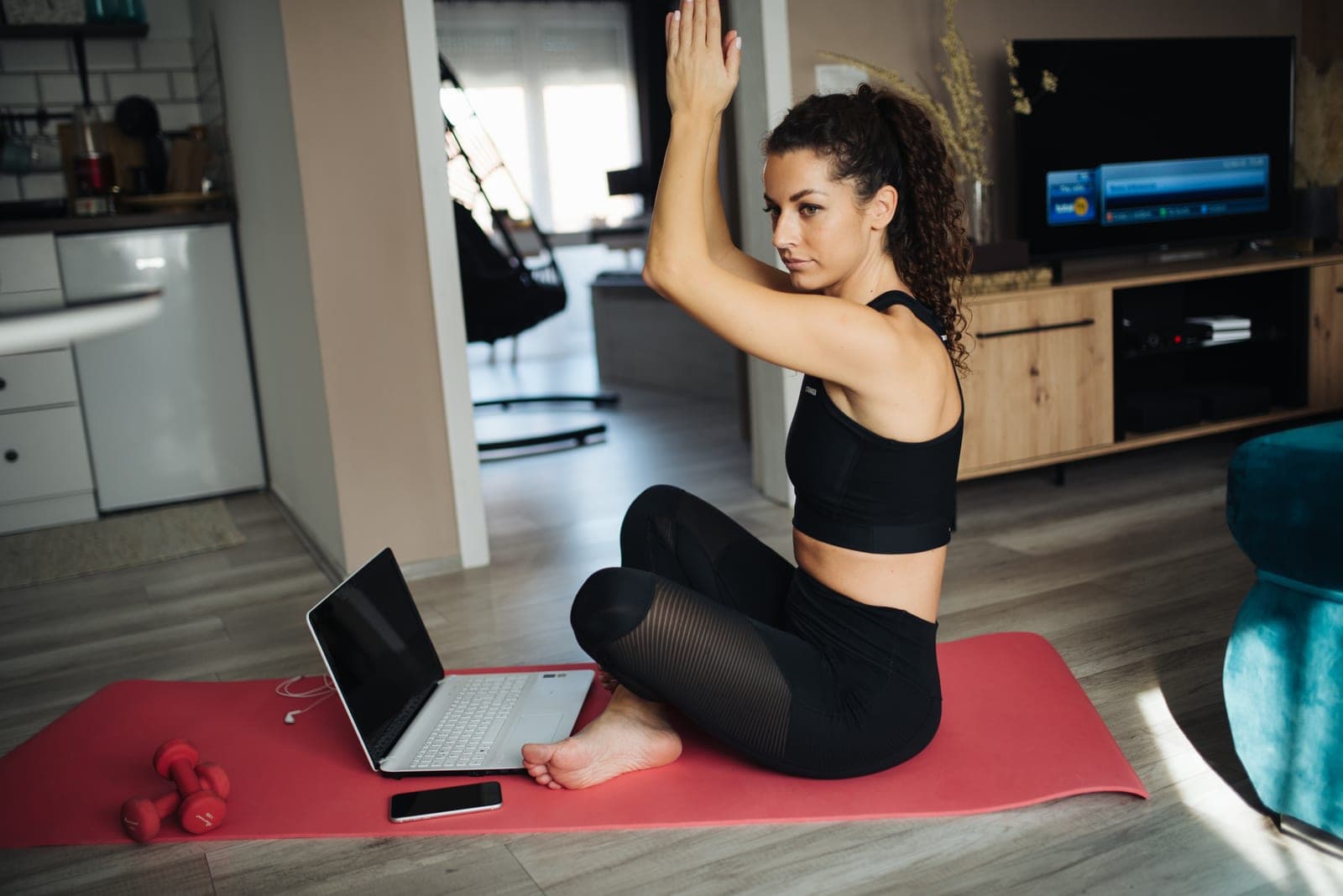
A mind-body practice that links postures, breathing and focus to build flexibility, strength and calm.
Pilates
A low-impact mind-body method that builds core strength, control and posture through precise, controlled movement.
Aikido
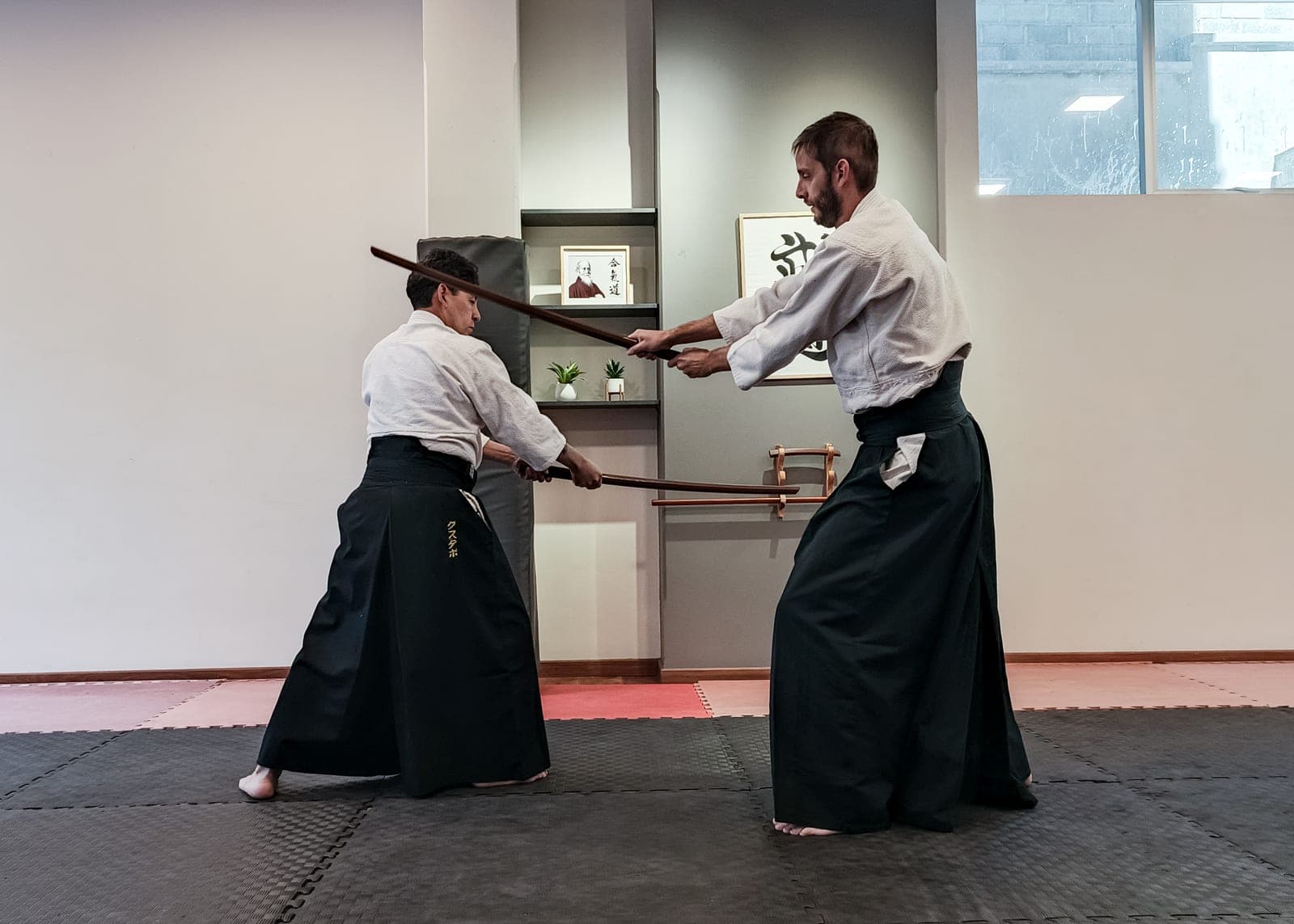
A Japanese martial art that redirects an opponent’s motion through flowing throws, joint movements and calm control.
Compare Tai Chi with…
Deciding between Tai Chi and something similar? See how they line up side by side.
Aikido vs Tai Chi
How they compare on difficulty, intensity, kit and what suits you.
Pilates vs Tai Chi
How they compare on difficulty, intensity, kit and what suits you.
Qigong vs Tai Chi
How they compare on difficulty, intensity, kit and what suits you.
Tai Chi vs Yoga
How they compare on difficulty, intensity, kit and what suits you.
Reach your goals with Tai Chi
People take up Tai Chi for all kinds of reasons. Here is what it can help you work towards.
Improve mobility
Move your joints more freely and comfortably through their natural range with regular, gentle practice.
Improve flexibility
Lengthen your muscles and widen your range of motion through regular, gentle stretching over time.
Improve balance
Train steadiness and control at any age with simple, progressive balance practice done safely.
Reduce stress
Find calmer, healthier ways to unwind through regular movement, gentle mind-body activity and time outdoors.
Healthy aging
Stay active, steady and independent as you get older with a sustainable mix of gentle cardio, strength and balance work.
Sports for seniors
Gentle, enjoyable ways for older adults to stay active, with guidance where sensible.
Who & where Tai Chi fits
Sport should fit your life. Here is who Tai Chi suits and when it works.
Seniors
How gentle, supported sport can help older adults stay active, mobile and connected, with a professional check first.
At home
Movement you can do in your living room — from bodyweight strength to yoga — with little or no equipment.
In a small apartment
Quiet, low-impact ways to train in a small flat — mat-based routines that respect limited space and shared walls.
Morning
Fitting activity into your morning, from an early run to a gentle stretch, to start the day moving.
No equipment
Activities and workouts you can do with little or no gear, using mostly your own body.
How it connects
The meaning-bearing relationships that place Tai Chi in the wider knowledge graph — each one with the reason it exists.
Alternative to
Comparable enough that people choose between them.
- AikidoTai Chi and Aikido are close enough that the platform maintains a side-by-side comparison of them.
- PilatesTai Chi and Pilates are close enough that the platform maintains a side-by-side comparison of them.
- QigongTai Chi and Qigong are close enough that the platform maintains a side-by-side comparison of them.
- YogaTai Chi and Yoga are close enough that the platform maintains a side-by-side comparison of them.
Helps achieve
A recognised route towards these goals.
- Improve mobilityTai Chi is one of the sports listed under the “Improve mobility” goal.
- Improve flexibilityTai Chi is one of the sports listed under the “Improve flexibility” goal.
- Improve balanceTai Chi is one of the sports listed under the “Improve balance” goal.
- Reduce stressTai Chi is one of the sports listed under the “Reduce stress” goal.
- Healthy agingTai Chi is one of the sports listed under the “Healthy aging” goal.
Supported by
These help the training or recovery side of this.
Explore across the knowledge base
Follow the threads that connect Tai Chi to the rest of SocialSportHub.
Recommendations
- Recommended for “Improve mobility”Sports, qualities, a learning path and first steps for “Improve mobility” — every suggestion a real graph link, shown with its reason.
- Recommended for “Improve flexibility”Sports, qualities, a learning path and first steps for “Improve flexibility” — every suggestion a real graph link, shown with its reason.
- Recommended for “Improve balance”Sports, qualities, a learning path and first steps for “Improve balance” — every suggestion a real graph link, shown with its reason.
- Recommended for “Reduce stress”Sports, qualities, a learning path and first steps for “Reduce stress” — every suggestion a real graph link, shown with its reason.
- Recommended for “Healthy aging”Sports, qualities, a learning path and first steps for “Healthy aging” — every suggestion a real graph link, shown with its reason.
Practice & sessions
Glossary
- Nursery SlopeA nursery slope is a gentle, short beginner area at a ski resort, usually served by a slow, easy lift.
- DecelerationThe controlled reduction of the body's speed, absorbing momentum in order to stop, slow, or prepare to change direction.
- Warm-upA warm-up is a period of gentle activity done before exercise to prepare the body for harder effort.
- Base TrainingBase training is an early-season phase of mostly easy, high-volume aerobic work that builds the endurance foundation for harder training later.
- BalanceThe ability to control the body's position by keeping its centre of gravity over the base of support, whether still or moving.
Go deeper with Tai Chi
Everywhere else on the platform that covers Tai Chi — assembled from what actually references it, so nothing here is a dead end.
Compare it
Head-to-head studies against the entities people actually weigh it against.
Kit it out
Equipment guidance drawn from the graph, with no brands and no affiliate links.
Take it away
Open data and the whole-platform view of this subject.
How this page is maintained
- Content type
- Sport
- Provenance
- Tier A — evergreen educational
- Verified external sources
- 0
- Content updated
- 2026-07-06
Evergreen, first-party explanation — it makes no claim that needs an external source. How we handle sources and reviews.
Keep going
A sport is most rewarding alongside good habits, sensible nutrition and people to share it with. Here is where to go next.
How movement supports body and mind.
Eat well to feel and perform better.
Build routines that stick.
Ways to meet others and play together.
Where to play and what to expect.
Browse the full list by category.