
At a glance
Every row is drawn from each sport’s own profile — no scores, just the facts side by side.
| Pilates | Tai Chi | |
|---|---|---|
| Category | Mind & Body | Mind & Body |
| Getting started | Beginner friendly | Beginner friendly |
| Intensity | Moderate intensity | Low intensity |
| Where you play | indoor | indoor or outdoor |
| Format | Solo or class | Solo or group |
| Essential kit | An exercise mat and Comfortable, stretchy clothing | Comfortable, loose clothing, Flat, supportive shoes and A little clear space, indoors or out |
What they share
- Both are mind & body.
- Both can be played indoors.
- Both build mobility.
- Both suit people working towards improve mobility, improve flexibility and improve balance.
How they differ
- Pilates is typically the higher-intensity of the two; Tai Chi is generally more moderate.
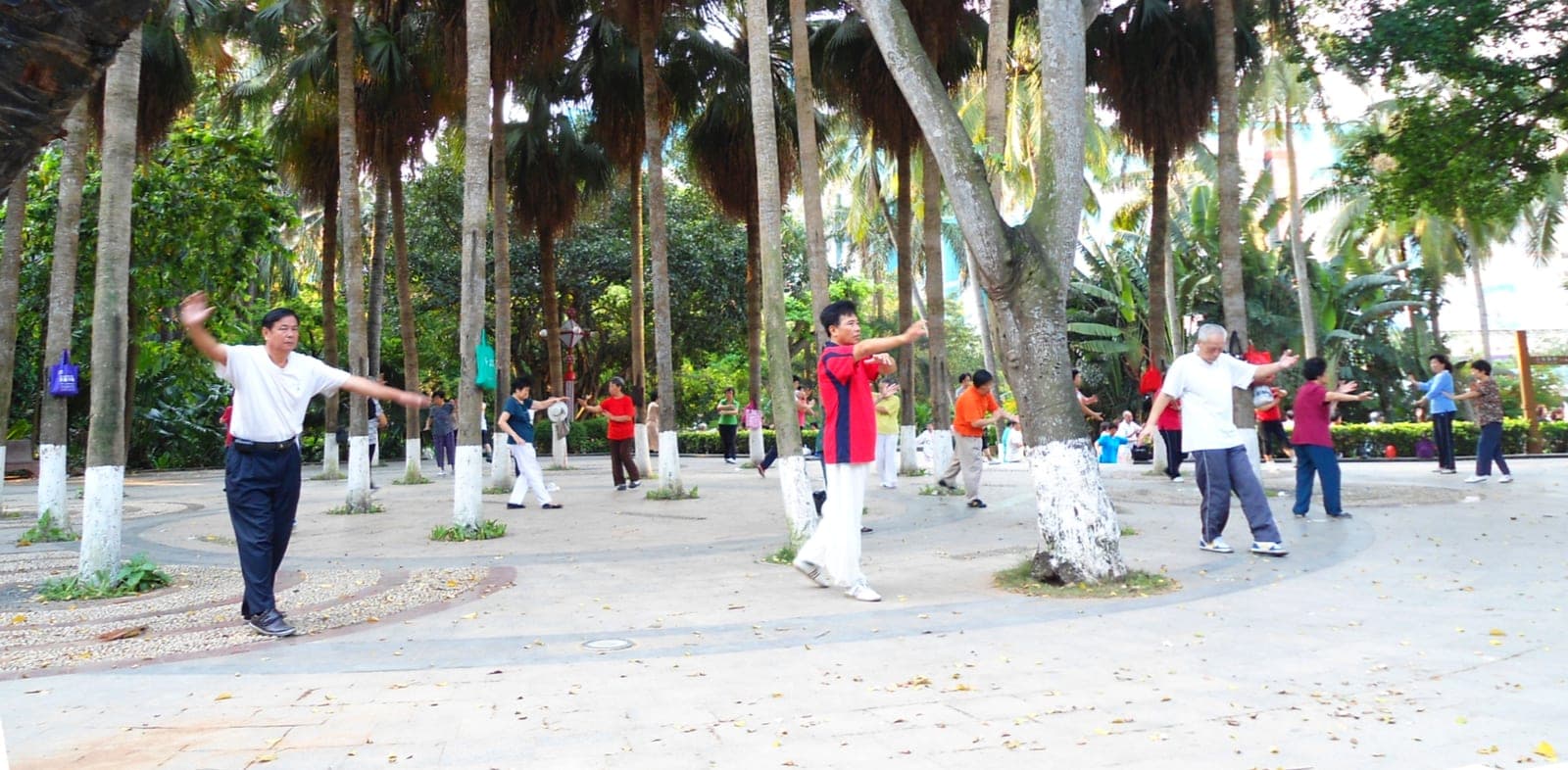
- Pilates is usually indoor; Tai Chi is usually indoor or outdoor.
Which might suit you
There is no better or worse here — only what fits your goals, your schedule and what you enjoy.
- 1If you want a higher-intensity workout, Pilates tends to ask more of you.
Goals they both support
Improve mobility
Move your joints more freely and comfortably through their natural range with regular, gentle practice.
Improve flexibility
Lengthen your muscles and widen your range of motion through regular, gentle stretching over time.
Improve balance
Train steadiness and control at any age with simple, progressive balance practice done safely.
Explore each sport
Full beginner-friendly guides to both.
Frequently asked questions
What is the difference between Pilates and Tai Chi?
Both Pilates and Tai Chi are mind & body, so they share a lot. They differ mainly in feel and demands — the comparison above sets out how they line up on difficulty, intensity, setting and kit so you can pick what fits you.
Is Pilates or Tai Chi easier for beginners?
Both Pilates and Tai Chi are approachable for beginners when you start gently. A first lesson or a patient partner helps with either, and the right one is simply the one you are more drawn to try.
Can I do both Pilates and Tai Chi?
Yes — plenty of people enjoy both. Because they share qualities like mobility, time spent on one can support the other, and mixing them keeps things varied.
Keep exploring
The same pairing, compared attribute by attribute.
Browse every head-to-head.
Browse every sport by category.
Find your sport by what you want.
Build endurance, strength and more.
Sport that fits who you are.
Fit sport around your life.