
Qigong
Gentle movement paired with the breath
Overview
Qigong is a gentle mind-body practice that combines simple, flowing movements with slow breathing and relaxed focus. Movements are usually easy to follow and repeated at an unhurried pace, which makes the practice very approachable for beginners.
Closely related to tai chi, qigong can be practised standing or seated and needs almost no space or equipment. People often take it up for its calming, low-impact nature and its emphasis on gentle, mindful movement.
Why qigong is good for your health
- Encourages slow, steady and controlled breathing
- Gently supports mobility and range of motion
- Improves balance and body awareness with very low impact
- A calm, accessible way to add gentle movement to the day
The social side
- Group and park sessions have a relaxed, friendly atmosphere
- The gentle pace makes classes welcoming to everyone
- Practising with others supports a regular, calming routine
How to start as a beginner
- 1Start with a beginner class or guided session to learn the basics
- 2Keep movements slow, soft and comfortable
- 3Let your breathing stay relaxed and unforced as you move
- 4Practise a few simple movements regularly to build familiarity
Equipment you’ll need
- Comfortable, loose clothingEssential
- A little clear space, indoors or outEssential
- Flat, supportive shoesOptional
Where to play
Qigong is typically played at:
Explore clubs and venues to understand the different places you can play, or see how to find people to play with.
Training for Qigong
Exercises, methods and example plans that help build what Qigong needs — educational, not personalised prescriptions.
Related sports to explore
If you enjoy Qigong, you might also like these.
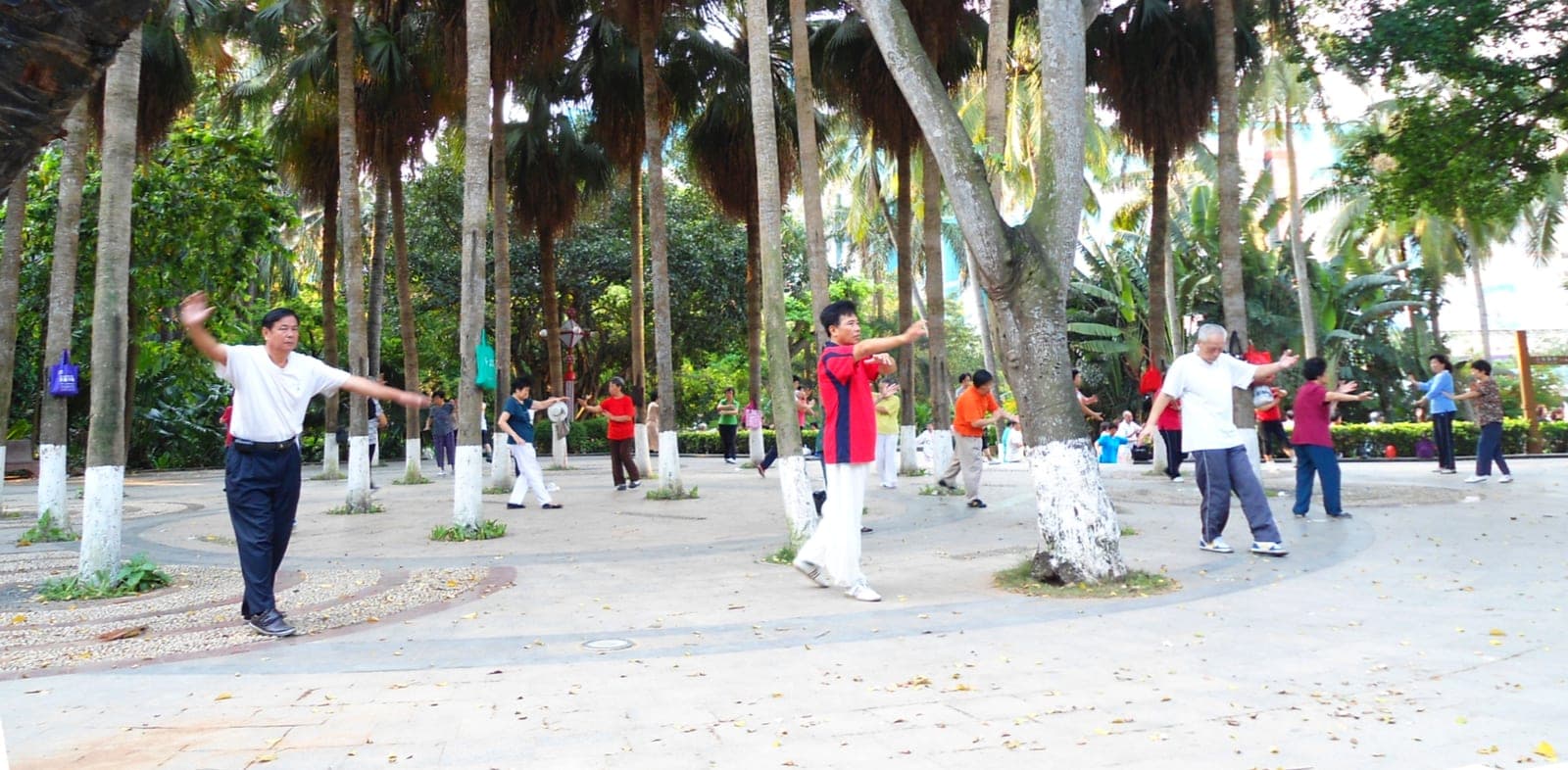
Tai Chi
A gentle mind-body practice of slow, flowing movements that builds balance, mobility and calm.
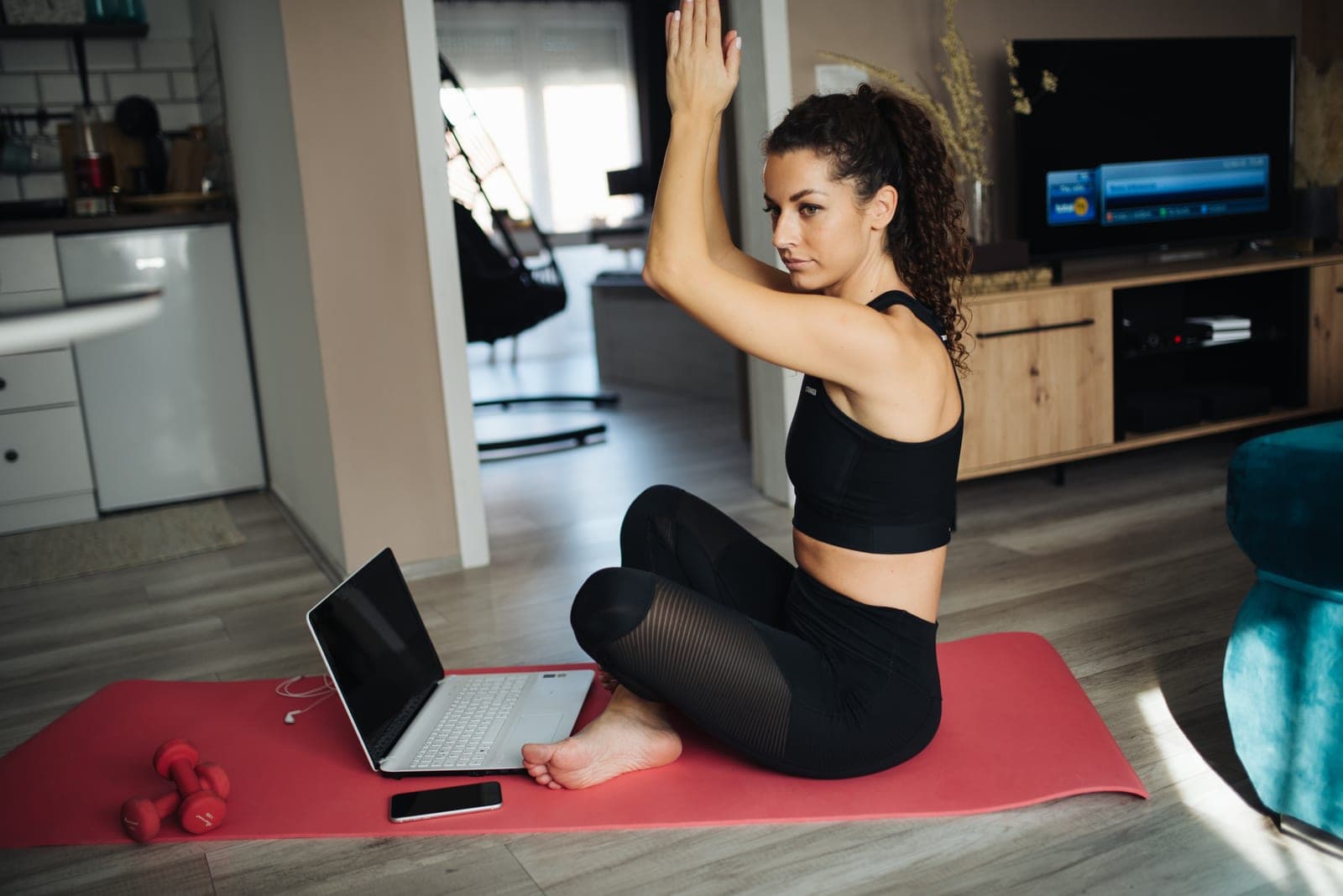
Yoga
A mind-body practice that links postures, breathing and focus to build flexibility, strength and calm.
Pilates
A low-impact mind-body method that builds core strength, control and posture through precise, controlled movement.
Compare Qigong with…
Deciding between Qigong and something similar? See how they line up side by side.
Reach your goals with Qigong
People take up Qigong for all kinds of reasons. Here is what it can help you work towards.
Who & where Qigong fits
Sport should fit your life. Here is who Qigong suits and when it works.
How it connects
The meaning-bearing relationships that place Qigong in the wider knowledge graph — each one with the reason it exists.
Alternative to
Comparable enough that people choose between them.
- PilatesQigong and Pilates are close enough that the platform maintains a side-by-side comparison of them.
- Tai ChiQigong and Tai Chi are close enough that the platform maintains a side-by-side comparison of them.
- YogaQigong and Yoga are close enough that the platform maintains a side-by-side comparison of them.
Helps achieve
A recognised route towards these goals.
Supported by
These help the training or recovery side of this.
Explore across the knowledge base
Follow the threads that connect Qigong to the rest of SocialSportHub.
Glossary
- Warm-upA warm-up is a period of gentle activity done before exercise to prepare the body for harder effort.
- CardioCardio is exercise that raises your heart rate and breathing to work the heart and lungs.
- Nursery SlopeA nursery slope is a gentle, short beginner area at a ski resort, usually served by a slow, easy lift.
- DecelerationThe controlled reduction of the body's speed, absorbing momentum in order to stop, slow, or prepare to change direction.
- SupersetA superset pairs two exercises performed back-to-back with little or no rest between them.
Healthy living
- Movement for Stress ReliefHow gentle, regular movement is widely associated with feeling calmer — a simple, accessible way to support everyday stress management.
- Morning MovementA little gentle activity early in the day to wake the body up and start on a positive note.
- Sports Nutrition BasicsA gentle introduction to fuelling an active body — the general ideas behind eating for energy, performance and recovery.
- Recovery MealsThe general idea of eating after activity to help your body refuel and recover — simple, not scientific.
- Taking the StairsChoosing stairs over the lift as a simple, no-cost way to add a little more effort to an ordinary day.
Practice & sessions
- Open-play sessionA turn-up-and-play session of informal, often social games — less structured than practice, focused on playing rather than drilling.
- Mobility sessionA session built around moving well through a range of motion — gentle, controlled work to help the body move freely.
- Recovery sessionA deliberately easy session — gentle movement to help the body feel better and adapt, rather than to push hard.
Go deeper with Qigong
Everywhere else on the platform that covers Qigong — assembled from what actually references it, so nothing here is a dead end.
Compare it
Head-to-head studies against the entities people actually weigh it against.
Kit it out
Equipment guidance drawn from the graph, with no brands and no affiliate links.
Take it away
Open data and the whole-platform view of this subject.
How this page is maintained
- Content type
- Sport
- Provenance
- Tier A — evergreen educational
- Verified external sources
- 0
- Content updated
- 2026-07-06
Evergreen, first-party explanation — it makes no claim that needs an external source. How we handle sources and reviews.
Keep going
A sport is most rewarding alongside good habits, sensible nutrition and people to share it with. Here is where to go next.
How movement supports body and mind.
Eat well to feel and perform better.
Build routines that stick.
Ways to meet others and play together.
Where to play and what to expect.
Browse the full list by category.