
Breathing & winding down
Winding down with slow, relaxed breathing is a calming everyday habit that helps you shift from activity towards rest.
Overview
After a busy day or an energetic session, it can take a while to feel properly relaxed. A simple wind-down — slow, easy breathing, a quieter environment and a few calm minutes — is a gentle way to help that shift from “on” to “off” happen.
This is very much a lifestyle habit rather than anything technical. Slowing the breath, dimming the lights and stepping away from busy screens are the kinds of small, ordinary cues that many people find help them settle, especially in the evening before sleep.
Good to know
- Slow, relaxed breathing is a simple way to feel calmer.
- A quieter, dimmer environment helps signal that the day is winding down.
- Stepping away from busy screens for a while can make sleep easier.
- It pairs naturally with a regular sleep routine.
- Keep it easy and pleasant — there’s nothing to force or get “right”.
A note on training information
Where it’s used
Sports this relates to:
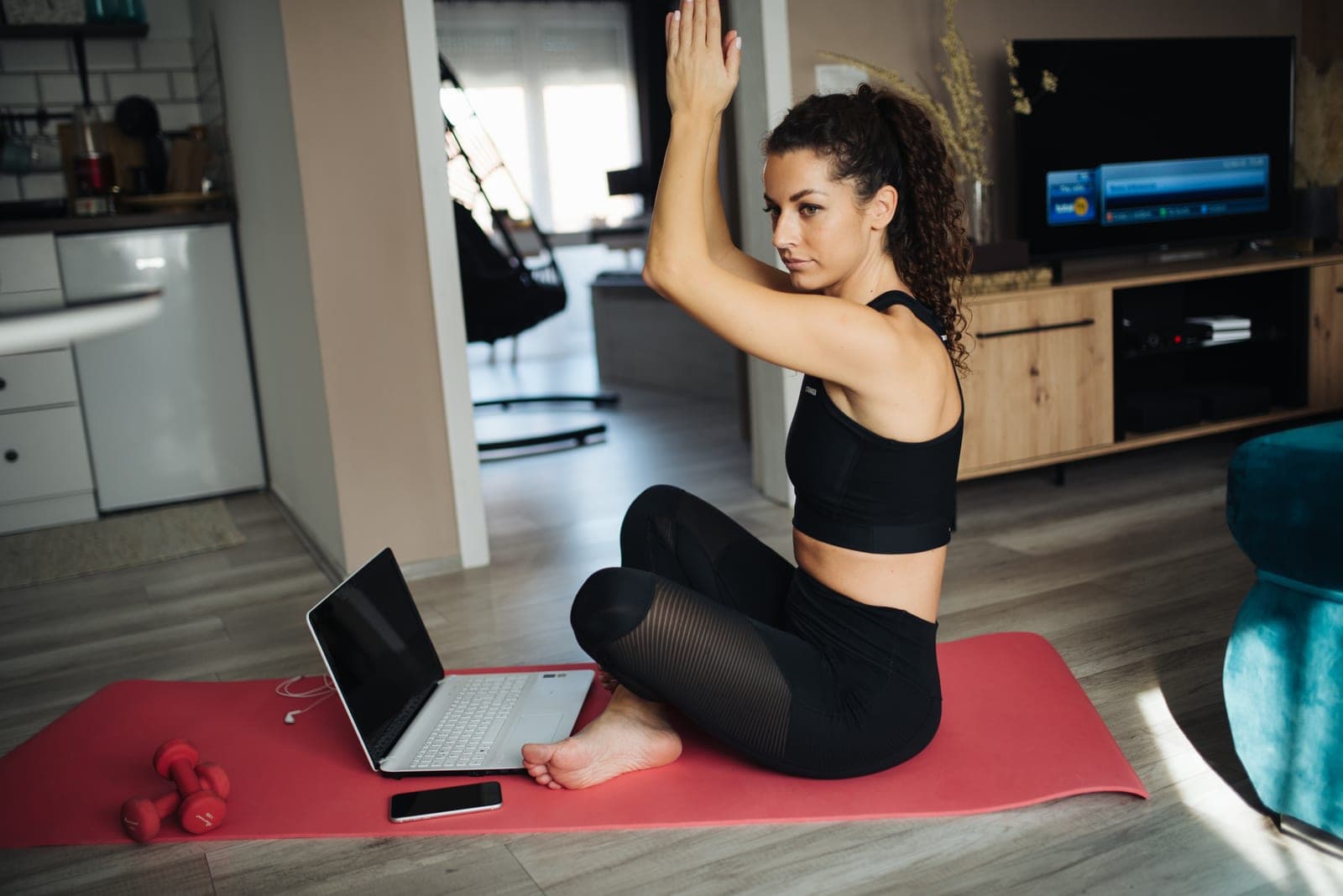
Yoga
A mind-body practice that links postures, breathing and focus to build flexibility, strength and calm.

Tai Chi
A gentle mind-body practice of slow, flowing movements that builds balance, mobility and calm.
Qigong
A gentle mind-body practice that pairs simple, flowing movements with slow, focused breathing.
Pilates
A low-impact mind-body method that builds core strength, control and posture through precise, controlled movement.
Fitness
Strength and general fitness training — the foundation that supports every other sport.
Related recovery
Sleep
Regular, good-quality sleep is the foundation of everyday recovery for anyone who trains or plays sport.
Rest days
Rest days are planned days off from training that give the body and mind time to recover between harder sessions.
Active recovery
Active recovery means very easy, gentle movement on lighter days to keep the body moving without adding hard training stress.
How it connects
The meaning-bearing relationships that place Breathing & winding down in the wider knowledge graph — each one with the reason it exists.
Supports
Helps the training or recovery side of these.
- YogaBreathing & winding down is listed as a recovery method used around Yoga.
- Tai ChiBreathing & winding down is listed as a recovery method used around Tai Chi.
- QigongBreathing & winding down is listed as a recovery method used around Qigong.
- PilatesBreathing & winding down is listed as a recovery method used around Pilates.
- FitnessBreathing & winding down is listed as a recovery method used around Fitness.
Explore across the knowledge base
Follow the threads that connect Breathing & winding down to the rest of SocialSportHub.
Healthy living
- Stretching for recoveryUsing gentle, unhurried stretching to feel loosened and relaxed after activity — an easy, calming way to wind down.
- Evening Wind-DownEasing gently from a busy day toward rest, with calm movement and habits that help the body settle.
- Sleep RoutineA steady rhythm of consistent timing and a calming wind-down that helps your body know when it is time to rest.
- Movement for Stress ReliefHow gentle, regular movement is widely associated with feeling calmer — a simple, accessible way to support everyday stress management.
- Family Active TimeMaking activity something the whole household does together, so movement becomes a shared, everyday habit.
Training plans
- Weekly Movement PlanA relaxed example of building more general movement into an ordinary week, mixing walks, gentle mobility and everyday activity rather than formal workouts.
- Gentle Return to ActivityA relaxed example of easing back into a routine after time away, restarting well below where you left off and rebuilding gradually.
Training guides
Go deeper with Breathing & winding down
Everywhere else on the platform that covers Breathing & winding down — assembled from what actually references it, so nothing here is a dead end.
Take it away
Open data and the whole-platform view of this subject.
How this page is maintained
- Content type
- Recovery method
- Provenance
- Tier A — evergreen educational
- Verified external sources
- 0
- Content updated
- 2026-07-06
Evergreen, first-party explanation — it makes no claim that needs an external source. How we handle sources and reviews.