
Beginner Strength Week
A general example week for someone learning the basic strength movements, built around a few short, technique-focused sessions with plenty of rest.
Overview
A beginner strength week centres on learning a small set of foundational movements well — a squat, a hinge, a push and a pull — rather than doing a lot of anything. Early on, the goal is comfortable, repeatable technique, not how much you can move.
This is an illustrative example to adapt, not a personalised plan. Keep the movements simple, the effort well within reach, and let the sessions feel unhurried.
Rest matters as much as the sessions. Spacing training days apart gives you time to recover with everyday habits like sleep and easy movement, and to come back to the next session feeling fresh. Start where you are and progress gently.
An example week
- 1Day 1 — an easy session practising a squat and a push, kept simple and comfortable.
- 2A rest day, or a gentle walk.
- 3Day 2 — a session practising a hinge and a pull, again at a relaxed effort.
- 4Another rest or easy-movement day.
- 5Optional Day 3 — revisit the movements that felt least familiar.
- 6Weekend — rest and everyday activity.
What it includes
- A few short sessions built around squat, hinge, push and pull patterns.
- An emphasis on comfortable, repeatable technique.
- Full rest days between sessions.
- Easy warm-ups and an unhurried, relaxed pace.
A note on training information
Where it’s used
Sports this relates to:
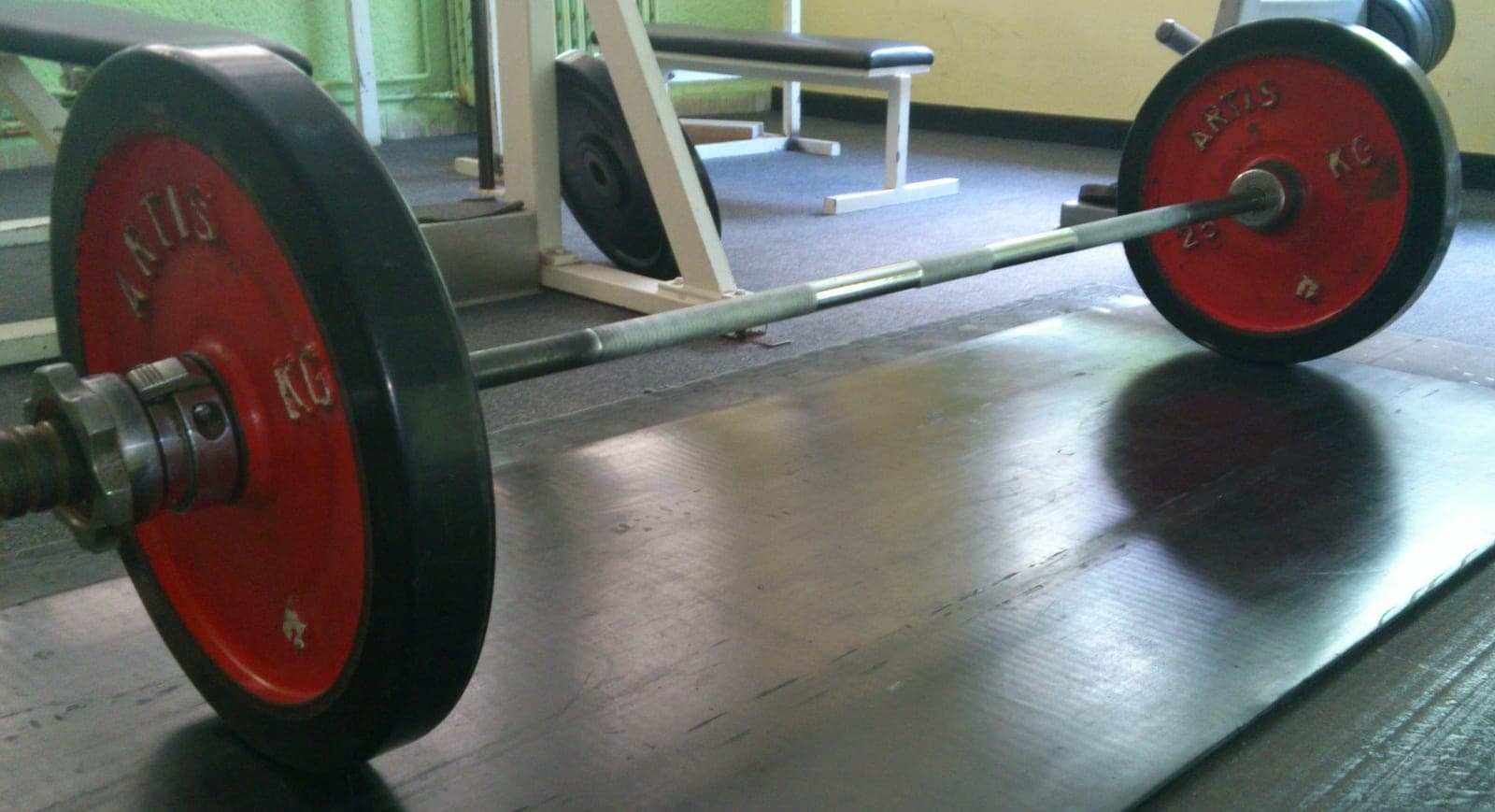
Weightlifting
A technical strength sport built around lifting a loaded barbell overhead with speed and control.

Fitness
Strength and general fitness training — the foundation that supports every other sport.
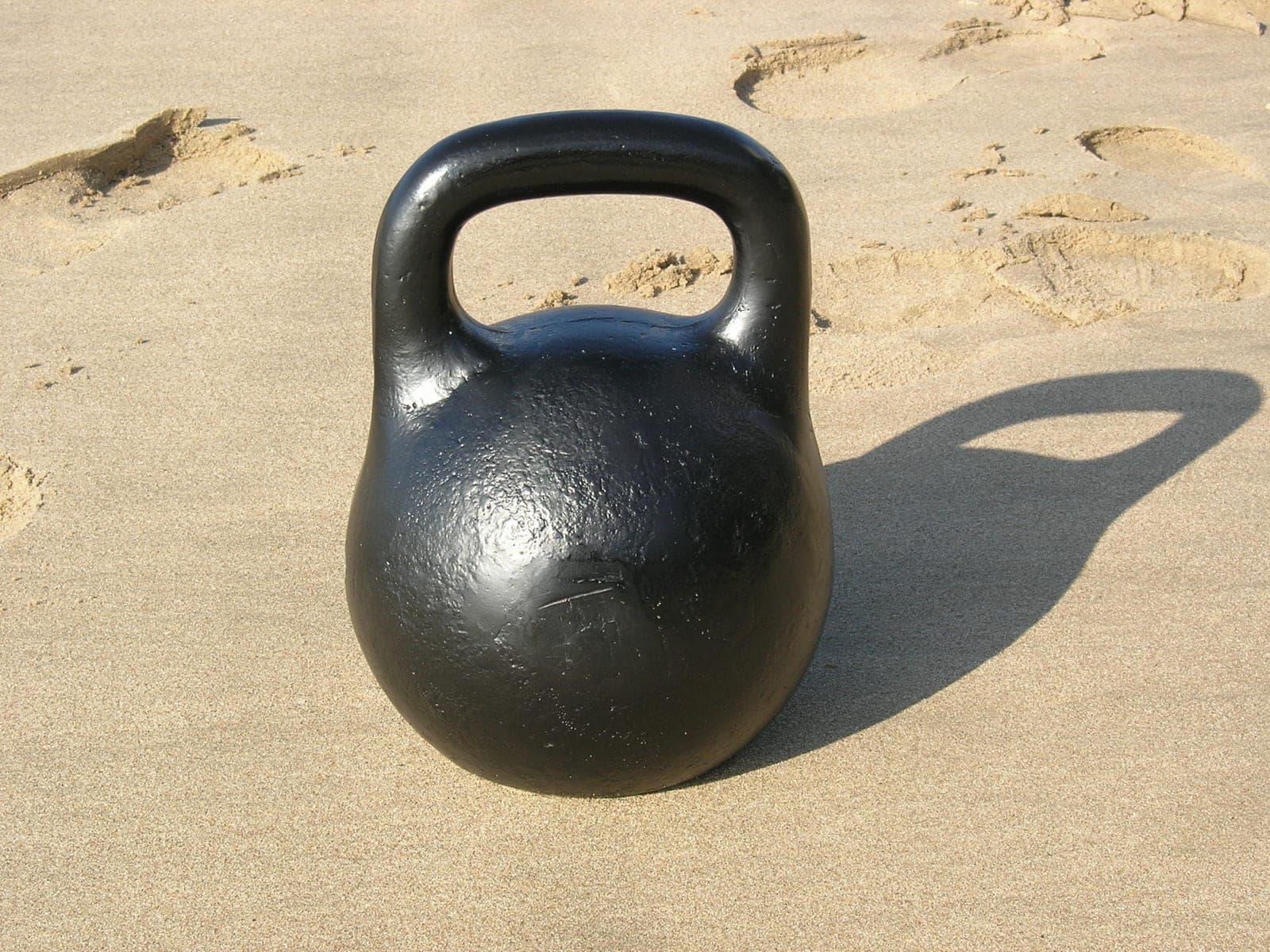
Functional Fitness
Varied, whole-body training built around everyday movement patterns like squatting, lifting and carrying.
Related training plans
Beginner Full-Body Week
A general example of a simple full-body week that spreads a push, a pull, a lower-body movement and some core evenly across three unhurried sessions.
Walk-to-Jog Plan
A gentle example of easing from walking into jogging by gradually mixing short, easy jogs into regular walks over several weeks.
Weekly Movement Plan
A relaxed example of building more general movement into an ordinary week, mixing walks, gentle mobility and everyday activity rather than formal workouts.
Explore across the knowledge base
Follow the threads that connect Beginner Strength Week to the rest of SocialSportHub.
Training guides
- How to build a weekly routineBuilding a weekly routine means loosely planning your training across the week so effort and rest are spread out in a way you can sustain.
- How to start strength trainingStarting strength training means gradually introducing resistance movements and learning good form before doing anything more demanding.
- Bodyweight training basicsBodyweight training uses your own body as resistance, making it a simple and accessible way to build strength almost anywhere.
- How to cool downA cool-down is a few easy minutes at the end of a session that let your effort taper off gradually before you stop.
- Understanding rest and recoveryRest and recovery are the everyday habits — sleep, rest days and gentle movement — that let the benefits of training take hold between sessions.
Practice & sessions
- Beginner orientation sessionA gentle first session for someone completely new — an introduction to the basics, the setting and the equipment, with a relaxed first go.
- Technical sessionA session built around technique — grooving and refining the mechanics of how a movement or shot is executed.
- Skill-development sessionA session built around learning and improving a skill over time — acquiring it, refining it and making it more reliable.
- Tactical sessionA session built around tactics — how you use space, position and patterns of play, rather than the mechanics of a shot.
- Conditioning sessionA session built around physical conditioning — developing the fitness qualities a sport draws on, rather than its skills or tactics.
Healthy living
- Recovery routineBringing your recovery habits together into a simple, repeatable rhythm — so rest becomes a natural part of an active week.
- Recovery MealsThe general idea of eating after activity to help your body refuel and recover — simple, not scientific.
- Recovery walkingEasy, relaxed walking used as a way to recover — a low-effort way to keep moving on off days and after harder sessions.
Recovery
- Cool-downA cool-down is a few minutes of easy movement at the end of a session to let the body settle back towards rest.
- Rest daysRest days are planned days off from training that give the body and mind time to recover between harder sessions.
- Regular, balanced mealsEating regular, balanced meals is a general everyday habit that supports energy and recovery around an active lifestyle.
Training methods
- Circuit TrainingCircuit training moves you through a series of stations back to back with little rest, blending strength and cardio into one time-efficient session.
- Endurance Base TrainingEndurance base training is an extended phase of mostly easy, steady aerobic work that lays the aerobic foundation the rest of a training plan builds on.
How this page is maintained
- Content type
- Training plan
- Provenance
- Tier A — evergreen educational
- Verified external sources
- 0
- Content updated
- 2026-07-06
Evergreen, first-party explanation — it makes no claim that needs an external source. How we handle sources and reviews.