
In winter
Cold-weather sport — snow activities, indoor training and warm-up-first sessions for short, chilly days.
Overview
Winter brings its own sports — skiing, snowboarding, skating and snowshoeing — plus every reason to keep training indoors when it is cold and dark. Indoor cycling, swimming and gym work fill the gaps.
Cold muscles and low light change how you prepare: a thorough warm-up, layered clothing and visibility for early or late outings all help. With a little planning, winter is an active season, not a write-off.
What works
- Snow sports like skiing, snowboarding and skating define the season.
- Indoor options keep training going on cold, dark days.
- A thorough warm-up matters more when it is cold.
- Layers and visibility gear make early or late outings safer.
Getting started
- 1Warm up thoroughly indoors, or gently, before heading out.
- 2Dress in layers you can adjust as you heat up.
- 3Add lights or reflective gear for low-light sessions.
- 4Have an indoor fallback like a class or home routine for bad weather.
Sports that fit
Great places to start — each with a clear, beginner-friendly guide.
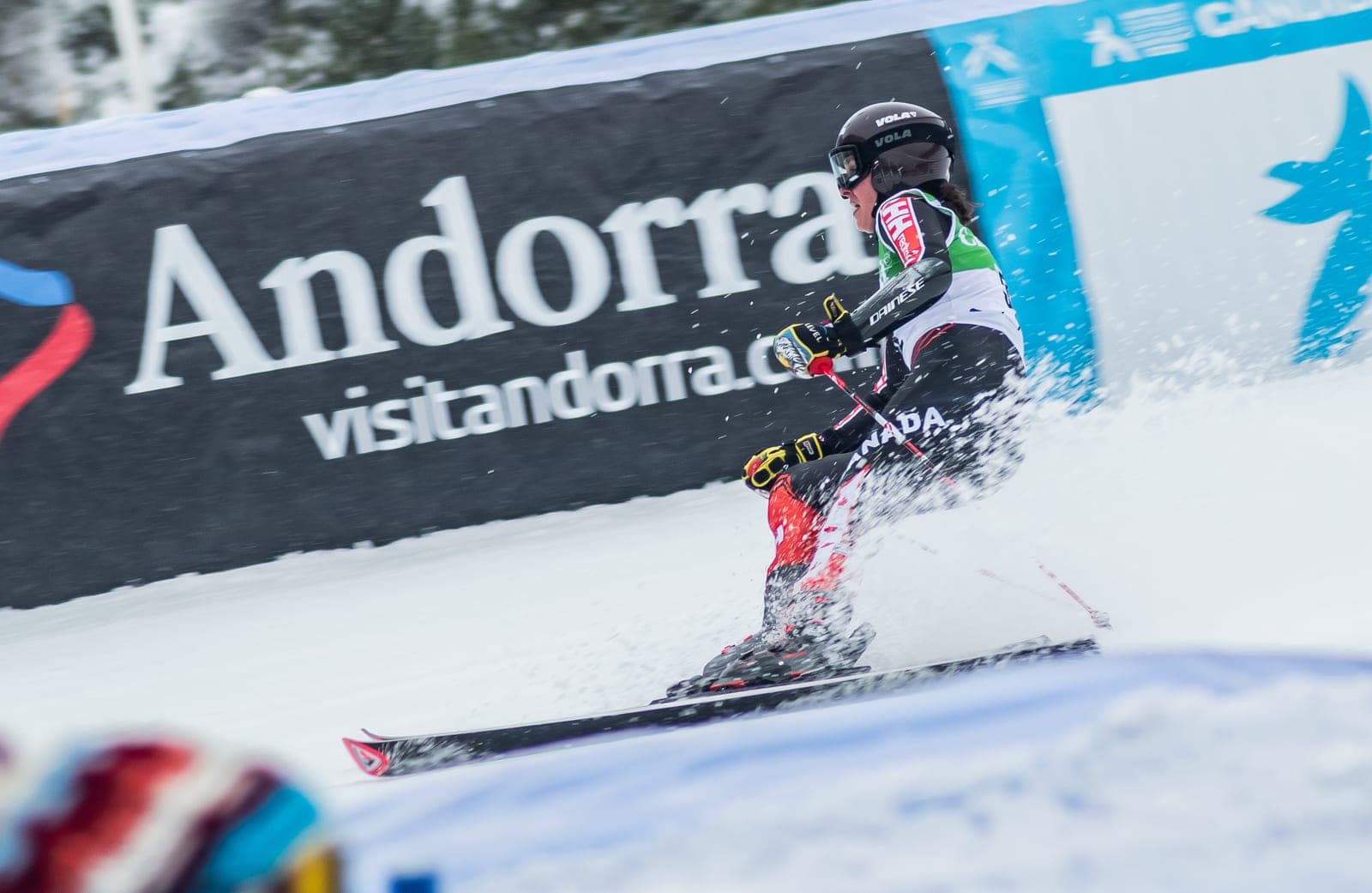
Alpine Skiing
A downhill snow sport where you glide and turn down groomed slopes on a pair of skis.
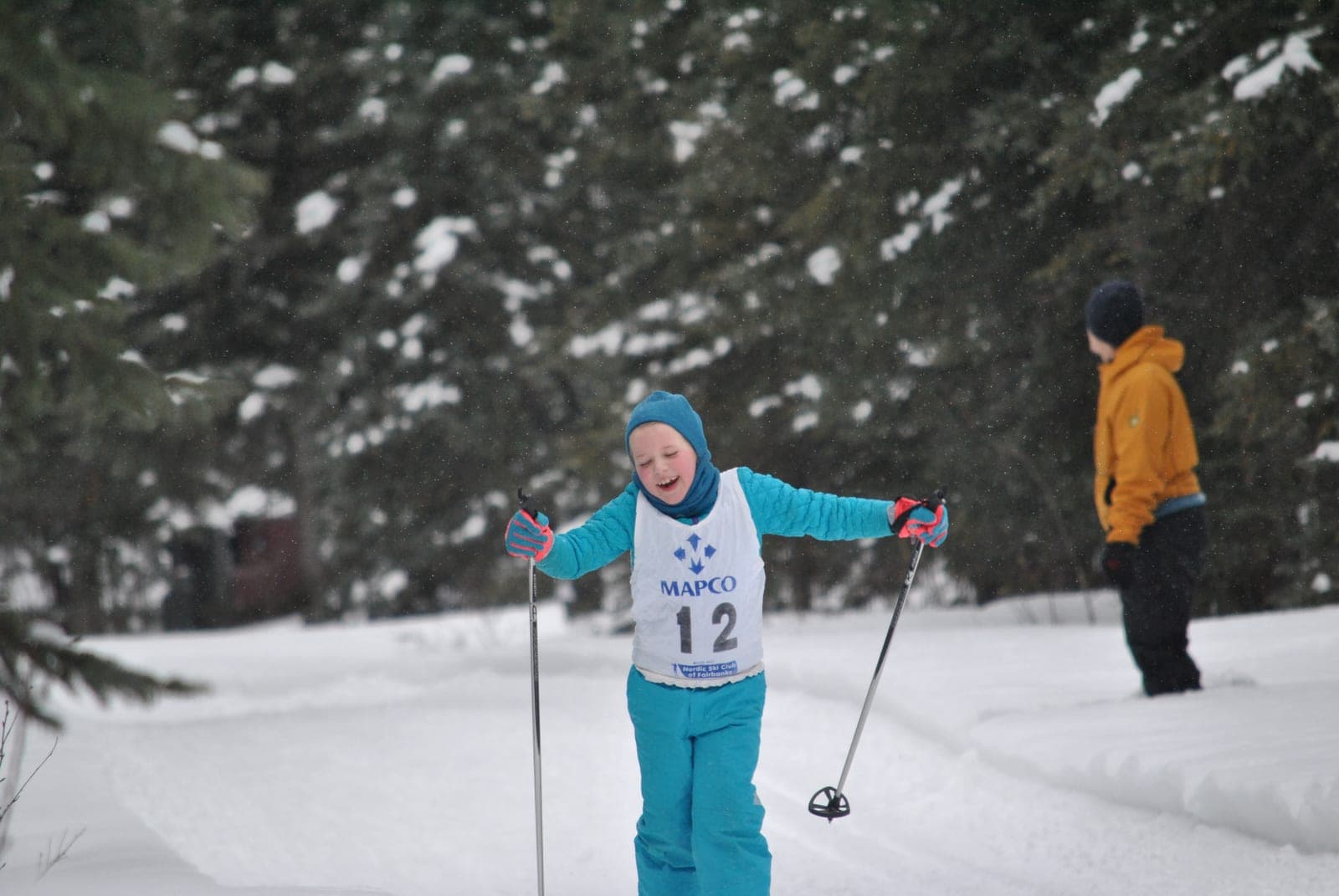
Cross-Country Skiing
A low-impact endurance snow sport where you propel yourself across flat and rolling terrain on skis.
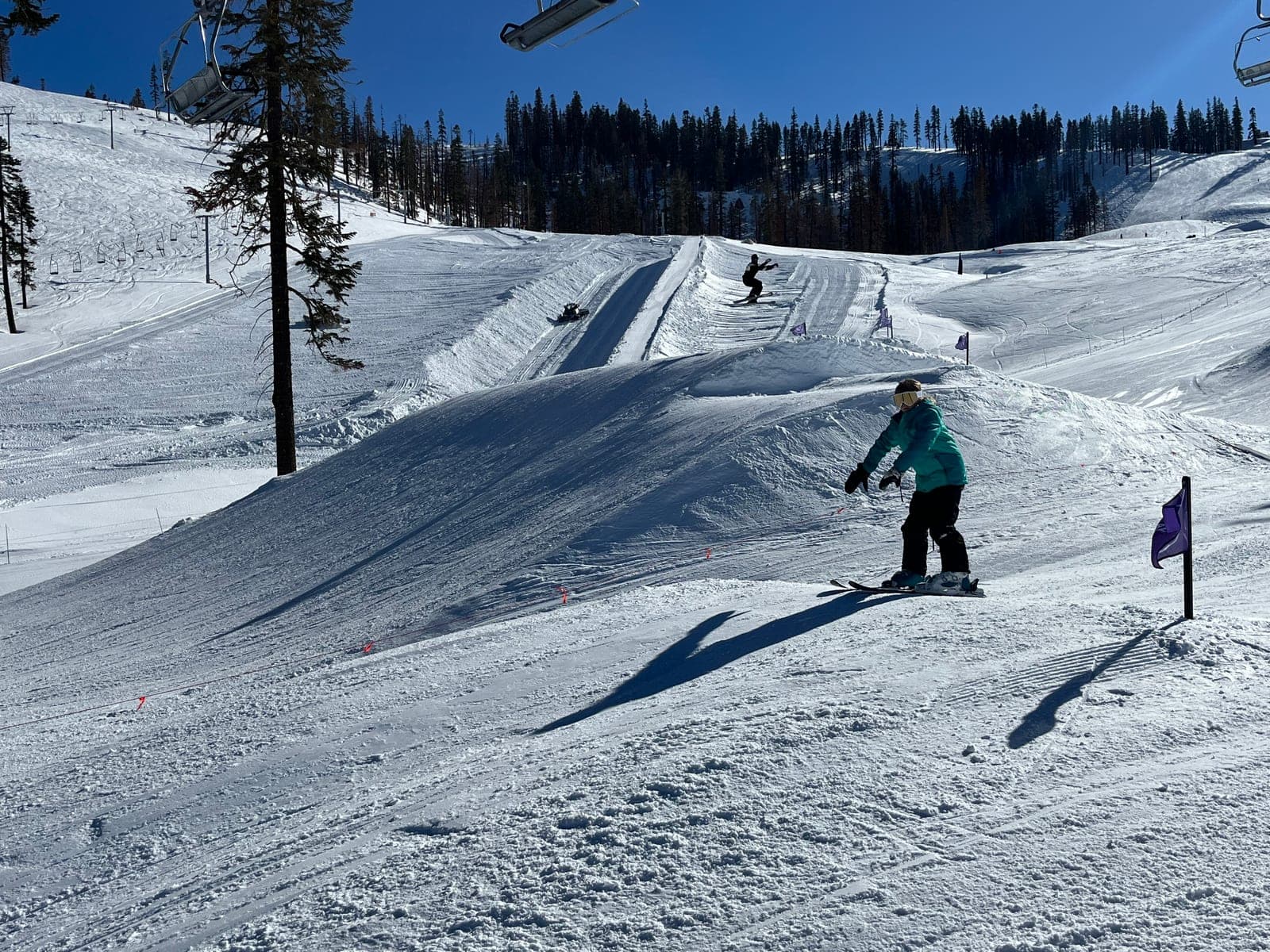
Snowboarding
A downhill snow sport where you ride a single board sideways down the mountain.
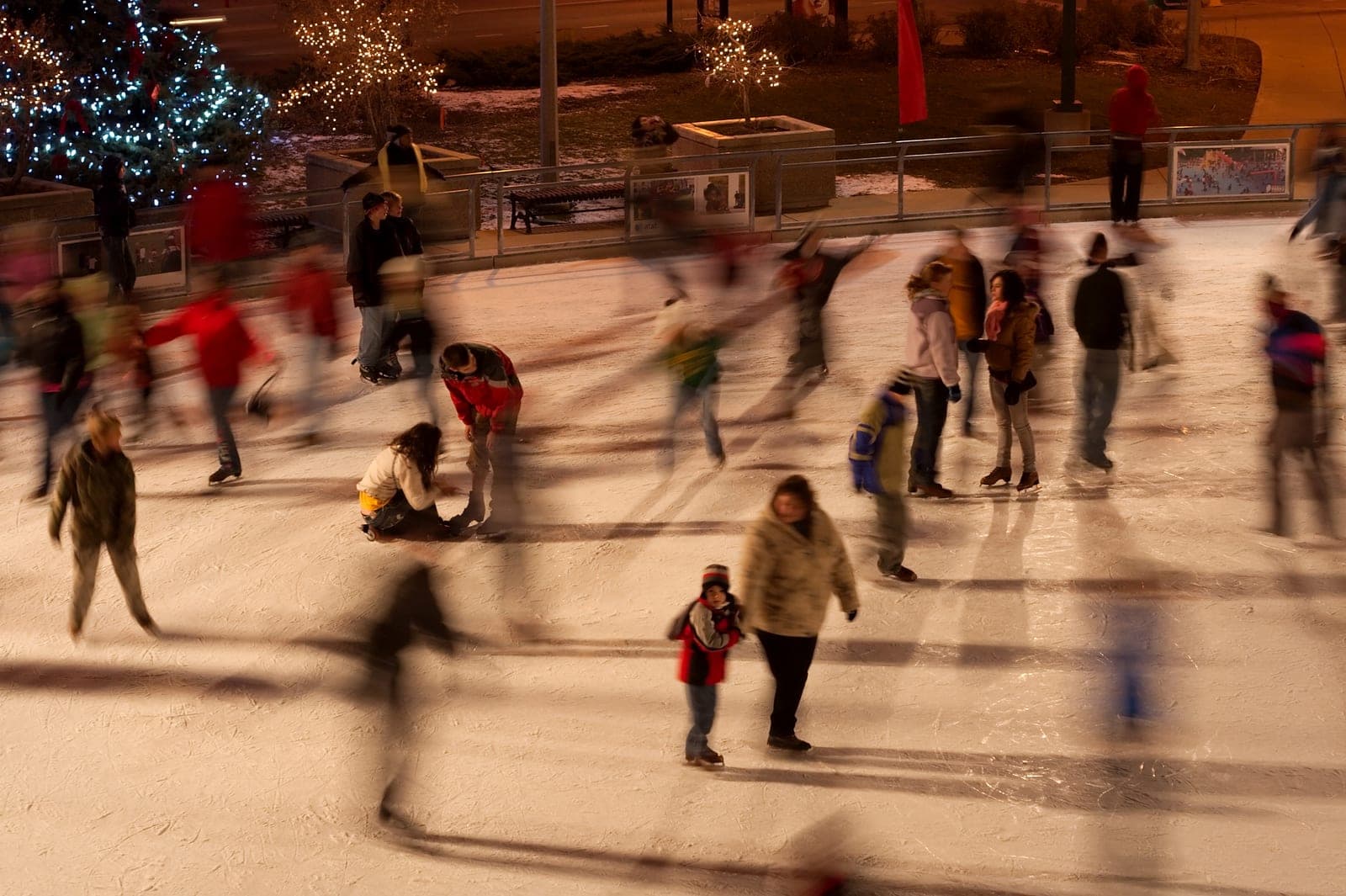
Ice Skating
A graceful winter activity of gliding across ice on skates, from casual laps to disciplined skating.
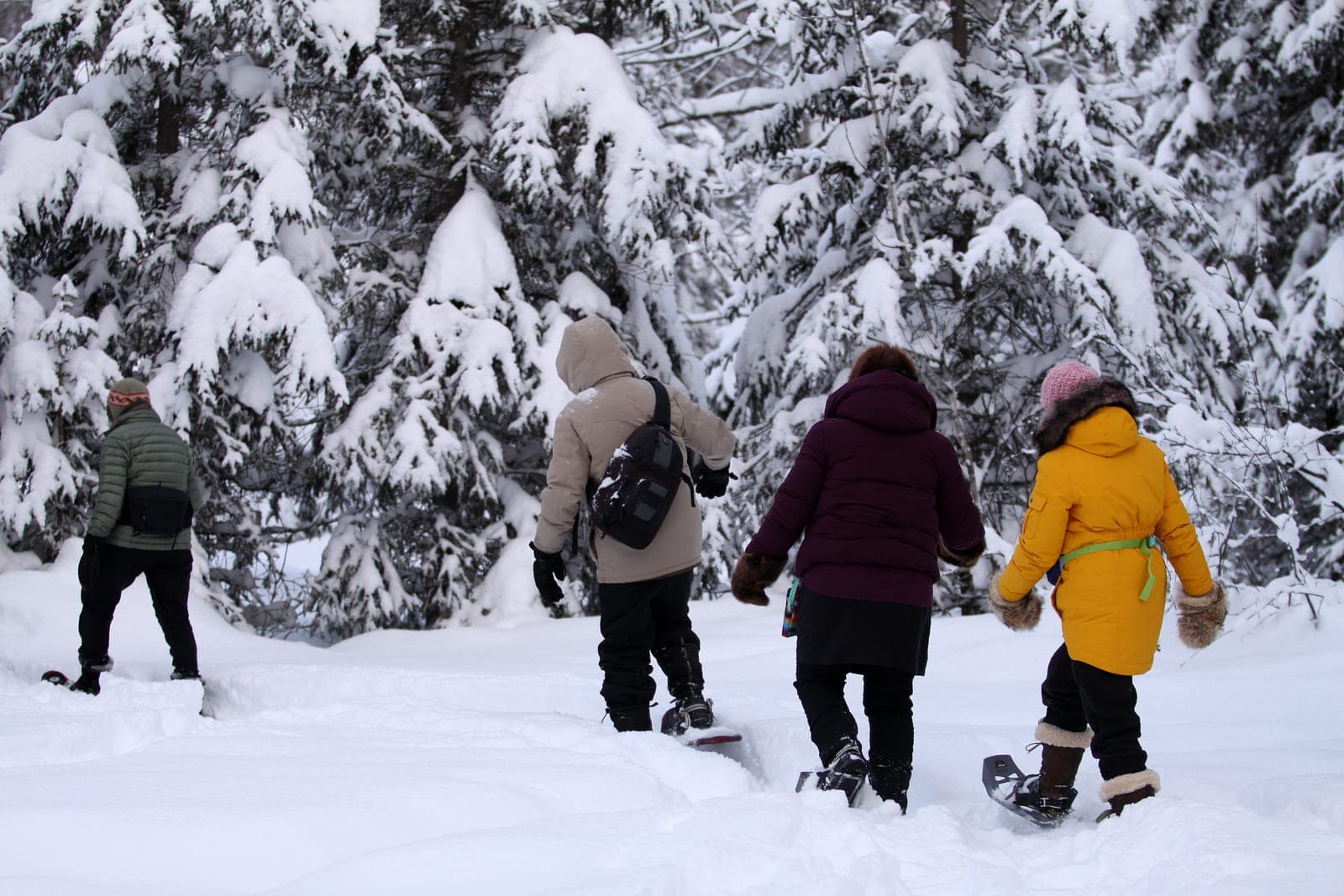
Snowshoeing
A simple, accessible winter activity — walking over deep snow on wide-framed shoes that keep you from sinking in.
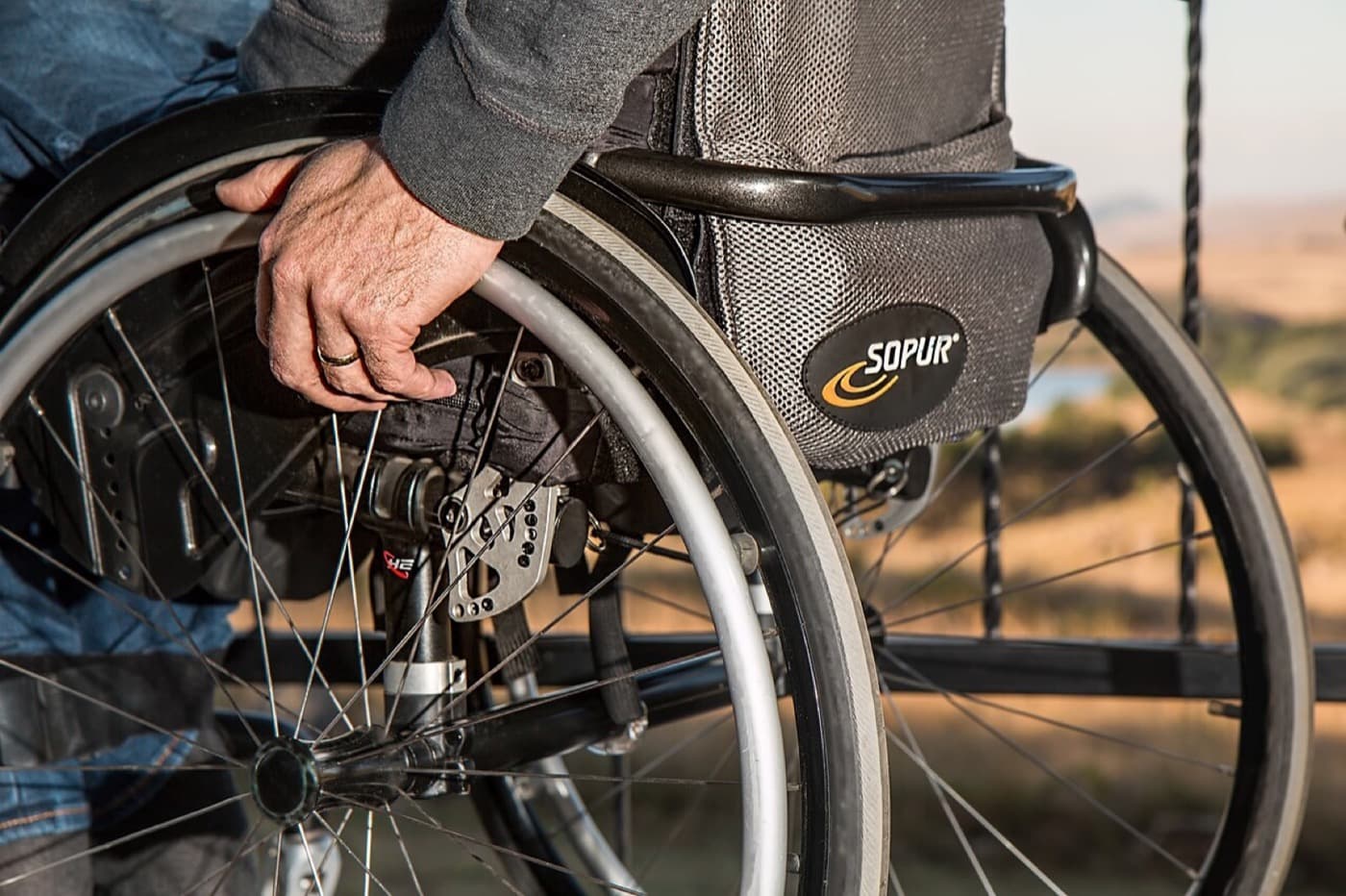
Indoor Cycling
An energetic, low-impact studio workout on a stationary bike, guided by an instructor and music.
Goals that fit
Build an active lifestyle
Make movement a natural, lasting part of daily life through activities and habits you genuinely enjoy.
Become more active
Add regular, gentle movement to your everyday life and build up from a sedentary start at your own pace.
Improve fitness
Build well-rounded fitness — stamina, strength and more — through regular, varied activity you can keep up.
Family activities
Find sports and games that people of different ages can enjoy together, with something for everyone.
Ways to train
Exercises and methods that fit — educational, not a prescription.
Squat
A foundational lower-body movement where you bend at the hips and knees to lower down and stand back up.
Goblet squat
A squat variation where you hold a single weight close to your chest for balance and control.
Lunge
A single-leg movement where you step forward and bend both knees to lower your body.
Bulgarian split squat
A single-leg squat where the back foot is raised on a bench behind you.
Step-up
A movement where you step up onto a raised platform one leg at a time and step back down.
Hip hinge
The foundational bending-at-the-hips pattern that underpins deadlifts, swings and picking things up.
Frequently asked questions
What sports can I do in winter?
Winter suits snow sports such as skiing, cross-country skiing, snowboarding, snowshoeing and ice skating. When conditions are poor, indoor options like swimming, indoor cycling, gym work and classes keep you moving.
How do I stay motivated to exercise in winter?
Plan around the weather with indoor fallbacks, keep sessions on the calendar, and make the most of daylight when it appears. Winter sports and group classes add novelty and social contact that help on dark days.
How do I exercise safely in cold weather?
Warm up well, dress in adjustable layers, stay visible in low light and be cautious on ice or uneven ground. Build up gradually and listen to your body; check with a professional if you have any health concerns.
Explore across the knowledge base
Follow the threads that connect In winter to the rest of SocialSportHub.
Recovery
- Easy daysEasy days are deliberately gentle training days that keep the effort low so harder sessions can stay hard.
- Rest daysRest days are planned days off from training that give the body and mind time to recover between harder sessions.
- Active recoveryActive recovery means very easy, gentle movement on lighter days to keep the body moving without adding hard training stress.
Sport categories
Healthy living
- Weekend ActivityUsing the extra time at weekends to be active in ways that feel more like fun than exercise.
- Recovery walkingEasy, relaxed walking used as a way to recover — a low-effort way to keep moving on off days and after harder sessions.
- Family Active TimeMaking activity something the whole household does together, so movement becomes a shared, everyday habit.
- Recovery SleepThe role rest plays in helping your body recover, adapt and feel ready after training and active days.
- Sports Nutrition BasicsA gentle introduction to fuelling an active body — the general ideas behind eating for energy, performance and recovery.
Training guides
- Understanding rest and recoveryRest and recovery are the everyday habits — sleep, rest days and gentle movement — that let the benefits of training take hold between sessions.
- How to warm upA short, gentle warm-up gradually raises your body temperature and prepares your muscles and joints for the activity ahead.
- Staying consistent with trainingStaying consistent is about building training into your routine so it keeps happening even when motivation dips.
How this page is maintained
- Content type
- For your day
- Provenance
- Tier A — evergreen educational
- Verified external sources
- 0
- Content updated
- 2026-07-09
Evergreen, first-party explanation — it makes no claim that needs an external source. How we handle sources and reviews.