
Cross-Country Skiing
Glide across the snow under your own power
.jpg)
Overview
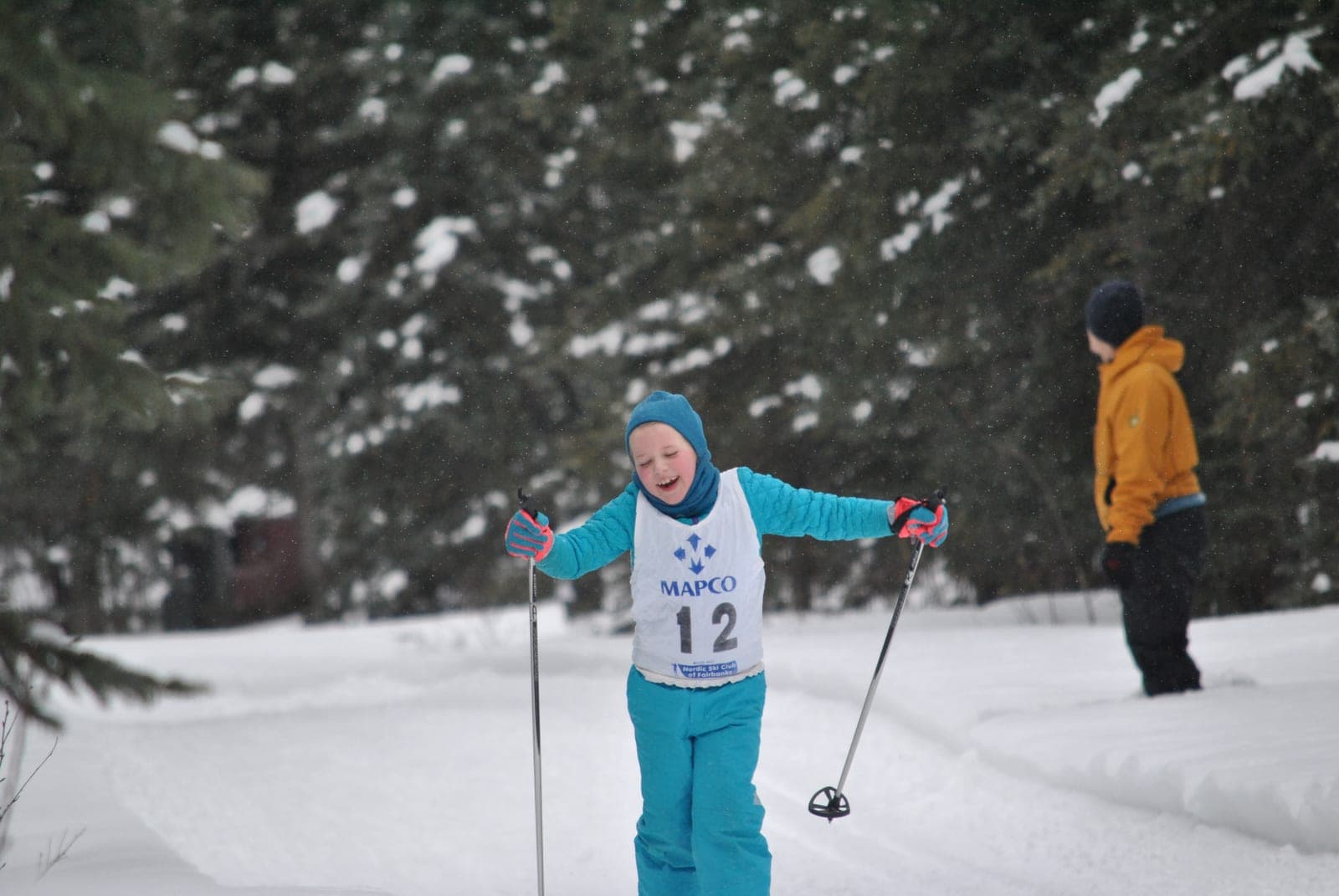
Cross-country skiing, sometimes called Nordic skiing, involves moving across snow-covered terrain under your own power rather than relying on lifts and gravity. Using long, light skis, you glide over flatter ground and gentle hills on prepared tracks or open snow, in either a classic striding or a skating style.
Because you drive the movement yourself, it is one of the most complete endurance workouts in winter, engaging the whole body while staying low-impact. It scales easily from a relaxed glide through quiet countryside to a demanding aerobic effort, making it accessible to a wide range of fitness levels.
Why cross-country skiing is good for your health
- Delivers a strong, full-body cardiovascular and endurance workout
- Engages the legs, arms, back and core together
- Low-impact gliding motion is gentle on the joints
- Adjustable intensity from an easy glide to a hard aerobic effort
The social side
- Groomed trail networks make it easy to ski alongside friends at a shared pace
- Clubs and guided outings welcome newcomers to the sport
- A calm, sociable way to explore winter landscapes together
How to start as a beginner
- 1Take an introductory lesson to learn the classic striding technique and how to stop
- 2Start on flat, groomed tracks before tackling rolling terrain
- 3Rent lightweight cross-country skis, boots and poles to begin
- 4Dress in breathable layers, as you warm up quickly once moving
Equipment you’ll need
- Cross-country skis, boots and bindingsEssentialLighter and narrower than downhill skis
- PolesEssential
- Breathable, warm layersEssentialYou generate a lot of heat while moving
- Gloves and a hatEssential
- Water and light snacks for longer outingsOptional
Where to play
Cross-Country Skiing is typically played at:
Explore clubs and venues to understand the different places you can play, or see how to find people to play with.
Cross-Country Skiing disciplines
Cross-Country Skiing isn’t one thing — it takes several distinct forms, each with its own character. Explore the disciplines within it.
Playing Cross-Country Skiing
The equipment, rules, skills and more that make up the game — each cross-linked into the encyclopedia.
Training for Cross-Country Skiing
Exercises, methods and example plans that help build what Cross-Country Skiing needs — educational, not personalised prescriptions.
Related sports to explore
If you enjoy Cross-Country Skiing, you might also like these.
Alpine Skiing
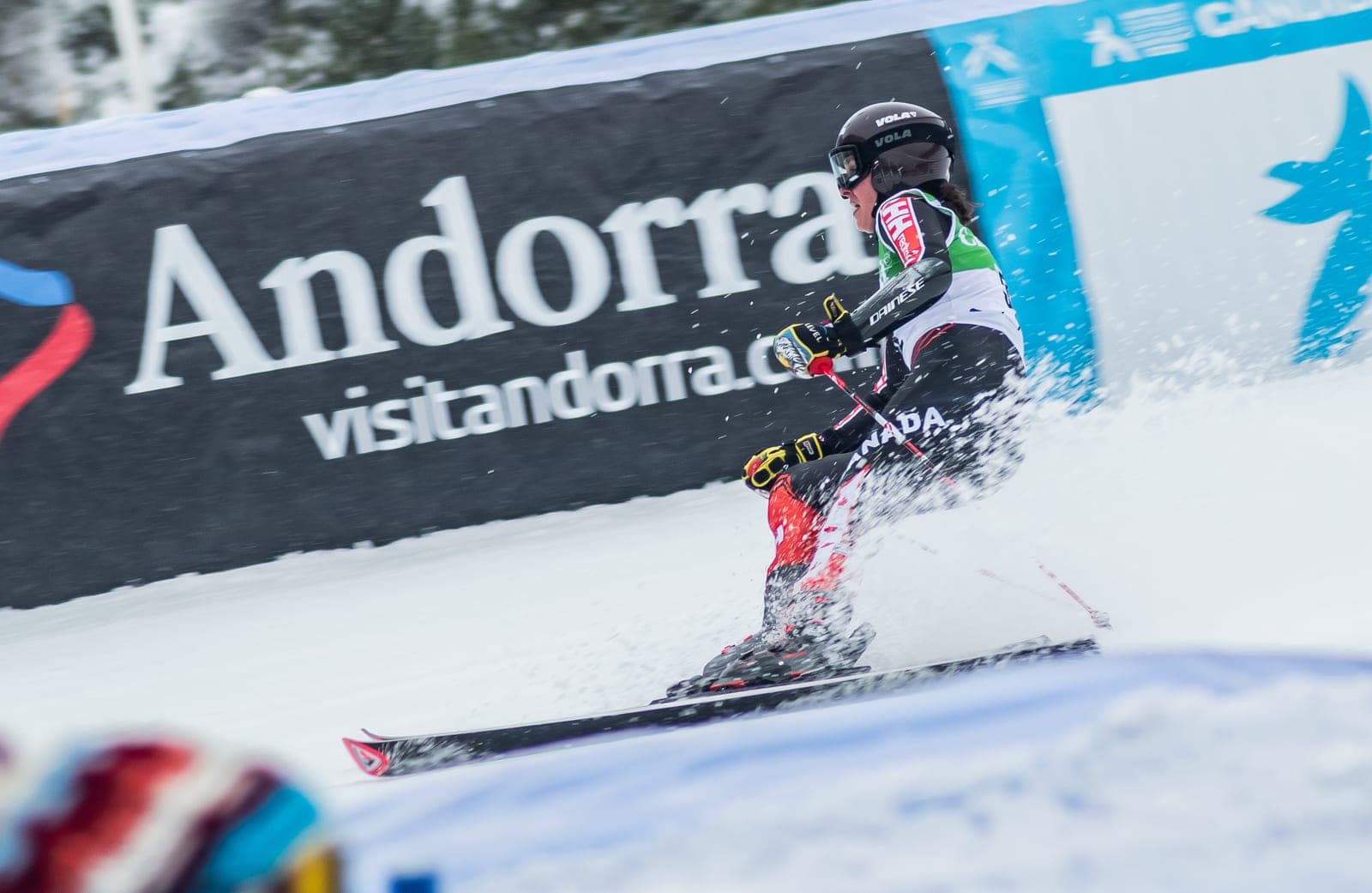
A downhill snow sport where you glide and turn down groomed slopes on a pair of skis.
Snowshoeing
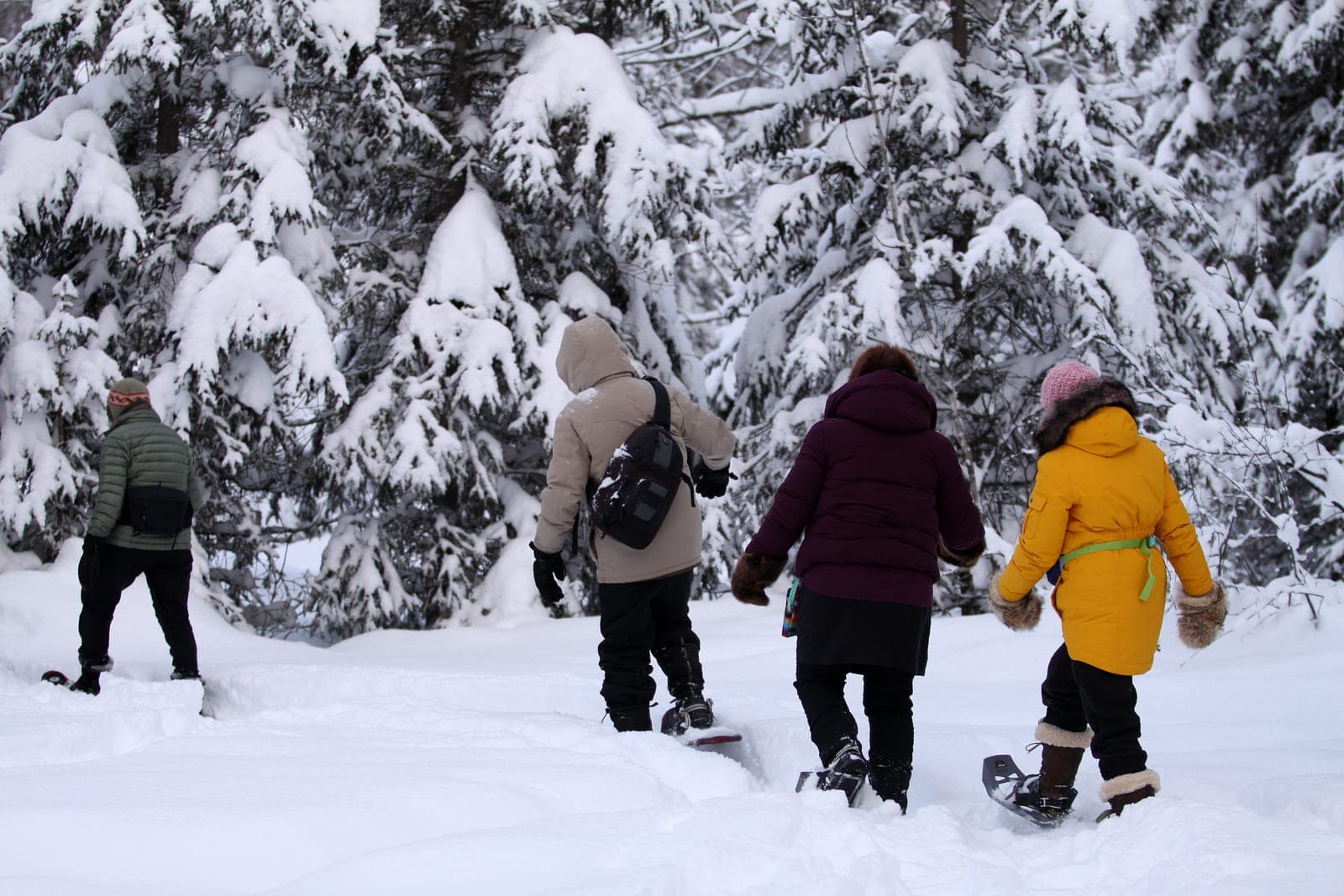
A simple, accessible winter activity — walking over deep snow on wide-framed shoes that keep you from sinking in.
Biathlon
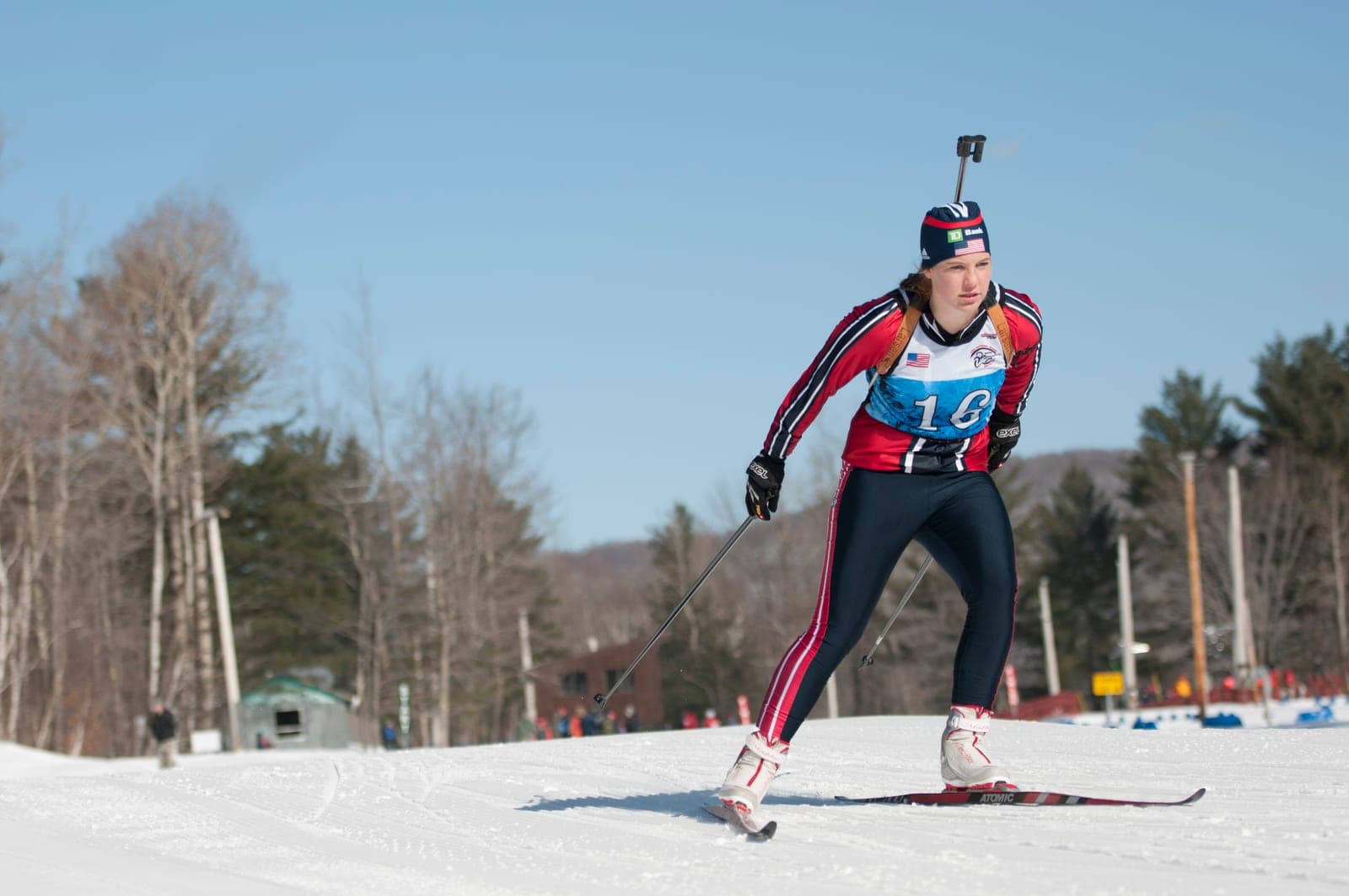
An endurance winter sport that combines cross-country skiing with precision rifle target shooting at a range.
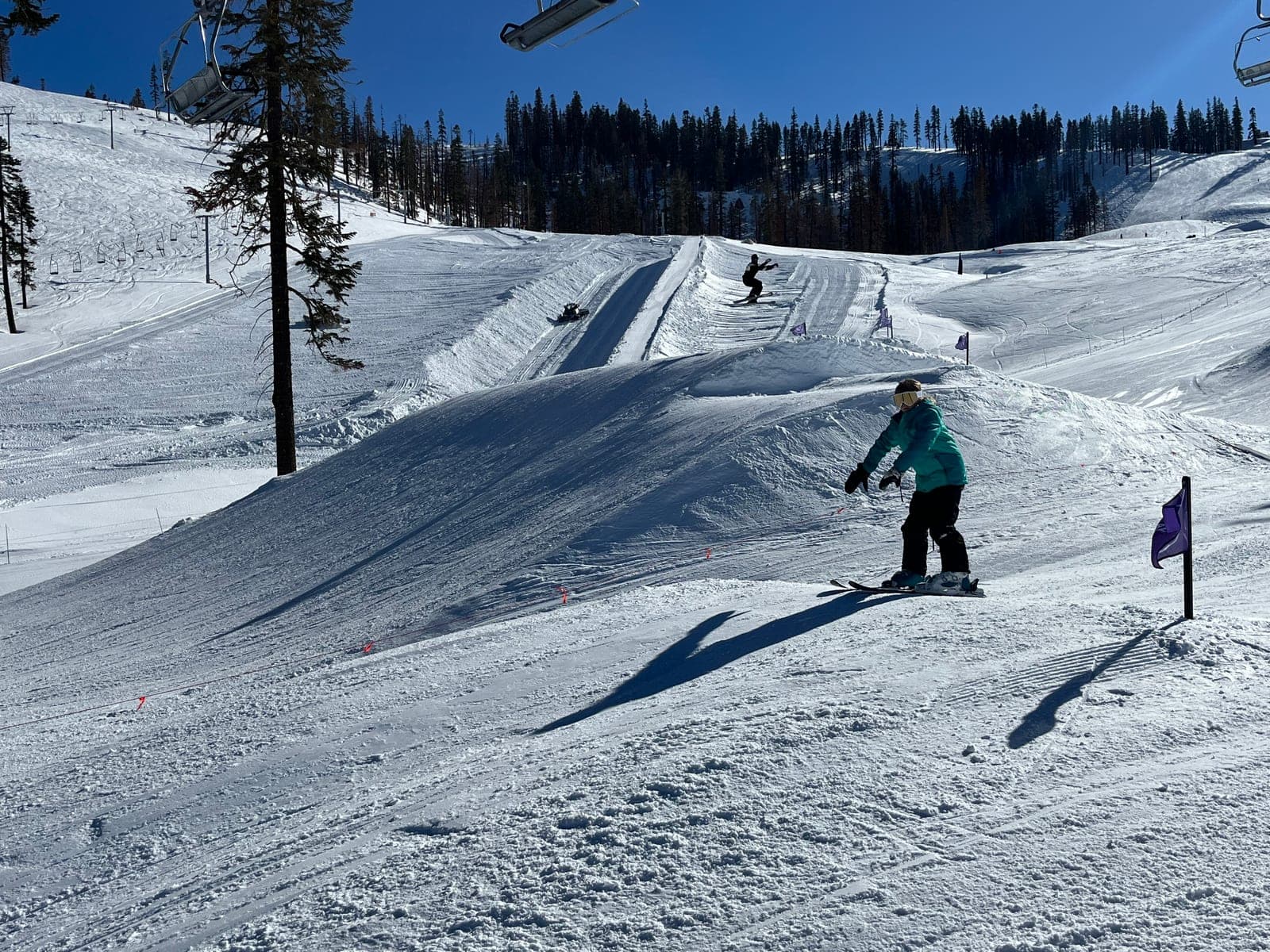
Snowboarding
A downhill snow sport where you ride a single board sideways down the mountain.
Compare Cross-Country Skiing with…
Deciding between Cross-Country Skiing and something similar? See how they line up side by side.
Alpine Skiing vs Cross-Country Skiing
How they compare on difficulty, intensity, kit and what suits you.
Biathlon vs Cross-Country Skiing
How they compare on difficulty, intensity, kit and what suits you.
Cross-Country Skiing vs Nordic Walking
How they compare on difficulty, intensity, kit and what suits you.
Cross-Country Skiing vs Snowboarding
How they compare on difficulty, intensity, kit and what suits you.
Cross-Country Skiing vs Snowshoeing
How they compare on difficulty, intensity, kit and what suits you.
Cross-Country Skiing vs Speed Skating
How they compare on difficulty, intensity, kit and what suits you.
Reach your goals with Cross-Country Skiing
People take up Cross-Country Skiing for all kinds of reasons. Here is what it can help you work towards.
Who & where Cross-Country Skiing fits
Sport should fit your life. Here is who Cross-Country Skiing suits and when it works.
How it connects
The meaning-bearing relationships that place Cross-Country Skiing in the wider knowledge graph — each one with the reason it exists.
Alternative to
Comparable enough that people choose between them.
- Alpine SkiingCross-Country Skiing and Alpine Skiing are close enough that the platform maintains a side-by-side comparison of them.
- BiathlonCross-Country Skiing and Biathlon are close enough that the platform maintains a side-by-side comparison of them.
- Nordic WalkingCross-Country Skiing and Nordic Walking are close enough that the platform maintains a side-by-side comparison of them.
- SnowboardingCross-Country Skiing and Snowboarding are close enough that the platform maintains a side-by-side comparison of them.
- SnowshoeingCross-Country Skiing and Snowshoeing are close enough that the platform maintains a side-by-side comparison of them.
Helps achieve
A recognised route towards these goals.
Explore across the knowledge base
Follow the threads that connect Cross-Country Skiing to the rest of SocialSportHub.
Glossary
- BindingA binding is the mechanism that attaches a boot to a ski or snowboard, and on skis is designed to release under load.
- Fall LineThe fall line is the steepest, most direct path down a slope — the way a ball would roll if you let it go.
- GroomingGrooming is the machine preparation of ski runs that flattens and compacts the snow into a consistent surface.
- PisteThe narrow strip a fencing bout takes place on; also a marked, prepared ski run.
- Off-PisteOff-piste means terrain outside the marked, prepared and patrolled runs of a ski area.
Recommendations
- Recommended for “Get into winter sports”Sports, qualities, a learning path and first steps for “Get into winter sports” — every suggestion a real graph link, shown with its reason.
- Recommended for “Sports for seniors”Sports, qualities, a learning path and first steps for “Sports for seniors” — every suggestion a real graph link, shown with its reason.
Healthy living
Go deeper with Cross-Country Skiing
Everywhere else on the platform that covers Cross-Country Skiing — assembled from what actually references it, so nothing here is a dead end.
Compare it
Head-to-head studies against the entities people actually weigh it against.
- Cross-Country Skiing vs Alpine SkiingSide by side on the qualities that differ.
- Cross-Country Skiing vs BiathlonSide by side on the qualities that differ.
- Cross-Country Skiing vs Nordic WalkingSide by side on the qualities that differ.
- Cross-Country Skiing vs SnowboardingSide by side on the qualities that differ.
- Cross-Country Skiing vs SnowshoeingSide by side on the qualities that differ.
- Cross-Country Skiing vs Speed SkatingSide by side on the qualities that differ.
Kit it out
Equipment guidance drawn from the graph, with no brands and no affiliate links.
Take it away
Open data and the whole-platform view of this subject.
How this page is maintained
- Content type
- Sport
- Provenance
- Tier A — evergreen educational
- Verified external sources
- 0
- Content updated
- 2026-07-06
Evergreen, first-party explanation — it makes no claim that needs an external source. How we handle sources and reviews.
Keep going
A sport is most rewarding alongside good habits, sensible nutrition and people to share it with. Here is where to go next.
How movement supports body and mind.
Eat well to feel and perform better.
Build routines that stick.
Ways to meet others and play together.
Where to play and what to expect.
Browse the full list by category.