
Biathlon
Cross-country skiing meets precision shooting

Overview
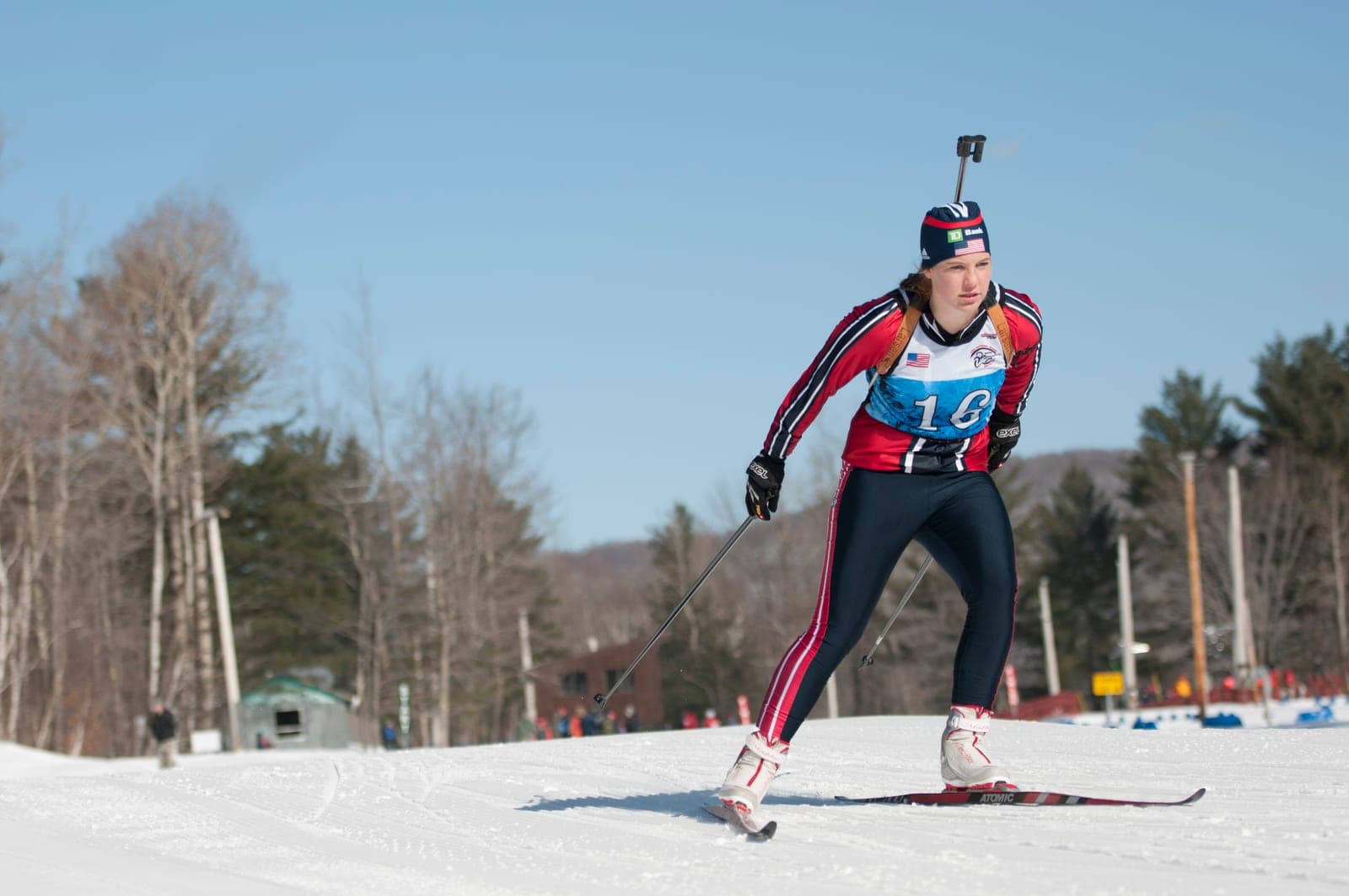
Biathlon pairs two very different skills: the sustained, full-body effort of cross-country skiing and the calm precision of target shooting. Athletes ski a course and stop at a shooting range to aim at small targets, before continuing on. The challenge lies in the contrast — skiing raises the heart rate and breathing, yet shooting rewards stillness and control.
Because it blends hard aerobic work with fine motor precision, biathlon rewards patience as much as fitness, and learning to settle the body quickly after effort is a large part of the skill. It is usually learned in stages, building comfort on skis first and then developing safe, supervised shooting technique at a dedicated range.
Why biathlon is good for your health
- Cross-country skiing builds strong cardiovascular and aerobic fitness
- Engages the whole body — legs, core, arms and back — through the skiing stride
- Develops breath control, focus and steady concentration
- Combines sustained endurance with moments of calm precision
The social side
- Learned within clubs and coached programmes with a shared range
- Training partners help with motivation over long ski sessions
- A close-knit community around cross-country and biathlon centres
How to start as a beginner
- 1Build comfort and stamina on cross-country skis before adding shooting
- 2Learn firearm handling only under qualified instruction on a supervised range
- 3Practise settling your breathing and heart rate before aiming
- 4Join a coached beginner programme that introduces both skills safely
Equipment you’ll need
- Cross-country skis, boots and polesEssentialLightweight skiing setup; often available to hire at centres
- A biathlon rifleEssentialUsed only under qualified supervision at a licensed range
- Warm, breathable layered clothingEssential
- Access to a groomed course and shooting rangeEssential
- Gloves and eye protectionOptional
Where to play
Biathlon is typically played at:
Explore clubs and venues to understand the different places you can play, or see how to find people to play with.
Playing Biathlon
The equipment, rules, skills and more that make up the game — each cross-linked into the encyclopedia.
Related sports to explore
If you enjoy Biathlon, you might also like these.
Cross-Country Skiing
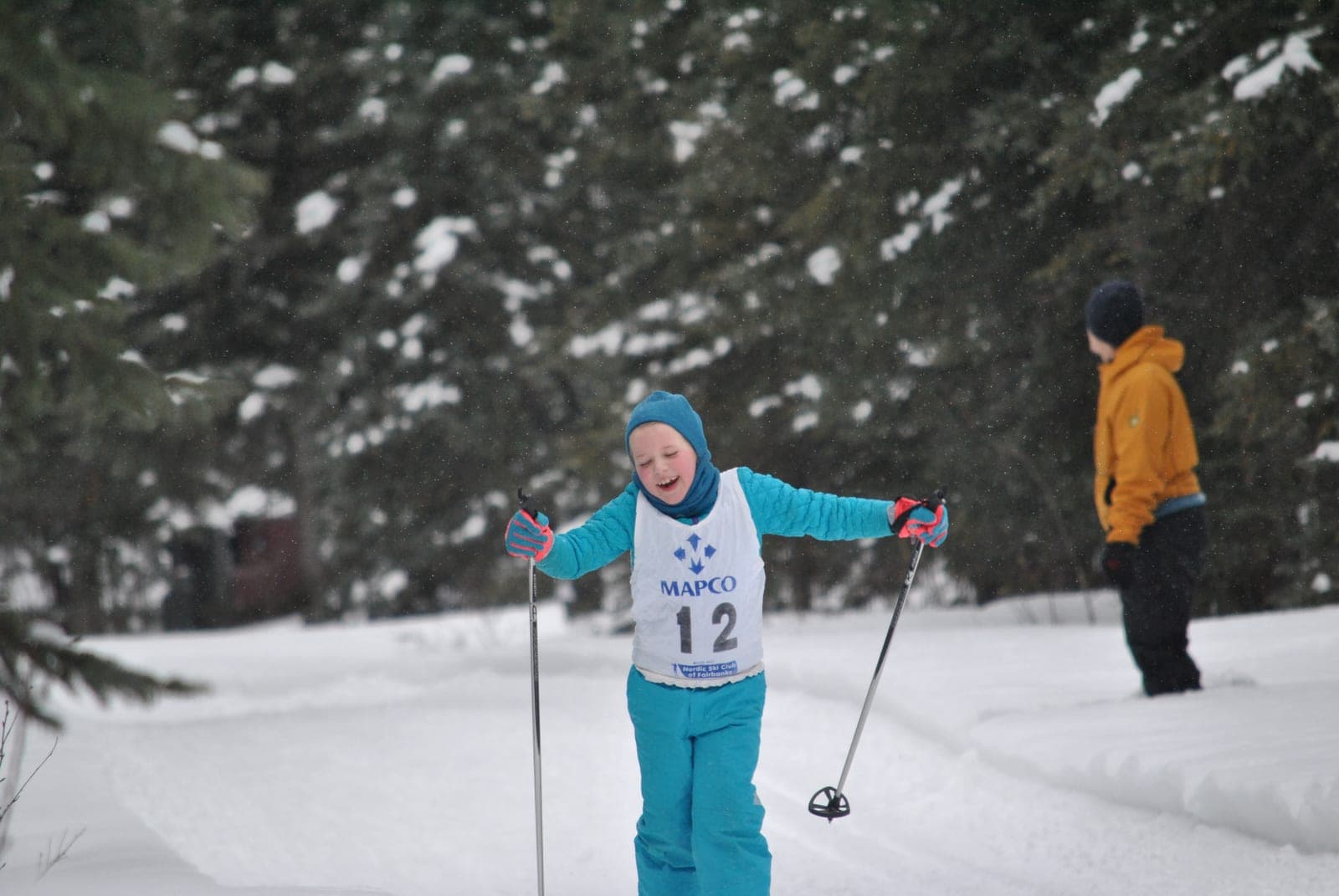
A low-impact endurance snow sport where you propel yourself across flat and rolling terrain on skis.
Snowshoeing
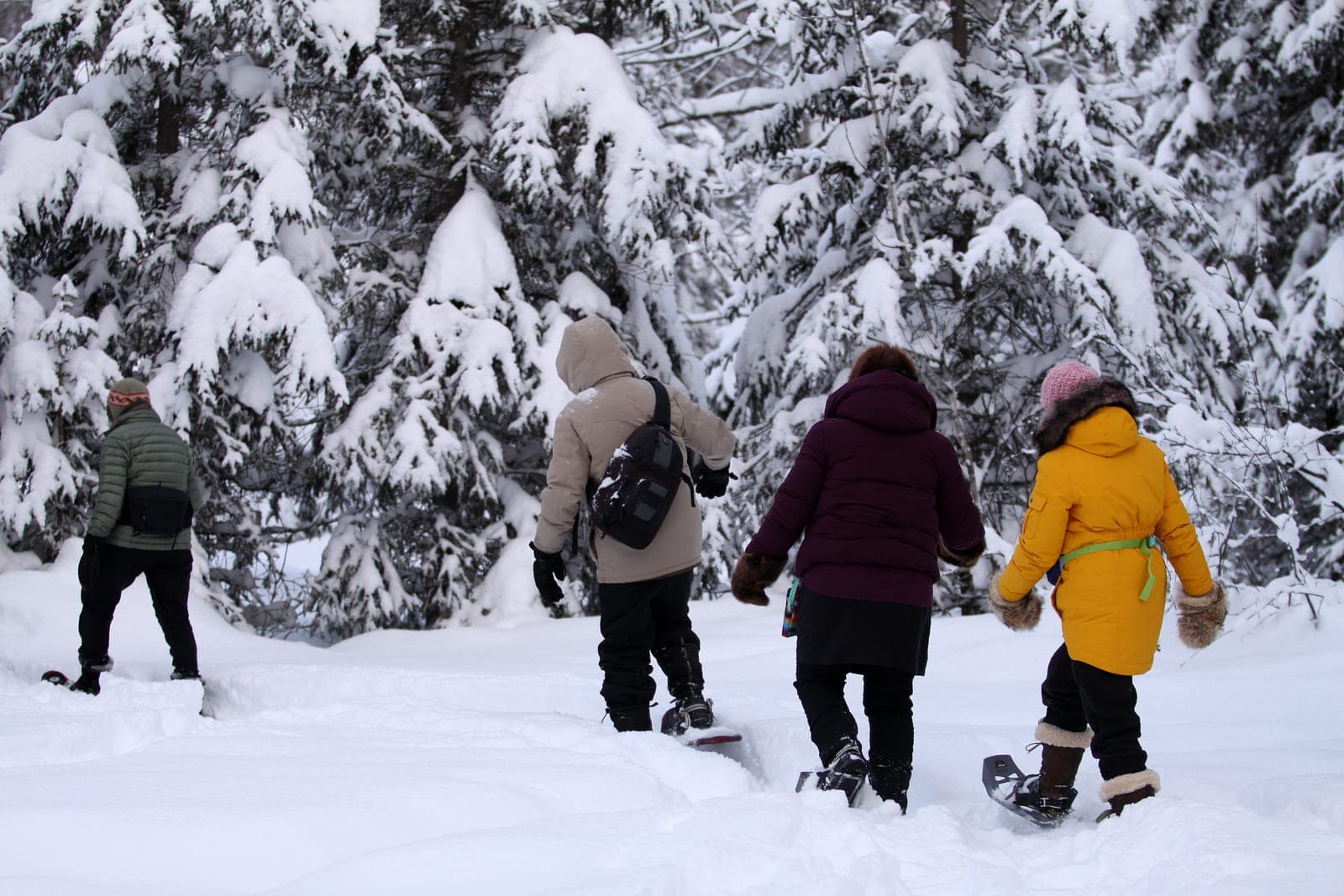
A simple, accessible winter activity — walking over deep snow on wide-framed shoes that keep you from sinking in.
Archery
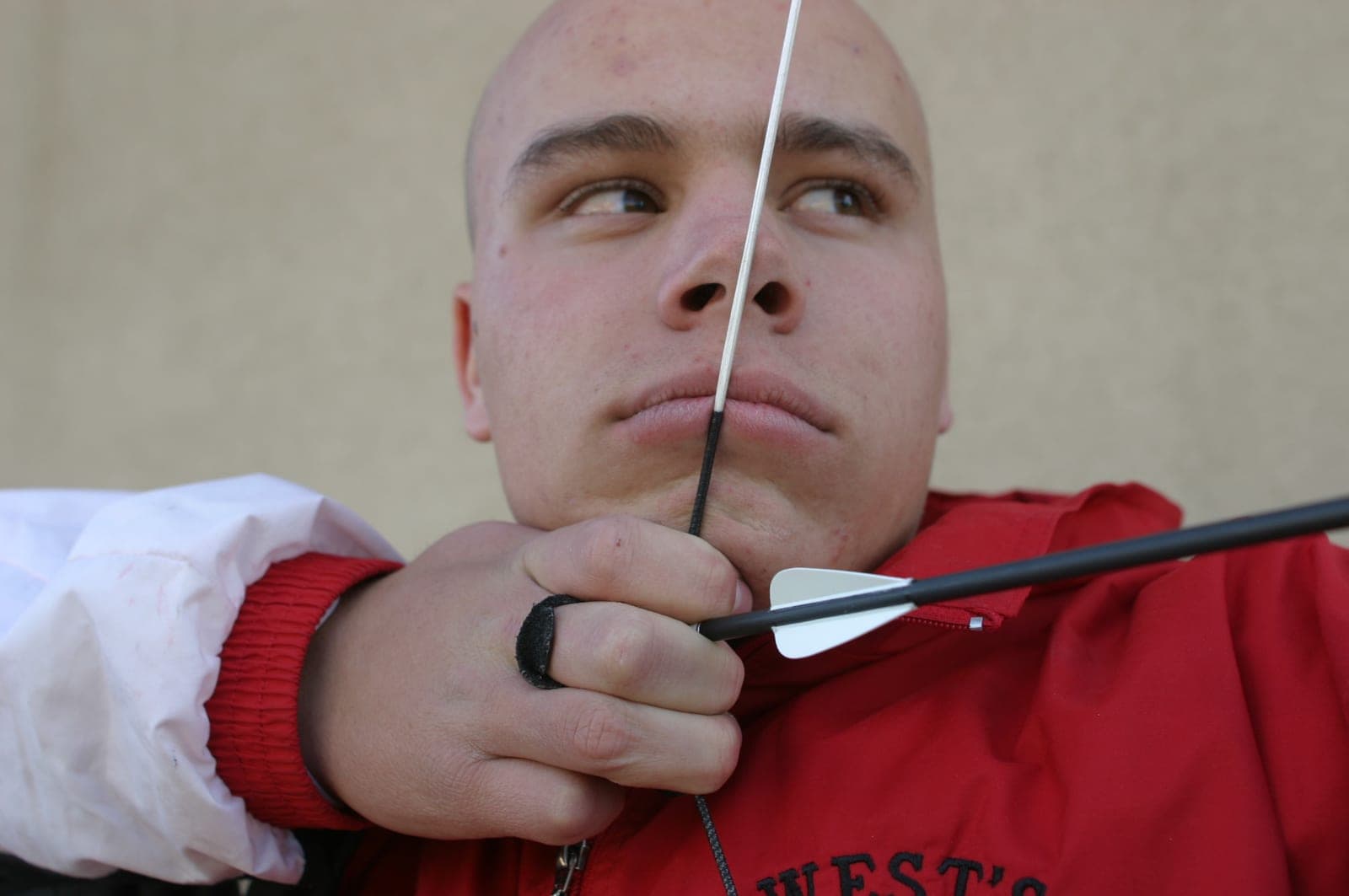
A precision target sport of drawing a bow and aiming at a target, rewarding focus, control and a steady hand.
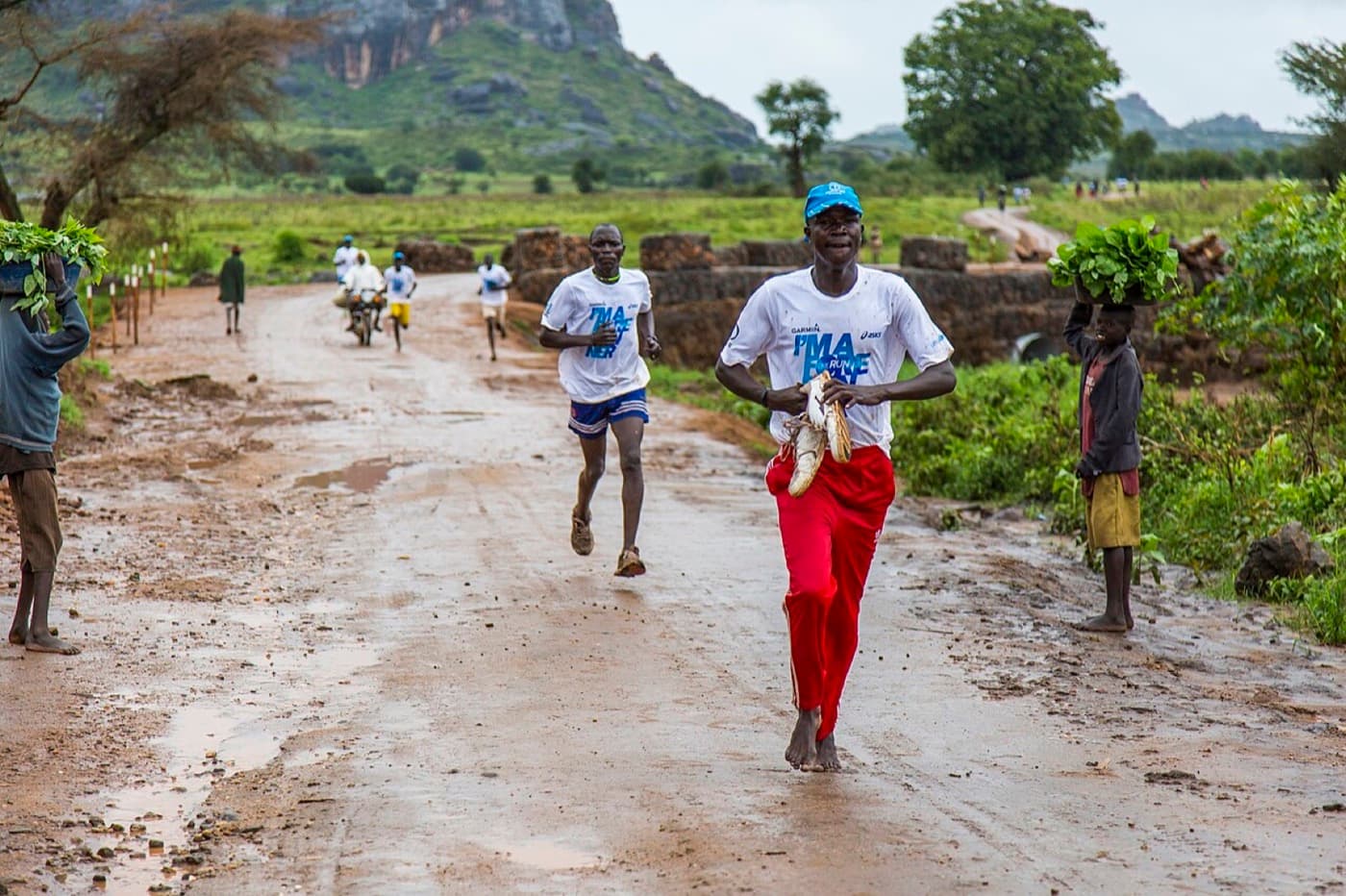
Trail Running
Running off-road on trails, hills and natural terrain, away from pavements and traffic.
Compare Biathlon with…
Deciding between Biathlon and something similar? See how they line up side by side.
Archery vs Biathlon
How they compare on difficulty, intensity, kit and what suits you.
Biathlon vs Cross-Country Skiing
How they compare on difficulty, intensity, kit and what suits you.
Biathlon vs Snowshoeing
How they compare on difficulty, intensity, kit and what suits you.
Biathlon vs Trail Running
How they compare on difficulty, intensity, kit and what suits you.
How it connects
The meaning-bearing relationships that place Biathlon in the wider knowledge graph — each one with the reason it exists.
Alternative to
Comparable enough that people choose between them.
- ArcheryBiathlon and Archery are close enough that the platform maintains a side-by-side comparison of them.
- Cross-Country SkiingBiathlon and Cross-Country Skiing are close enough that the platform maintains a side-by-side comparison of them.
- SnowshoeingBiathlon and Snowshoeing are close enough that the platform maintains a side-by-side comparison of them.
- Trail RunningBiathlon and Trail Running are close enough that the platform maintains a side-by-side comparison of them.
Explore across the knowledge base
Follow the threads that connect Biathlon to the rest of SocialSportHub.
Skills Academy
Glossary
Practice & sessions
Go deeper with Biathlon
Everywhere else on the platform that covers Biathlon — assembled from what actually references it, so nothing here is a dead end.
Compare it
Head-to-head studies against the entities people actually weigh it against.
Kit it out
Equipment guidance drawn from the graph, with no brands and no affiliate links.
Take it away
Open data and the whole-platform view of this subject.
How this page is maintained
- Content type
- Sport
- Provenance
- Tier A — evergreen educational
- Verified external sources
- 0
- Content updated
- 2026-07-06
Evergreen, first-party explanation — it makes no claim that needs an external source. How we handle sources and reviews.
Keep going
A sport is most rewarding alongside good habits, sensible nutrition and people to share it with. Here is where to go next.
How movement supports body and mind.
Eat well to feel and perform better.
Build routines that stick.
Ways to meet others and play together.
Where to play and what to expect.
Browse the full list by category.