
Seniors
How gentle, supported sport can help older adults stay active, mobile and connected, with a professional check first.
Overview
Staying active in later life can support mobility, balance, energy and social connection. Many older adults enjoy gentle, low-impact activities that feel good and can be adapted to any starting point — walking-based sports, swimming and mind-body practices are popular and welcoming.
The right amount and type of activity is individual. It helps to start gently, build up gradually and choose supported, sociable settings such as classes or clubs. Because health needs vary, it is sensible to check with a qualified professional before starting, especially if there are existing conditions.
What works
- Gentle, low-impact activities can be adapted to any starting point.
- Balance and mobility work supports everyday movement.
- Social settings like clubs and classes add connection and routine.
- Starting gently and building up gradually is key.
A note on this guidance
Getting started
- 1Check with a qualified professional first, especially if you have health conditions.
- 2Begin with a gentle, low-impact activity you enjoy, such as walking or swimming.
- 3Look for age-friendly classes or clubs with supportive supervision.
- 4Increase little and often rather than pushing hard early on.
Sports that fit
Great places to start — each with a clear, beginner-friendly guide.
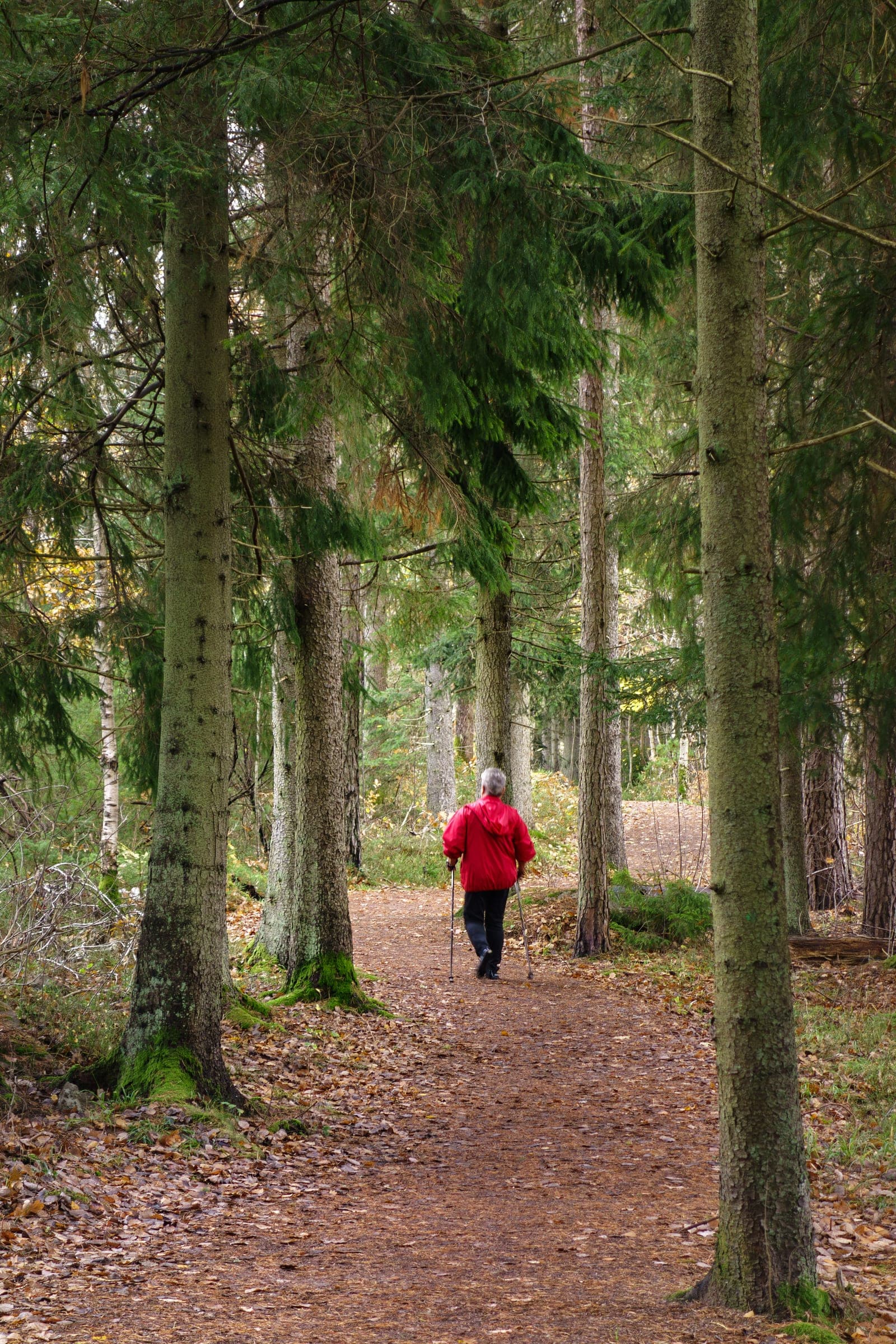
Nordic Walking
A gentle, accessible endurance activity that adds poles to bring the upper body into every walk.
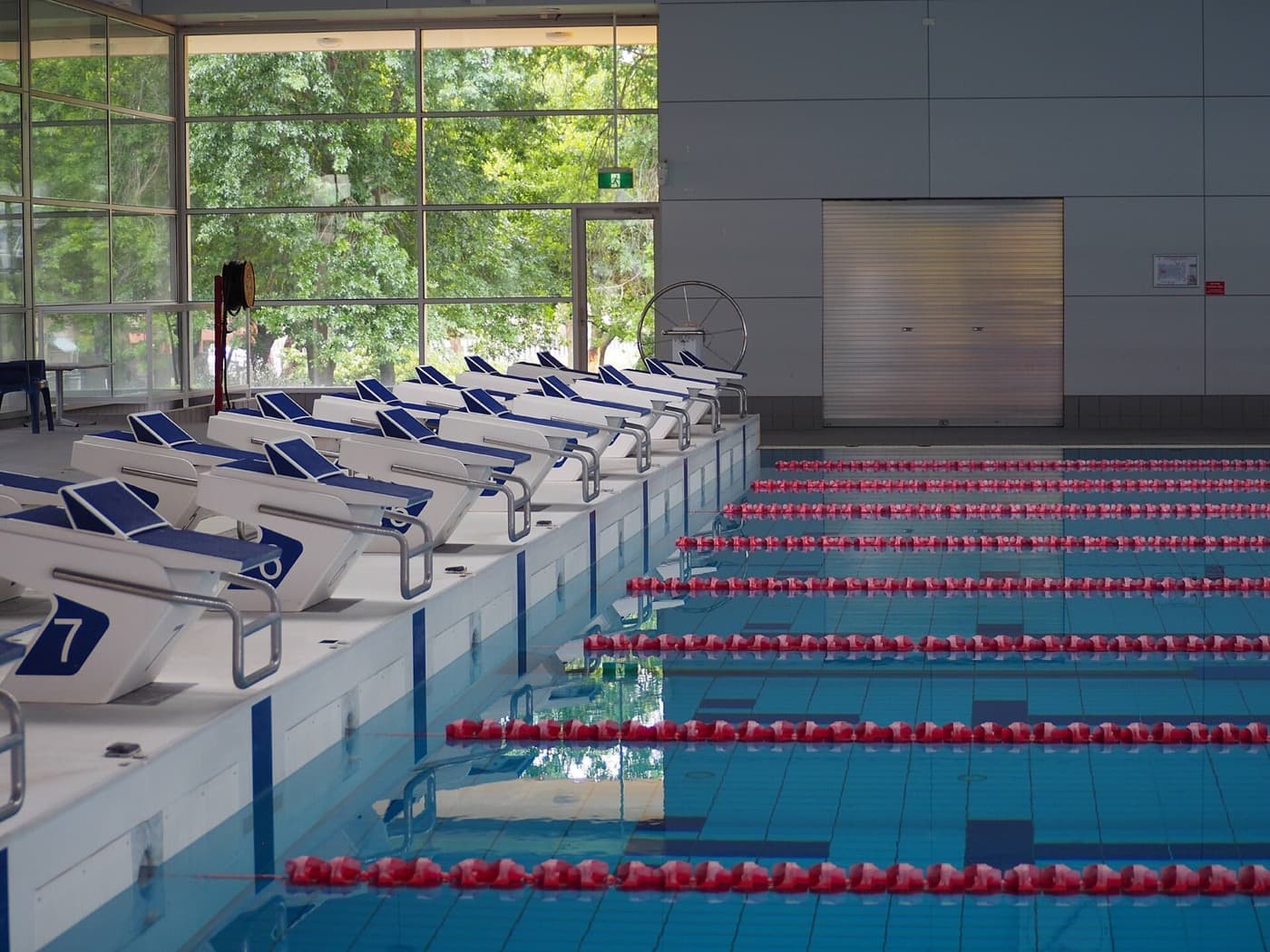
Swimming
A full-body, low-impact endurance sport suitable for almost every age and ability.
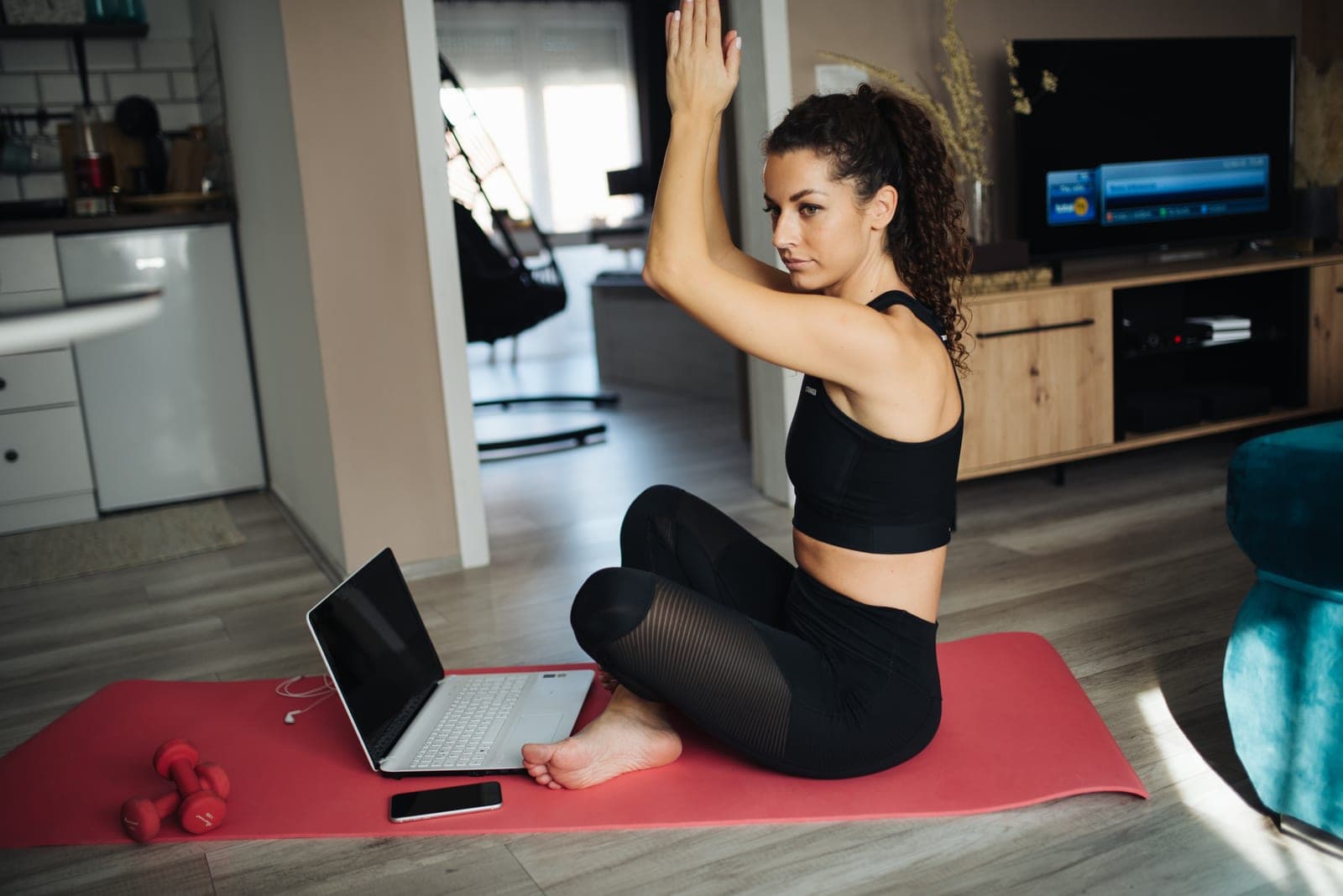
Yoga
A mind-body practice that links postures, breathing and focus to build flexibility, strength and calm.
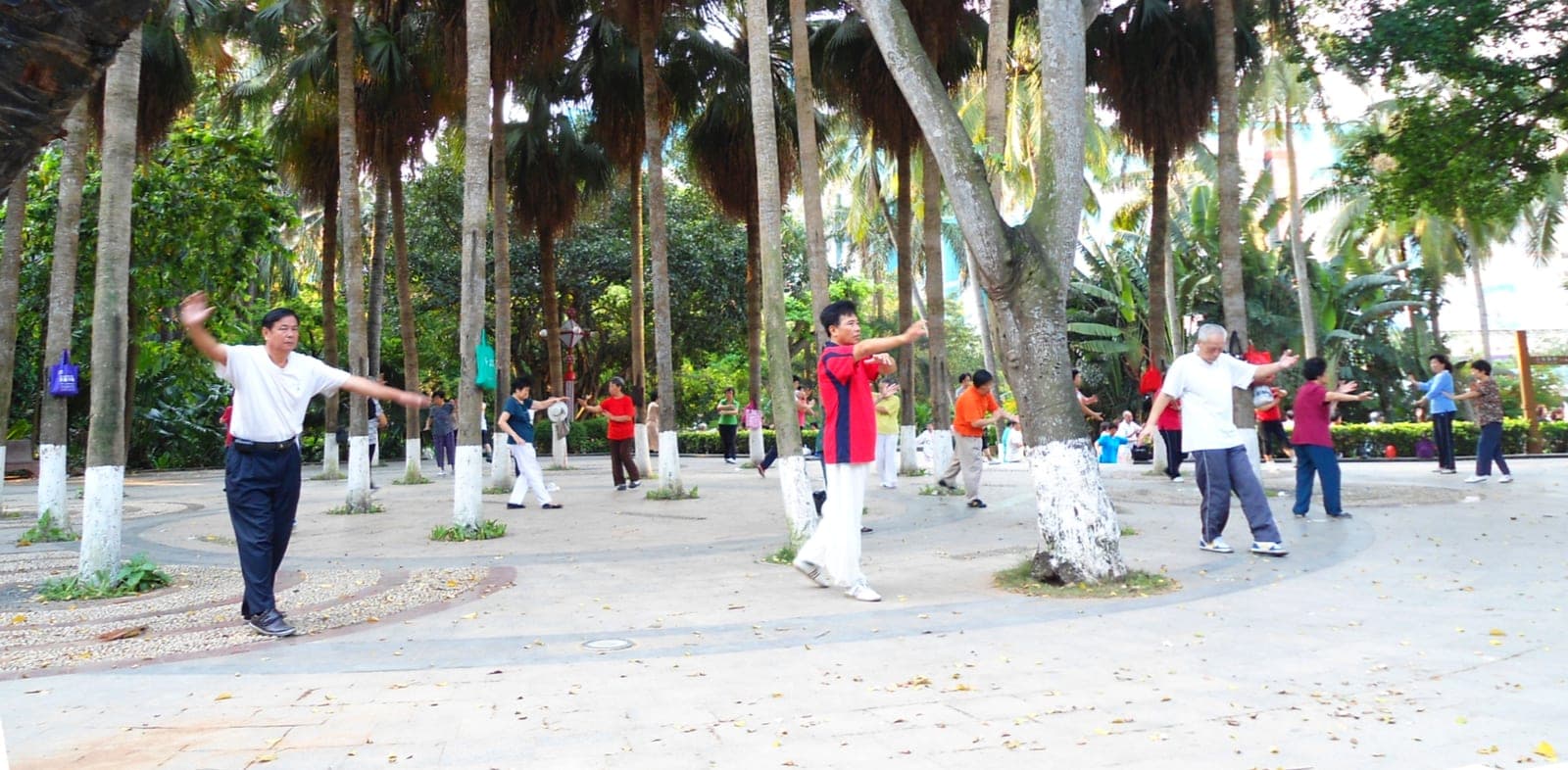
Tai Chi
A gentle mind-body practice of slow, flowing movements that builds balance, mobility and calm.
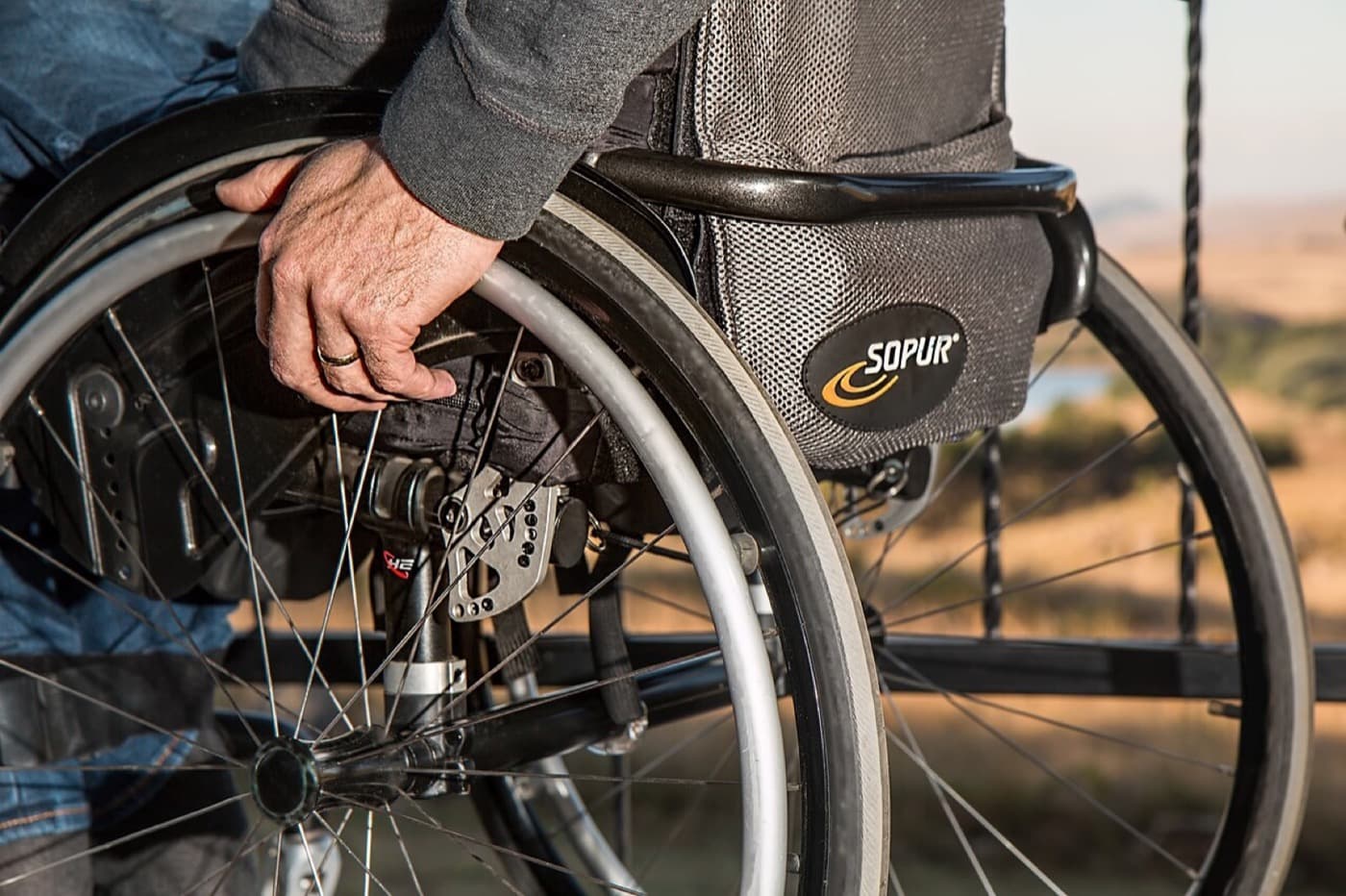
Cycling
A low-impact endurance sport that doubles as transport, exercise and adventure.
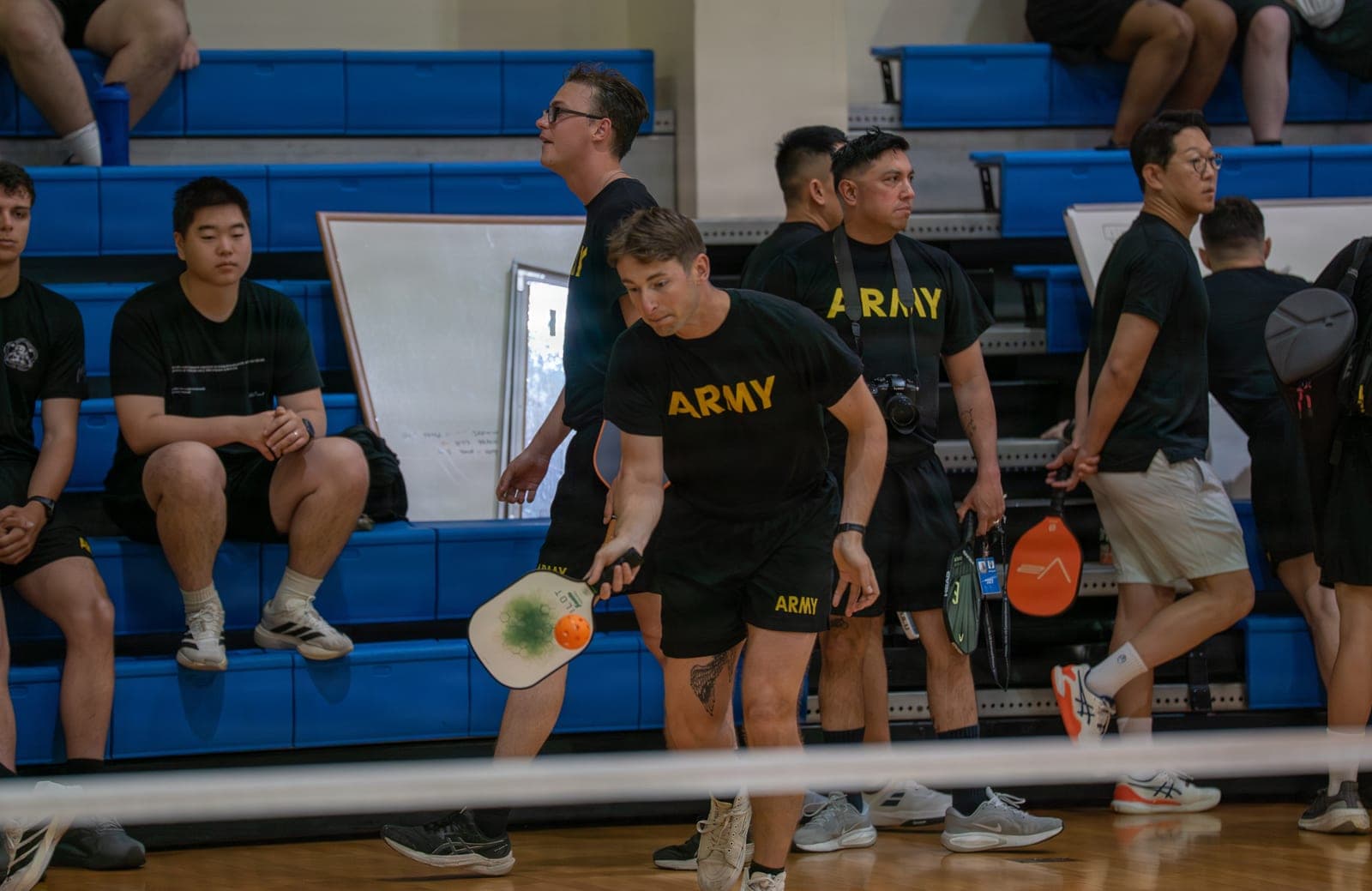
Pickleball
A friendly, easy-to-learn paddle sport played on a small court with a solid paddle and a light, perforated ball.
Goals that fit
Sports for seniors
Gentle, enjoyable ways for older adults to stay active, with guidance where sensible.
Healthy aging
Stay active, steady and independent as you get older with a sustainable mix of gentle cardio, strength and balance work.
Improve balance
Train steadiness and control at any age with simple, progressive balance practice done safely.
Improve mobility
Move your joints more freely and comfortably through their natural range with regular, gentle practice.
Build an active lifestyle
Make movement a natural, lasting part of daily life through activities and habits you genuinely enjoy.
Social activities
Use sport as a way to meet people, make friends and stay connected while staying active.
Ways to train
Exercises and methods that fit — educational, not a prescription.
Squat
A foundational lower-body movement where you bend at the hips and knees to lower down and stand back up.
Goblet squat
A squat variation where you hold a single weight close to your chest for balance and control.
Lunge
A single-leg movement where you step forward and bend both knees to lower your body.
Bulgarian split squat
A single-leg squat where the back foot is raised on a bench behind you.
Step-up
A movement where you step up onto a raised platform one leg at a time and step back down.
Hip hinge
The foundational bending-at-the-hips pattern that underpins deadlifts, swings and picking things up.
Frequently asked questions
What are good sports for older adults?
Gentle, low-impact activities such as walking-based sports, swimming, cycling and mind-body practices like yoga or tai chi are popular and can be adapted to different abilities. The best choice is one you enjoy and can do comfortably. Check with a professional if there are any health concerns.
Is it safe to start sport later in life?
Many people begin or return to activity in later life. Starting gently, building up gradually and choosing supported settings all help. Because needs vary, it is wise to speak with a qualified professional before starting, particularly with existing conditions.
How can seniors improve balance and mobility?
Activities that gently challenge balance and range of motion, such as tai chi, yoga and walking, are commonly enjoyed for this. Working within your comfort and with guidance helps keep it safe. A professional can advise on what suits you.
Explore across the knowledge base
Follow the threads that connect Seniors to the rest of SocialSportHub.
Adaptive sports
- Accessibility in sportHow sport removes barriers — physical, sensory, social and informational — so that disabled people can take part on equal terms.
- Seated SportsSports played from a seated position — on the floor, on a bench or in a chair — so that people who benefit from a stable seated base can take part.
Recommendations
- Recommended for “Sports for seniors”Sports, qualities, a learning path and first steps for “Sports for seniors” — every suggestion a real graph link, shown with its reason.
- Recommended for “Healthy aging”Sports, qualities, a learning path and first steps for “Healthy aging” — every suggestion a real graph link, shown with its reason.
How this page is maintained
- Content type
- For people like you
- Provenance
- Tier A — evergreen educational
- Verified external sources
- 0
- Content updated
- 2026-07-09
Evergreen, first-party explanation — it makes no claim that needs an external source. How we handle sources and reviews.