
Getting started in adaptive sport
A gentle, practical introduction to finding a first adaptive or inclusive sport, a welcoming session and a way in that suits you.
Overview
Getting started in adaptive sport is about finding a welcoming way in — a sport, a session and a setting that suit you. Many people begin with an inclusive or 'come and try' session, where sport-specific equipment can often be borrowed and coaches are used to adapting an activity to the person in front of them. There is no single right entry point: some start at a mainstream club that runs inclusive sessions, others with a group set up specifically for disabled athletes.
The most useful first steps are usually small ones — choosing a sport that appeals, finding a nearby session, and going along to watch or try. This is general educational information about how people commonly get involved. For advice tailored to a specific disability or health condition — including whether a particular activity is suitable — the sport's governing body and a qualified professional are the right people to ask.
What to know
- Getting started means finding a sport, session and setting that feel welcoming and suit you.
- Many people begin with an inclusive or 'come and try' session where equipment can often be borrowed.
- There is no single entry point — mainstream clubs, disability-sport groups and local facilities can all be a way in.
- Trying a few options is normal; the best sport is usually the one you enjoy and can get to easily.
- Coaches in adaptive settings are used to adjusting an activity to the individual.
In practice
- It is fine to watch a session first, ask questions, and take things at your own pace.
- Borrowing sport-specific equipment for a first try is common, so you rarely need to buy anything to begin.
- Facilities and clubs vary a lot in what they offer, so it is worth asking what inclusive sessions are available nearby.
- For advice about a specific disability or health condition — including suitability — ask the sport's governing body and a qualified professional.
Educational & inclusive
Related sports
Sports that connect to this topic — each with a clear, beginner-friendly guide.
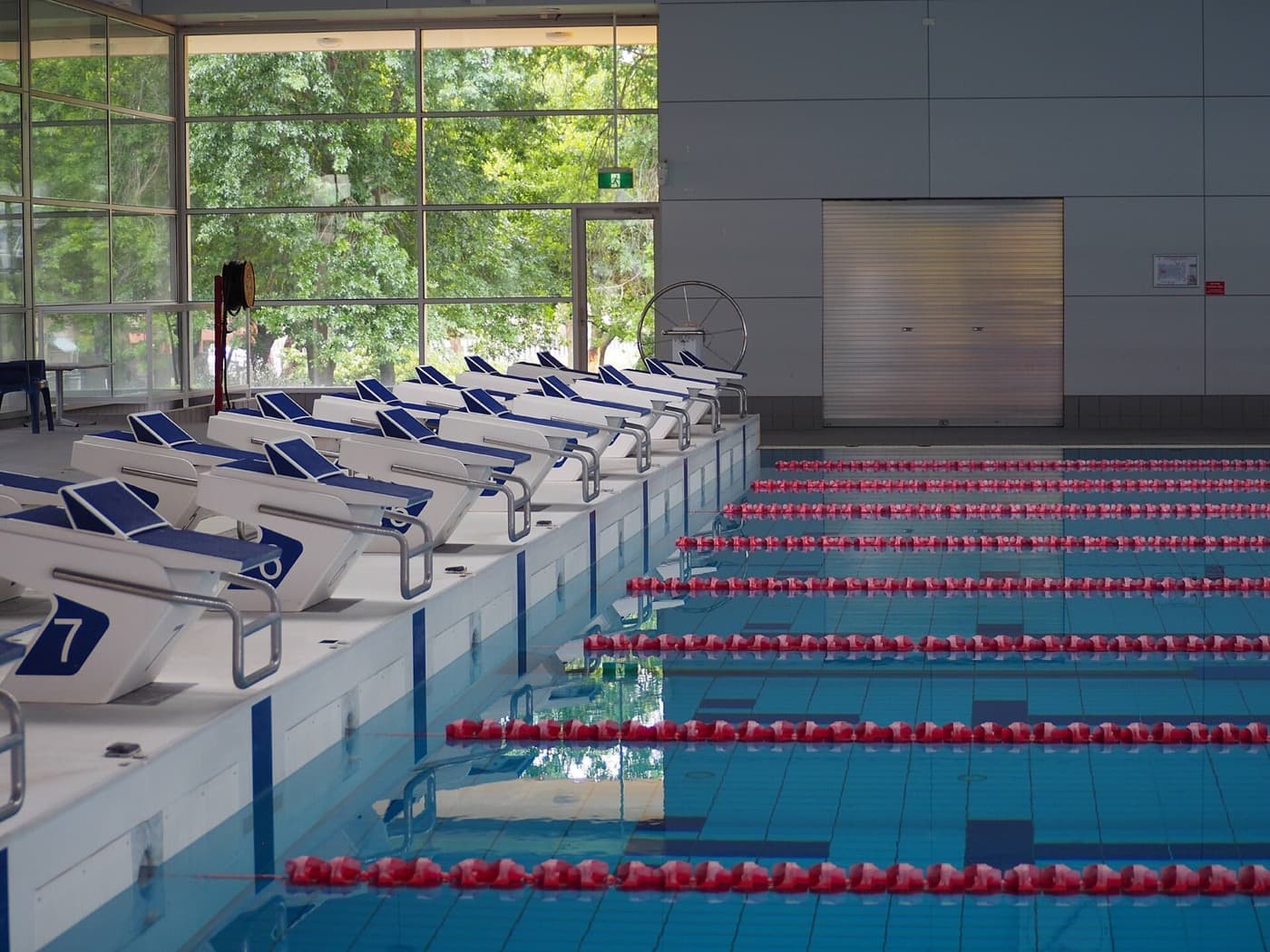
Swimming
A full-body, low-impact endurance sport suitable for almost every age and ability.
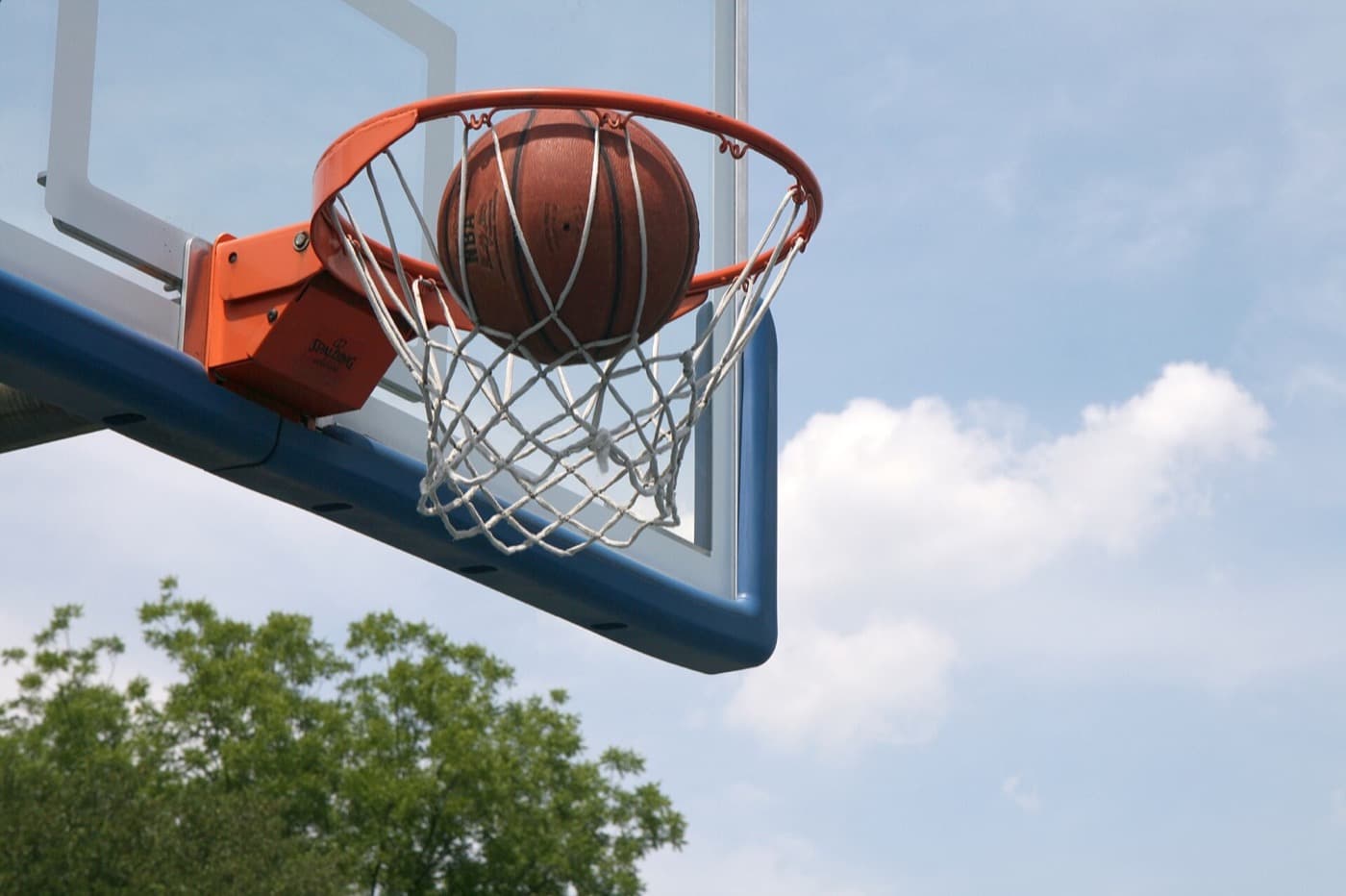
Basketball
A fast, dynamic team sport of running, jumping and quick decisions on court.
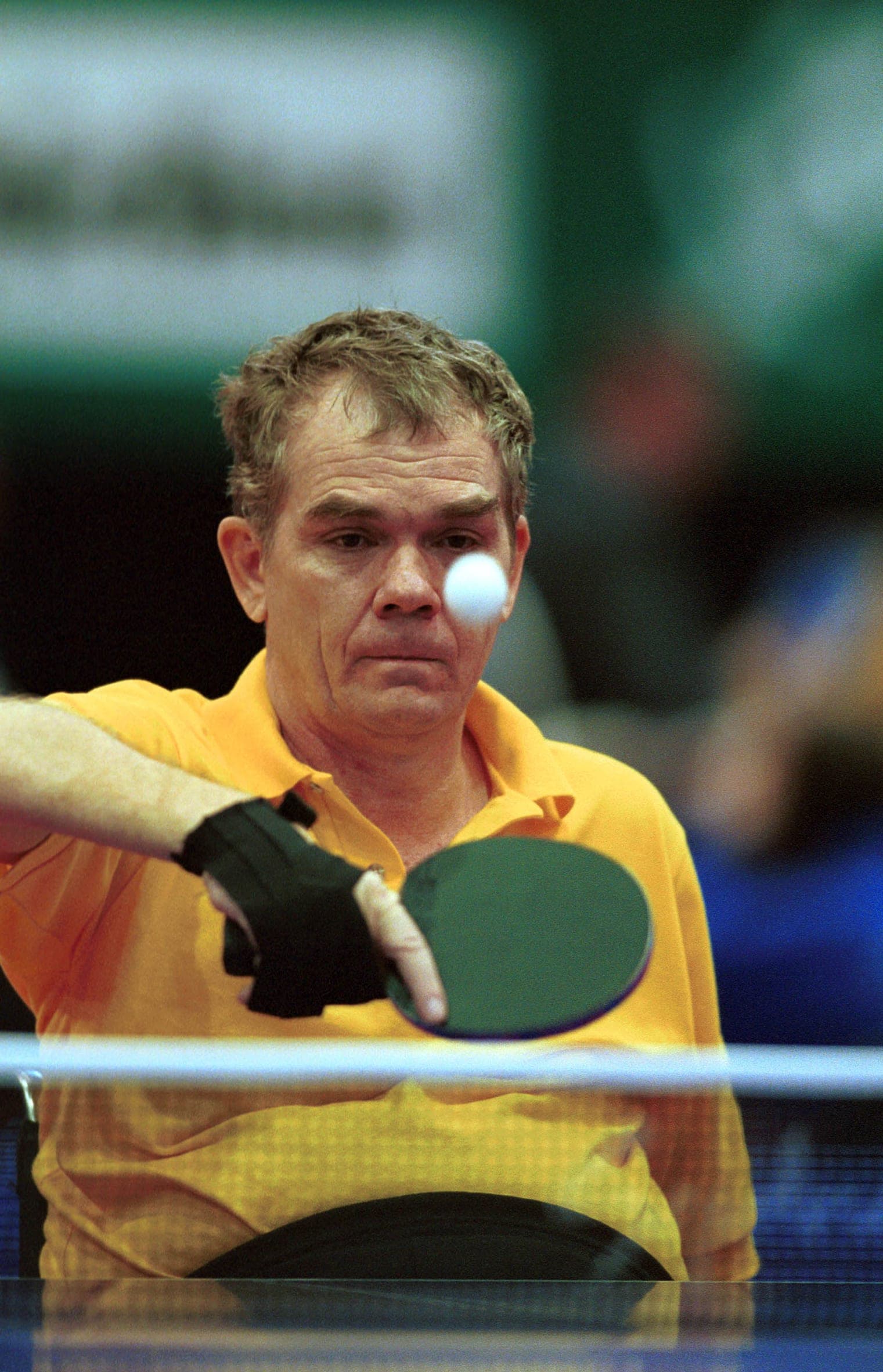
Table Tennis
A fast, low-impact indoor racquet sport that sharpens reflexes and is easy to start.
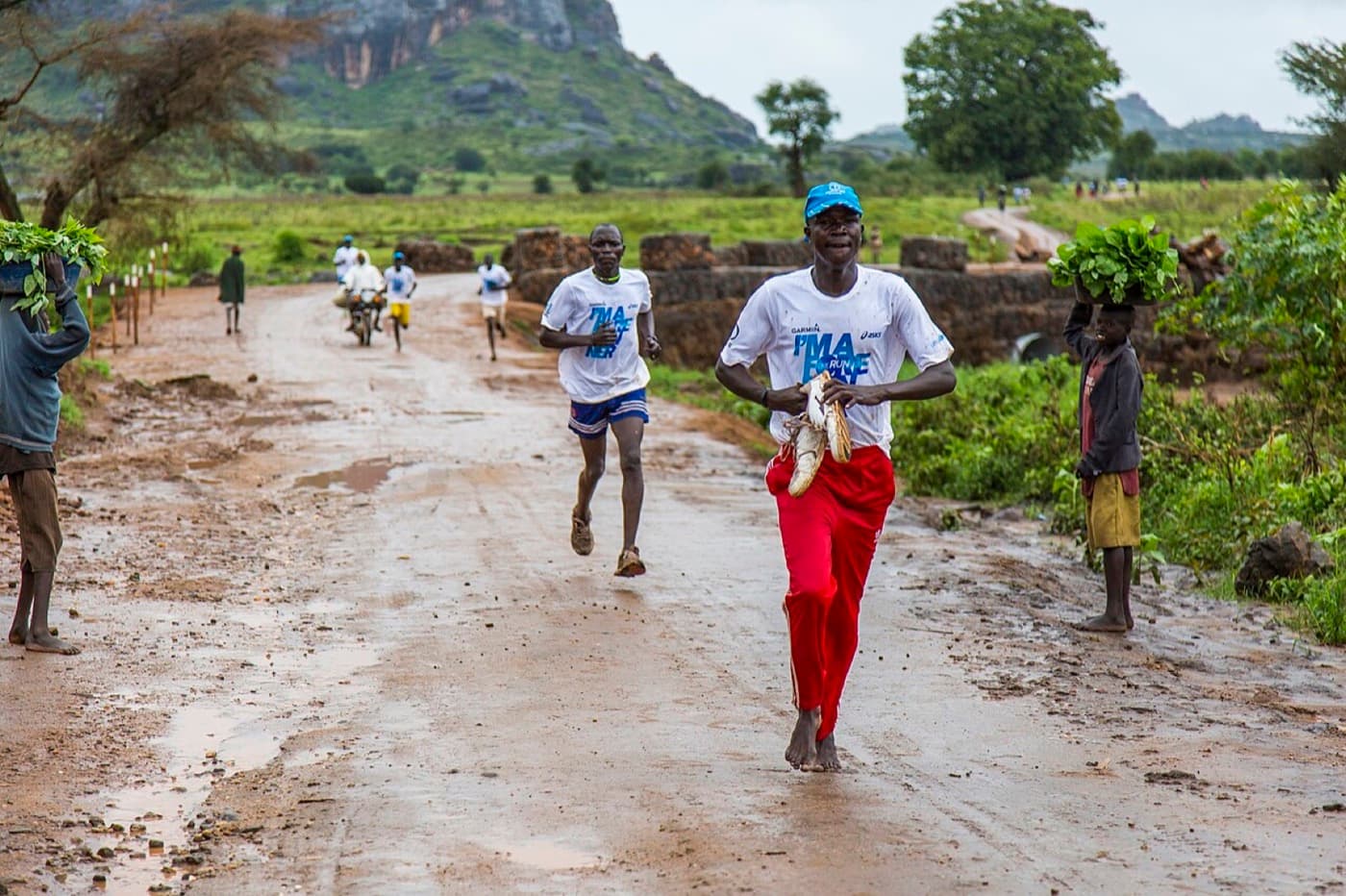
Running
The most accessible endurance sport — no venue, just shoes and the open road or trail.
Goals it supports
Become more active
Add regular, gentle movement to your everyday life and build up from a sedentary start at your own pace.
Build confidence
Use sport and steady progress to feel more capable, comfortable and self-assured over time.
Build an active lifestyle
Make movement a natural, lasting part of daily life through activities and habits you genuinely enjoy.
Social activities
Use sport as a way to meet people, make friends and stay connected while staying active.
Frequently asked questions
How do I get started in adaptive sport?
A common way in is to try an inclusive or 'come and try' session, where equipment can often be borrowed and coaches are used to adapting the activity to the person. There is no single right starting point — mainstream clubs, disability-sport groups and local facilities can all help. For guidance about a specific disability or health condition, the sport's governing body and a qualified professional are the right sources.
Do I need my own equipment to begin?
Often not. Many first sessions let you borrow sport-specific equipment, such as a sports wheelchair, so you can try a sport before deciding whether to invest. What you need varies by sport and by person, so it is worth asking the session organiser or the sport's governing body.
Explore across the knowledge base
Follow the threads that connect Getting started in adaptive sport to the rest of SocialSportHub.
People
Healthy living
Beginner guides
- Your First Cycling Session: What to ExpectA first cycling session is usually a relaxed introduction to getting comfortable on the bike — finding your balance, pedalling smoothly, steering, and stopping safely — at a pace that suits you rather than a test of fitness or speed.
- How to Choose a Sport as a BeginnerA calm, practical way to pick a first sport that fits your interests, your body, your budget and your life — with full permission to try a few and change your mind.
- How to Join a Beginner Group or ClassA warm, practical walk-through of joining a beginner sports group or class — what they are like, how to find one, and what a first session tends to feel like.
- Your First Padel SessionA warm, honest look at what your very first padel session actually involves — the doubles court, the walls, and the easygoing rallying that makes it so welcoming to newcomers.
- How to Prepare for Your First SessionA calm, practical walkthrough of getting ready for your very first session of any sport — arriving prepared, easing the nerves, and setting one small, realistic aim.
Knowledge Atlas
Practice & sessions
How this page is maintained
- Content type
- Adaptive sports topic
- Provenance
- Tier A — evergreen educational
- Verified external sources
- 0
- Content updated
- 2026-07-09
Evergreen, first-party explanation — it makes no claim that needs an external source. How we handle sources and reviews.