
Healthy aging
Stay active, steady and independent as you get older with a sustainable mix of gentle cardio, strength and balance work.
How sport helps
Healthy aging is about staying active, independent and doing the things you enjoy for as long as possible. Everyone ages differently, and it is never too early or too late to build helpful movement habits.
Regular physical activity is widely linked to maintaining strength, balance, mobility and general wellbeing as people get older. A mix of gentle cardio, strength and balance work is often suggested, and activity can be adapted to almost any level with sensible guidance.
- Keeping active is widely linked to maintaining strength and mobility, which support everyday independence.
- Balance-focused activities such as tai chi are often associated with feeling steadier on your feet.
- Regular movement supports general fitness and wellbeing and can be an enjoyable, social part of daily life.
- Activities can be adapted to suit different levels of fitness, joint comfort and experience.
A note on health information
Getting started
- 1Choose low-impact, enjoyable activities to begin with, and build up gradually at a pace that feels comfortable.
- 2Include a mix of gentle cardio, some strengthening and some balance work over the week where you can.
- 3Warm up gently and listen to your body, easing off if something does not feel right.
- 4If you have a health condition, are new to exercise or are returning after a long break, check with a doctor before starting and get supervision where sensible.
Good sports for this goal
Great places to start — each with a clear, beginner-friendly guide.
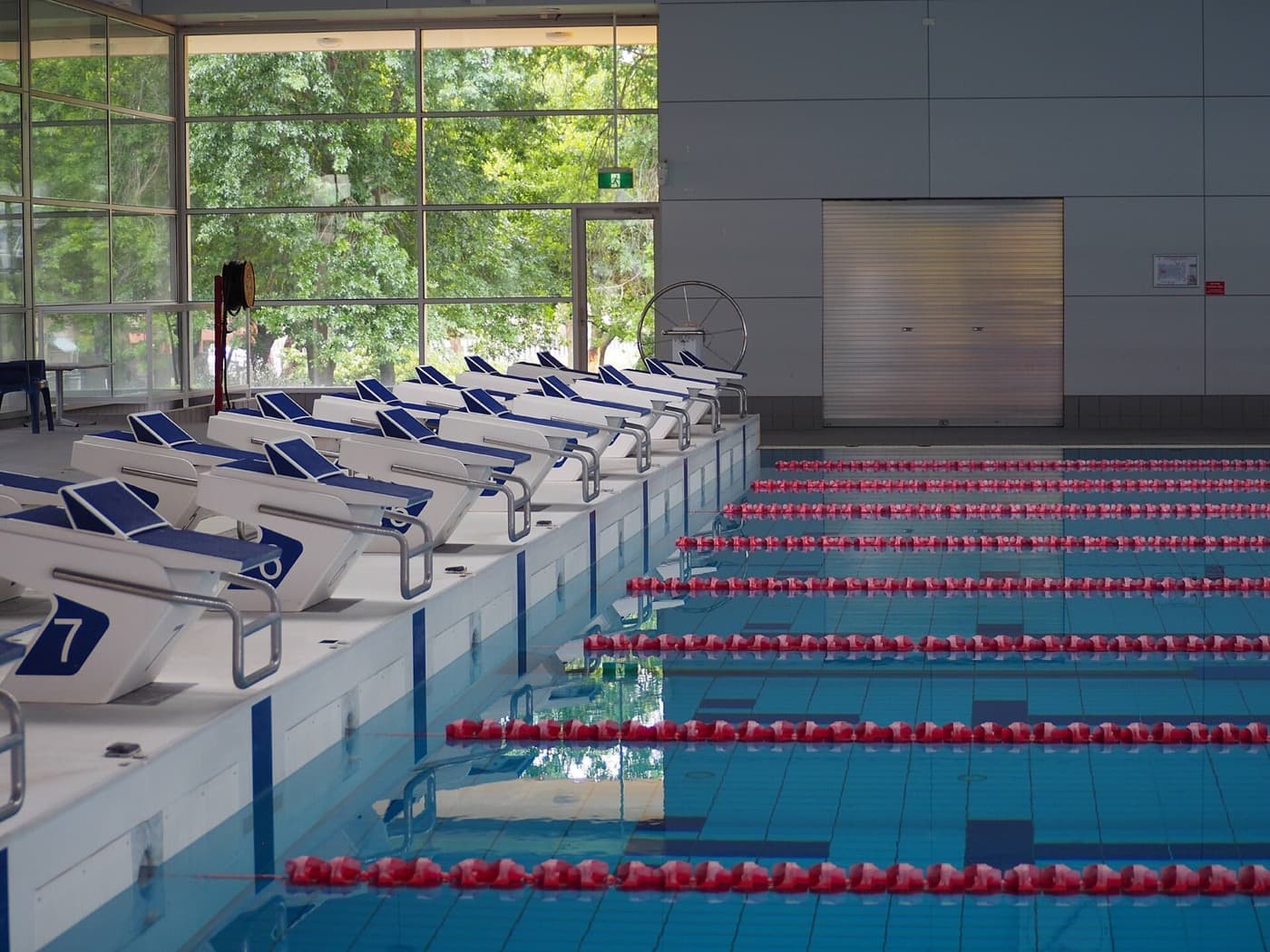
Swimming
A full-body, low-impact endurance sport suitable for almost every age and ability.
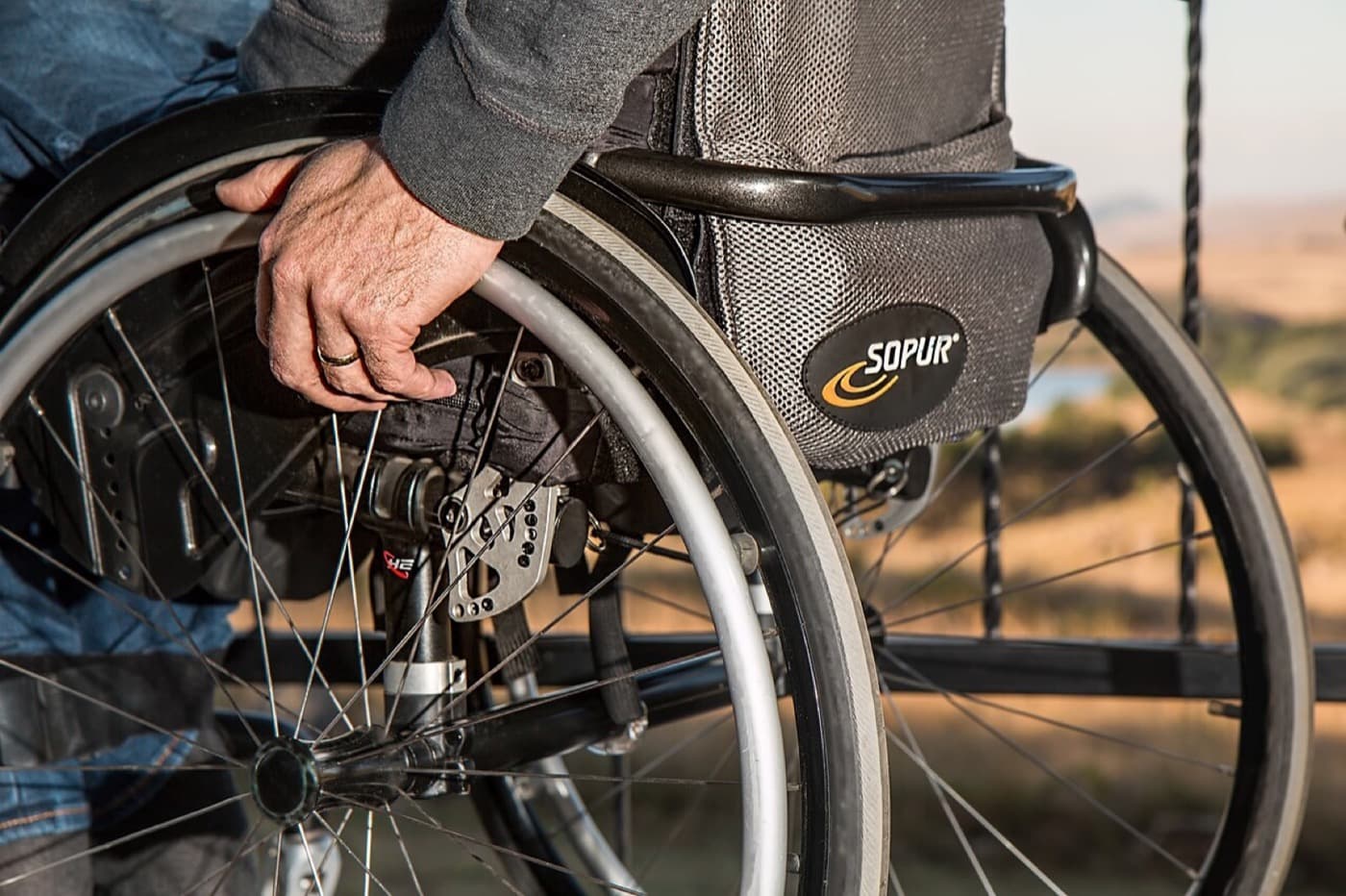
Cycling
A low-impact endurance sport that doubles as transport, exercise and adventure.
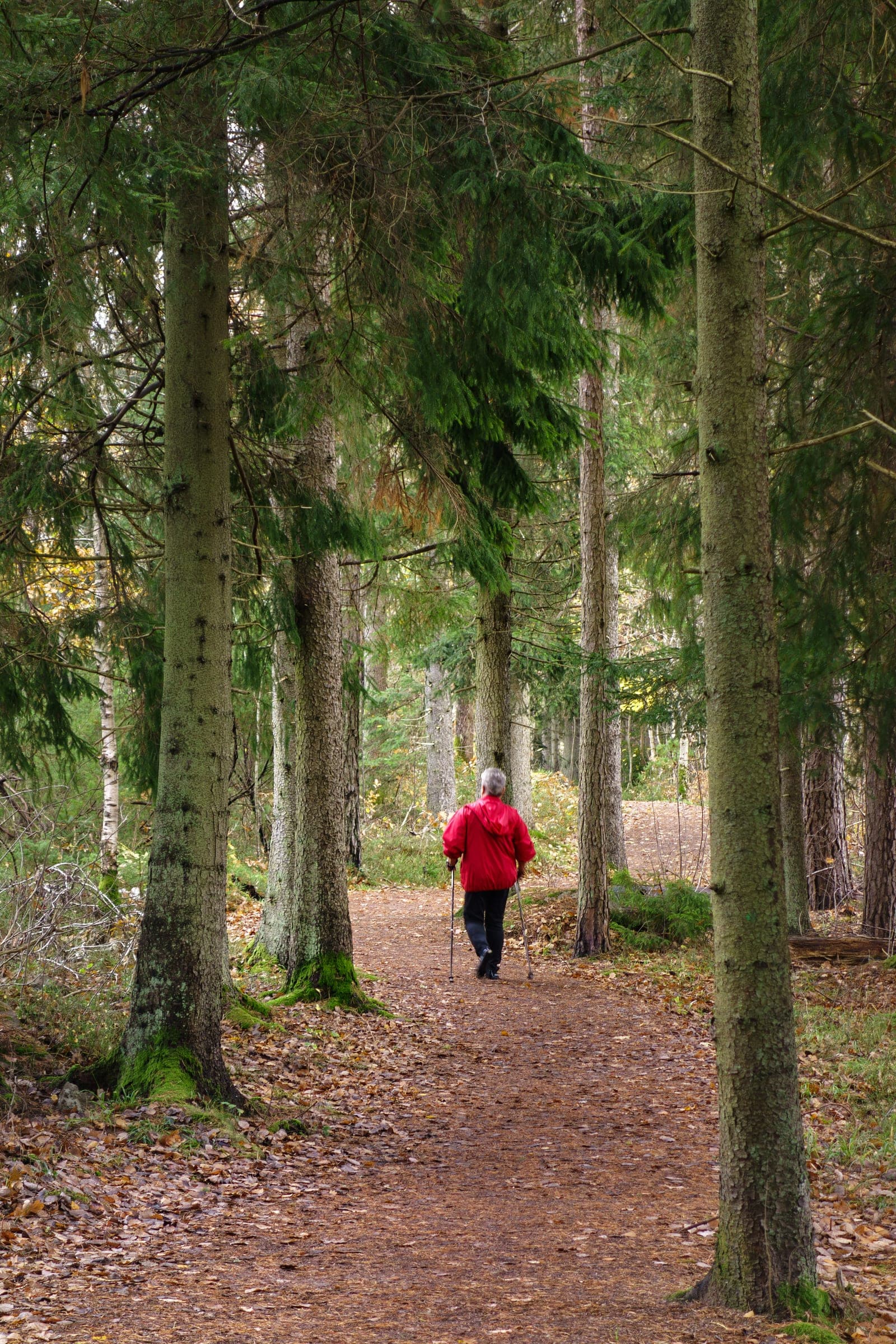
Nordic Walking
A gentle, accessible endurance activity that adds poles to bring the upper body into every walk.
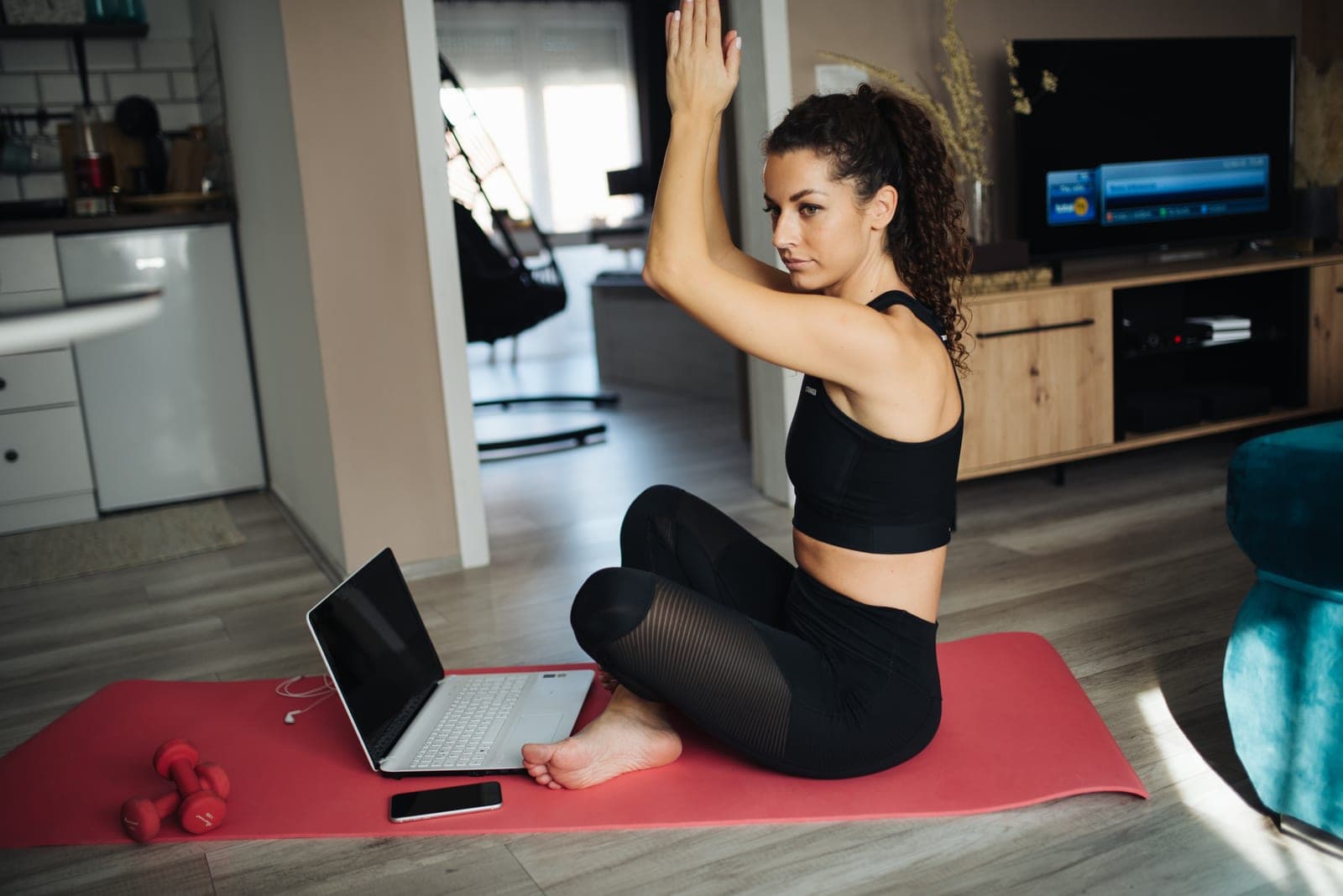
Yoga
A mind-body practice that links postures, breathing and focus to build flexibility, strength and calm.
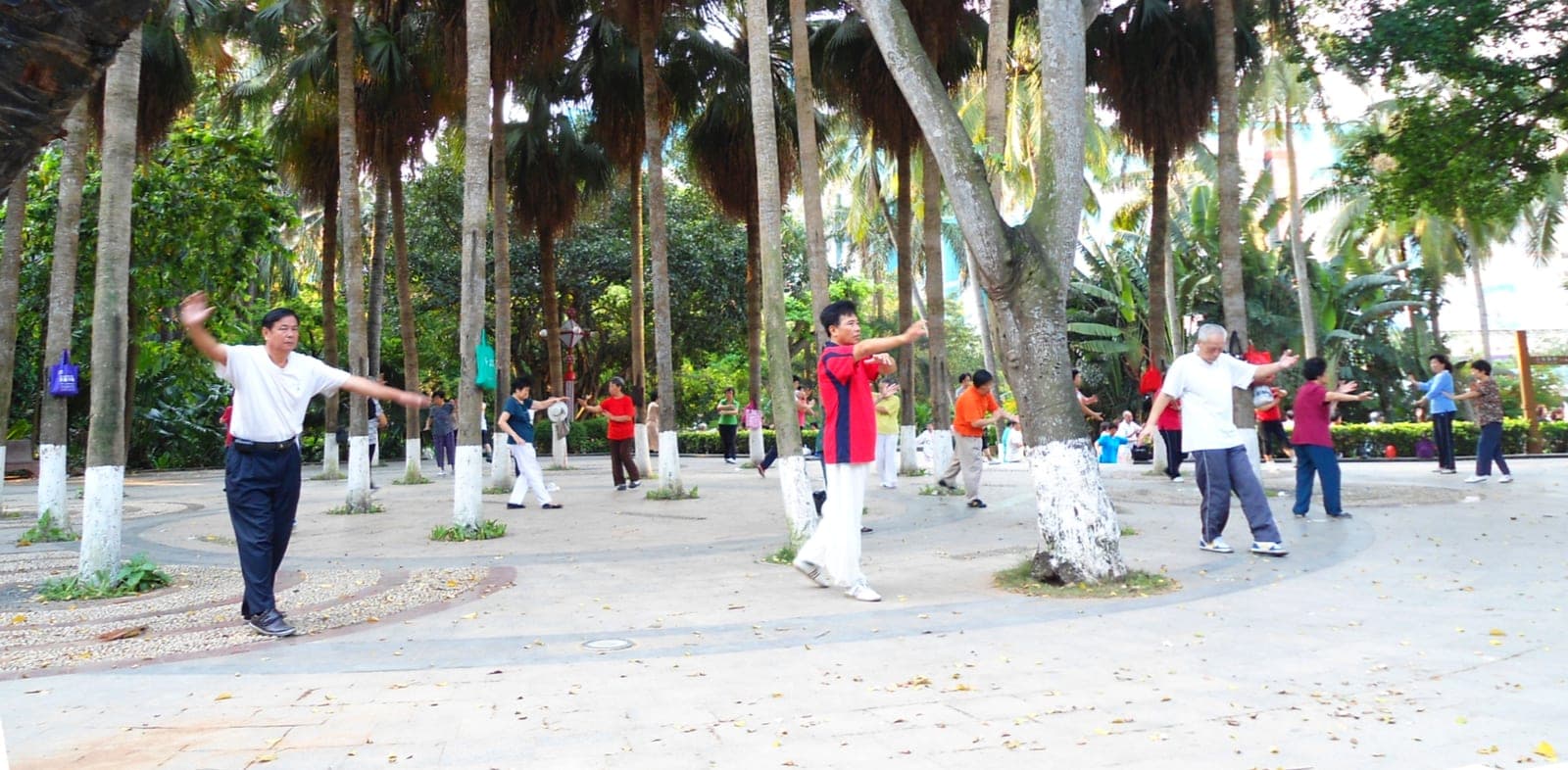
Tai Chi
A gentle mind-body practice of slow, flowing movements that builds balance, mobility and calm.
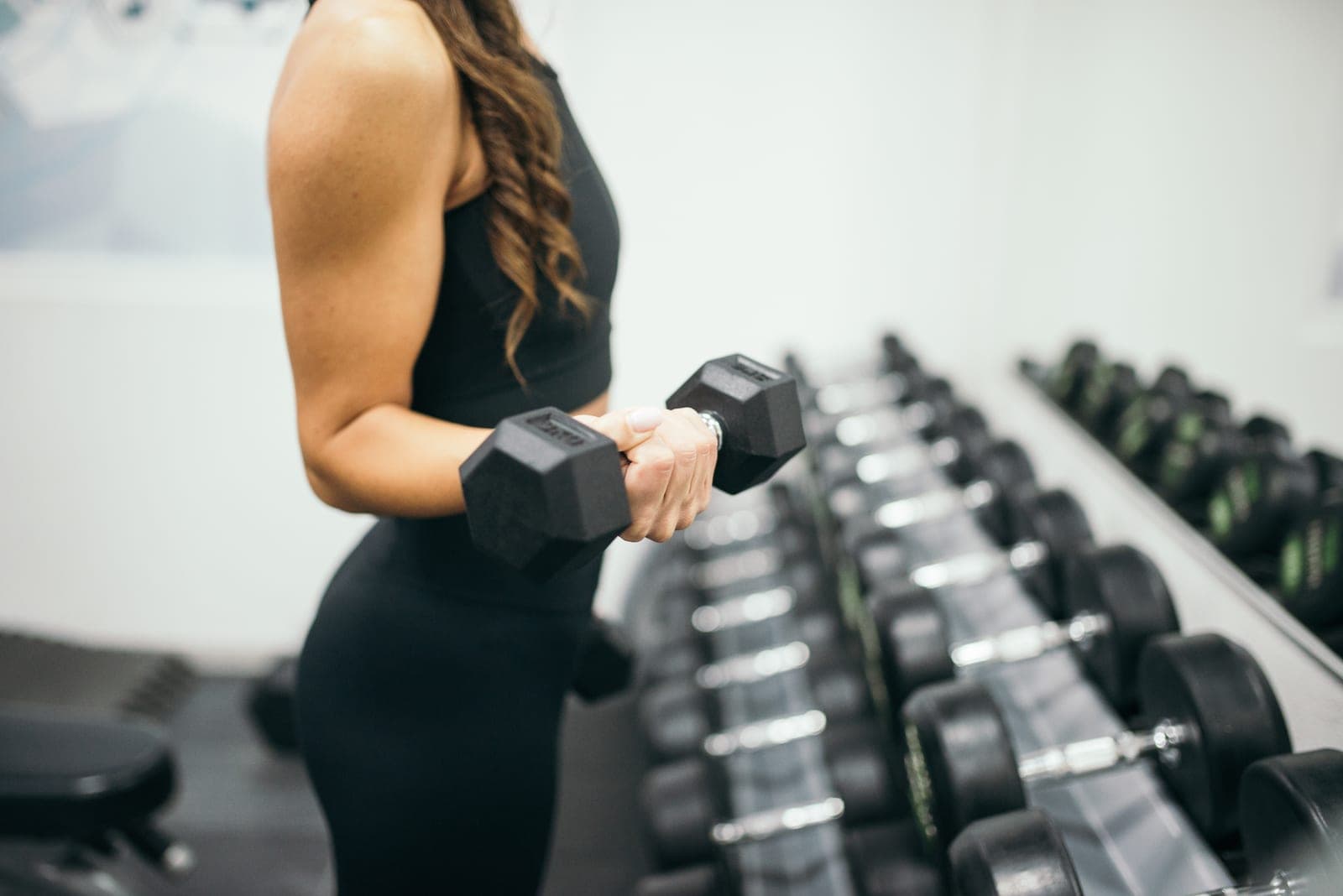
Fitness
Strength and general fitness training — the foundation that supports every other sport.
Train for it
Exercises and methods that build what this goal needs — educational, not a prescription.
Squat
A foundational lower-body movement where you bend at the hips and knees to lower down and stand back up.
Goblet squat
A squat variation where you hold a single weight close to your chest for balance and control.
Lunge
A single-leg movement where you step forward and bend both knees to lower your body.
Bulgarian split squat
A single-leg squat where the back foot is raised on a bench behind you.
Step-up
A movement where you step up onto a raised platform one leg at a time and step back down.
Hip hinge
The foundational bending-at-the-hips pattern that underpins deadlifts, swings and picking things up.
Frequently asked questions
Is it ever too late to start being active?
No. Many people begin or return to activity later in life and find it worthwhile. The key is to start gently, build up gradually and choose activities that suit your current level, ideally with guidance if you are unsure.
What types of activity matter most as we age?
A balanced mix is often suggested: gentle cardio for general fitness, some strength work to help maintain muscle, and balance activities to help you stay steady. What matters most is finding a sustainable routine you enjoy and will keep up.
Do I need to check with a doctor first?
It is a sensible idea, especially if you have a health condition, take regular medication, are new to exercise or are coming back after a long break. A doctor can help you start safely, and supervision can help where it makes sense.
Related goals
Improve balance
Train steadiness and control at any age with simple, progressive balance practice done safely.
Improve mobility
Move your joints more freely and comfortably through their natural range with regular, gentle practice.
Sports for seniors
Gentle, enjoyable ways for older adults to stay active, with guidance where sensible.
Build muscle
Challenge your muscles with regular resistance training and steady recovery to build strength over time.
Become more active
Add regular, gentle movement to your everyday life and build up from a sedentary start at your own pace.
Improve cardiovascular health
Regular activity is widely linked with supporting heart and circulatory health as part of a balanced routine.
Who & where this fits
This goal fits all kinds of people and lifestyles.
How it connects
The meaning-bearing relationships that place Healthy aging in the wider knowledge graph — each one with the reason it exists.
Achieved through
Routes people take towards this goal.
- SwimmingSwimming is one of the sports listed under the “Healthy aging” goal.
- CyclingCycling is one of the sports listed under the “Healthy aging” goal.
- Nordic WalkingNordic Walking is one of the sports listed under the “Healthy aging” goal.
- YogaYoga is one of the sports listed under the “Healthy aging” goal.
- Tai ChiTai Chi is one of the sports listed under the “Healthy aging” goal.
Explore across the knowledge base
Follow the threads that connect Healthy aging to the rest of SocialSportHub.
Recommendations
- Recommended for “Healthy aging”Sports, qualities, a learning path and first steps for “Healthy aging” — every suggestion a real graph link, shown with its reason.
- Recommended for “Sports for seniors”Sports, qualities, a learning path and first steps for “Sports for seniors” — every suggestion a real graph link, shown with its reason.
Healthy living
- Reducing SittingBreaking up long, unbroken stretches of sitting with small, regular movement through the day.
- Recovery SleepThe role rest plays in helping your body recover, adapt and feel ready after training and active days.
- Balanced MealsA simple, flexible way to build meals with variety and enough of what your body needs — no strict diet required.
- Whole FoodsChoosing more foods in close to their natural state — a simple, flexible idea that fits almost any way of eating.
- Healthy CookingCooking more at home gives you simple control over what goes into your food — and it is easier than it looks.
Movement patterns
- GaitThe cyclic, alternating single-leg pattern of walking and running that carries the body across the ground — the base of most field and endurance sport.
- SquatA knee-dominant pattern: bending the hips, knees and ankles to lower and rise while keeping the torso upright — the foundation of lower-body strength.
- LungeA split-stance, single-leg-emphasis pattern: stepping or dropping into a staggered stance and pushing back up to build single-leg strength, balance and stability.
- CarryHolding and transporting a load while keeping the trunk braced and stable — an anti-movement pattern that builds grip, core stability and full-body strength.
- HingeA hip-dominant pattern: bend forward at the hips with a flat back, minimal knee bend, then drive the hips tall — powers pulling from the floor and jumping.
How this page is maintained
- Content type
- Life goal
- Provenance
- Tier A — evergreen educational
- Verified external sources
- 0
- Content updated
- 2026-09-22
Evergreen, first-party explanation — it makes no claim that needs an external source. How we handle sources and reviews.