
Always travelling
When you are often away from home, sport has to travel with you — bodyweight options, hotel-room routines and activity that needs no local club.
Overview
Frequent travel breaks the routines that hold a sport habit together — the familiar gym, the regular class, the usual route. The answer is to make your activity independent of place: a short bodyweight routine works in any hotel room, a pair of running shoes turns a new city into a route, and a swim or gym session is available almost anywhere.
Keeping the plan simple and portable means a trip no longer resets your progress. A few reliable moves you can do without equipment, plus one outdoor option, cover most situations you will land in.
What helps
- Bodyweight routines need no gym and travel in your suitcase.
- Running turns any new place into an easy, familiar activity.
- A short, repeatable plan beats improvising in every new location.
- Walking to explore counts — travel can add movement, not just remove it.
Getting started
- 1Learn a short bodyweight circuit you can do in a small room.
- 2Pack running shoes and treat them as your default option.
- 3Keep the plan the same wherever you are so it needs no thought.
- 4Use walking to explore as a genuine part of your activity.
Sports that work around it
Great places to start — each with a clear, beginner-friendly guide.
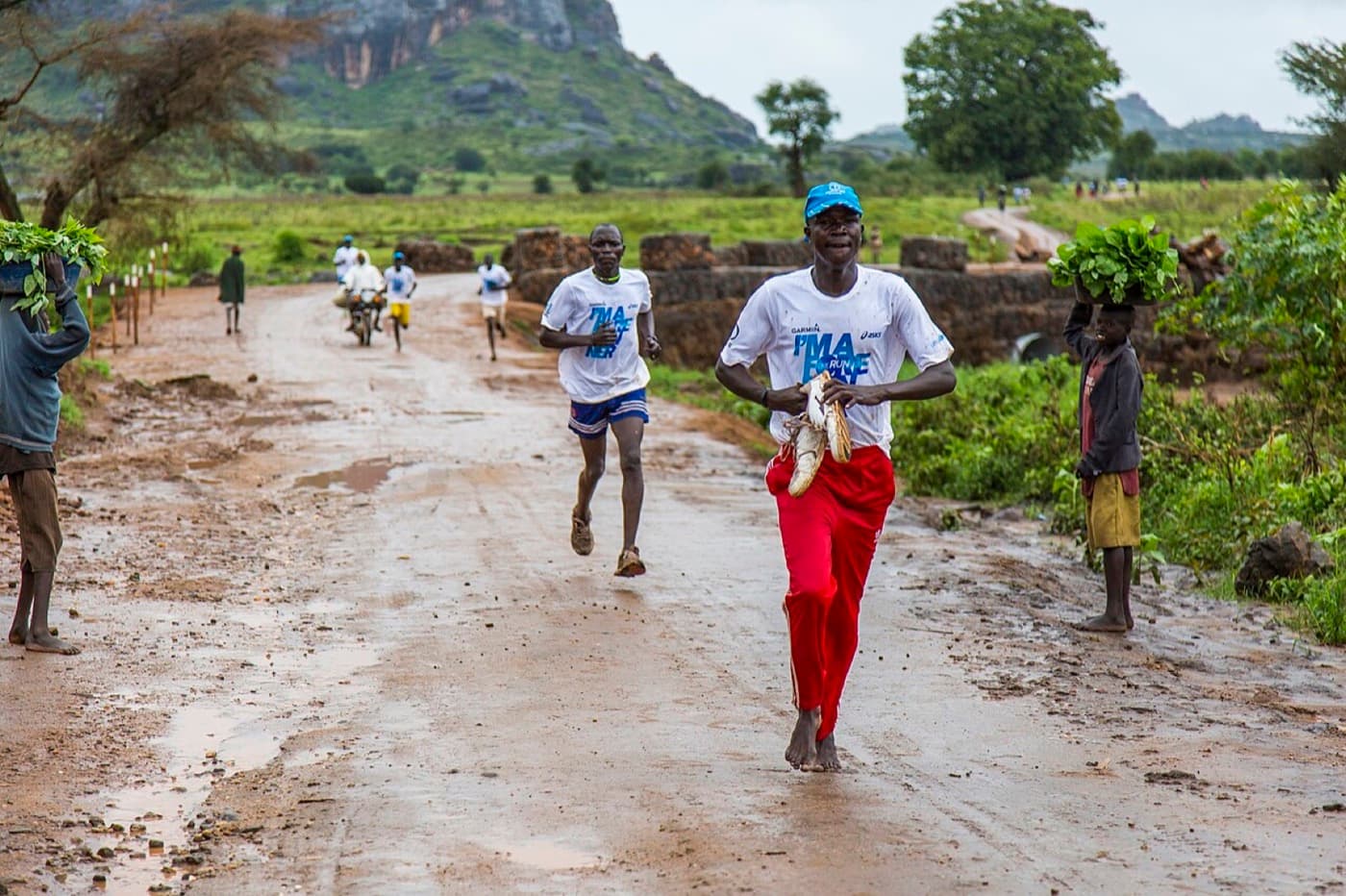
Running
The most accessible endurance sport — no venue, just shoes and the open road or trail.
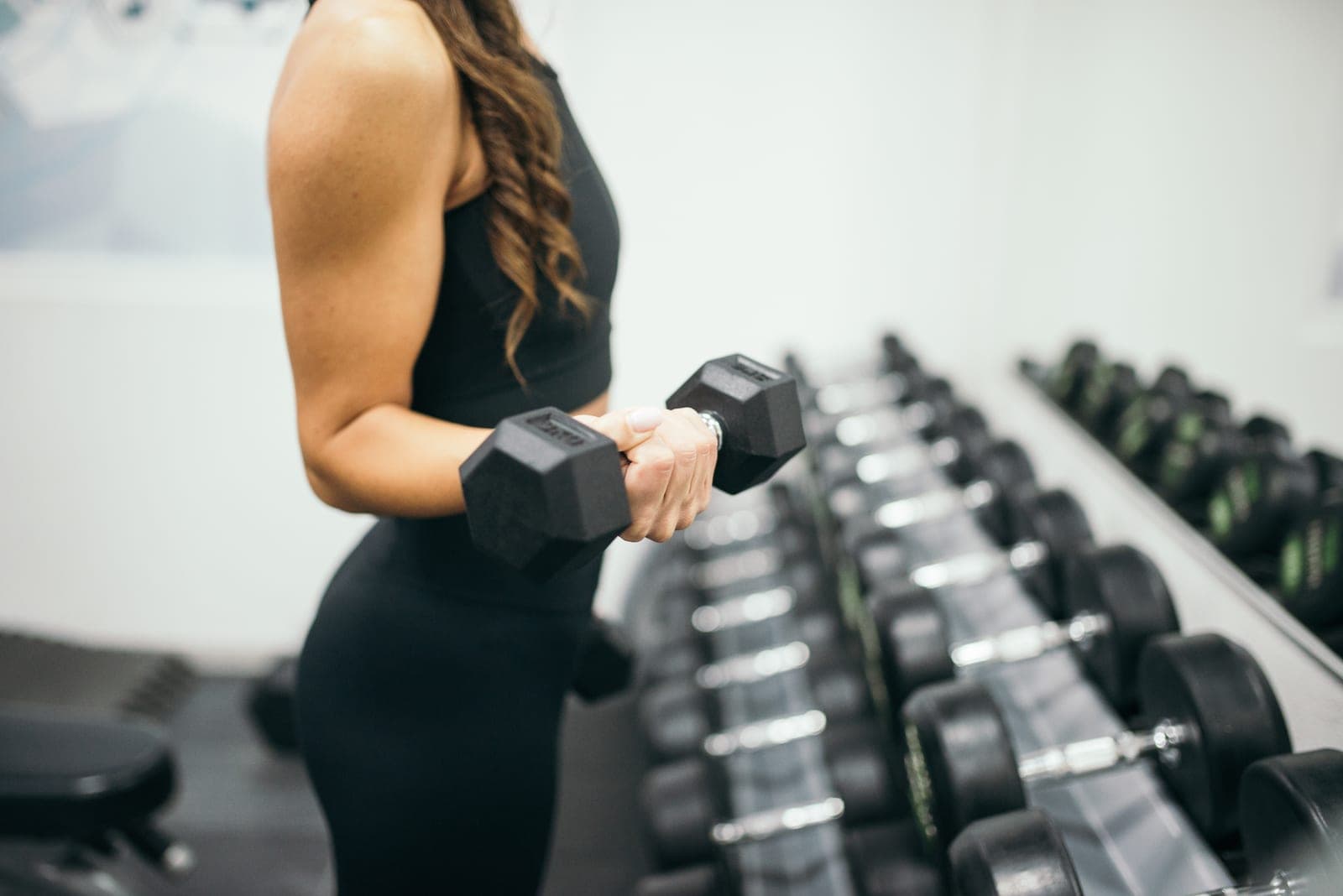
Fitness
Strength and general fitness training — the foundation that supports every other sport.
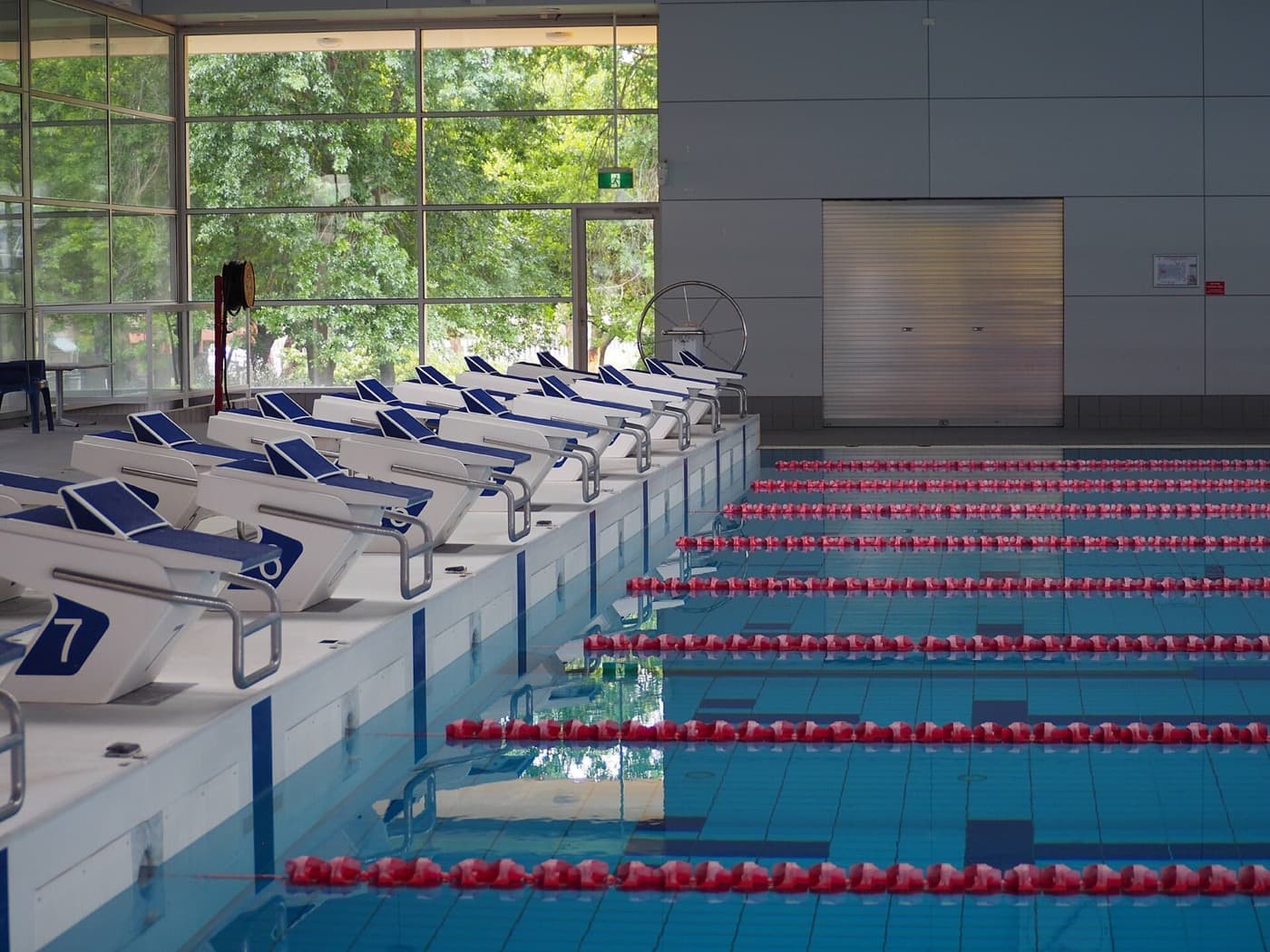
Swimming
A full-body, low-impact endurance sport suitable for almost every age and ability.
Goals that fit
Build healthy habits
Using sport and routine to make regular activity a lasting part of everyday life.
Build an active lifestyle
Make movement a natural, lasting part of daily life through activities and habits you genuinely enjoy.
Improve fitness
Build well-rounded fitness — stamina, strength and more — through regular, varied activity you can keep up.
Outdoor activities
Spend more time being active outdoors, from walking and cycling to trails, water and hills.
Ways to train
Exercises and methods that fit — educational, not a prescription.
Wall sit
A holding exercise where you sit against a wall with no chair, holding a squat position still.
Step-up
A movement where you step up onto a raised platform one leg at a time and step back down.
Kettlebell swing
A dynamic hinge where you swing a kettlebell to shoulder height using a snap of the hips.
Push-up
A classic upper-body pushing exercise where you lower and press your body up from the floor.
Tricep dip
A pushing exercise where you lower and raise your body using your arms on parallel bars or a bench.
Pull-up
A vertical pulling exercise where you hang from a bar and pull your chin above it.
Frequently asked questions
How do I keep training while travelling?
Rely on activity that needs no fixed venue: a short bodyweight routine for any room, running to see a new place, and a swim or gym session where available. Keeping the same simple plan wherever you go means travel no longer interrupts the habit.
Explore across the knowledge base
Follow the threads that connect Always travelling to the rest of SocialSportHub.
Lifestyle
- On vacationKeeping active while travelling — pool swims, walks, hikes and water sports that fit a holiday, not a routine.
- No equipmentActivities and workouts you can do with little or no gear, using mostly your own body.
- At homeMovement you can do in your living room — from bodyweight strength to yoga — with little or no equipment.
- On a rainy dayIndoor options for wet weather — pool sessions, indoor courts, home routines and gym work when going out is off.
- 15 minutesShort, focused bursts of movement you can fit into a spare 15 minutes, with no long session required.
People
Movement patterns
- SquatA knee-dominant pattern: bending the hips, knees and ankles to lower and rise while keeping the torso upright — the foundation of lower-body strength.
- PushPressing a load or the body away from the torso — horizontally or overhead — by extending the shoulders and elbows, developing the chest, shoulders and triceps.
How this page is maintained
- Content type
- Getting past it
- Provenance
- Tier A — evergreen educational
- Verified external sources
- 0
- Content updated
- 2026-07-09
Evergreen, first-party explanation — it makes no claim that needs an external source. How we handle sources and reviews.