
Seated Sports
Sports played from a seated position — on the floor, on a bench or in a chair — so that people who benefit from a stable seated base can take part.
Overview
Seated sports are played from a seated position rather than standing, which can make a sport more accessible and stable for many people. The seated base might be the floor, a bench, a static chair or a wheelchair, depending on the sport. Well-known examples include sitting volleyball, played on the floor, as well as many seated throwing and racket activities.
Playing while seated changes balance, reach and power, so technique and sometimes the court or equipment are adjusted to suit. This format welcomes a broad mix of participants — including people with a range of disabilities and, in some recreational settings, those who simply prefer or benefit from a seated game. It keeps sport competitive and fun while removing the need to stand or move on foot.
What to know
- Sports played from a seated position — on the floor, a bench or a chair — rather than standing.
- Sitting volleyball, played on the floor, is one of the best-known seated sports.
- Seated play changes balance, reach and power, so technique and equipment are often adjusted.
- The format can suit people with a range of disabilities, and some recreational players by choice.
- Overlaps with wheelchair sports, but seated sports also include games played on the floor or a bench.
In practice
- Seated sports and wheelchair sports overlap but are not identical — some seated games, like sitting volleyball, are played directly on the floor.
- A stable, comfortable seated base and good technique matter more than raw power for enjoying and improving at these sports.
- Because needs vary widely, the ideal setup and adaptations are individual to each player.
- For advice on a specific situation or on formal rules, ask the sport's governing body and a qualified professional.
Educational & inclusive
Related sports
Sports that connect to this topic — each with a clear, beginner-friendly guide.
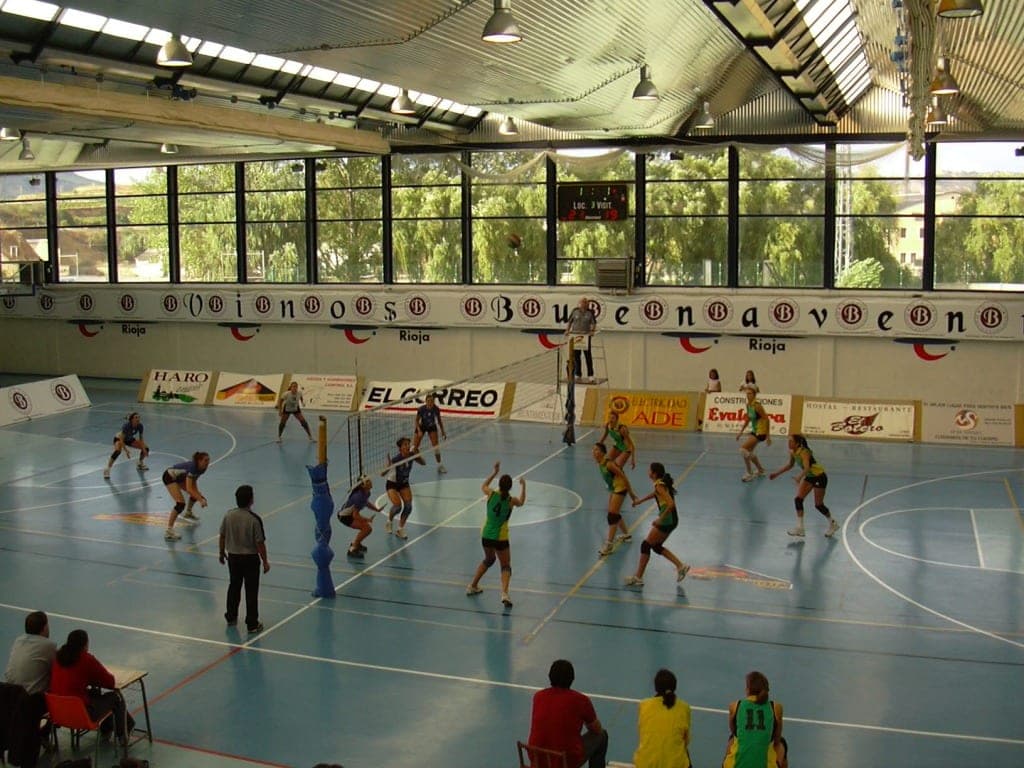
Volleyball
A non-contact team sport of rallies, jumps and teamwork — indoors or on the beach.
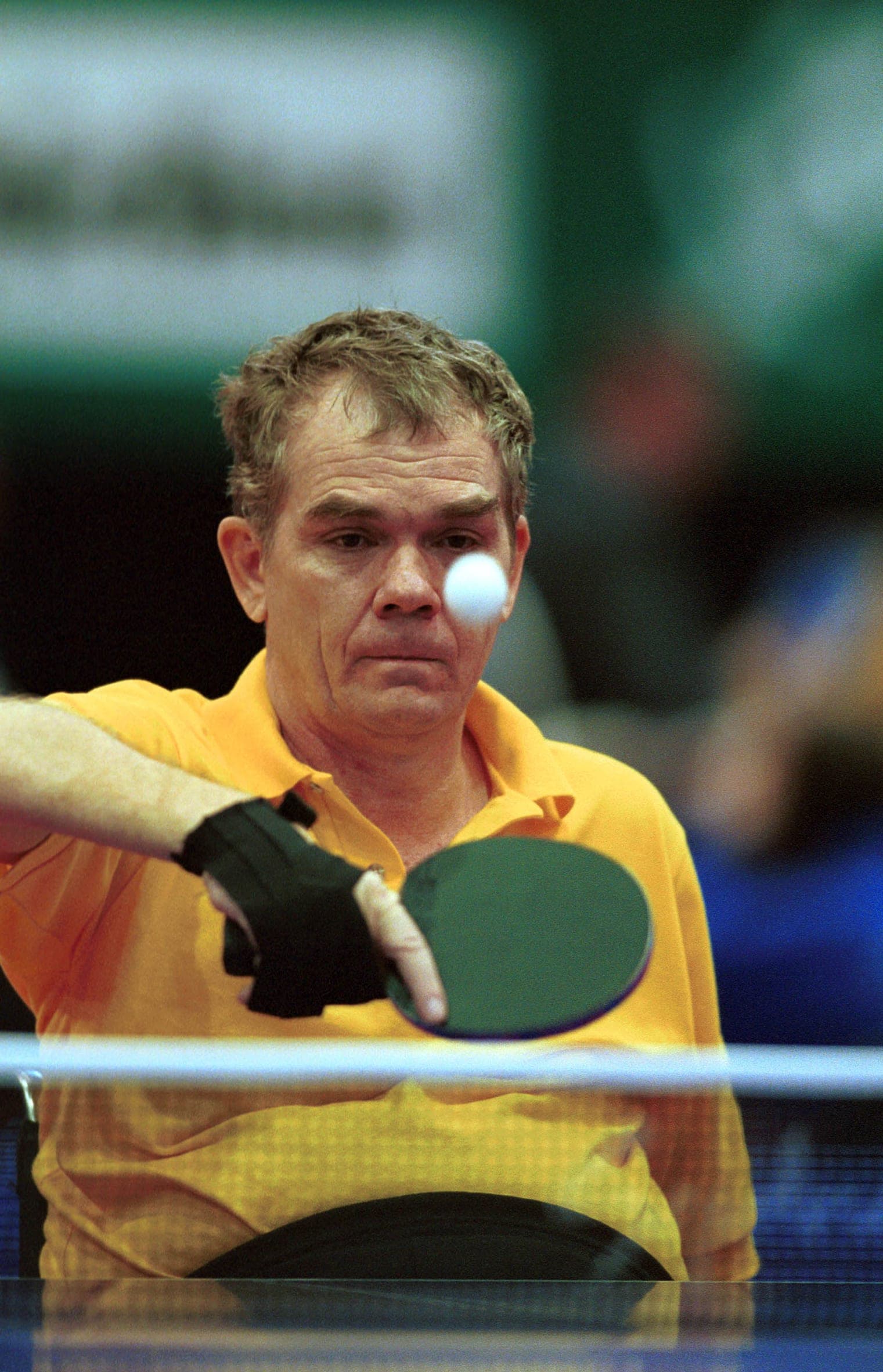
Table Tennis
A fast, low-impact indoor racquet sport that sharpens reflexes and is easy to start.
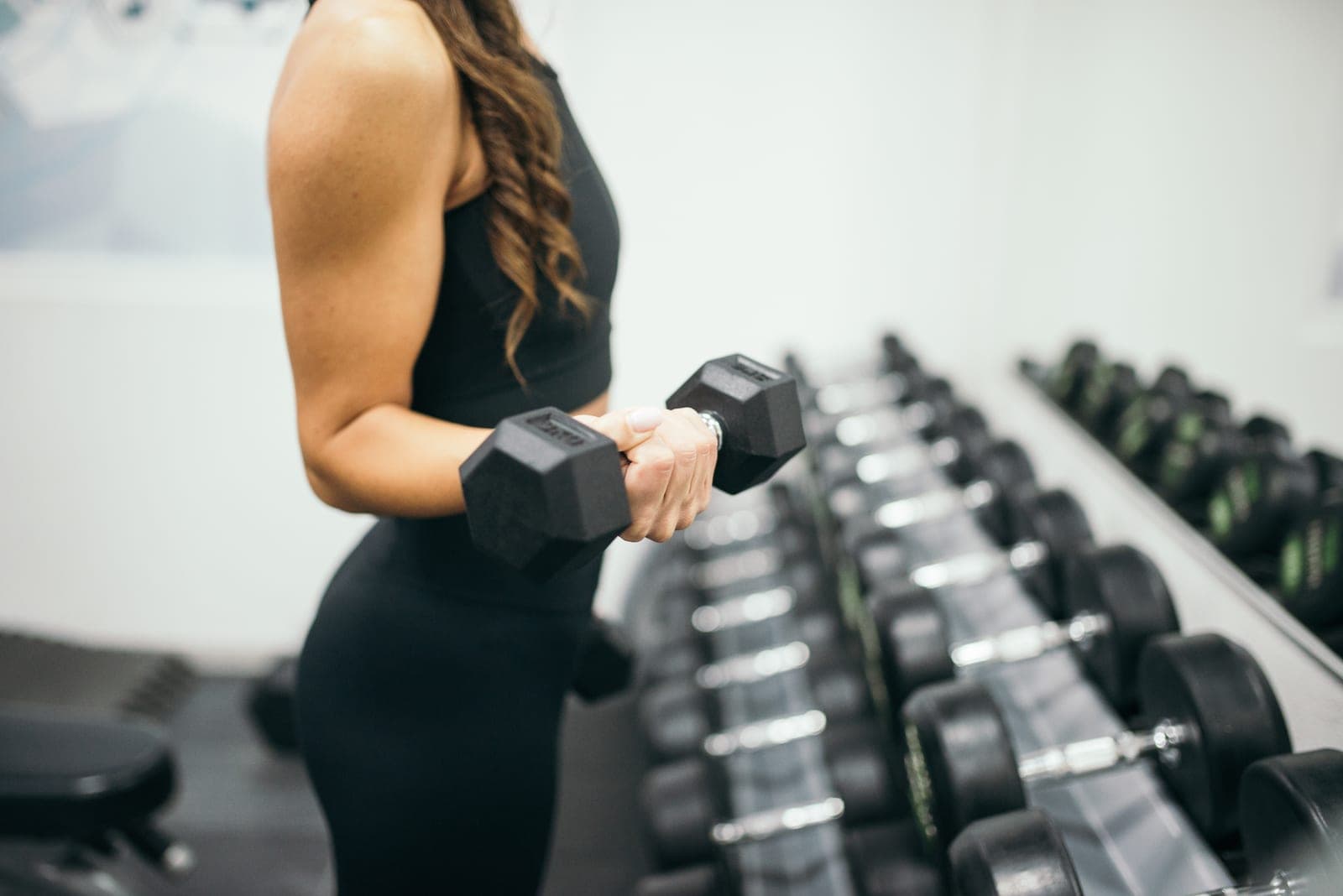
Fitness
Strength and general fitness training — the foundation that supports every other sport.
Goals it supports
Build an active lifestyle
Make movement a natural, lasting part of daily life through activities and habits you genuinely enjoy.
Improve fitness
Build well-rounded fitness — stamina, strength and more — through regular, varied activity you can keep up.
Build confidence
Use sport and steady progress to feel more capable, comfortable and self-assured over time.
Social activities
Use sport as a way to meet people, make friends and stay connected while staying active.
Frequently asked questions
What are seated sports?
Seated sports are played from a seated position — on the floor, a bench or a chair — rather than standing, which can make a sport more accessible and stable. Sitting volleyball, played on the floor, is a well-known example. Technique and equipment are often adjusted because seated play changes balance, reach and power.
Are seated sports the same as wheelchair sports?
They overlap but are not identical. Wheelchair sports are played from a wheelchair, while seated sports also include games played on the floor or a bench, such as sitting volleyball. Which format suits a person is individual, so it is worth trying options and asking a club for guidance.
Explore across the knowledge base
Follow the threads that connect Seated Sports to the rest of SocialSportHub.
People
- Complete beginnersHow to start sport from scratch with accessible, low-pressure activities and a gentle, gradual approach.
- SeniorsHow gentle, supported sport can help older adults stay active, mobile and connected, with a professional check first.
- Office workersHow sport can offset long hours of sitting and screen time to support mobility, energy and stress relief.
Knowledge Atlas
Exercises
- Wall sitA holding exercise where you sit against a wall with no chair, holding a squat position still.
- SupermanA back-focused exercise where you lie face down and lift your arms and legs off the floor.
- Sit-upA classic core exercise where you lift your torso from the floor toward your knees and back down.
- Bench pressA pressing exercise lying on a bench, lowering a weight to the chest and pushing it back up.
- Hip thrustA loaded hip-extension exercise with your upper back on a bench and a weight across the hips.
Techniques
Movement patterns
- Crossover StepA lateral or diagonal travelling step in which one leg crosses over the other with accompanying hip and trunk rotation, trading a stable base for greater reach and speed.
- CarryHolding and transporting a load while keeping the trunk braced and stable — an anti-movement pattern that builds grip, core stability and full-body strength.
How this page is maintained
- Content type
- Adaptive sports topic
- Provenance
- Tier A — evergreen educational
- Verified external sources
- 0
- Content updated
- 2026-07-09
Evergreen, first-party explanation — it makes no claim that needs an external source. How we handle sources and reviews.