
At the gym
How to make the most of a gym — strength machines, free weights, classes and cardio kit under one roof.
Overview
A gym puts a lot of options in one place: free weights and machines for strength, cardio equipment, and often studios for classes and a pool. That makes it well suited to structured training and to progressing loads over time.
It can also feel intimidating at first. A simple plan, a few familiar exercises and good form matter more than using every machine. Many gyms offer an induction or a coach to help you get started safely.
What works
- Free weights and machines make progressive strength work straightforward.
- Cardio kit lets you train in any weather, all year round.
- Classes add structure, coaching and a social element.
- An induction or coach helps you learn safe technique early.
Getting started
- 1Book an induction so you know how the equipment works.
- 2Start with a short, simple full-body routine and focus on form over weight.
- 3Warm up first and finish with a cool-down.
- 4Ask staff or a coach to check your technique on key movements.
Sports that fit
Great places to start — each with a clear, beginner-friendly guide.
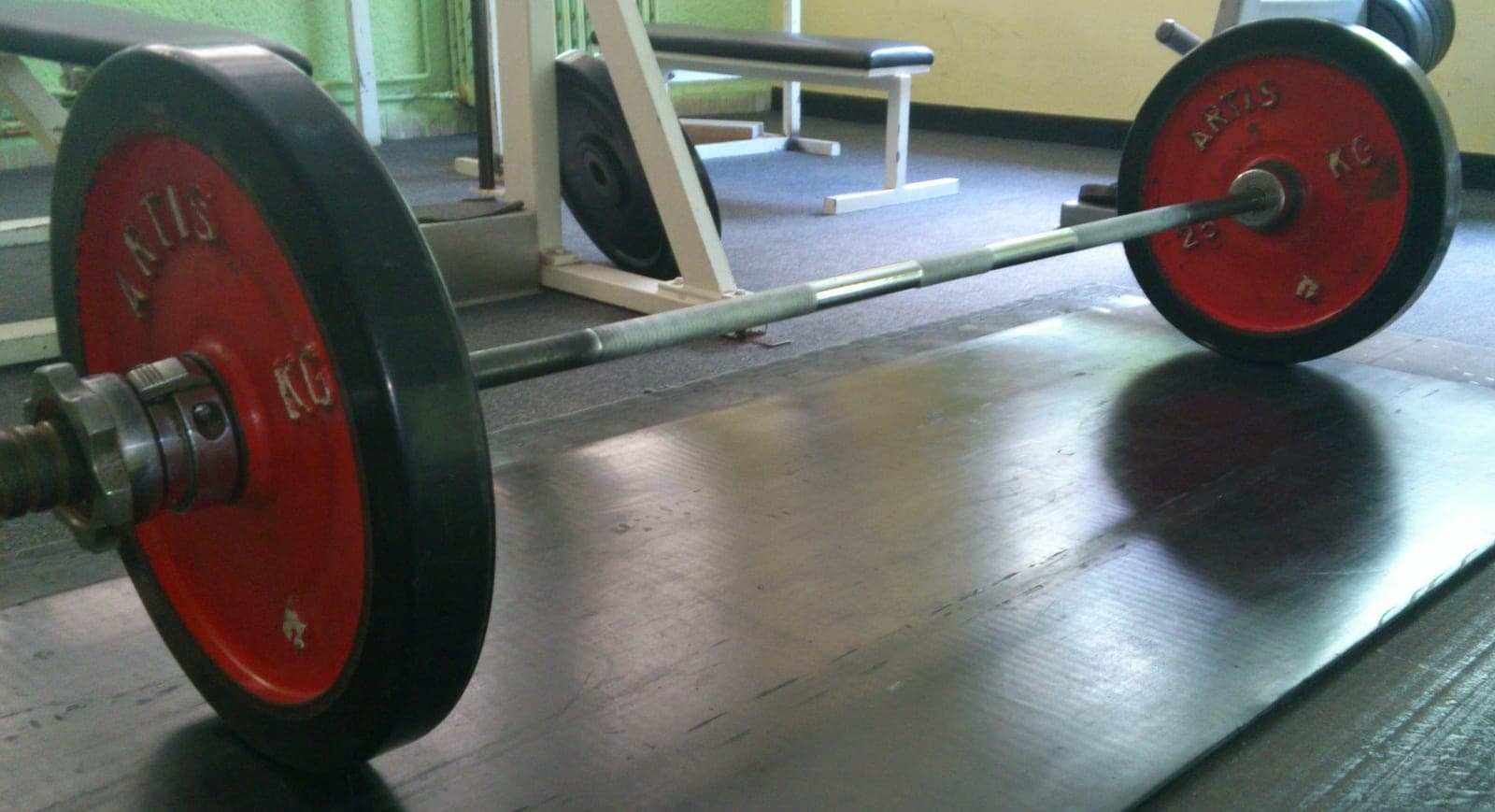
Weightlifting
A technical strength sport built around lifting a loaded barbell overhead with speed and control.
Powerlifting
A strength sport focused on lifting the heaviest weight you can across the squat, bench press and deadlift.
Bodybuilding
Resistance training focused on building muscle size, symmetry and definition through consistent effort.
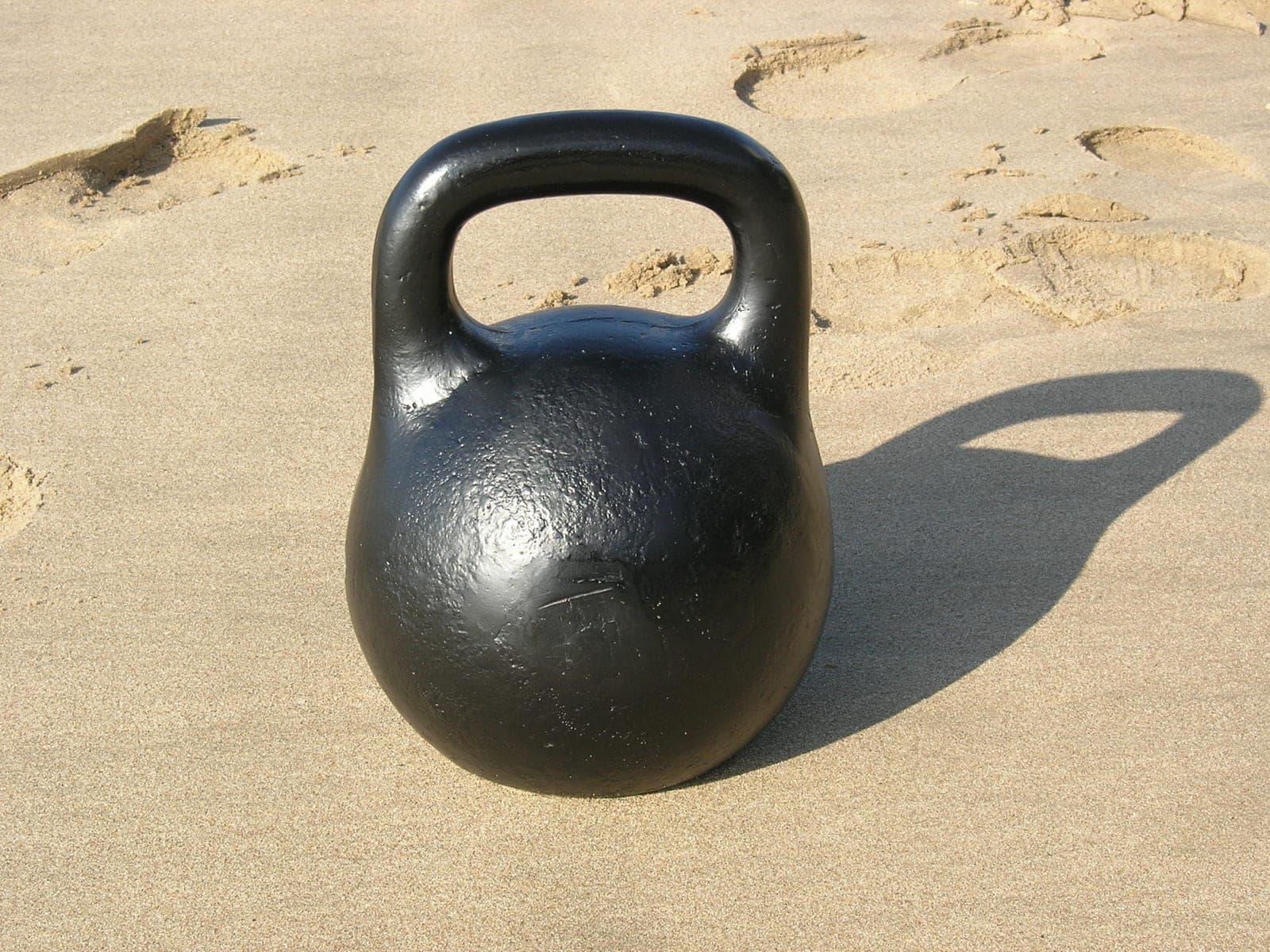
Functional Fitness
Varied, whole-body training built around everyday movement patterns like squatting, lifting and carrying.
Indoor Cycling
An energetic, low-impact studio workout on a stationary bike, guided by an instructor and music.
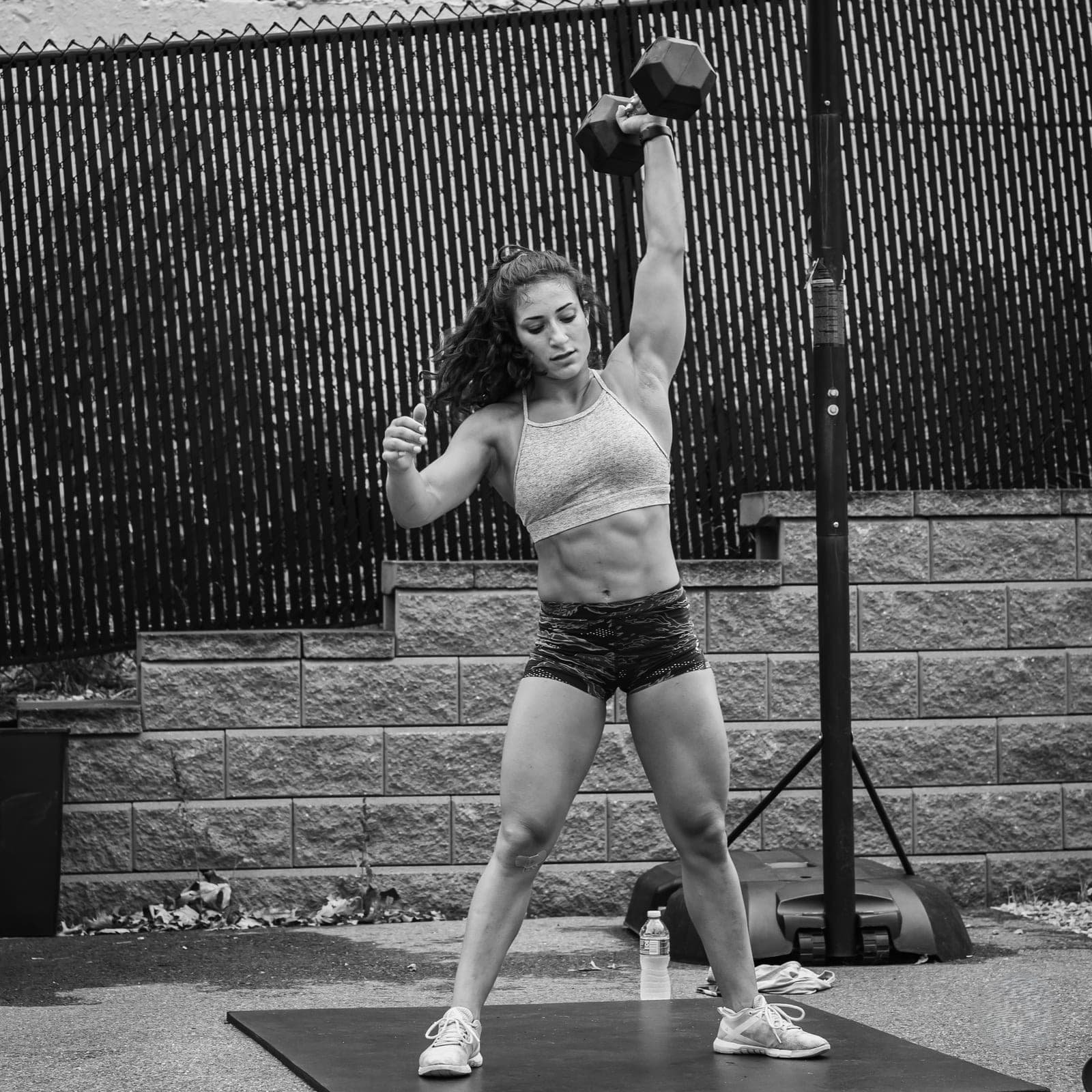
HIIT
High-intensity interval training that alternates short bursts of hard effort with brief recovery.
Goals that fit
Build muscle
Challenge your muscles with regular resistance training and steady recovery to build strength over time.
Improve fitness
Build well-rounded fitness — stamina, strength and more — through regular, varied activity you can keep up.
Lose weight
Combine regular, enjoyable movement with balanced habits to work toward a healthier weight in a way that lasts.
Build an active lifestyle
Make movement a natural, lasting part of daily life through activities and habits you genuinely enjoy.
Ways to train
Exercises and methods that fit — educational, not a prescription.
Squat
A foundational lower-body movement where you bend at the hips and knees to lower down and stand back up.
Goblet squat
A squat variation where you hold a single weight close to your chest for balance and control.
Wall sit
A holding exercise where you sit against a wall with no chair, holding a squat position still.
Lunge
A single-leg movement where you step forward and bend both knees to lower your body.
Bulgarian split squat
A single-leg squat where the back foot is raised on a bench behind you.
Step-up
A movement where you step up onto a raised platform one leg at a time and step back down.
Frequently asked questions
What should a beginner do at the gym?
Keep it simple: a short full-body routine covering a push, a pull, a lower-body and a core movement, with light weights while you learn the technique. Machines can be a friendly starting point, and an induction or coach helps you feel confident.
How often should I go to the gym?
There is no single right answer — it depends on your goals, schedule and how you recover. Many people find a couple of sessions a week sustainable to start, with rest days between. Build up gradually rather than doing too much too soon.
Free weights or machines for beginners?
Both work. Machines guide the movement and can feel safer while you learn, while free weights build coordination and balance. A mix is common. Whatever you choose, prioritise good form and check with a professional if you have any health concerns.
Explore across the knowledge base
Follow the threads that connect At the gym to the rest of SocialSportHub.
Training plans
- General Fitness WeekA balanced example week that mixes some cardio, a little strength and gentle mobility for well-rounded, all-round fitness.
- Home Bodyweight WeekA general example week of short, equipment-free bodyweight sessions you can do at home, built from simple movements like squats, push-ups and planks.
How this page is maintained
- Content type
- For your day
- Provenance
- Tier A — evergreen educational
- Verified external sources
- 0
- Content updated
- 2026-07-09
Evergreen, first-party explanation — it makes no claim that needs an external source. How we handle sources and reviews.