
Proprioception
The body’s internal sense of where its parts are and how they are moving — the awareness behind balance and coordinated movement.
Overview
Proprioception is the body’s internal sense of itself — an awareness of where the limbs are, how the joints are angled and how the body is moving, without needing to look. Receptors in the muscles, tendons and joints are widely described as continually feeding this information to the nervous system, which uses it to adjust movement moment by moment.
Sometimes called the body’s ‘sixth sense’, proprioception is what lets you climb stairs without watching your feet, or land from a jump and immediately rebalance. It works largely below conscious awareness and tends to sharpen with practice, which is why balance and coordination generally improve as a skill is rehearsed. Anything involving a specific injury or instability is best guided by a qualified professional.
The science
- Proprioception is the sense of where the body’s parts are and how they move.
- Receptors in the muscles, tendons and joints are thought to supply this information continually.
- It lets the body adjust movement without relying on sight.
- It underpins balance, coordination and quick postural corrections.
- It works mostly unconsciously and tends to improve with practice.
From stimulus to movement
What actually happens inside a reaction
- 1
Stimulus
Something happens — a ball is struck, a starter fires, an opponent shifts their weight.
- 2
Detect
The senses pick the signal out of everything else going on.
- 3
Recognise
The signal is matched against what it resembles, which is where reading the game pays off.
- 4
Choose
A response is selected. More plausible options means a slower choice.
- 5
Initiate
The command is issued and the movement begins.
The three inputs to balance
Why balance is a sense, not a muscle
- 1
Vision
The eyes report where you are relative to the world around you.
- 2
Vestibular
The inner ear reports head position and acceleration.
- 3
Proprioception
Joints, muscles and skin report where your body parts are without looking.
- 4
Integrate
The three streams are combined, and the least reliable one at that moment counts for less.
- 5
Adjust
Small, continuous postural corrections keep you over your base of support.
Why it matters
- It explains how athletes balance, land and adjust in the middle of fast movement.
- It connects balance and coordination training to real match situations.
- It helps make sense of why varied, game-like practice can sharpen body awareness.
Educational only
Where it shows up
Sports where this concept is especially visible — each with a clear guide.
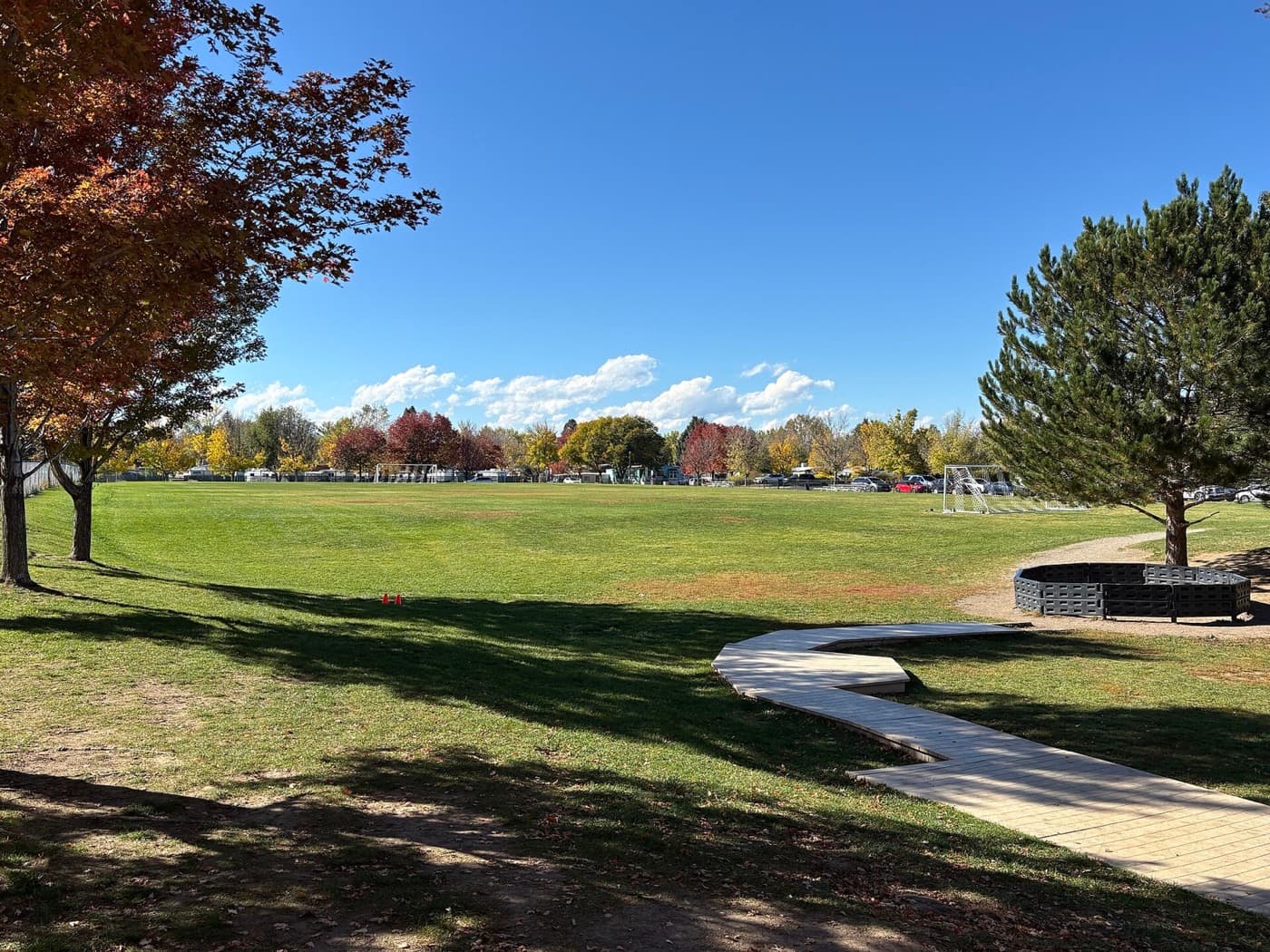
Football
The world’s most popular team sport — endless running, teamwork and community in one game.
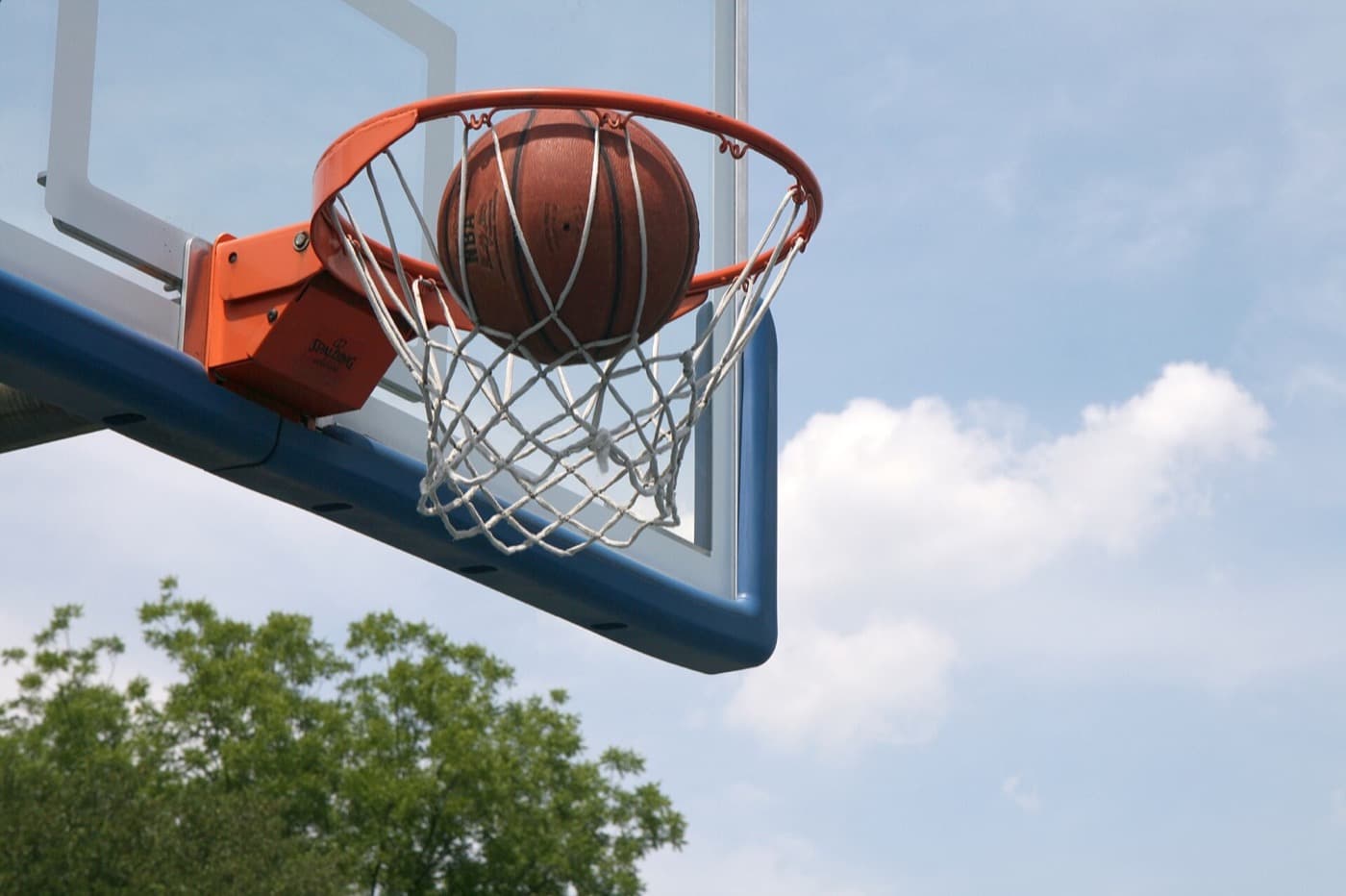
Basketball
A fast, dynamic team sport of running, jumping and quick decisions on court.
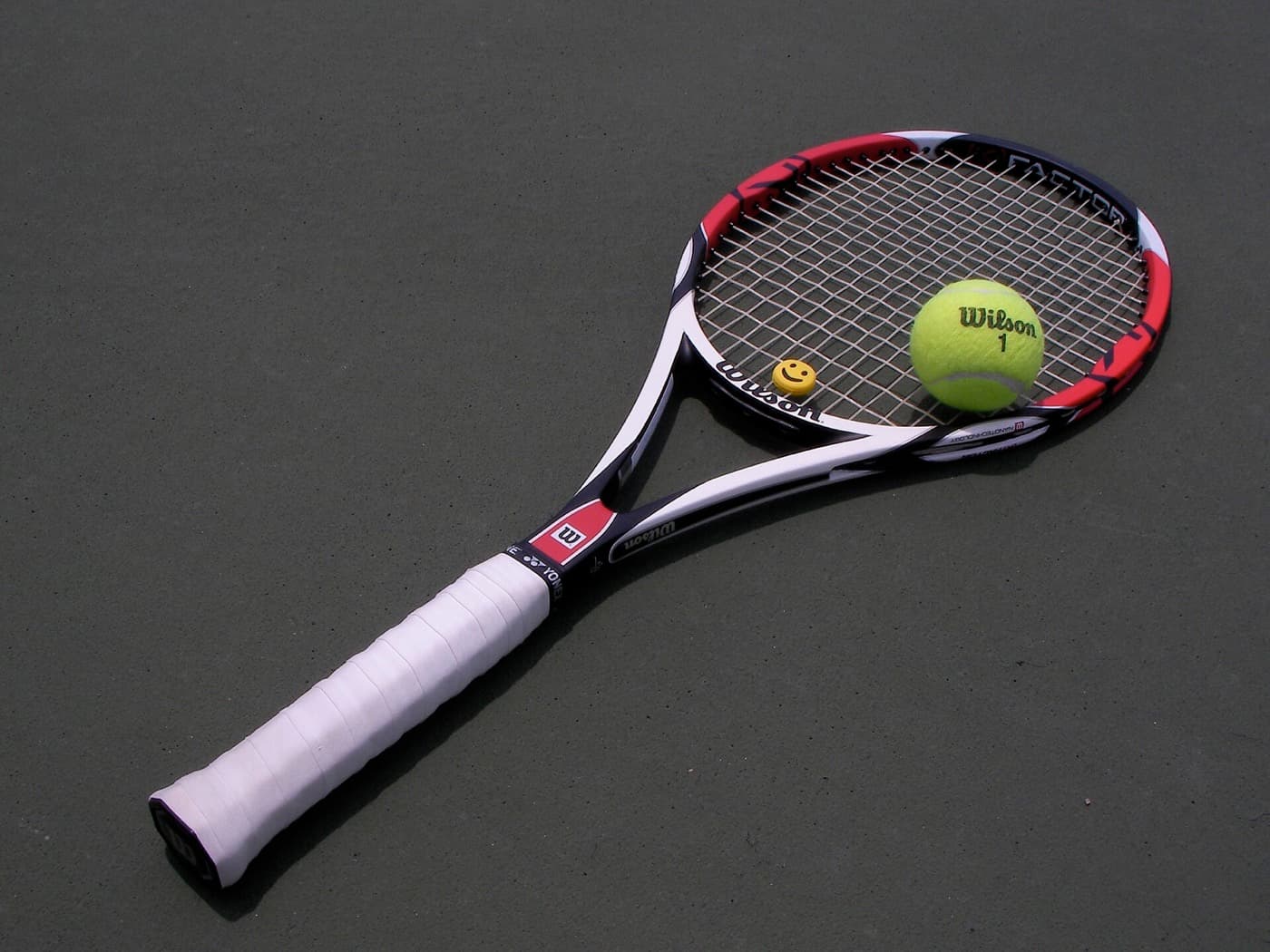
Tennis
A singles or doubles racquet sport that blends agility, strategy and stamina on court.
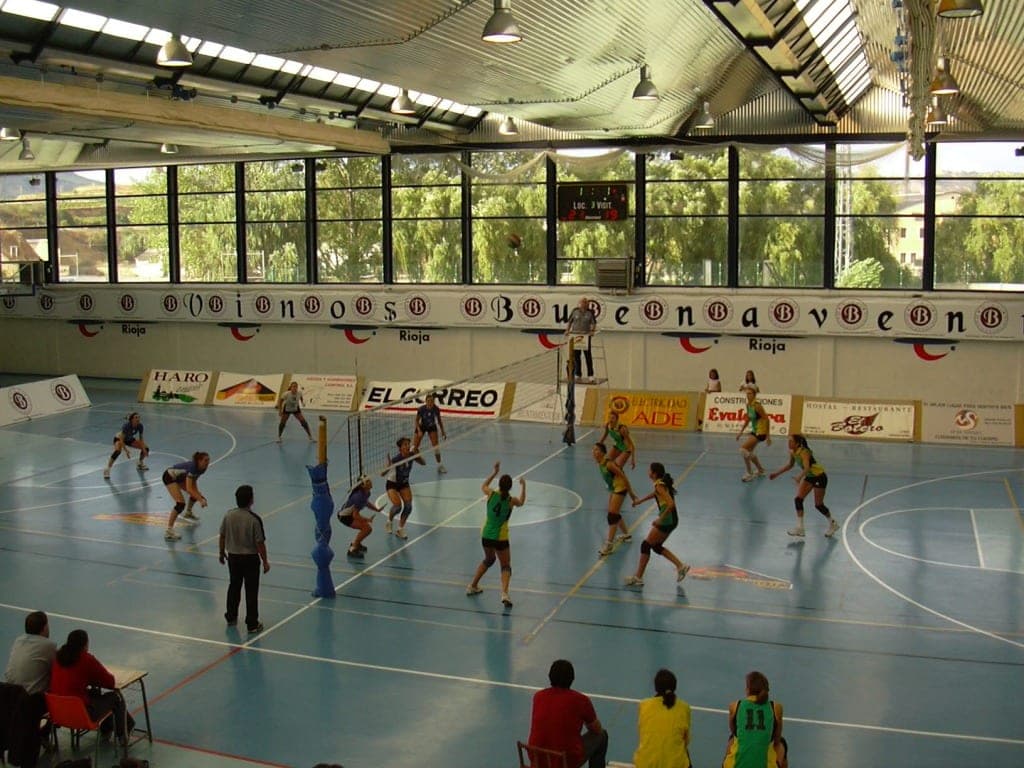
Volleyball
A non-contact team sport of rallies, jumps and teamwork — indoors or on the beach.
Frequently asked questions
What is proprioception?
It is the body’s internal sense of where its parts are and how they are moving, drawn from receptors in the muscles, tendons and joints. It works largely unconsciously and underpins balance and coordination, letting you adjust movement without looking.
Can proprioception be improved?
Body awareness generally sharpens with practice, which is why balance and coordination tend to develop as a skill is rehearsed. How to train it for a particular person or situation is best guided by a qualified coach or professional.
How it connects
The meaning-bearing relationships that place Proprioception in the wider knowledge graph — each one with the reason it exists.
Explains
Covers the underlying "why" for these.
- FootballProprioception is one of the sports-science concepts that covers Football.
- BasketballProprioception is one of the sports-science concepts that covers Basketball.
- TennisProprioception is one of the sports-science concepts that covers Tennis.
- VolleyballProprioception is one of the sports-science concepts that covers Volleyball.
Explore across the knowledge base
Follow the threads that connect Proprioception to the rest of SocialSportHub.
Movement patterns
- BackpedalControlled backward locomotion performed while facing forward, staying low and pushing off the balls of the feet in short strides to stay reactive and keep play in view.
- CatchReceiving a moving object and securing it under control, absorbing its momentum by yielding along its path so kinetic energy is dissipated rather than rebounded away.
- Change of DirectionA planned redirection of the body from one movement vector to another, requiring an athlete to decelerate existing momentum and reaccelerate along a new line between two known points.
- CutA sharp, frequently reactive plant-and-redirect performed in a single decisive foot contact to evade an opponent or abruptly alter a line of travel.
- DecelerationThe athletic pattern of actively braking and absorbing momentum to slow or stop under control, producing eccentric forces that oppose the direction of travel.
Coaching concepts
- Constraints-Led PracticeA coaching approach that adjusts the task, environment or rules so a desired movement or decision emerges in practice, rather than being explicitly instructed.
- Skill acquisitionHow a movement or sports skill is learned — progressing from conscious, effortful control to smooth, largely automatic execution through practice and feedback.
- Feedback and CueingFeedback from your senses, a coach, or video plus short instructional cues guide skill learning — including internal vs external focus of attention.
Goals
Knowledge Atlas
Decision making
- Reading spaceSeeing where space is — and is not — on the field or court, and using it to decide where to move, pass or play.
- Reading an opponentPicking up an opponent's cues — stance, weight, positioning and habits — to sense what they are likely to do and decide how to respond.
- Situational awarenessHolding an overall picture of what is happening around you — teammates, opponents, ball, space and the state of the game — and keeping it updated as play unfolds.
Go deeper with Proprioception
Everywhere else on the platform that covers Proprioception — assembled from what actually references it, so nothing here is a dead end.
Question it
Research topics that name this entity among their connections.
Take it away
Open data and the whole-platform view of this subject.
How this page is maintained
- Content type
- Sports science concept
- Provenance
- Tier A — evergreen educational
- Verified external sources
- 0
- Content updated
- 2026-07-09
Evergreen, first-party explanation — it makes no claim that needs an external source. How we handle sources and reviews.