
Opposite
The opposite is a volleyball attacker who plays on the right side of the net, opposite the setter in the rotation, and is often a key scorer.
Overview
The opposite hitter attacks from the right side and lines up opposite the setter in the rotation, so one is always in the front row while the other is in the back. They are usually a powerful, reliable scoring option.
As well as attacking, the opposite blocks against the other team’s outside hitter and may cover setting duties if the setter is unable to reach the ball.
Responsibilities
- Attacks from the right side of the net.
- Provides a strong, dependable scoring option.
- Blocks against the opposing outside hitter.
- Covers setting duties when the setter cannot reach the ball.
- Stays opposite the setter throughout the rotation.
Where it’s used
Sports that use opposite:
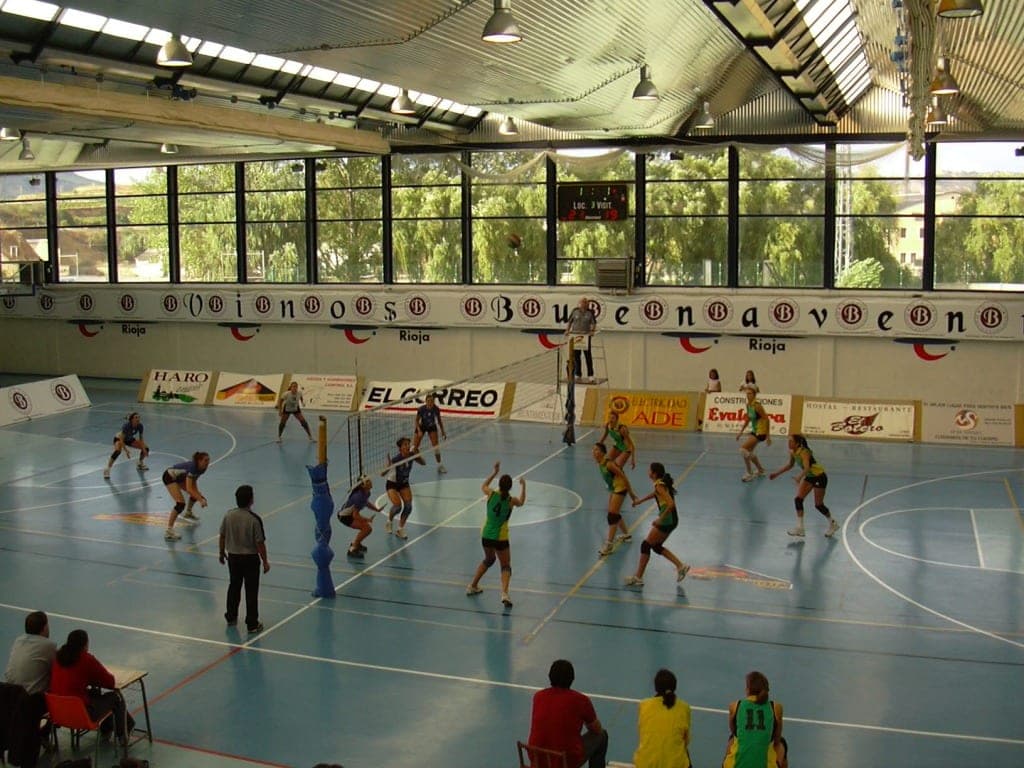
Related positions
Setter
The setter is volleyball’s playmaker, taking the team’s second contact and delivering accurate sets for hitters to attack.
Outside hitter
The outside hitter attacks from the left side of the net and is often a volleyball team’s main scoring option.
Middle blocker
The middle blocker plays in the centre of the net, leading the team’s blocking and attacking with fast, quick sets.
How it connects
The meaning-bearing relationships that place Opposite in the wider knowledge graph — each one with the reason it exists.
Frequently learned together
Taught side by side in the same stage of a learning path.
- SetterBoth are taught in the “Find your position or role” stage of the Volleyball learning path.
- Outside hitterBoth are taught in the “Find your position or role” stage of the Volleyball learning path.
- Middle blockerBoth are taught in the “Find your position or role” stage of the Volleyball learning path.
- LiberoBoth are taught in the “Find your position or role” stage of the Volleyball learning path.
- PlaymakerBoth are taught in the “Find your position or role” stage of the Volleyball learning path.
Explore across the knowledge base
Follow the threads that connect Opposite to the rest of SocialSportHub.
Player roles
- PlaymakerThe playmaker is a team's creative hub — the player who orchestrates attacks, controls the tempo and distributes the ball so teammates can score.
- FinisherA finisher is the attacking outlet in a team sport whose main job is converting chances into points — the striker, goal shooter or go-to scorer.
- Target playerA target player is a focal attacker who receives, holds up and links play for others, often physically strong and good in the air or with the hands.
- Pace-SetterThe player who sets and controls the tempo of play or the rhythm of an endurance effort, dictating how fast the game or race unfolds.
- SweeperA covering defender who plays behind the main defensive line, free of a fixed marking job, to read danger and clean up attacks that slip past teammates.
Skills
Tactics
Officiating
- ScorekeeperThe official who keeps the authoritative record of a contest — score, fouls, and statistics — usually seated at a scorer's table beside the timekeeper.
- TimekeeperThe timekeeper is the official who runs a contest's clock — starting and stopping time, timing rounds, races and periods, and signalling when time expires.
Rules
- Volleyball rotationThe rule that players rotate one position clockwise each time their team wins back the serve.
- Touching the netA net-play rule that penalises a player for contacting the net during a rally in net-divided sports.
- Three-hit ruleThe volleyball rule that a team may contact the ball at most three times before it must cross the net.
- OffsideA rule that prevents an attacker from gaining an advantage by being positioned too close to the opponents' goal ahead of the ball and the last defenders.
- Order of playThe convention that decides who plays next in a golf group — normally the player whose ball is furthest from the hole.
Go deeper with Opposite
Everywhere else on the platform that covers Opposite — assembled from what actually references it, so nothing here is a dead end.
Learn it
Structured courses and paths on the platform that cover this directly.
How this page is maintained
- Content type
- Position
- Provenance
- Tier A — evergreen educational
- Verified external sources
- 0
- Content updated
- 2026-09-12
Evergreen, first-party explanation — it makes no claim that needs an external source. How we handle sources and reviews.