
Para sports
The competitive branch of adaptive sport, where athletes with disabilities train and compete, often within organised classification systems.
Overview
Para sports are the competitive side of adaptive sport — organised, rules-based competition for athletes with a physical, visual or intellectual impairment. Many para sports mirror well-known mainstream sports, played to adapted rules.
To keep competition fair, many para sports use classification: a system that groups athletes so those whose impairment affects their sport in a similar way compete together. The prefix 'para' reflects competition that runs alongside the mainstream, not a lesser form of sport.
What to know
- The competitive strand of adaptive sport, for athletes with disabilities.
- Widely recognised para sports include para athletics, para swimming, wheelchair basketball and goalball.
- Many para sports are governed by national and international bodies with their own rules.
- Classification is used, in concept, to group athletes fairly by the impact of impairment on performance.
- Pathways typically run from local clubs up to national and international competition.
In practice
- Classification is described here only conceptually — actual classes and eligibility are decided by each sport's governing body.
- Getting involved usually starts at a local club, with competition as an option rather than a requirement.
- For classification, eligibility or a specific ruleset, always consult the sport's governing body and a qualified professional.
Educational & inclusive
Related sports
Sports that connect to this topic — each with a clear, beginner-friendly guide.
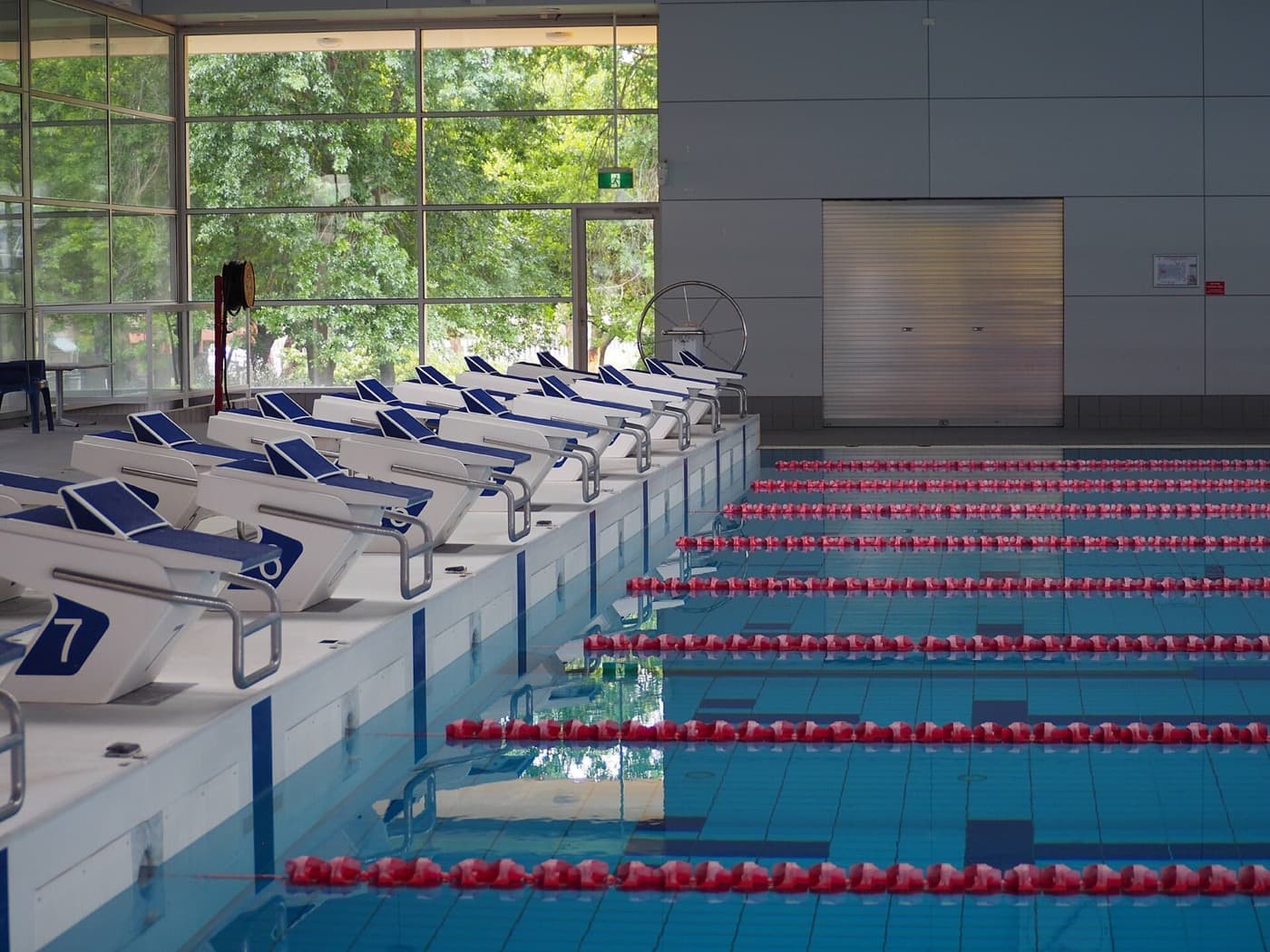
Swimming
A full-body, low-impact endurance sport suitable for almost every age and ability.

Running
The most accessible endurance sport — no venue, just shoes and the open road or trail.
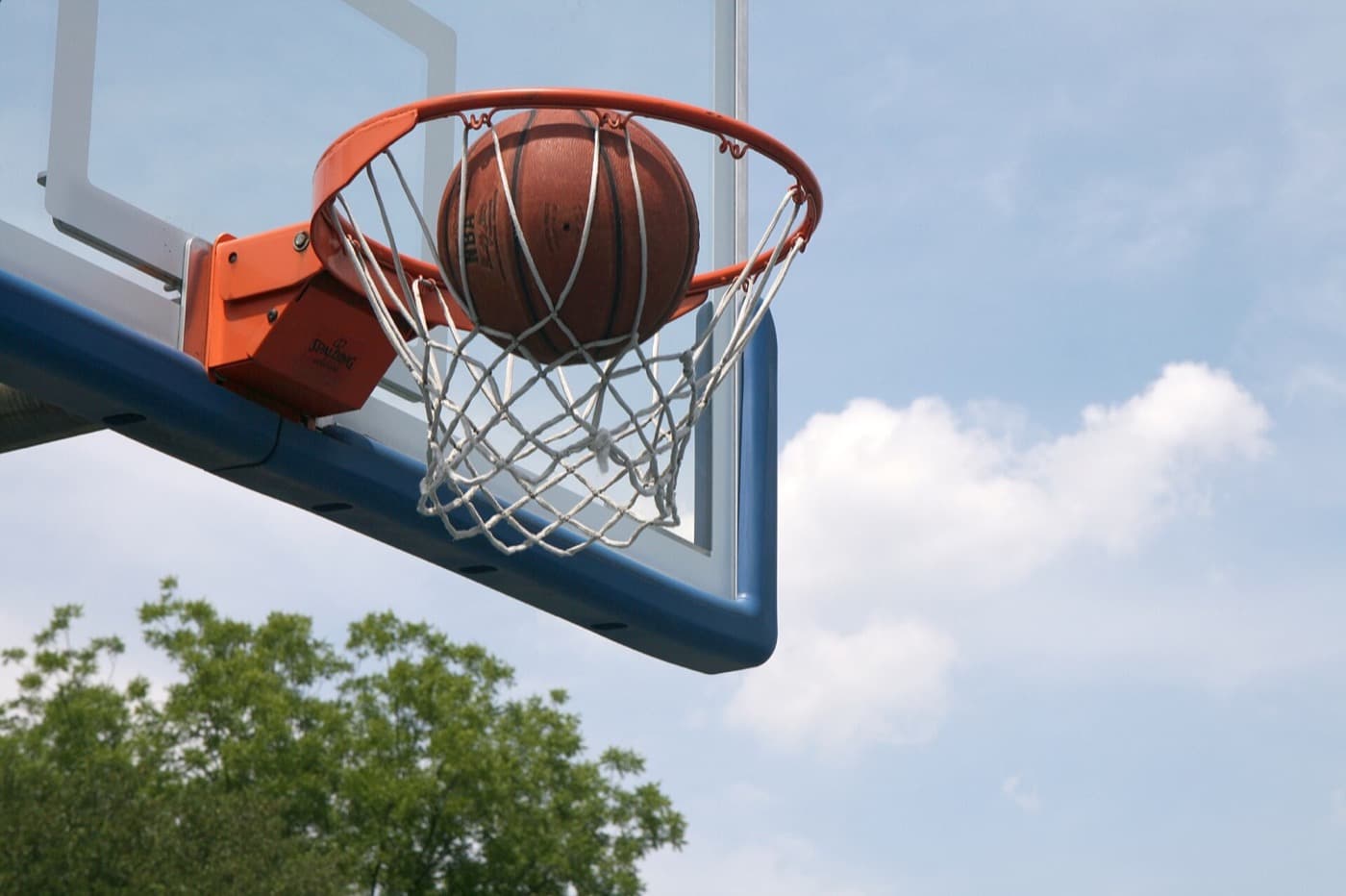
Basketball
A fast, dynamic team sport of running, jumping and quick decisions on court.
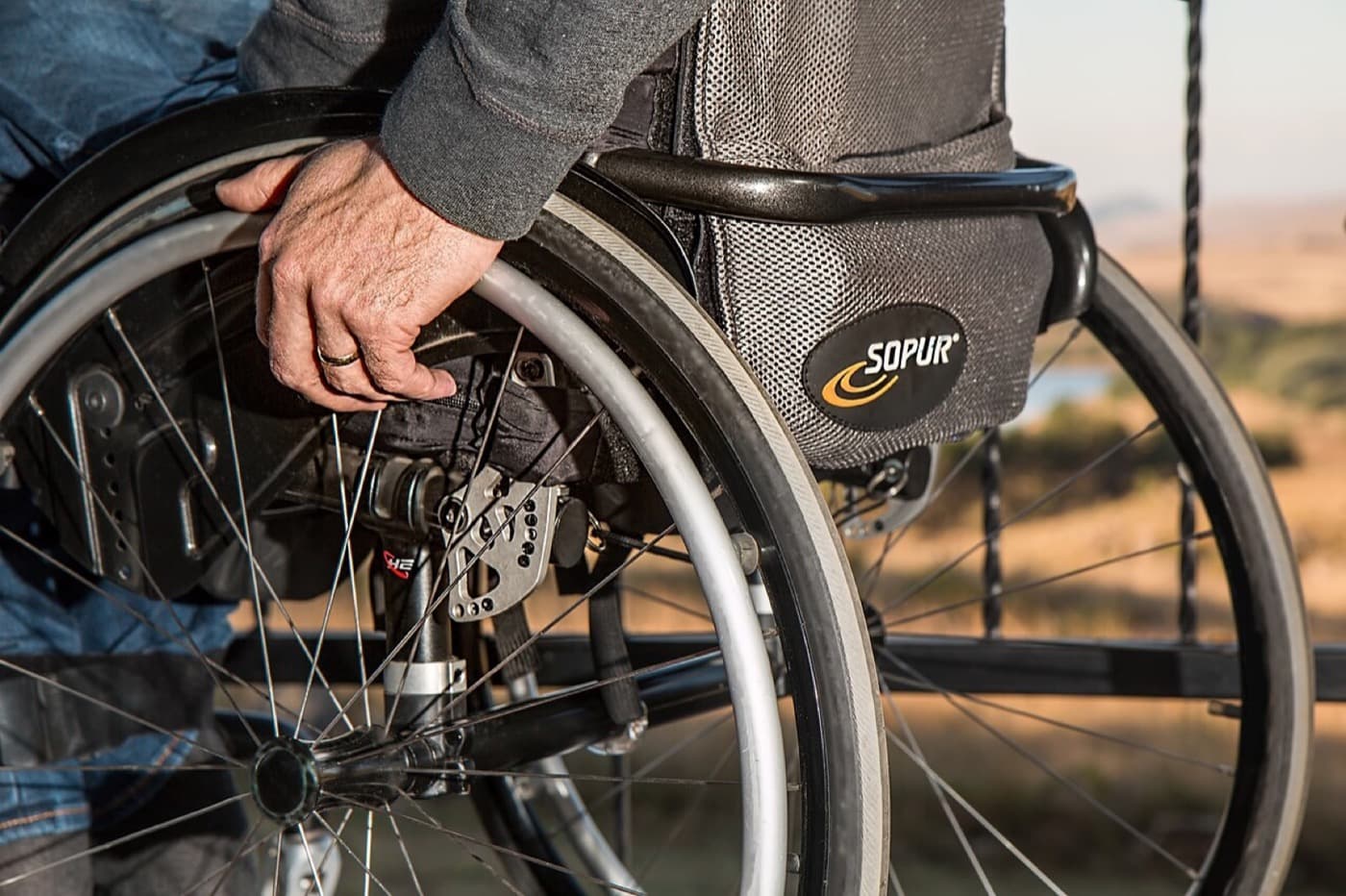
Cycling
A low-impact endurance sport that doubles as transport, exercise and adventure.
Goals it supports
Build confidence
Use sport and steady progress to feel more capable, comfortable and self-assured over time.
Improve fitness
Build well-rounded fitness — stamina, strength and more — through regular, varied activity you can keep up.
Build an active lifestyle
Make movement a natural, lasting part of daily life through activities and habits you genuinely enjoy.
Frequently asked questions
What is the difference between adaptive sports and para sports?
Adaptive sport is the broad idea of adjusting any sport so people with disabilities can take part, at any level. Para sport usually refers to its organised, competitive branch, often with formal rules and classification. Each sport's governing body defines exactly how it is run.
What is classification in para sport?
Classification is a system that groups athletes so those whose impairment affects their sport in a similar way compete against each other, keeping contests fair. The specific classes and eligibility criteria are set and assessed by each sport's governing body, not by individuals.
Explore across the knowledge base
Follow the threads that connect Para sports to the rest of SocialSportHub.
Knowledge Atlas
- Explore by Adaptive SportInclusive and adaptive sport — understanding, forms, adaptation and getting involved.
- Explore by SportThe master navigator — every sport, organised by category, what it builds, where it is played and how to begin.
- Explore by CommunicationHow sport is communicated — in play, within a team, and around the game.
How this page is maintained
- Content type
- Adaptive sports topic
- Provenance
- Tier A — evergreen educational
- Verified external sources
- 0
- Content updated
- 2026-07-09
Evergreen, first-party explanation — it makes no claim that needs an external source. How we handle sources and reviews.