
Start and Stop Signals
The whistle, gun, bell or hooter an official uses to begin and end play or a race, plus the rules that keep starts clean and penalise false starts.
Overview
In many sports an official controls exactly when play or a race may begin and when it must stop, using an audible or visual signal that every competitor perceives at the same moment. For races, a starter brings the field to a set position and then fires a gun, sounds a horn or gives a spoken command, and that same instant starts the clock. In team and court sports a referee's or umpire's whistle both begins play — a kick-off, a face-off, a throw-off, or the authorising of a serve — and halts it for fouls, scores or safety. A bell opens and closes rounds in combat sports, while a buzzer, siren or hooter marks that a period is over once time expires.
Because the signal is the shared reference for when action becomes legal, officials watch the starting moment closely. Moving, leaving the blocks, or breaking from the line before the signal is a false start; the start is recalled and, depending on the sport, the offender may be warned, penalised, or — in some sports — disqualified immediately. The stopping signal matters just as much: play is dead the instant it sounds, so a goal, shot or stroke completed afterwards may not count. The same official and signal also govern every restart after a stoppage, so a single authoritative source threads through the whole contest, keeping all competitors working from one clock and one shared moment from the first whistle to the final hooter.
What it involves
- Common instruments vary by sport: a starter's pistol or horn for races, a referee's or umpire's whistle for team and court games, a bell for combat rounds, and a buzzer, siren or hooter to end a period or signal an expired countdown clock.
- The signal exists so every competitor reacts to the same instant — it fixes when action becomes legal and, in timed races, is the exact point at which the clock starts running.
- Reacting before the signal is a false start: a competitor moves, leaves the blocks, or breaks from the mark too early. The start is recalled, and depending on the sport a false start can bring anything from a warning to immediate disqualification.
- When the stopping signal sounds, play is immediately dead, so a score, shot or stroke completed after it usually does not count — which is why buzzer-beating timing is judged so precisely.
- The same official and signal manage every restart after a stoppage, so one authoritative source controls the rhythm of the whole contest from the first whistle to the final hooter.
Where it’s used
Sports that use start and stop signals:

Running
The most accessible endurance sport — no venue, just shoes and the open road or trail.
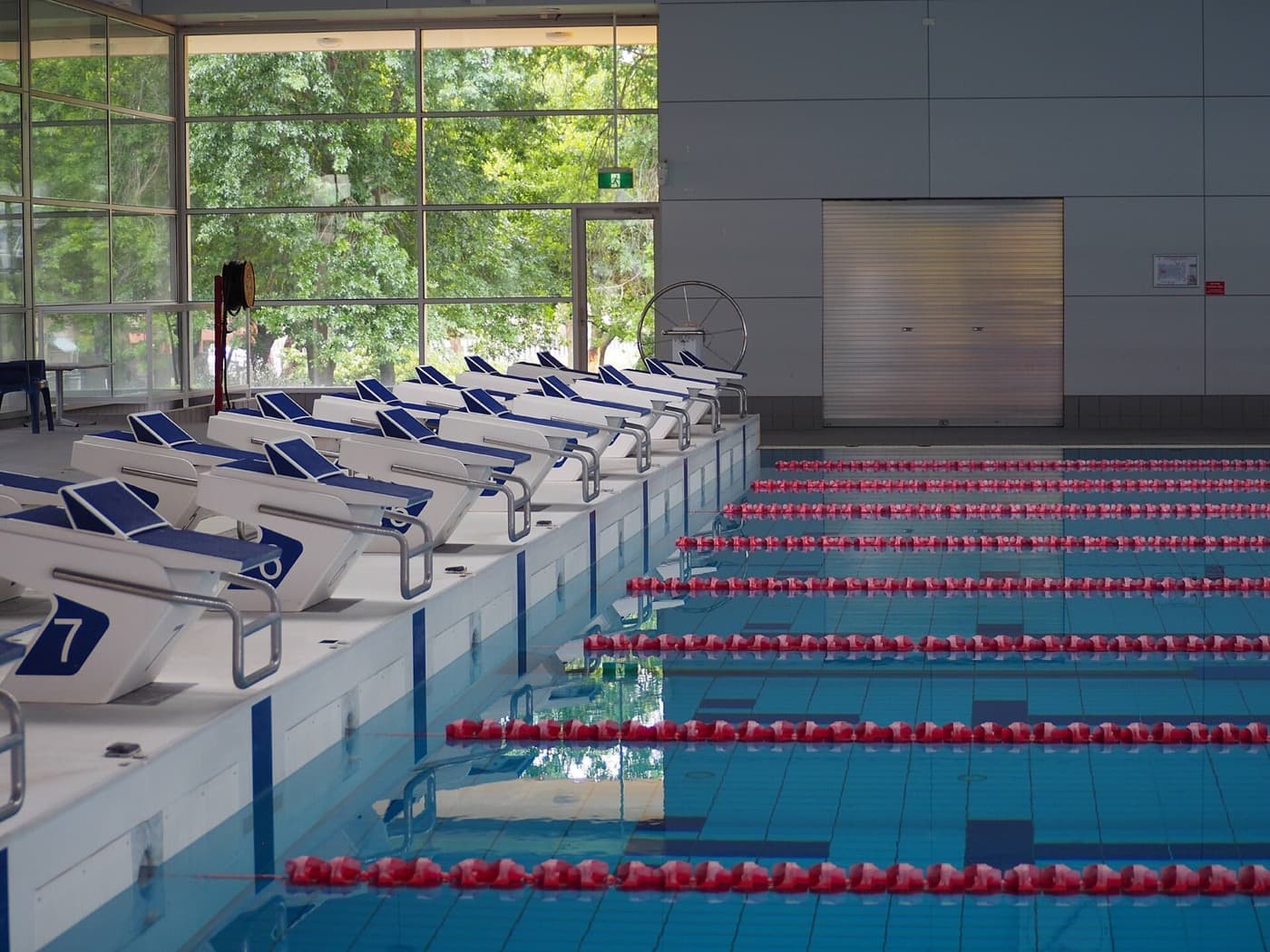
Swimming
A full-body, low-impact endurance sport suitable for almost every age and ability.
Speed Skating
A racing sport on long-bladed skates, powering around an ice oval or tight indoor track with long, rhythmic strides.
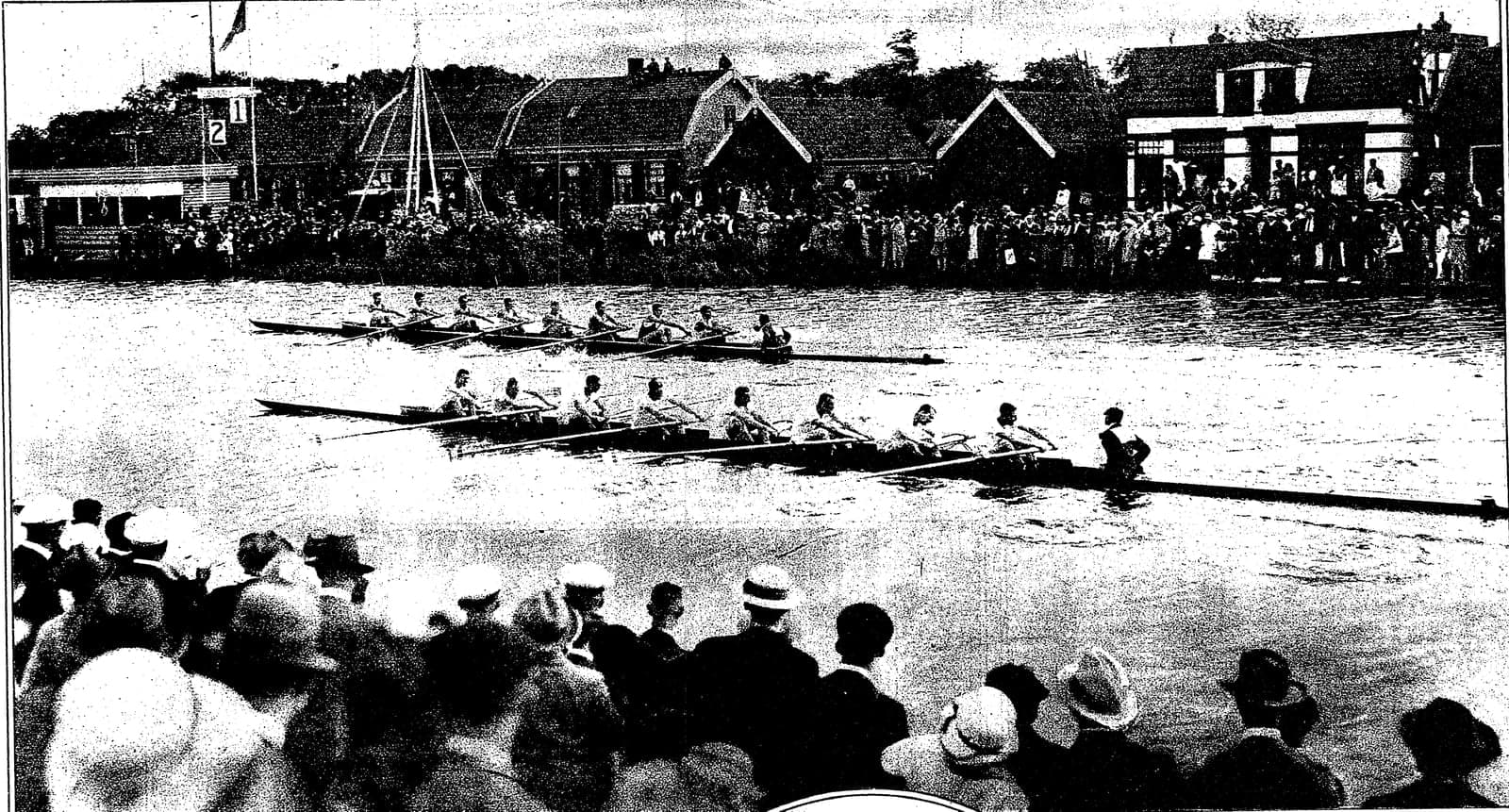
Rowing
A rhythmic, full-body endurance sport on the water or on an indoor machine.
Football
The world’s most popular team sport — endless running, teamwork and community in one game.
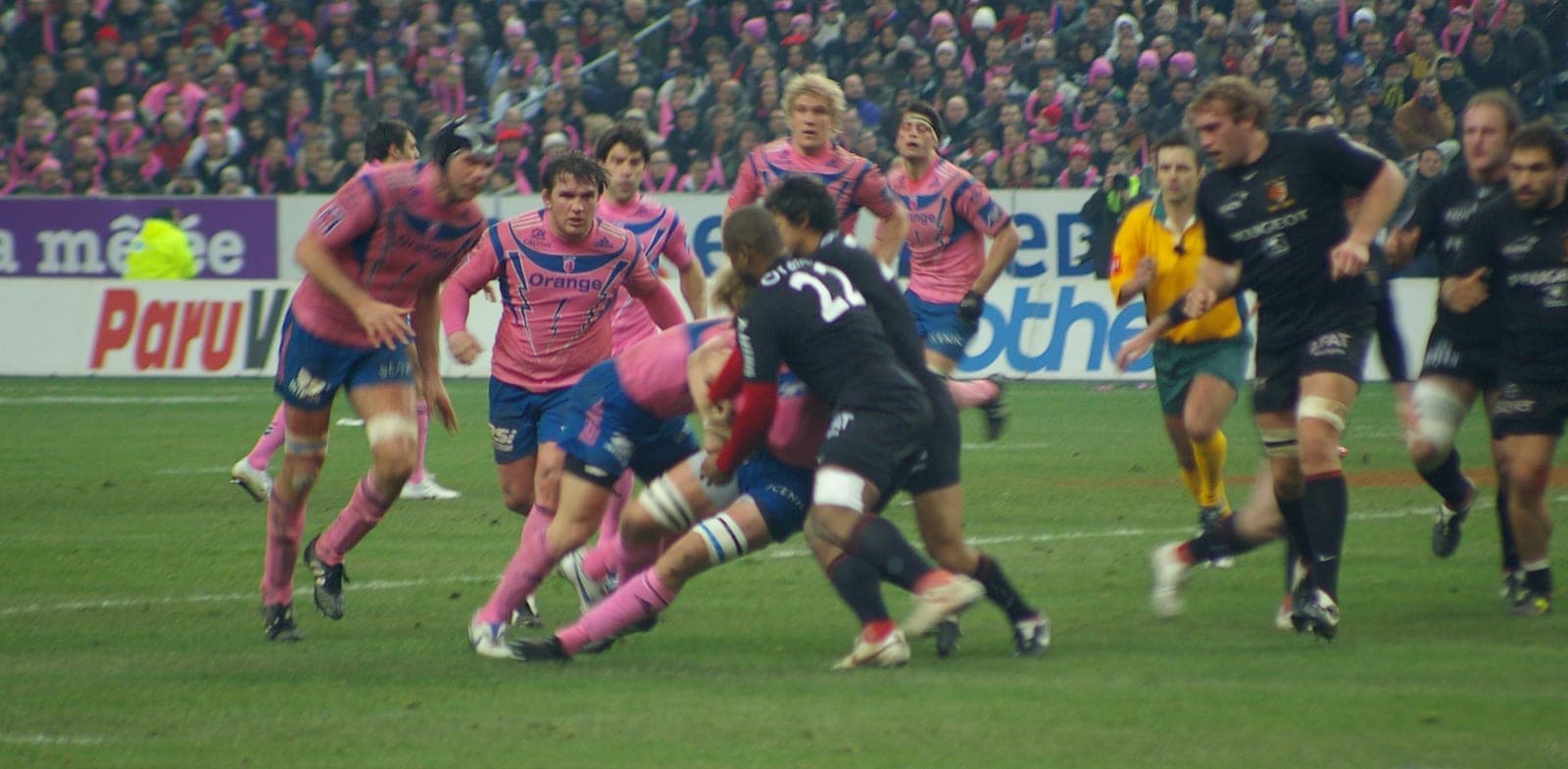
Rugby
A physical team sport of carrying, passing and kicking an oval ball toward the opposing line.
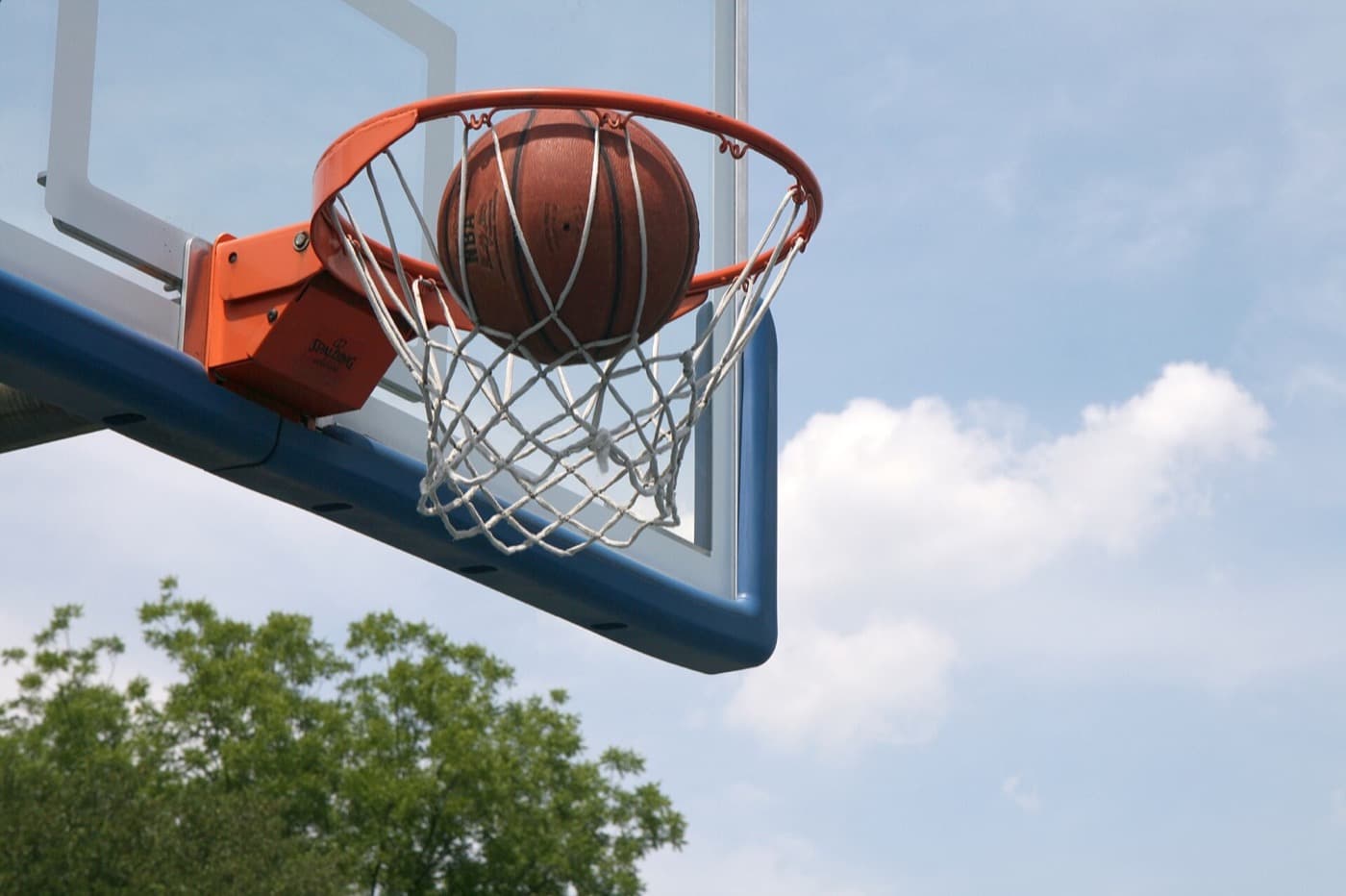
Basketball
A fast, dynamic team sport of running, jumping and quick decisions on court.
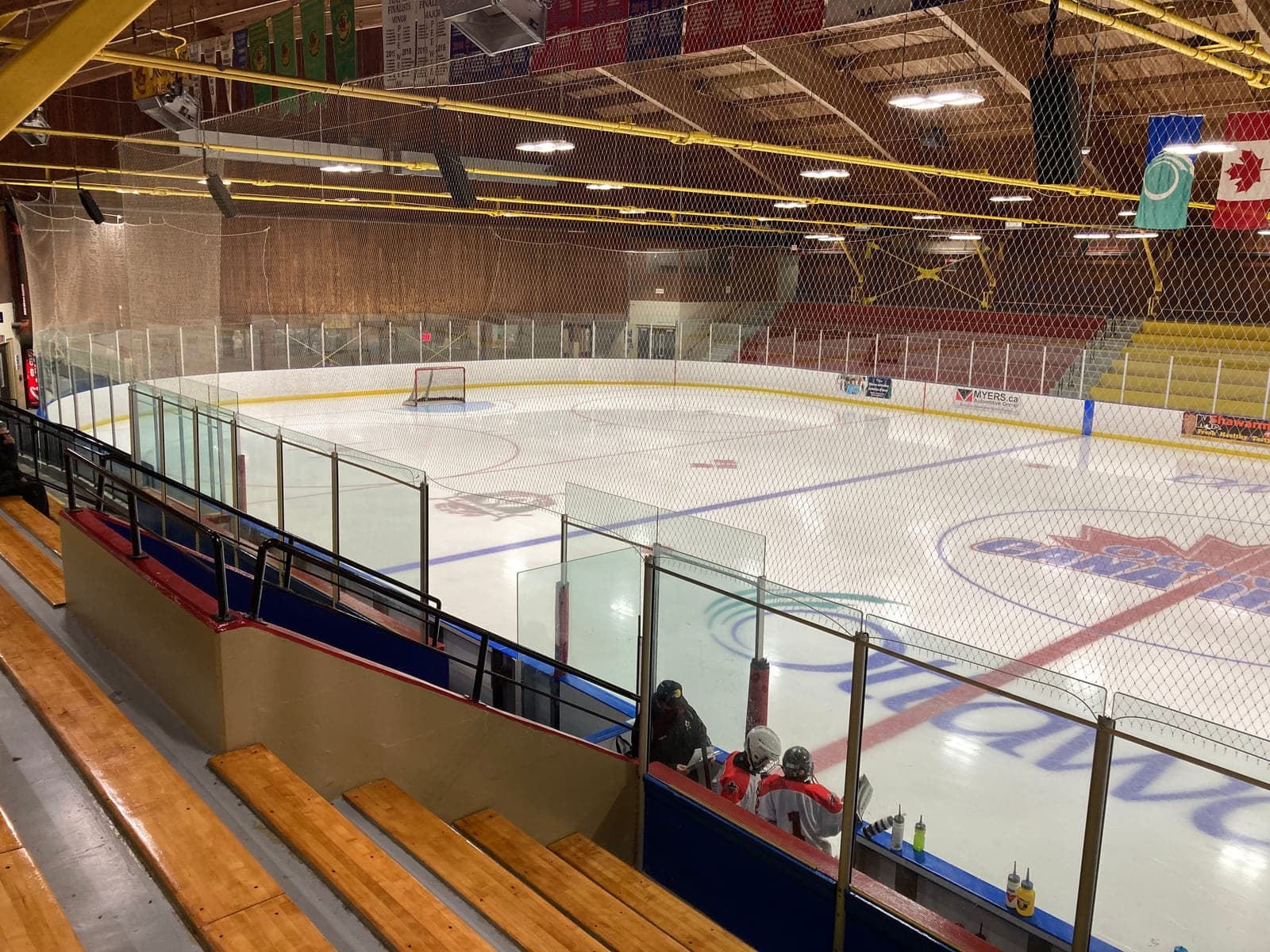
Ice Hockey
A fast team sport on ice that combines skating skill with quick passing and goal-scoring.
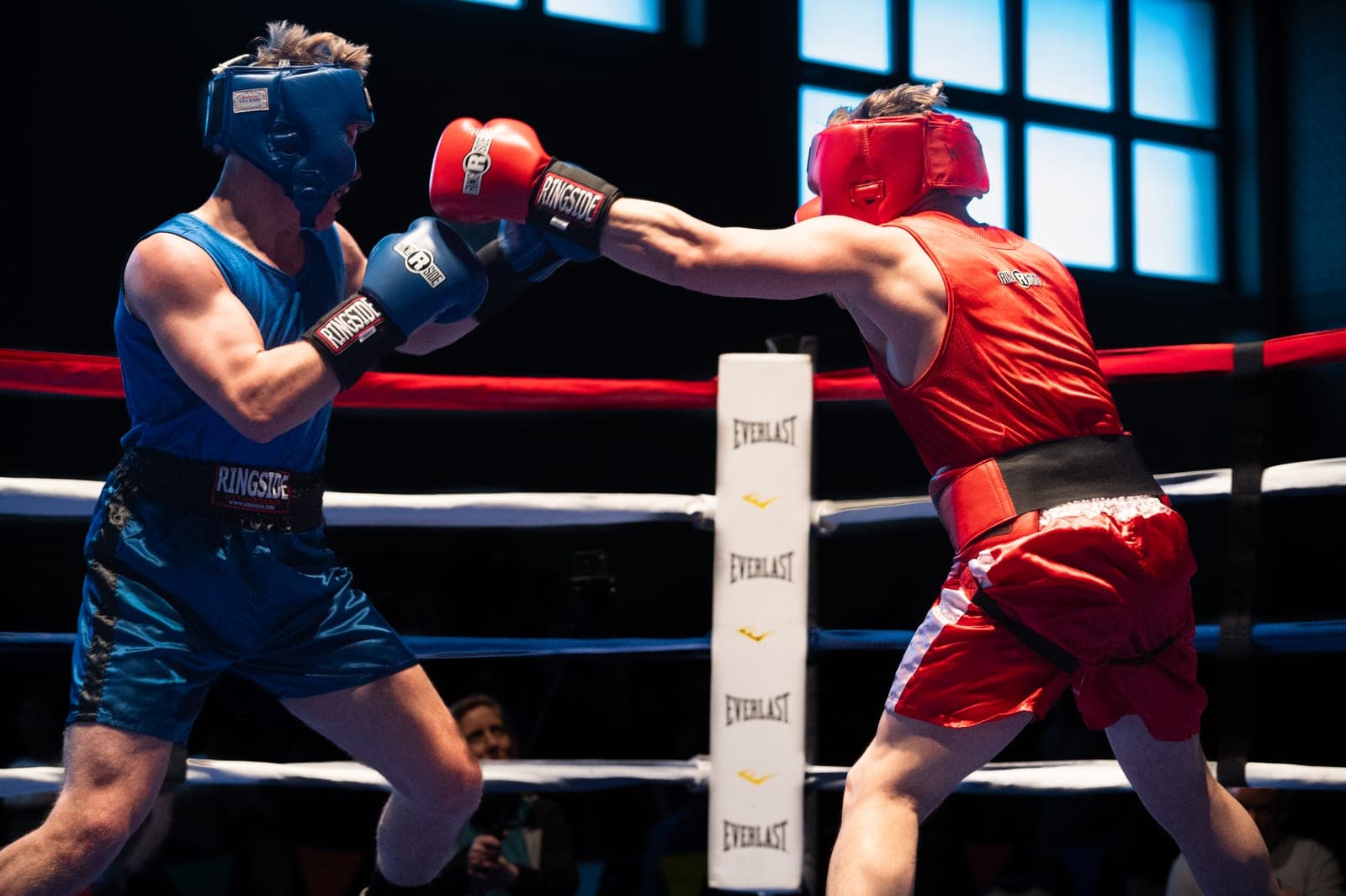
Boxing
A striking combat sport built on footwork, timing and conditioning, practised from fitness drills to controlled sparring.
Related officiating
Referee
The primary on-field official who enforces the rules, controls play, penalises fouls, awards restarts, and blows the whistle to start and stop a match.
Judge
A judge is an official who scores performance in judged sports, awarding marks for execution and difficulty rather than counting goals or timing a race.
Line Judge
A boundary-line official who calls whether the ball or player is in or out and flags foot faults, working under the head referee across many sports.
Explore across the knowledge base
Follow the threads that connect Start and Stop Signals to the rest of SocialSportHub.
Rules
Scoring systems
- How running races are timed and placedRunning races are decided by finishing order and by elapsed time, measured precisely and settled by the moment a runner's torso crosses the line.
- How swimming races are timed and placedSwimming races are decided by elapsed time and finishing order, with electronic touchpads recording when each swimmer completes the distance.
- How cycling races are timed and placedCycling races are decided either by who crosses the line first or by fastest time, and stage races add up cumulative times to rank riders overall.
Training guides
Knowledge Atlas
How this page is maintained
- Content type
- Officiating concept
- Provenance
- Tier A — evergreen educational
- Verified external sources
- 0
- Content updated
- 2026-09-12
Evergreen, first-party explanation — it makes no claim that needs an external source. How we handle sources and reviews.