
Teammate feedback
Players giving each other useful, respectful feedback as peers — encouragement, quick corrections and honest reads — distinct from a coach's feedback.
Overview
Teammate feedback is the feedback players give each other as peers, rather than what comes from a coach. It ranges from quick encouragement and a shared read of what just happened to an honest suggestion between players who trust each other. Because it comes from someone in the same moment on the field, it can be immediate and specific in a way sideline feedback sometimes cannot.
What makes peer feedback useful is usually timing, tone and trust — it is easier to hear from a teammate who has your back, and easier to reject if it feels like blame. It is a communication habit that is practised, not a personality trait, and norms differ by sport and team. It is not counselling or a fix for every problem; it is simply players helping each other read and adjust.
How it works
- It is feedback between players as peers — encouragement, a shared read, or an honest suggestion — rather than from a coach.
- Coming from someone in the same moment, it can be more immediate and specific than sideline feedback.
- Timing, tone and trust tend to matter more than bluntness — feedback lands better when a teammate feels supported.
- It is a practised, two-way habit, not a personality trait or a licence to criticise.
- How direct peer feedback should be varies by sport, team and level.
In practice
- In volleyball, a quick word between points about positioning is common and expected.
- In football or basketball, feedback often happens in stoppages or at half-time rather than mid-move.
- In a running or swimming group that trains together, feedback is more about pacing and technique observations than in-play calls.
Educational — and it varies
Where it shows up
Sports where this communication is especially visible — each with a clear guide.
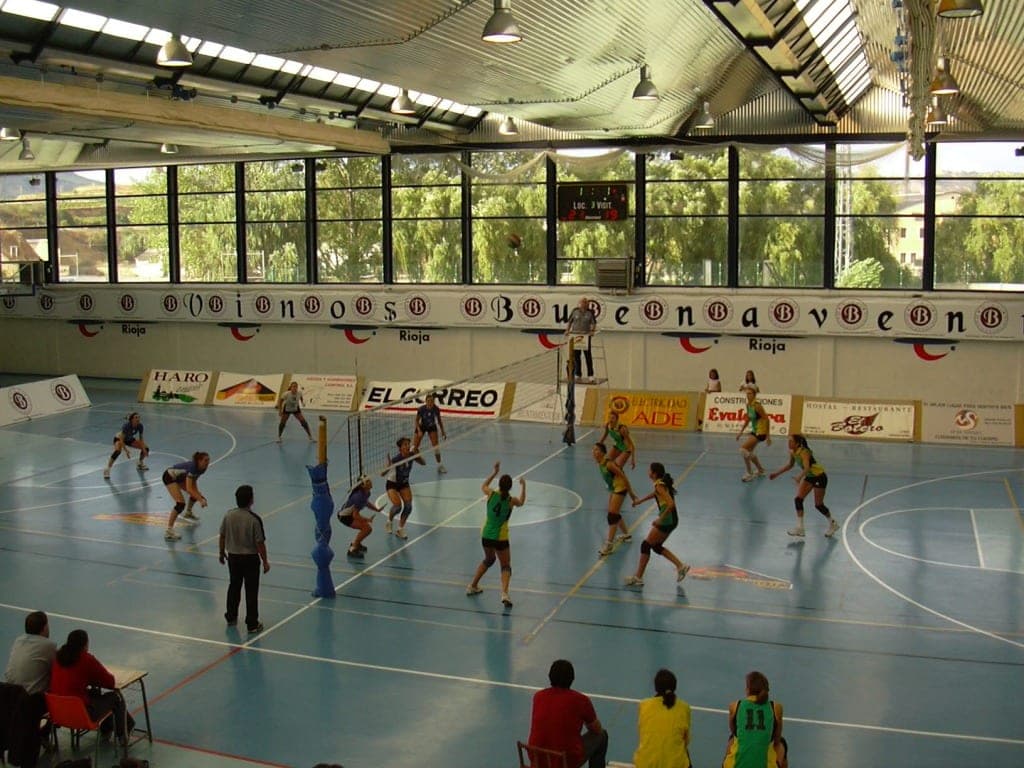
Volleyball
A non-contact team sport of rallies, jumps and teamwork — indoors or on the beach.
Football
The world’s most popular team sport — endless running, teamwork and community in one game.
Basketball
A fast, dynamic team sport of running, jumping and quick decisions on court.

Running
The most accessible endurance sport — no venue, just shoes and the open road or trail.
Frequently asked questions
How is teammate feedback different from a coach's feedback?
Teammate feedback comes from a peer in the same moment on the field, so it can be more immediate and specific, while a coach usually has a wider view from the sideline and a teaching role. Both can matter, and peer feedback tends to land best through good timing, tone and trust rather than bluntness. Norms vary by sport and team.
How do you give a teammate feedback without causing friction?
There is no single rule, but peer feedback tends to work when it is timed well, kept specific and offered in a supportive tone, so a teammate hears help rather than blame. It also goes both ways — being open to feedback yourself helps. What is considered normal varies a lot by sport, team and level.
Explore across the knowledge base
Follow the threads that connect Teammate feedback to the rest of SocialSportHub.
Practice & sessions
- Partner practicePractising with one other person — feeding, rallying and drilling together so you both get repetition, a live target and instant feedback.
- Match review sessionA session for looking back at a completed match — what worked, what didn't and why — to turn the experience into things to practise.
- Coached sessionA session led by a coach, who sets the focus, gives feedback and shapes the practice around what you need.
How this page is maintained
- Content type
- Communication concept
- Provenance
- Tier A — evergreen educational
- Verified external sources
- 0
- Content updated
- 2026-07-12
Evergreen, first-party explanation — it makes no claim that needs an external source. How we handle sources and reviews.