
Penalty Signal
A standardized hand or flag signal an official uses to announce a foul, penalty, or restart so players, teammates, and spectators can read the call.
Overview
A penalty signal is a prearranged, standardized gesture — made with the hands and arms, or with a flag — that a match official uses to communicate a decision to everyone on and around the field of play. Because officials cannot always be heard over crowd noise or across a large playing area, a visible signal lets players, coaches, scorers, and spectators instantly understand that a rule has been broken and what happens next. The same idea recurs across most refereed and umpired sports, even though the specific gestures differ from one game to another.
Signals typically carry several layers of meaning at once: that an infringement has occurred, what type of offence it was, which team is penalized or awarded the restart, and the sanction that follows. Some sports rely mainly on hand and arm gestures from a central referee, others add flags raised or thrown by assistants or line officials, and many pair the signal with a whistle beforehand and a verbal or announced explanation afterward. To keep calls consistent between different officials and understandable regardless of language, these gestures are usually codified in an official signal chart that every referee learns.
What it involves
- Penalty signals fall into two broad families: hand and arm gestures made by the referee within the field of play, and flags that are raised or thrown by assistant officials or the head official to flag an infringement or a restart.
- A single signal often encodes several facts at once — that an offence occurred, its specific type, which side is penalized or benefits, and the resulting sanction or restart.
- Signals are standardized in an official signal chart so they are unambiguous, consistent from one official to another, and readable across language barriers.
- A signal usually works together with the whistle and any announcement: the whistle stops or restarts play, the gesture shows the reason, and any spoken or displayed explanation adds detail.
- Some signals are graded or sequential — a warning gesture followed by a card, exclusion, or dismissal — and some deliberately indicate advantage or play-on rather than an immediate stoppage.
Where it’s used
Sports that use penalty signal:
American Football
A strategic, position-based team sport of set plays, sprinting and coordinated teamwork on a marked field.
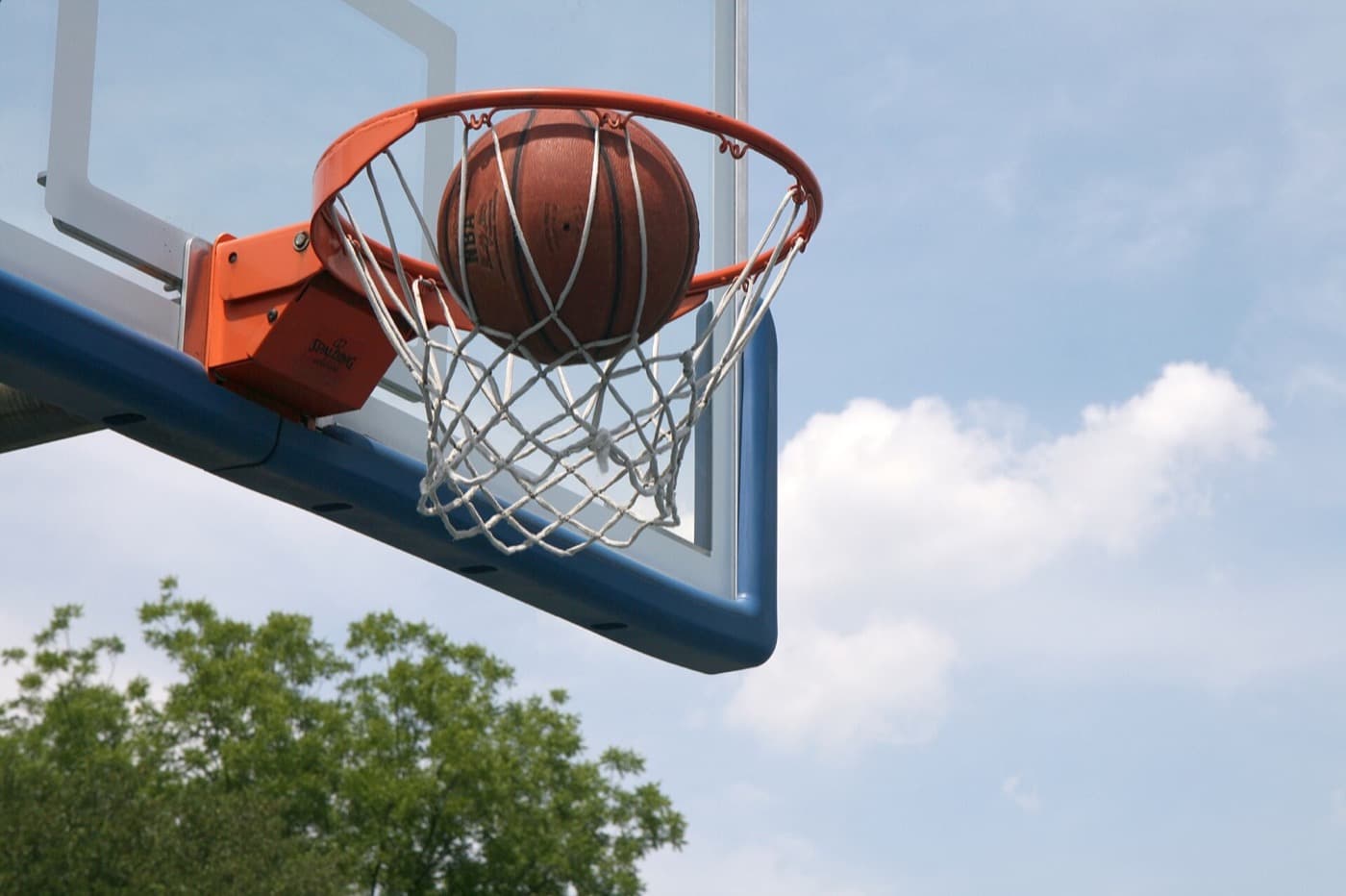
Basketball
A fast, dynamic team sport of running, jumping and quick decisions on court.

Football
The world’s most popular team sport — endless running, teamwork and community in one game.
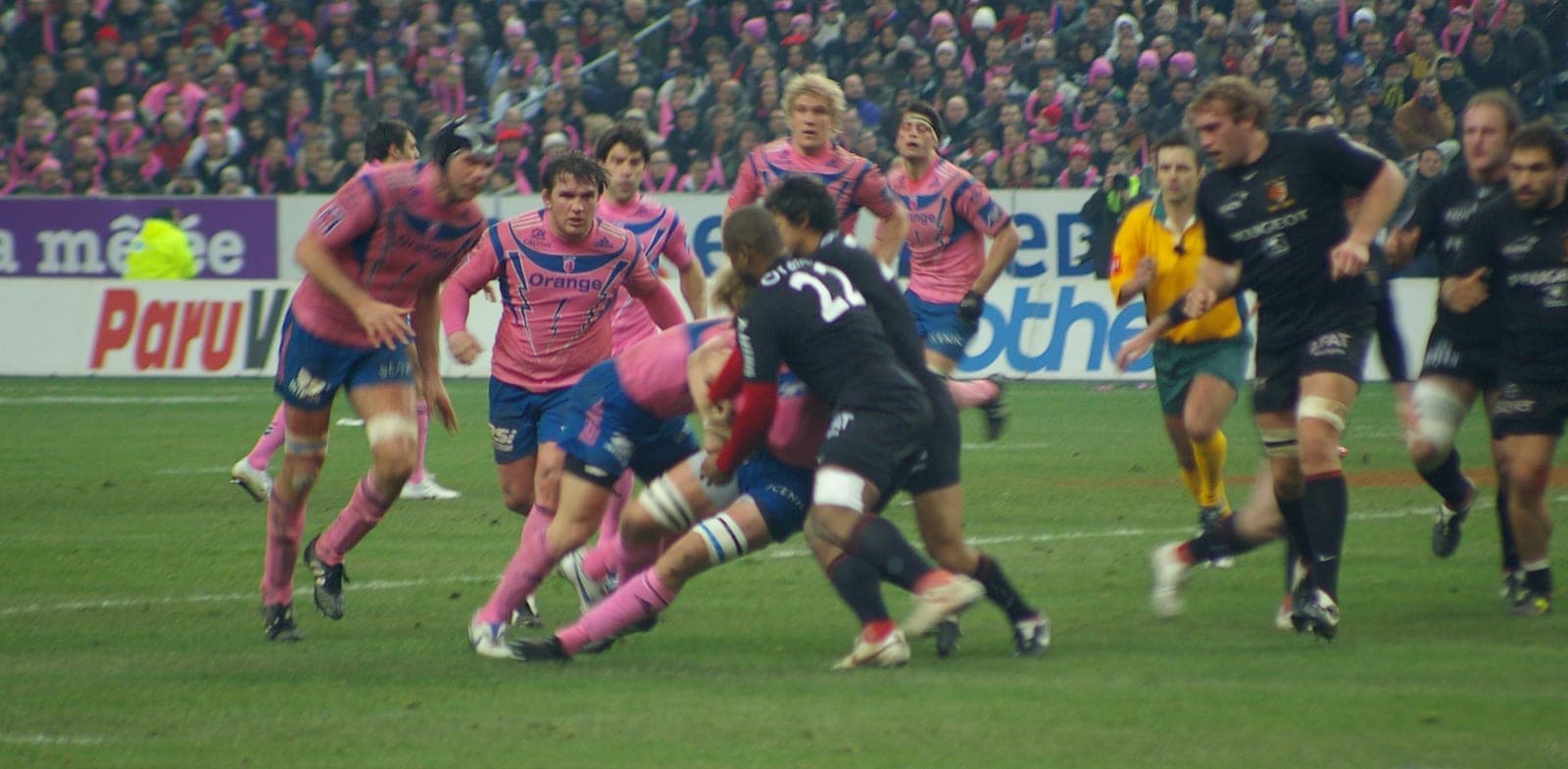
Rugby
A physical team sport of carrying, passing and kicking an oval ball toward the opposing line.
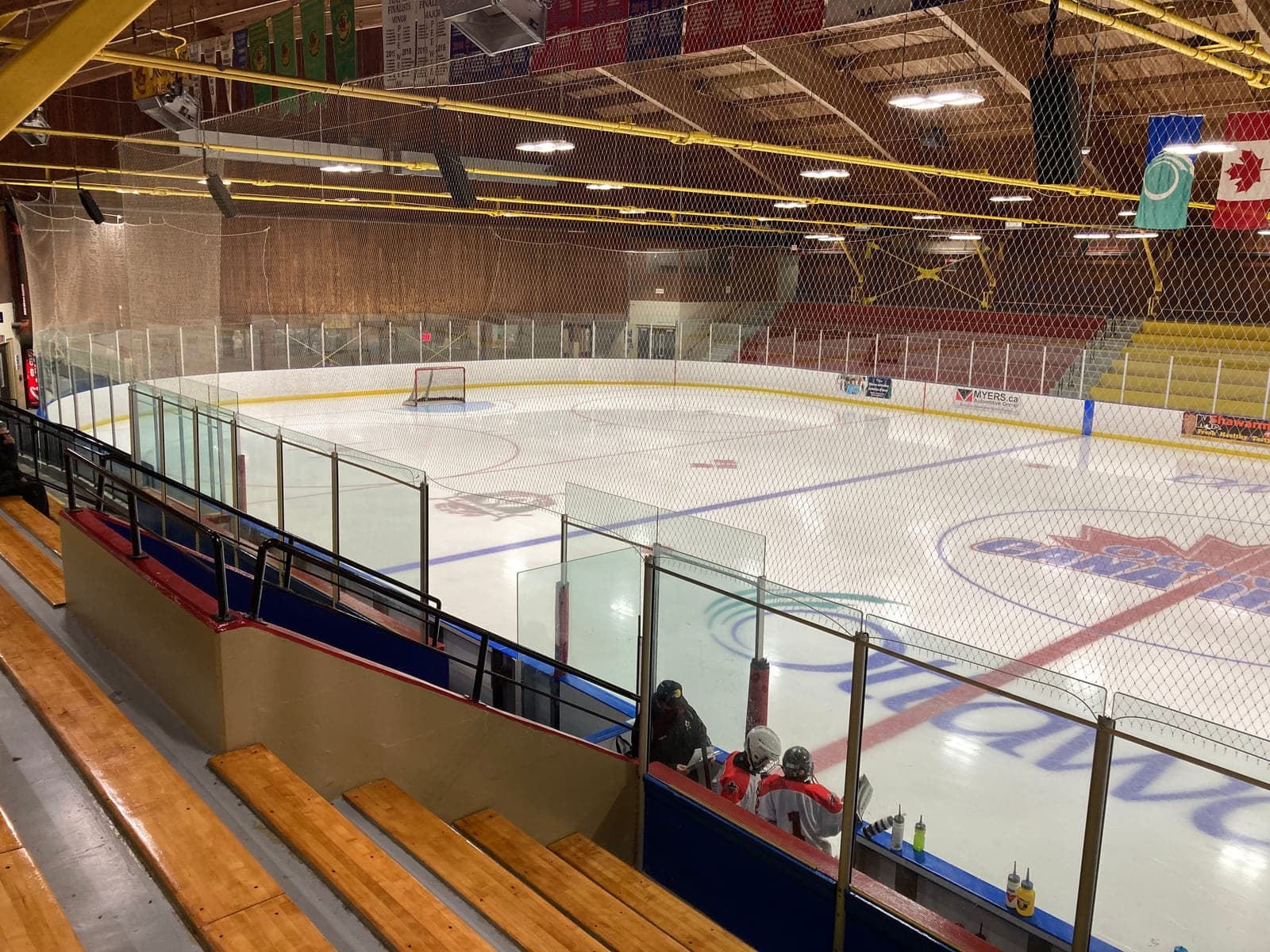
Ice Hockey
A fast team sport on ice that combines skating skill with quick passing and goal-scoring.
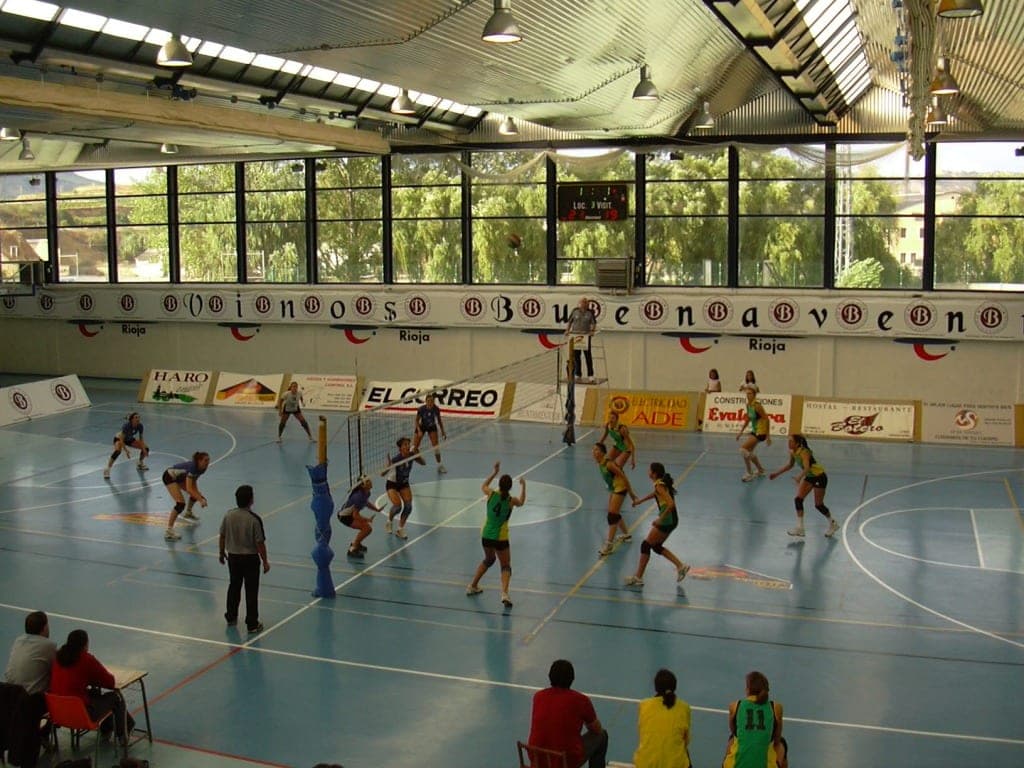
Volleyball
A non-contact team sport of rallies, jumps and teamwork — indoors or on the beach.
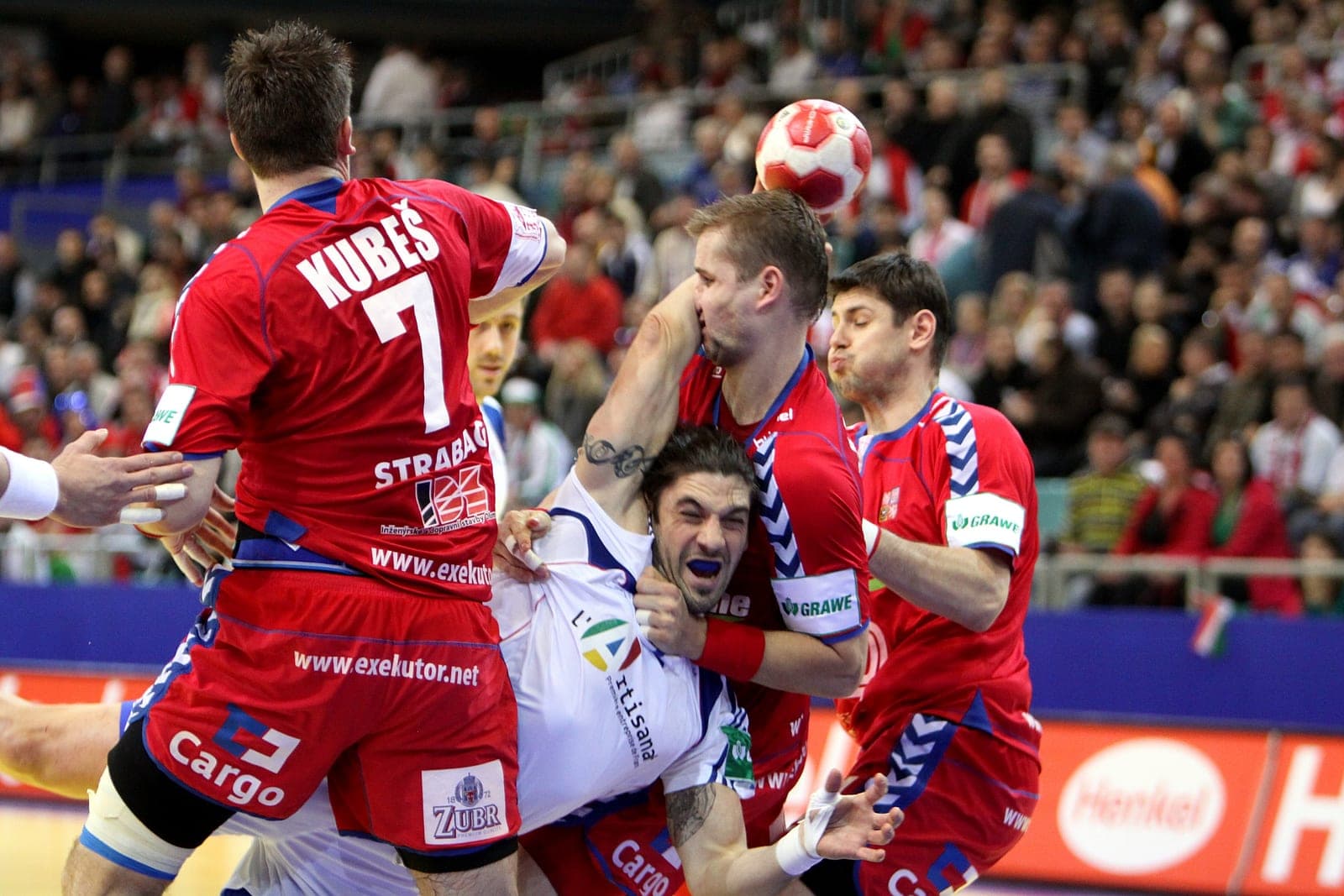
Handball
A fast indoor team sport of passing, jumping and throwing to score with the hands.
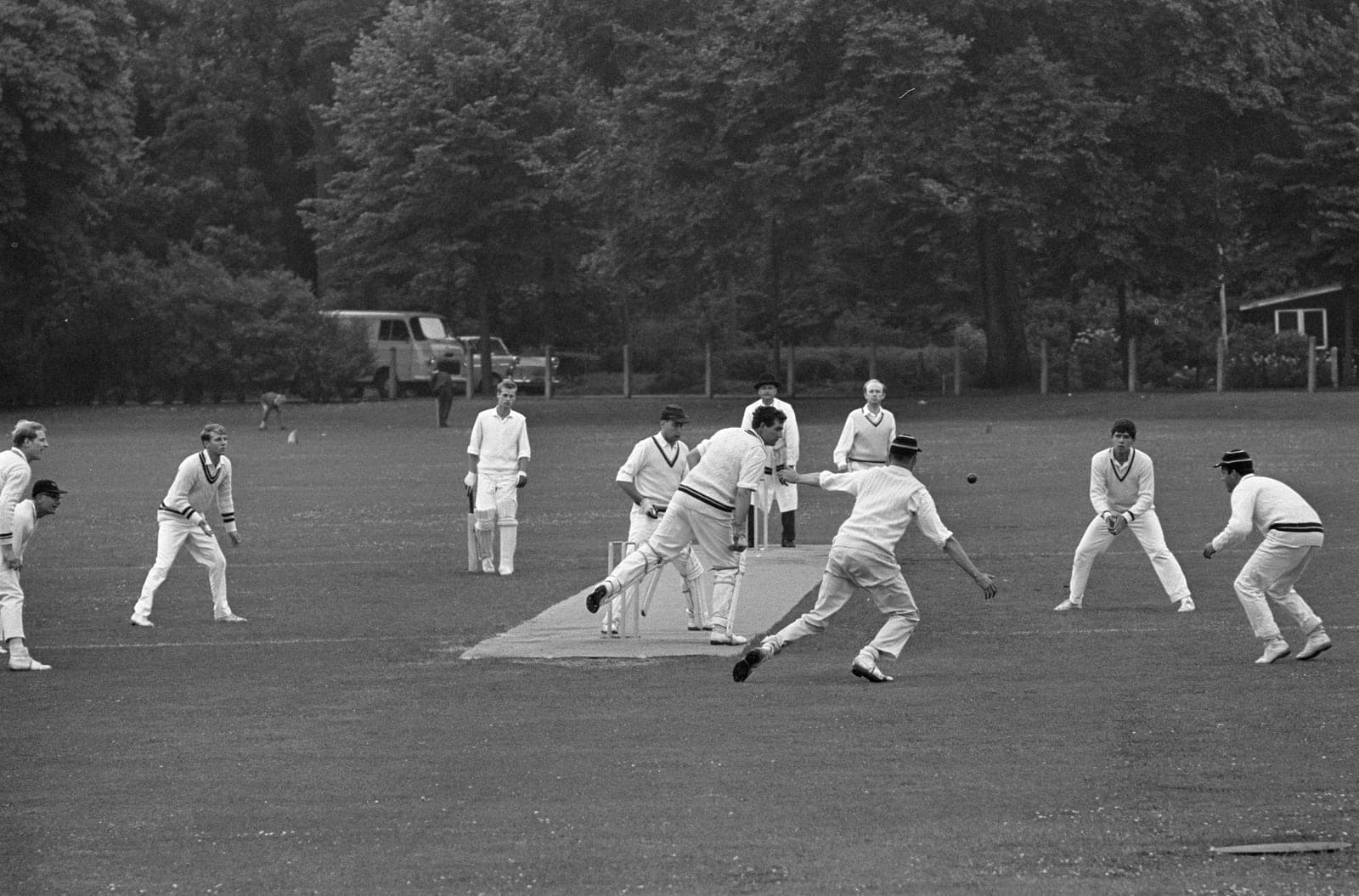
Cricket
A bat-and-ball team sport where sides take turns to bat and to bowl and field, scoring runs.
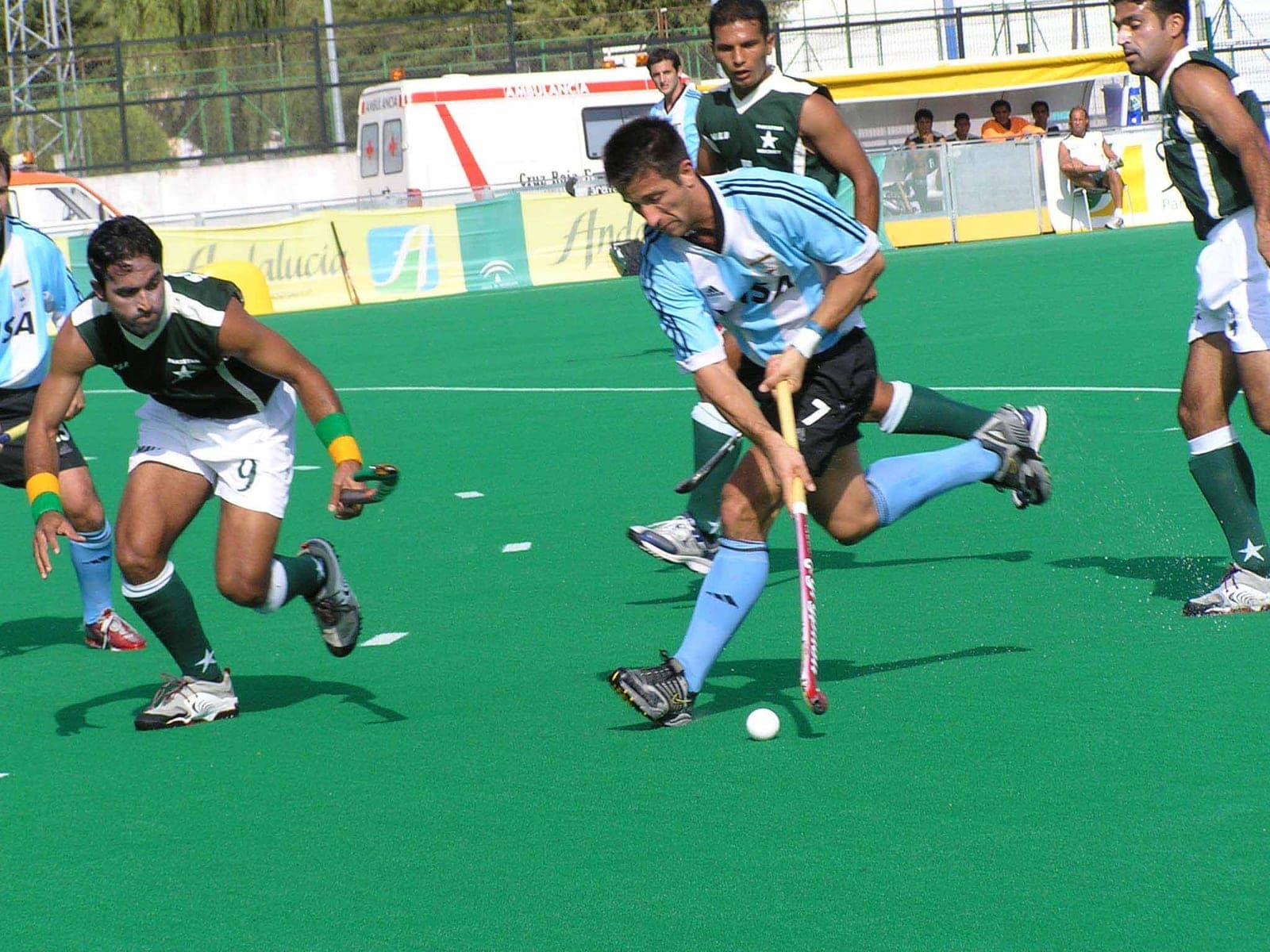
Field Hockey
An outdoor team sport that uses curved sticks to move a ball, built on agility and teamwork.
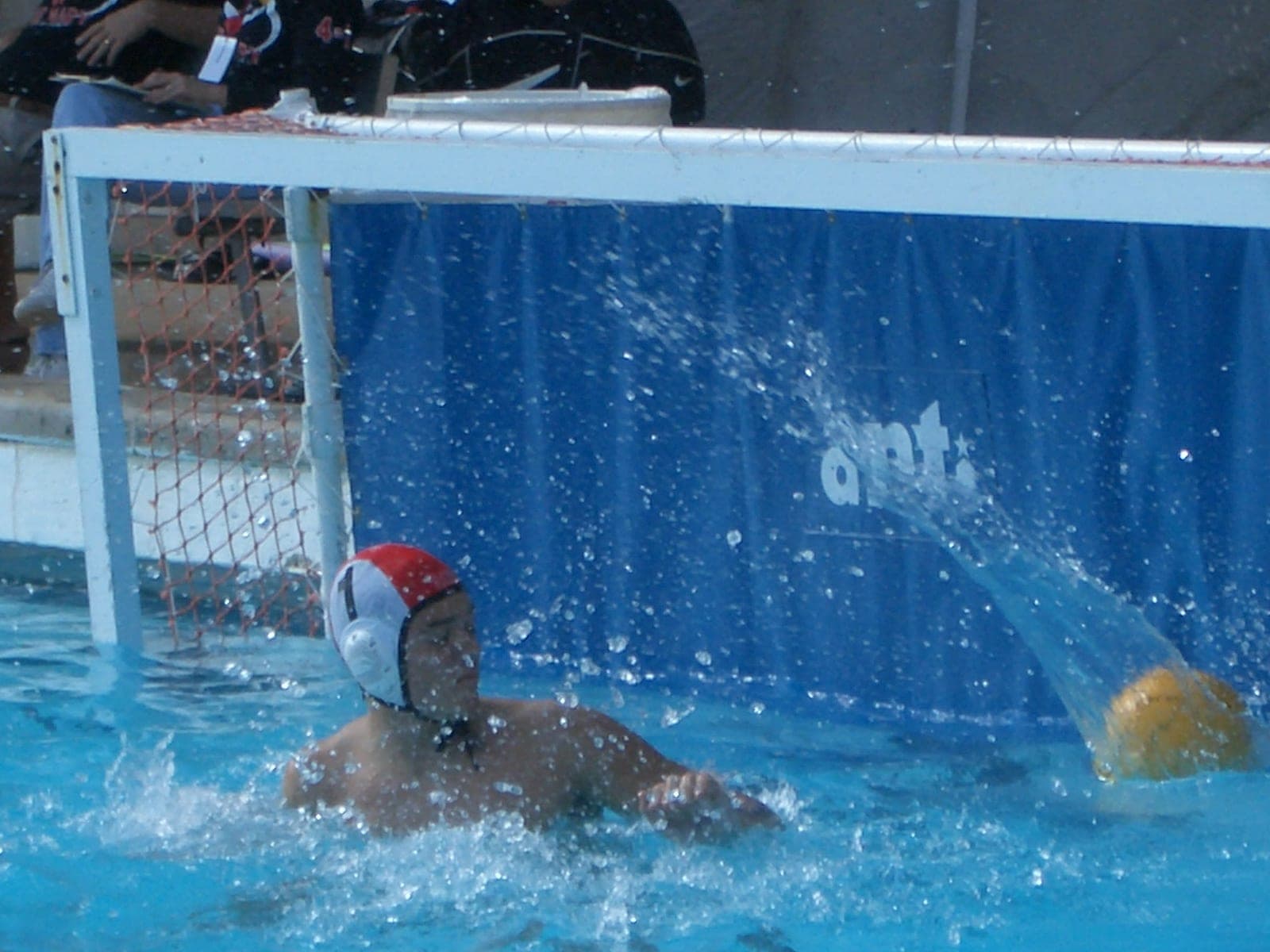
Water Polo
A demanding team sport played in deep water, blending swimming endurance with tactics.
Related officiating
Referee
The primary on-field official who enforces the rules, controls play, penalises fouls, awards restarts, and blows the whistle to start and stop a match.
Umpire
A match official who rules on lines, serves and dismissals in racket, bat-and-ball and net sports such as tennis, cricket and baseball — and, in racket sports, also keeps the running score.
Line Judge
A boundary-line official who calls whether the ball or player is in or out and flags foot faults, working under the head referee across many sports.
Explore across the knowledge base
Follow the threads that connect Penalty Signal to the rest of SocialSportHub.
Rules
- Yellow and red cardsThe disciplinary cards a football referee shows to caution or send off a player for misconduct.
- Penalty kick awardA one-on-one kick against the goalkeeper awarded when a defending player commits a direct-free-kick foul inside their own penalty area.
- Direct and indirect free kicksThe two types of free kick awarded in football to restart play after a foul or other stoppage.
- OffsideA rule that prevents an attacker from gaining an advantage by being positioned too close to the opponents' goal ahead of the ball and the last defenders.
- Throw-inThe method of restarting football when the ball fully crosses a side line, taken by throwing it back into play.
Sports communication
Player roles
- SweeperA covering defender who plays behind the main defensive line, free of a fixed marking job, to read danger and clean up attacks that slip past teammates.
- PlaymakerThe playmaker is a team's creative hub — the player who orchestrates attacks, controls the tempo and distributes the ball so teammates can score.
How this page is maintained
- Content type
- Officiating concept
- Provenance
- Tier A — evergreen educational
- Verified external sources
- 0
- Content updated
- 2026-09-12
Evergreen, first-party explanation — it makes no claim that needs an external source. How we handle sources and reviews.