
Yellow card
A caution shown by an official to formally warn a player for misconduct or a serious foul.
Definition
In football and several other sports, a referee holds up a yellow card to caution a player for offences such as a reckless foul, unsporting behaviour or dissent. It acts as an official warning that is recorded for the match.
A player who receives a second yellow card in the same game is usually then shown a red card and sent off. In some sports a yellow card also means a short spell off the field before the player can return.
Where you’ll hear “yellow card”
Sports that use this term:
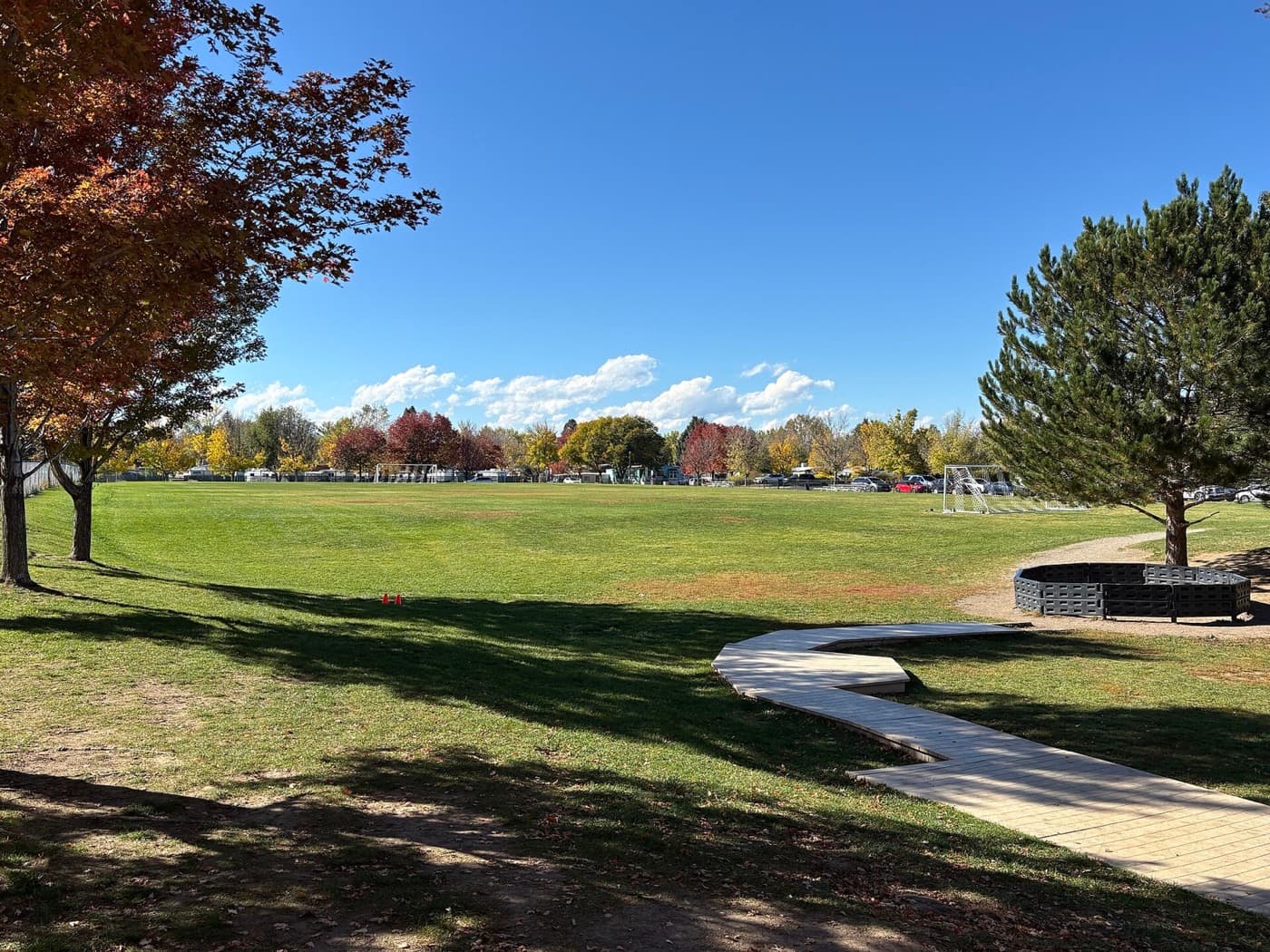
Football
The world’s most popular team sport — endless running, teamwork and community in one game.
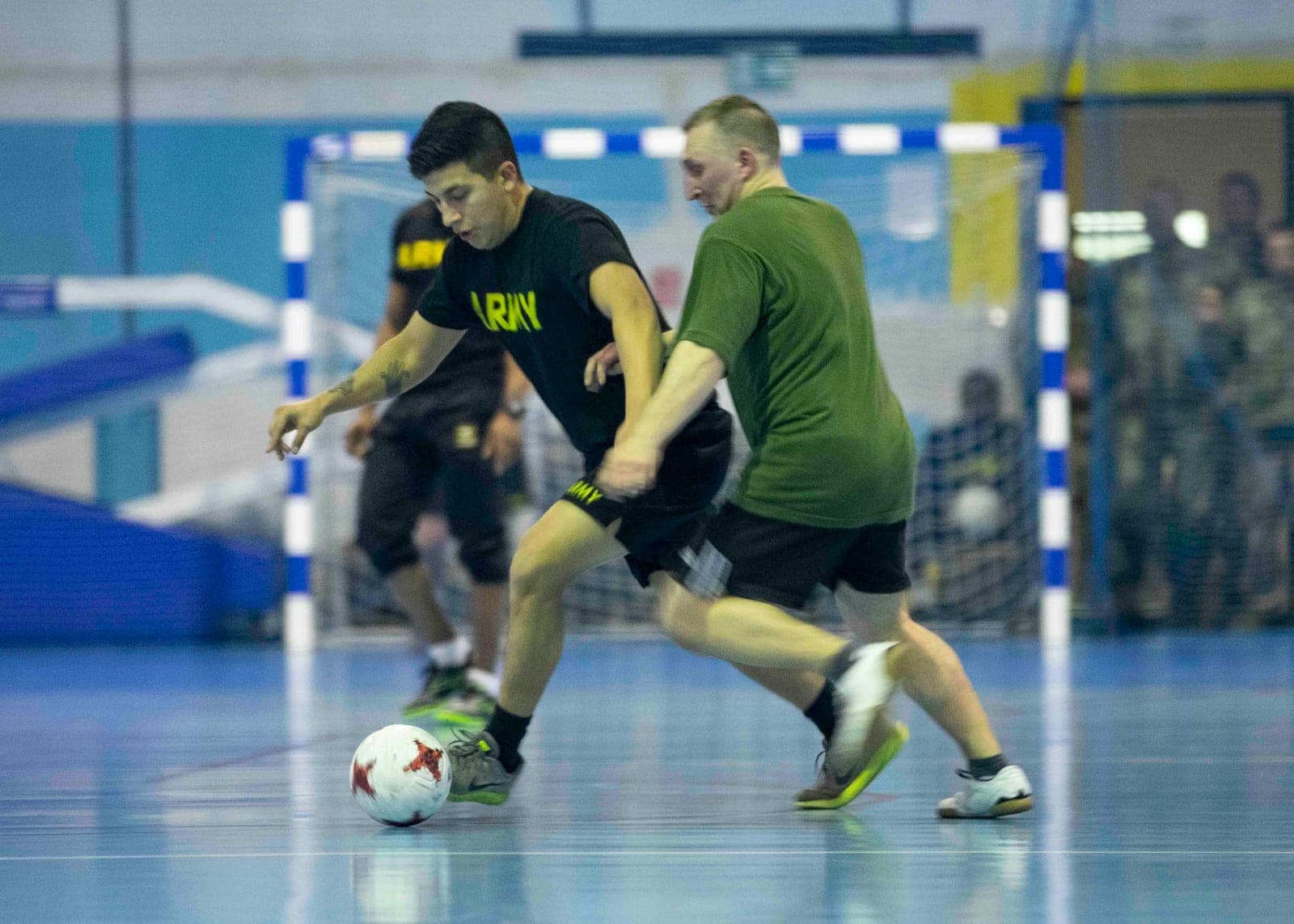
Futsal
A fast, small-sided indoor form of football played on a hard court with a low-bounce ball.
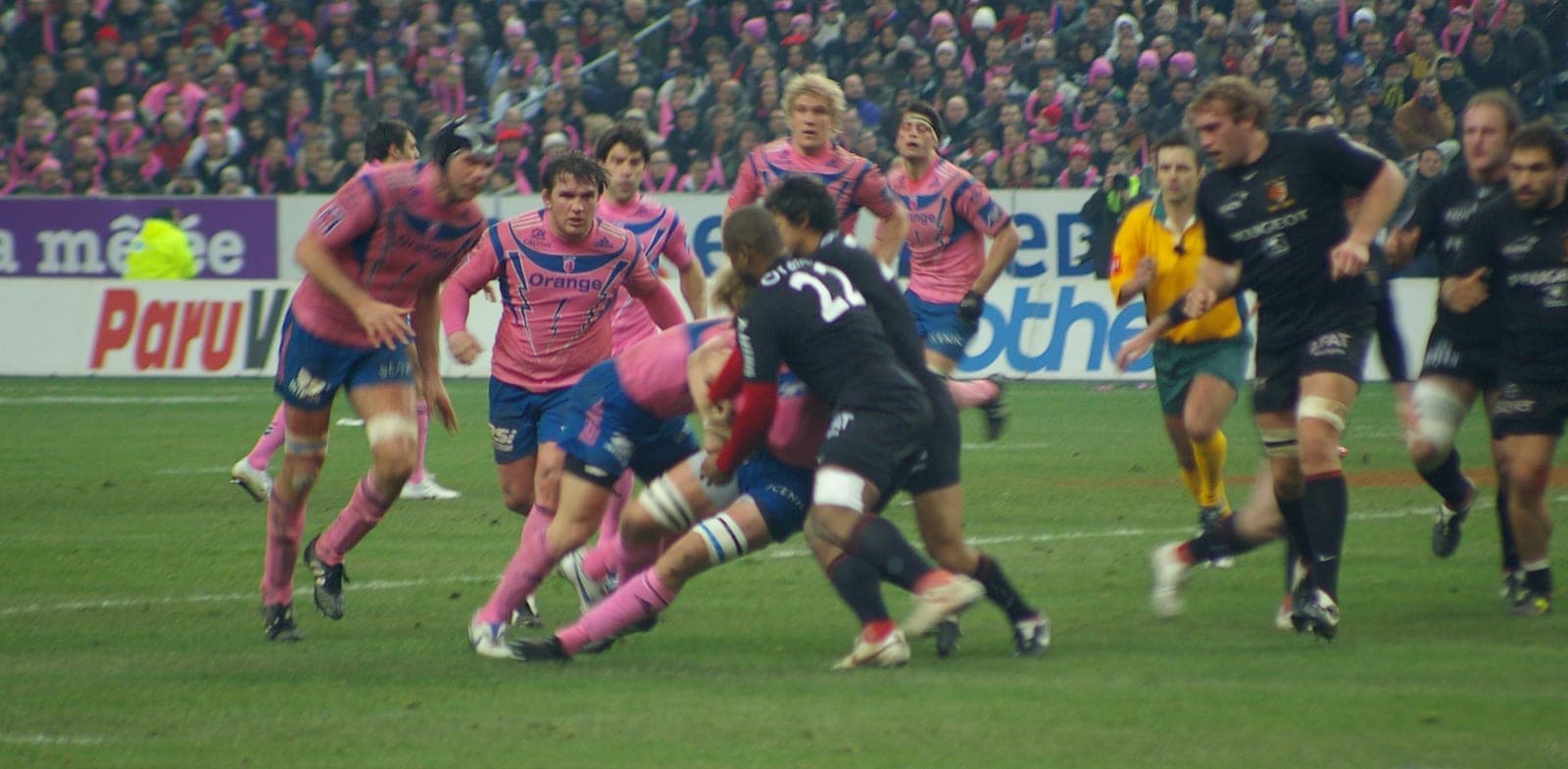
Rugby
A physical team sport of carrying, passing and kicking an oval ball toward the opposing line.
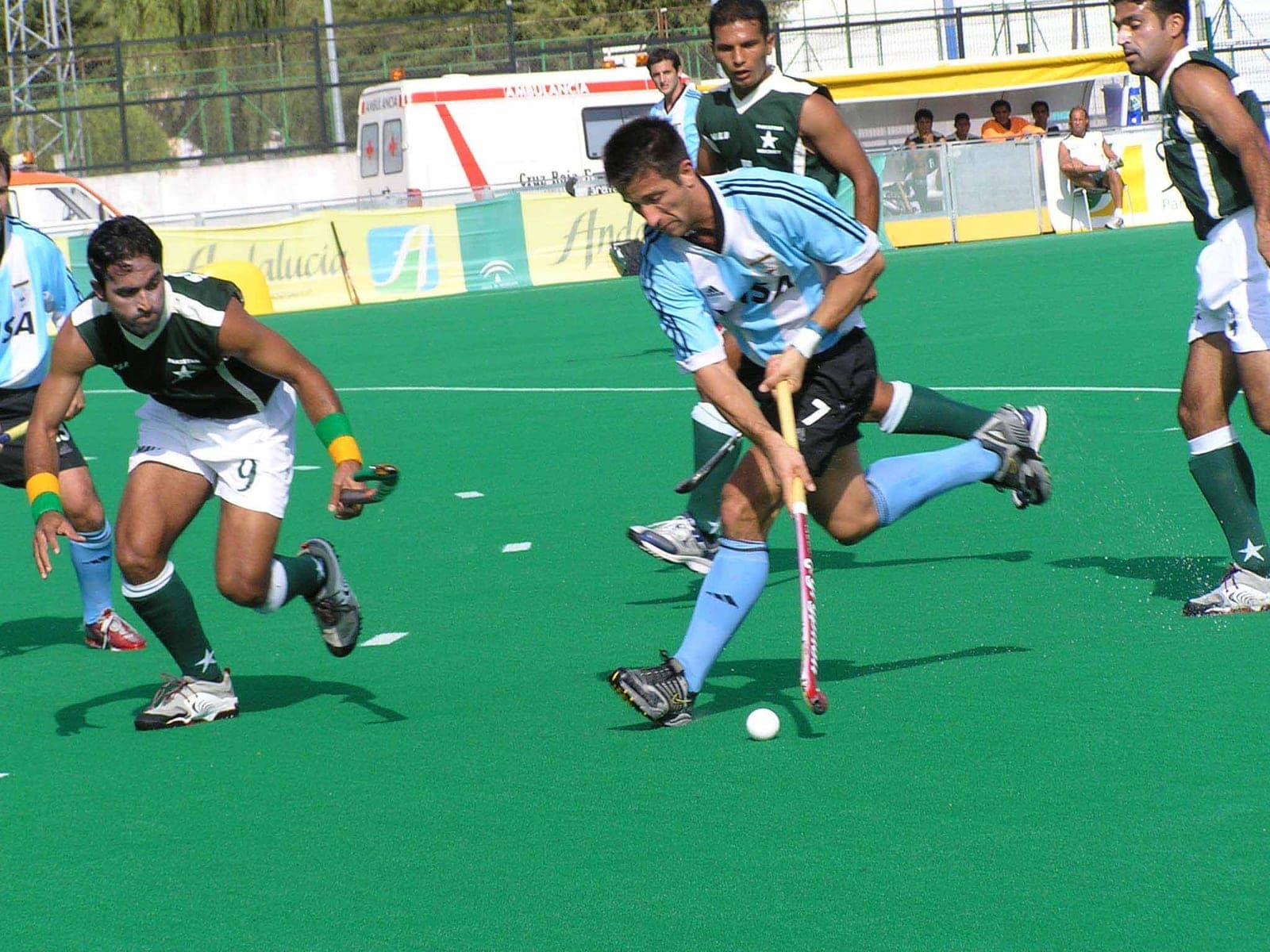
Field Hockey
An outdoor team sport that uses curved sticks to move a ball, built on agility and teamwork.
Explore across the knowledge base
Follow the threads that connect Yellow card to the rest of SocialSportHub.
Rules
- Yellow and red cardsThe disciplinary cards a football referee shows to caution or send off a player for misconduct.
- Handball offenceA foul in football committed when an outfield player deliberately handles or controls the ball with the hand or arm.
- Penalty kick awardA one-on-one kick against the goalkeeper awarded when a defending player commits a direct-free-kick foul inside their own penalty area.
- Direct and indirect free kicksThe two types of free kick awarded in football to restart play after a foul or other stoppage.
- Throw-inThe method of restarting football when the ball fully crosses a side line, taken by throwing it back into play.
Officiating
- RefereeThe primary on-field official who enforces the rules, controls play, penalises fouls, awards restarts, and blows the whistle to start and stop a match.
- Penalty SignalA standardized hand or flag signal an official uses to announce a foul, penalty, or restart so players, teammates, and spectators can read the call.
- AdvantageIn many sports, officials let play continue after a foul when stopping would help the offender, so the fouled team keeps the advantage it has gained.
- Foul callA foul call is an official's ruling that a player broke a rule of contact or conduct, triggering a penalty such as a free kick, free throw or penalty.
- Out-of-Bounds CallAn official's ruling that the ball or a player in possession has left the legal playing area, stopping play and handing a restart or possession to the opponent.
Positions
- StrikerA striker is the main attacking player in football, positioned furthest forward with the primary job of scoring goals.
- GoalkeeperThe goalkeeper is the last line of defence in football and the only player allowed to handle the ball inside their own penalty area.
- CenterThe center is usually the tallest player on a basketball team, playing near the basket to score inside, rebound, and protect the rim.
- WingerA winger is an attacking player who operates in the wide areas of the pitch, using pace and dribbling to beat defenders and create chances.
- Point guardThe point guard is basketball’s primary ball-handler and playmaker, running the offence and setting up teammates to score.
Player roles
- Utility playerA dependable, versatile player who can competently fill several different positions as the team needs, rather than specialising in just one.
- Ball-winnerA ball-winner is the player tasked with regaining possession through pressing, tackling and interceptions — a team's tireless defensive workhorse.
- PlaymakerThe playmaker is a team's creative hub — the player who orchestrates attacks, controls the tempo and distributes the ball so teammates can score.
- Target playerA target player is a focal attacker who receives, holds up and links play for others, often physically strong and good in the air or with the hands.
- AnchorThe anchor is a cross-sport holding role: a steadying, defensive-minded player who shields the back line, screens danger and gives teammates a reliable base.
Sports communication
- Role clarityEveryone on a team understanding what their own job is — and their teammates' — so effort is not wasted on overlap or gaps.
- Captain communicationHow a team's designated captain relays decisions, sets a tone and — in many sports — acts as the recognised point of contact with officials.
- Coach-to-player feedbackHow a coach shares usable information with a player about what they did and what to try next — usually specific, well timed and focused on one thing at a time.