
Transition
The phase of play when possession changes hands and teams must quickly switch between attacking and defending.
Definition
Transition is the moment a team wins or loses the ball and has to change its shape, either from attacking to defending or from defending to attacking. These switches often produce the best chances, because at least one team is temporarily out of position.
Coaches in football, basketball, handball and hockey talk about transition offence, attacking fast before the defence is set, and transition defence, recovering shape after losing the ball. Managing these moments well, through quick counter-attacks or immediate pressing, is a key part of modern tactics.
Where you’ll hear “transition”
Sports that use this term:

Football
The world’s most popular team sport — endless running, teamwork and community in one game.

Basketball
A fast, dynamic team sport of running, jumping and quick decisions on court.
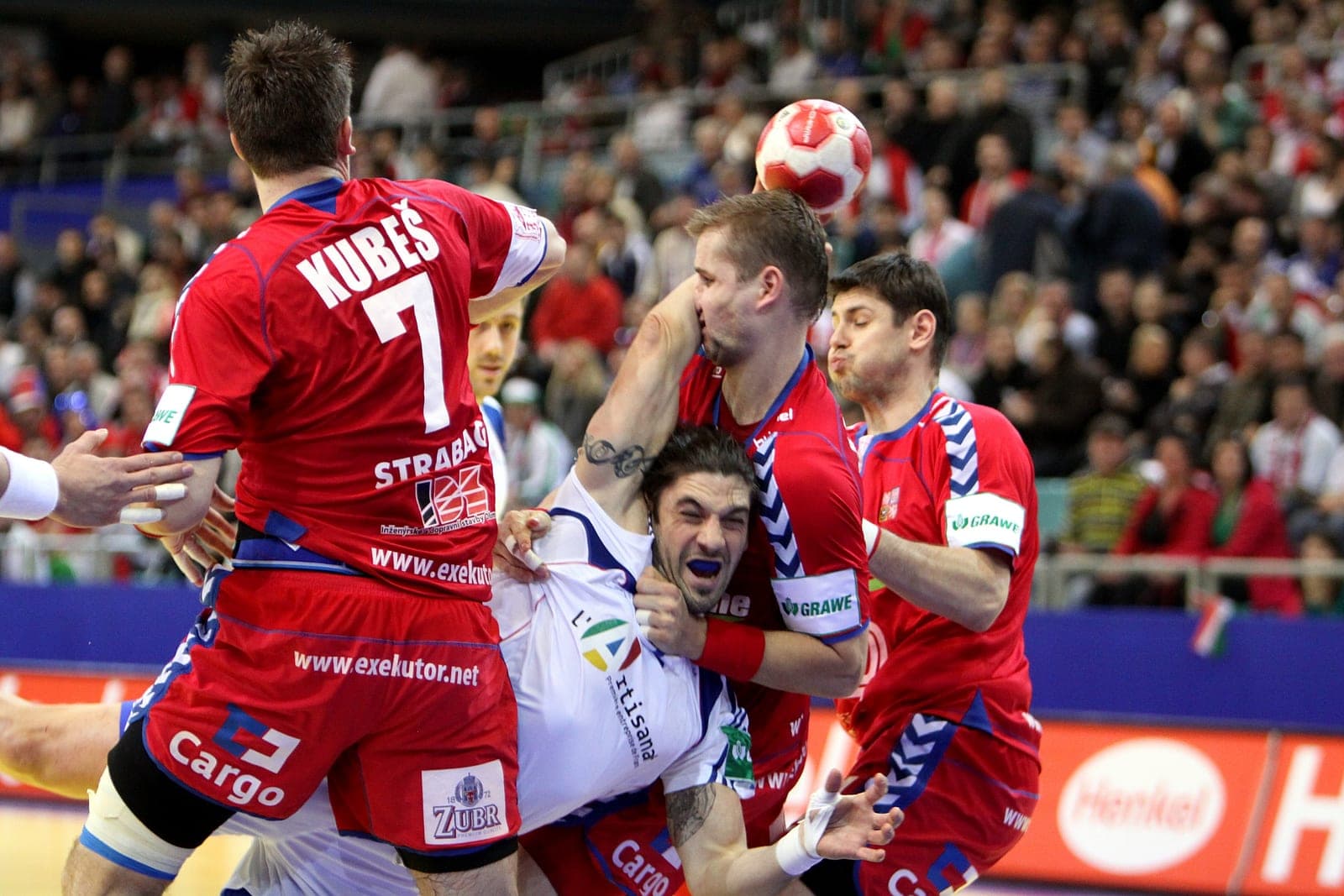
Handball
A fast indoor team sport of passing, jumping and throwing to score with the hands.
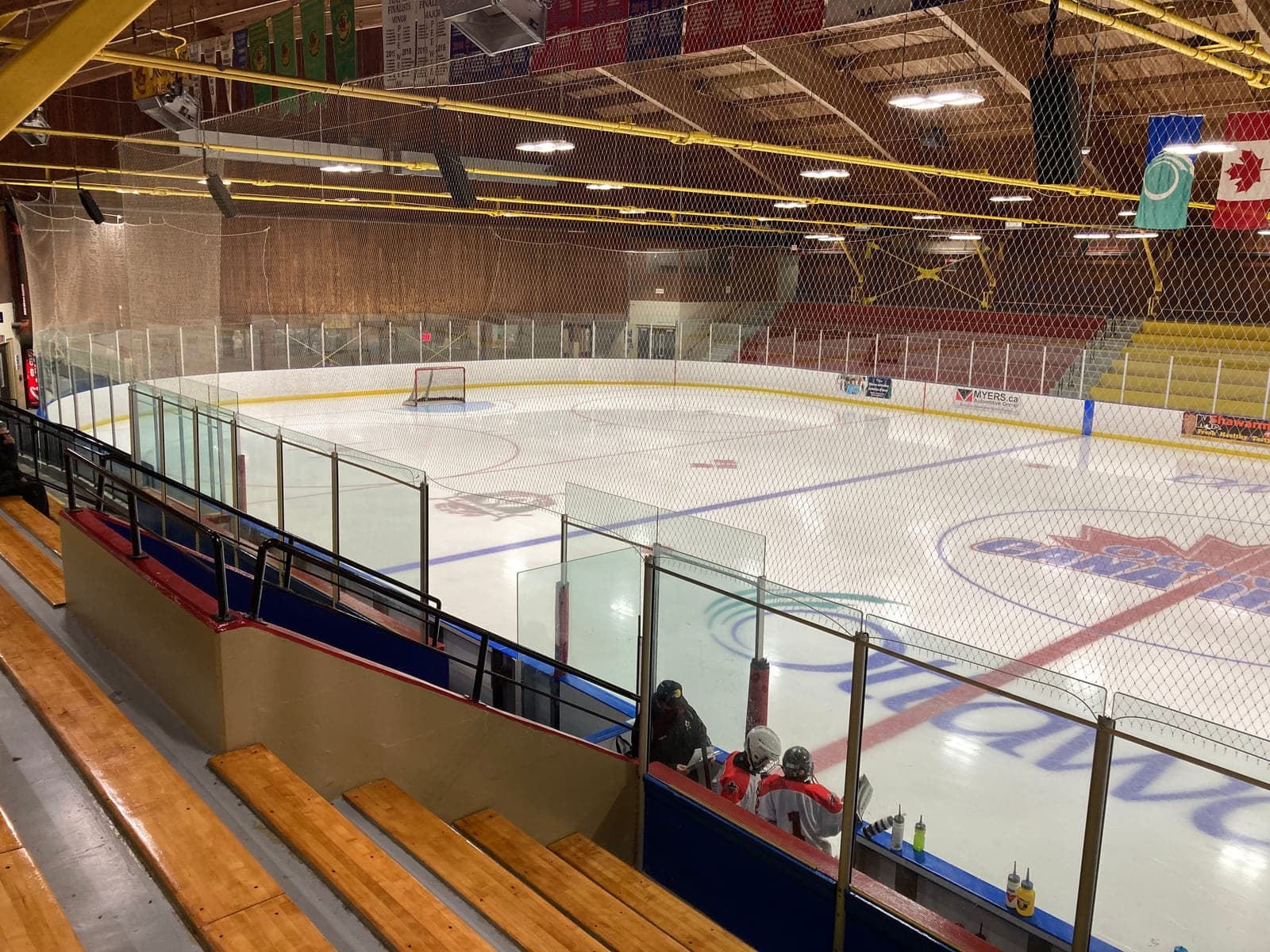
Ice Hockey
A fast team sport on ice that combines skating skill with quick passing and goal-scoring.
Explore across the knowledge base
Follow the threads that connect Transition to the rest of SocialSportHub.
Strategies
- Transition PlayTransition play is the strategy of switching quickly between attack and defence the moment possession changes, exploiting the opponent's brief disorganisation.
- Possession vs Direct PlayThe strategic choice between retaining the ball to build attacks patiently and moving it forward quickly and directly toward the goal.
- Using Width and SpaceA side's plan to stretch the playing area and open gaps when attacking, then shrink and control that space when defending.
Sports communication
Tactics
- Fast breakPushing the ball up court at speed after a turnover or rebound to score before the defence sets up.
- Phase playHow rugby union teams attack by keeping the ball through successive rucks — what a phase is, why phases move a defence, and the cost that eventually makes a team stop.
- Territory versus possessionRugby union's central strategic trade — when to keep the ball and when to kick it away — and why the 22-metre line makes field position worth more than possession in some parts of the field.
- Counter-attackWinning the ball and moving forward at speed to attack before the opponent can reorganise their defence.
Decision making
- When to defendJudging the moment to switch from attacking intent to protecting your goal, court or position — recognising when the situation calls for security over ambition.
- Transition decisionsThe choices made at the moment a situation flips — winning or losing the ball, and switching between attack and defence.
- Time-pressure decisionsChoosing what to do when there is very little time between reading a situation and having to act.
Go deeper with Transition
Everywhere else on the platform that covers Transition — assembled from what actually references it, so nothing here is a dead end.
Take it away
Open data and the whole-platform view of this subject.
How this page is maintained
- Content type
- Term
- Provenance
- Tier A — evergreen educational
- Verified external sources
- 0
- Content updated
- 2026-09-01
Evergreen, first-party explanation — it makes no claim that needs an external source. How we handle sources and reviews.