
Concise communication
Saying the useful thing in as few clear words as possible — especially when time, noise or pressure leave no room for long messages.
Overview
Concise communication is the habit of getting a message across in as few clear words as possible. In sport there is often no time for long explanations — a fraction of a second, a noisy hall, a fast break — so a short, unambiguous word or signal usually beats a full sentence. It leans heavily on shared terminology, because an agreed word can carry a lot of meaning quickly.
Concise does not mean abrupt or unclear; the aim is to keep the useful information and drop the rest. How short is short enough varies by sport and moment — some situations need only a single called word, while a pre-match talk can afford more.
How it works
- It is getting the useful message across in as few clear words as possible.
- It matters most when time, noise or pressure leave no room for long messages.
- It relies on shared terminology, so one agreed word can carry a lot.
- Concise is not the same as abrupt — the aim is clarity, keeping what is useful.
- How brief is brief enough varies by sport, situation and how much time there is.
In practice
- In fast play like basketball or badminton, a single called word often has to do the whole job.
- In a noisy environment, a short signal or agreed term can be clearer than a shouted sentence.
- With more time, such as a pre-match talk, communication can be fuller without losing focus.
Educational — and it varies
Where it shows up
Sports where this communication is especially visible — each with a clear guide.

Basketball
A fast, dynamic team sport of running, jumping and quick decisions on court.
Badminton
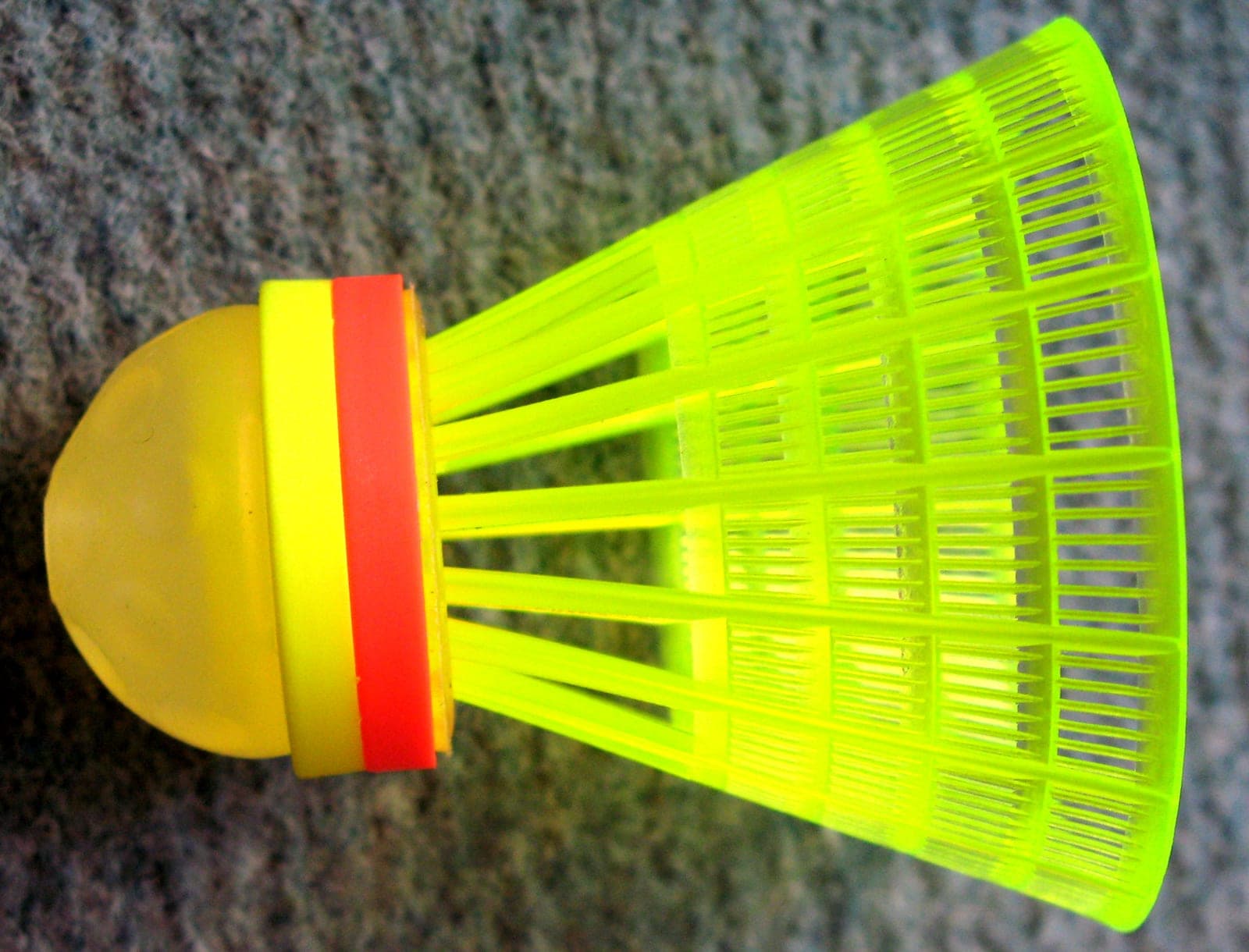
A fast indoor racquet sport played with a shuttlecock that rewards agility and touch.
Volleyball
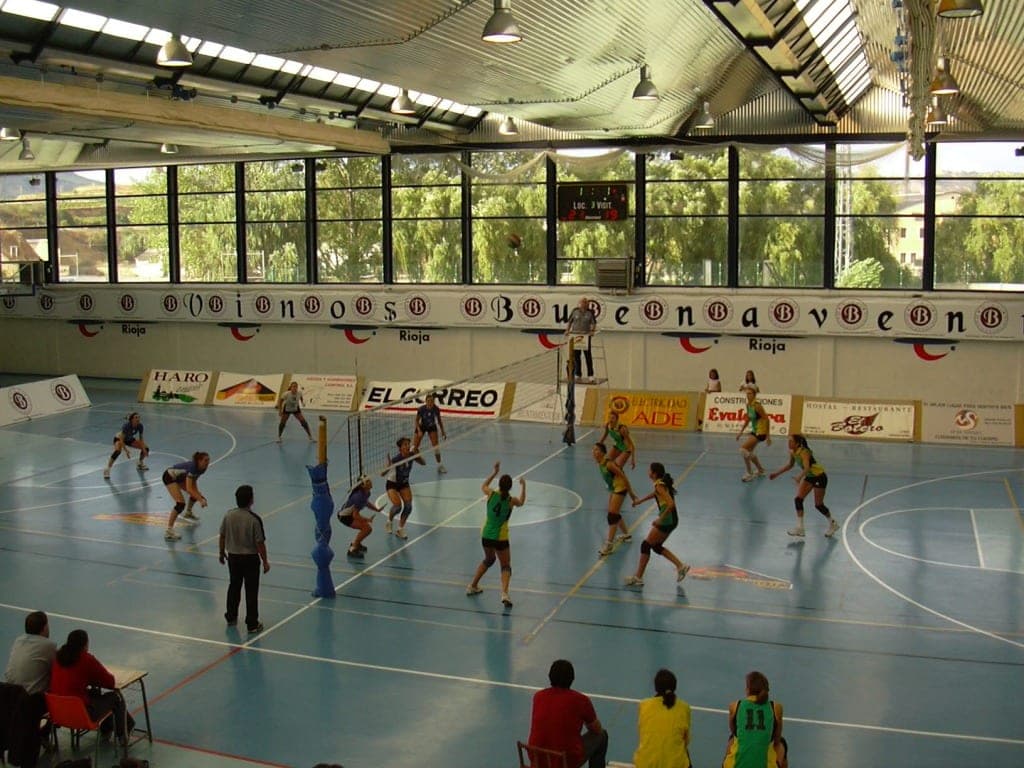
A non-contact team sport of rallies, jumps and teamwork — indoors or on the beach.

Football
The world’s most popular team sport — endless running, teamwork and community in one game.
Frequently asked questions
Why is concise communication useful in sport?
When there is little time, a lot of noise or high pressure, a short and unambiguous word or signal tends to be clearer and faster than a full sentence. It usually depends on shared terminology so one agreed word carries meaning quickly, and how brief is brief enough varies with the sport and the situation.
Explore across the knowledge base
Follow the threads that connect Concise communication to the rest of SocialSportHub.
Decision making
- Situational awarenessHolding an overall picture of what is happening around you — teammates, opponents, ball, space and the state of the game — and keeping it updated as play unfolds.
- Time-pressure decisionsChoosing what to do when there is very little time between reading a situation and having to act.
- When to defendJudging the moment to switch from attacking intent to protecting your goal, court or position — recognising when the situation calls for security over ambition.
Skills Academy
How this page is maintained
- Content type
- Communication concept
- Provenance
- Tier A — evergreen educational
- Verified external sources
- 0
- Content updated
- 2026-07-12
Evergreen, first-party explanation — it makes no claim that needs an external source. How we handle sources and reviews.