
Swim fins
Foot blades that increase propulsion when swimming, snorkelling or diving.
Overview
Swim fins, also called flippers, are worn on the feet and use a broad blade to push more water with each kick, giving the swimmer greater propulsion. They turn small leg movements into stronger forward motion.
Short fins are common for pool training, while longer fins suit snorkelling and diving where efficient movement over distance matters.
Good to know
- Also known as flippers.
- The blade pushes more water for stronger propulsion.
- Short fins suit training; longer fins suit diving.
Where it’s used
Sports that use swim fins:
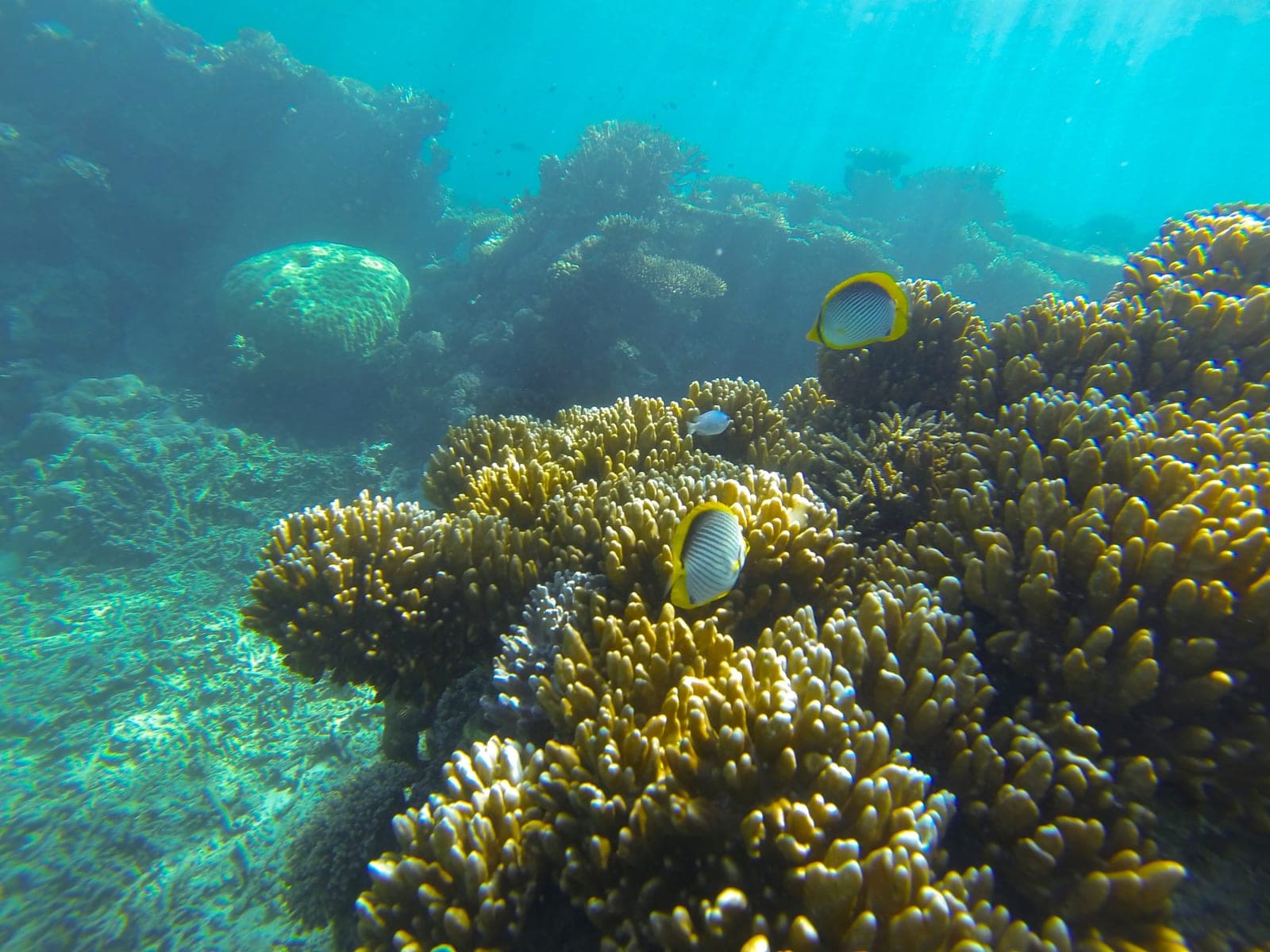
Snorkeling
A relaxed way to observe underwater life while floating at the surface with a mask and breathing tube.
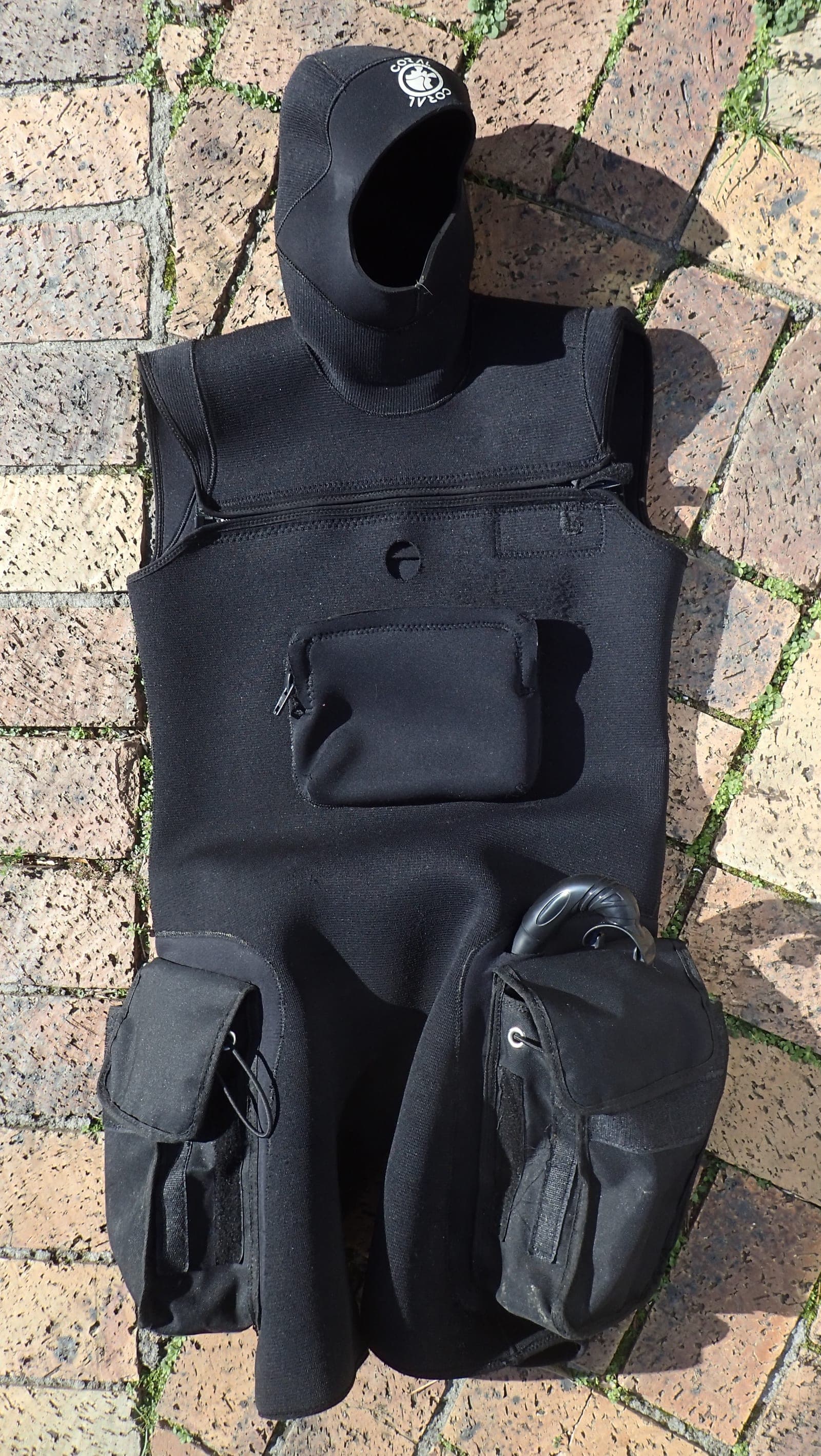
Scuba Diving
An underwater sport using breathing equipment to explore beneath the surface, always learned through qualified training.
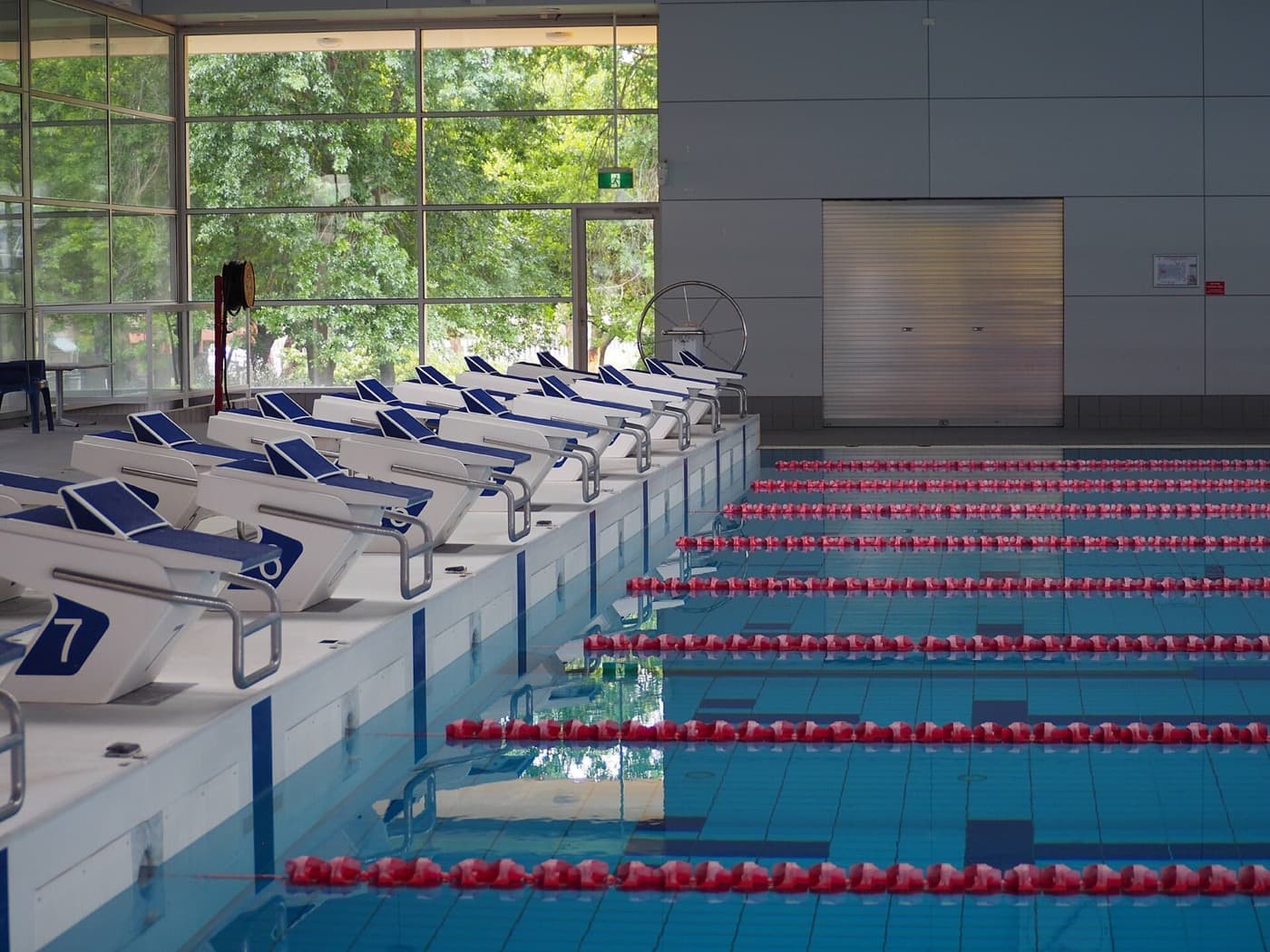
Swimming
A full-body, low-impact endurance sport suitable for almost every age and ability.
Related equipment
Swimming goggles
Sealed eyewear that lets swimmers see clearly and keep water out of the eyes.
Wetsuit
A close-fitting neoprene suit that keeps the wearer warm in cold water.
Sports bag
A roomy bag for carrying kit, footwear and gear to and from training, usually with a separate compartment for wet or muddy items.
How it connects
The meaning-bearing relationships that place Swim fins in the wider knowledge graph — each one with the reason it exists.
Frequently learned together
Taught side by side in the same stage of a learning path.
Explore across the knowledge base
Follow the threads that connect Swim fins to the rest of SocialSportHub.
Disciplines
- FreestyleFreestyle is the fastest swimming stroke, swum face-down with an alternating arm pull and flutter kick — the stroke most people picture when they think of swimming.
- BackstrokeBackstroke is swum face-up with an alternating arm pull and flutter kick — the one competitive stroke where you breathe freely because your face stays out of the water.
- ButterflyButterfly is swum with a simultaneous over-water arm recovery and an undulating dolphin kick — the most physically demanding stroke, built on rhythm and core-driven body movement.
- Individual medleyThe individual medley (IM) combines all four strokes in a set order — butterfly, backstroke, breaststroke, then freestyle — testing all-round swimming across a single event.
- Long Distance (Ironman)Long distance triathlon, popularly known as Ironman, covers a 3.8 km swim, 180 km bike, and a 42.2 km marathon run.
Go deeper with Swim fins
Everywhere else on the platform that covers Swim fins — assembled from what actually references it, so nothing here is a dead end.
Learn it
Structured courses and paths on the platform that cover this directly.
Take it away
Open data and the whole-platform view of this subject.
How this page is maintained
- Content type
- Equipment
- Provenance
- Tier A — evergreen educational
- Verified external sources
- 0
- Content updated
- 2026-09-12
Evergreen, first-party explanation — it makes no claim that needs an external source. How we handle sources and reviews.