
Cue
A cue is a short, focused instruction a coach gives to direct an athlete's attention and shape a movement or decision.
Definition
A cue is a concise prompt, a word, phrase, or signal, that a coach uses to direct an athlete's attention toward a specific aspect of performance. Cues are often distinguished by focus: an internal cue points to the body ('squeeze your glutes'), while an external cue points to the effect or environment ('drive the floor away'). Research in motor learning frequently finds external cues effective for skill execution, though the best choice depends on the athlete and task.
Good cues are brief and memorable so they can be applied in the moment without overloading the athlete with information. They may be verbal, visual, or tactile, and are a core tool of coaching communication alongside feedback. A coaching cue is unrelated to the cue used in billiards or snooker, which is a piece of equipment.
Where you’ll hear “cue”
Sports that use this term:

Fitness
Strength and general fitness training — the foundation that supports every other sport.
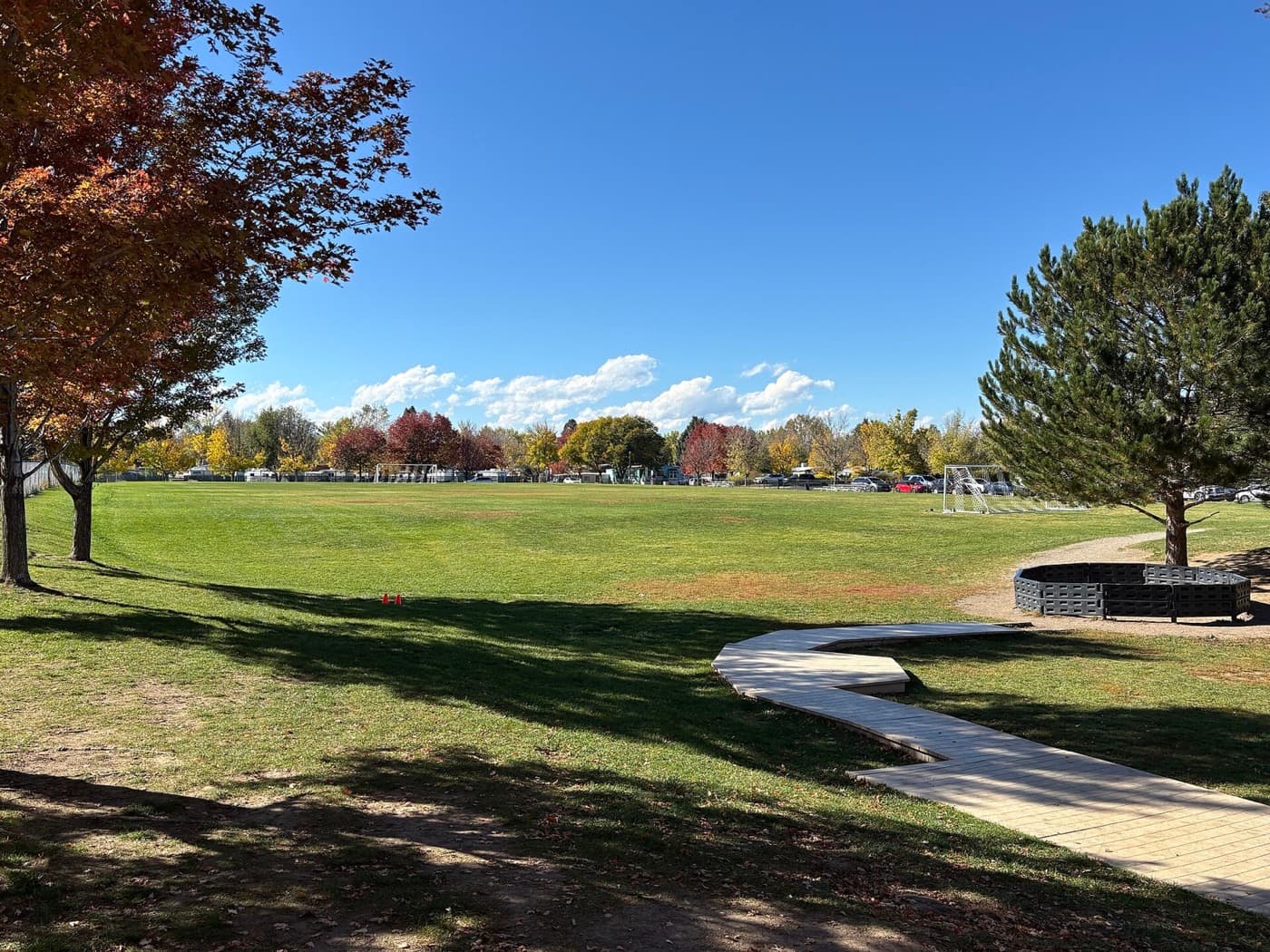
Football
The world’s most popular team sport — endless running, teamwork and community in one game.
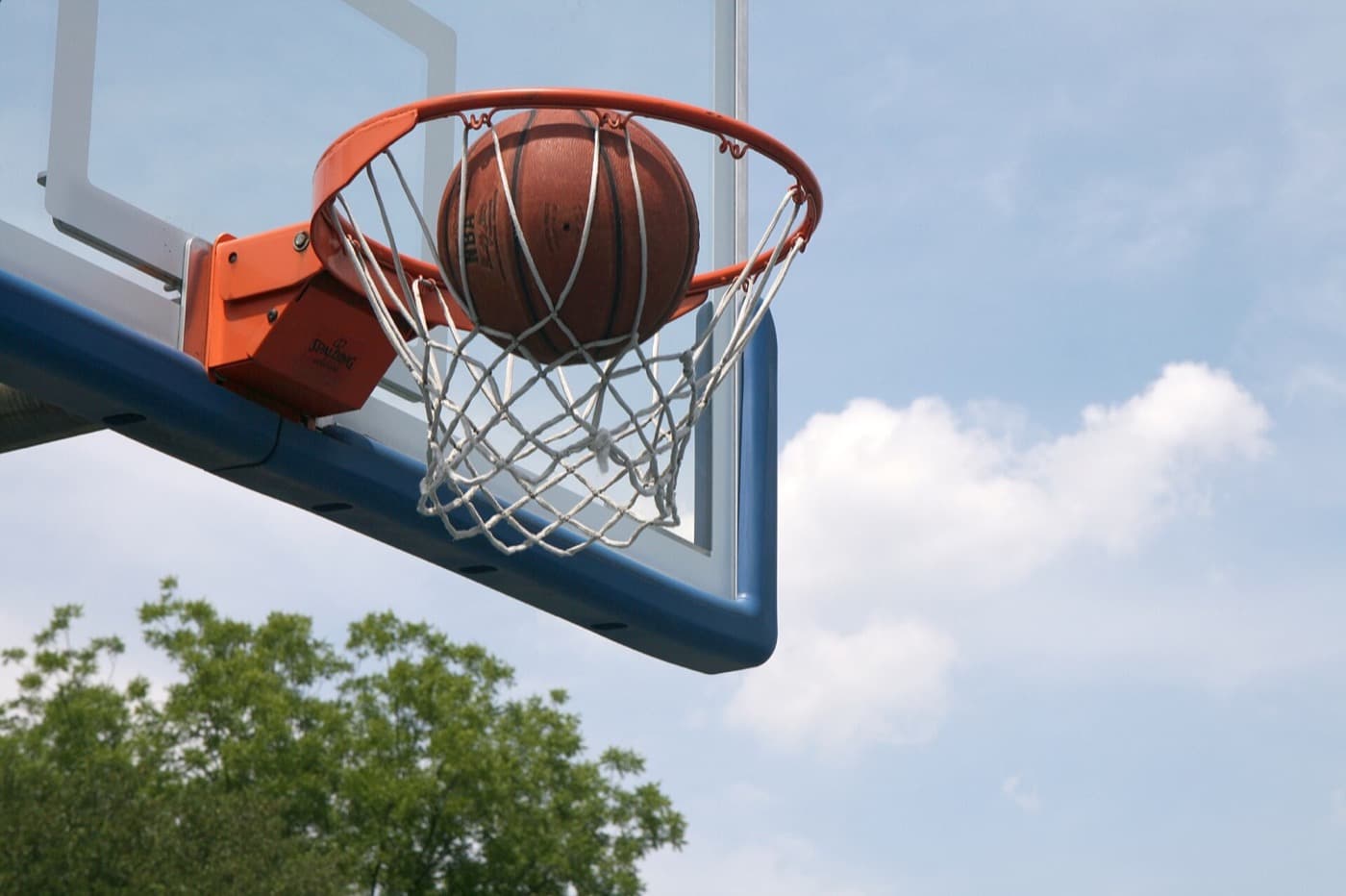
Basketball
A fast, dynamic team sport of running, jumping and quick decisions on court.
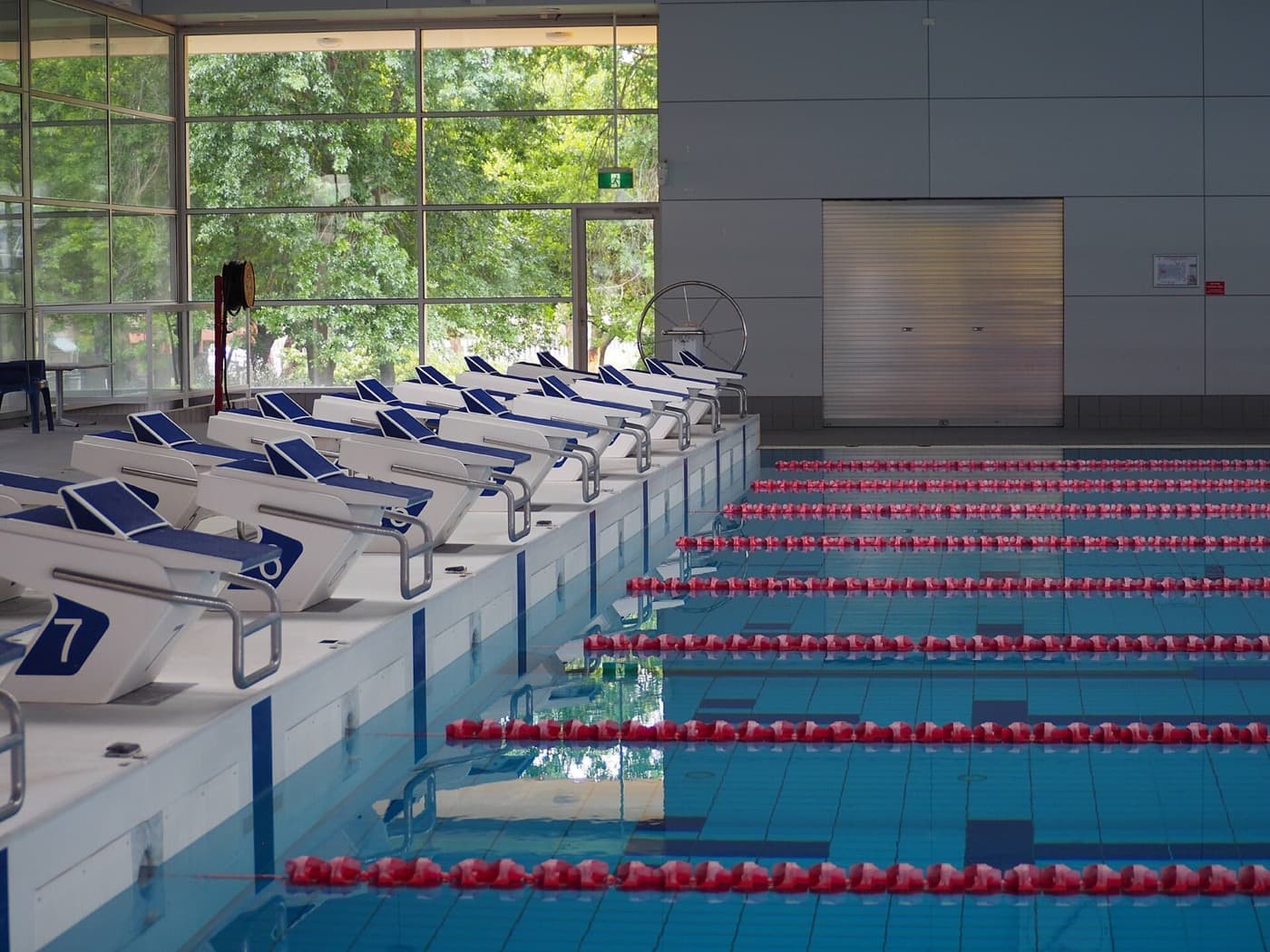
Swimming
A full-body, low-impact endurance sport suitable for almost every age and ability.
Explore across the knowledge base
Follow the threads that connect Cue to the rest of SocialSportHub.
Coaching concepts
- Feedback and CueingFeedback from your senses, a coach, or video plus short instructional cues guide skill learning — including internal vs external focus of attention.
- Deliberate PracticeFocused, effortful practice that targets a specific weakness with full attention and immediate feedback — not just repeating what you already do well.
- Constraints-Led PracticeA coaching approach that adjusts the task, environment or rules so a desired movement or decision emerges in practice, rather than being explicitly instructed.
- Repetition QualityThe attention and intent behind each repetition matter more than raw volume — focused, well-executed reps build skill faster than mindless numbers.
Practice & sessions
Sports communication
- Player-to-coach communicationHow a player shares information back to a coach — questions, how something felt, or a heads-up about availability — so coaching becomes a two-way exchange.
- Coach-to-player feedbackHow a coach shares usable information with a player about what they did and what to try next — usually specific, well timed and focused on one thing at a time.
Go deeper with Cue
Everywhere else on the platform that covers Cue — assembled from what actually references it, so nothing here is a dead end.
Take it away
Open data and the whole-platform view of this subject.
How this page is maintained
- Content type
- Term
- Provenance
- Tier A — evergreen educational
- Verified external sources
- 0
- Content updated
- 2026-09-01
Evergreen, first-party explanation — it makes no claim that needs an external source. How we handle sources and reviews.