
Golf
Precision, patience and a long walk outdoors

Overview
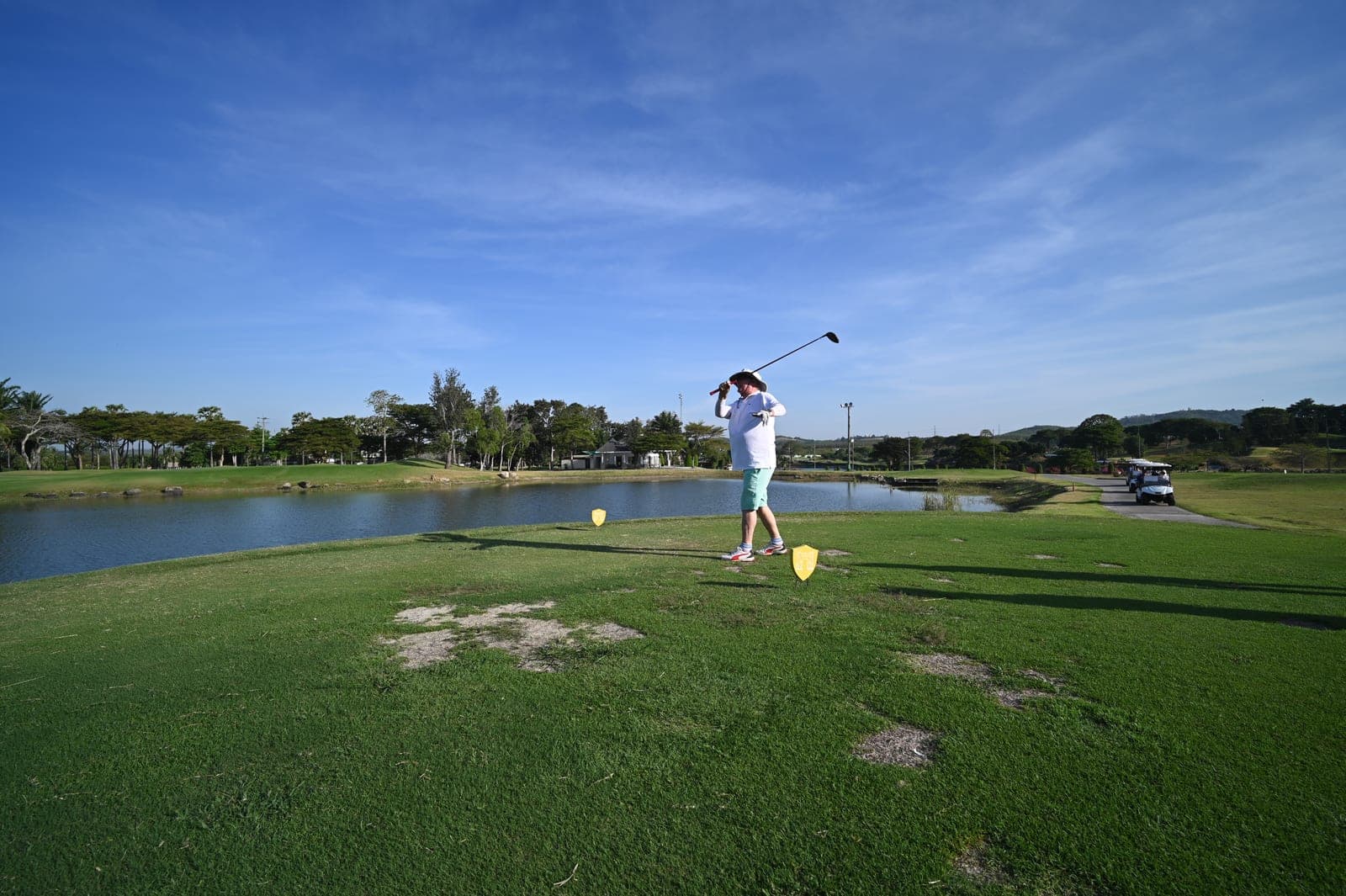
Golf is played across a large outdoor course, where players use a set of clubs to hit a ball toward a series of holes in as few strokes as possible. Each hole presents a different mix of distance and obstacles, so the game blends power off the tee with a delicate, controlled touch around the green.
It is a sport you can play alone or in a small group, and it scales gently with skill — beginners can start on shorter courses, driving ranges or practice greens before tackling a full round. Because a round involves walking a considerable distance over several hours, it combines steady, low-impact activity with plenty of time spent outdoors.
Why golf is good for your health
- Walking a full course provides steady, low-impact activity in the open air
- Builds coordination, balance and a controlled, rotational swing
- Engages the core, back and shoulders through repeated swings
- Time outdoors and focused, unhurried play can be good for wellbeing
The social side
- Rounds are commonly played in friendly groups of two to four
- Clubs, ranges and public courses make it easy to meet other players
- The relaxed pace leaves plenty of time to talk between shots
How to start as a beginner
- 1Start at a driving range to groove a comfortable, repeatable swing
- 2Take a lesson or two to learn a sound grip, stance and setup
- 3Practise short chips and putts, where many strokes are saved
- 4Play a shorter or par-3 course before stepping up to a full round
Equipment you’ll need
- A set of golf clubsEssentialA partial starter set is plenty to begin, and clubs can often be hired
- Golf balls and teesEssential
- Comfortable clothing and supportive shoesEssential
- A golf gloveOptional
- A bag to carry or wheel your clubsOptional
Where to play
Golf is typically played at:
Explore clubs and venues to understand the different places you can play, or see how to find people to play with.
Playing Golf
The equipment, rules, skills and more that make up the game — each cross-linked into the encyclopedia.
Training for Golf
Exercises, methods and example plans that help build what Golf needs — educational, not personalised prescriptions.
Related sports to explore
If you enjoy Golf, you might also like these.
Disc Golf
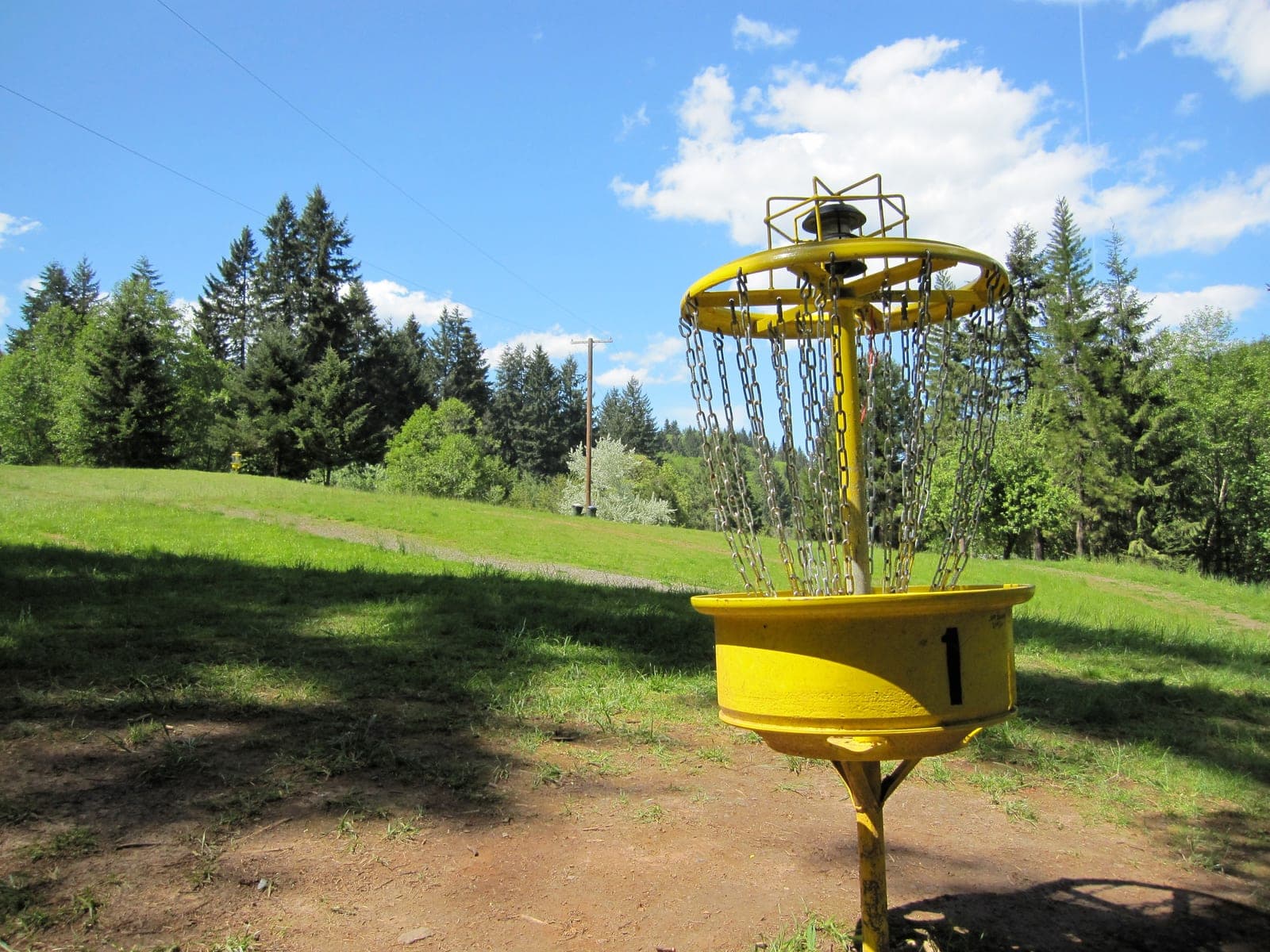
A relaxed, low-cost target sport where players throw flying discs toward chain baskets across an outdoor course.
Archery
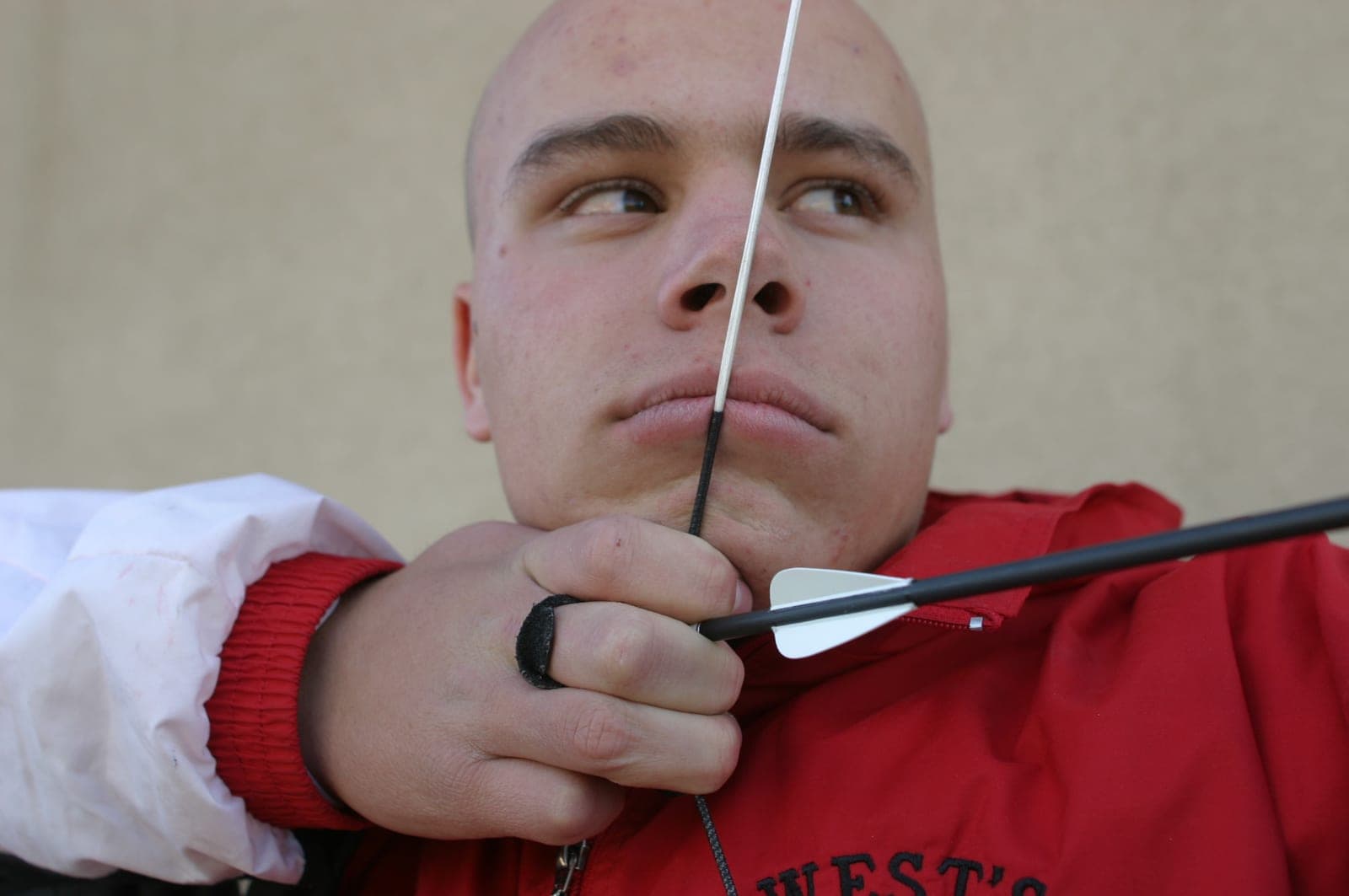
A precision target sport of drawing a bow and aiming at a target, rewarding focus, control and a steady hand.
Horse Riding
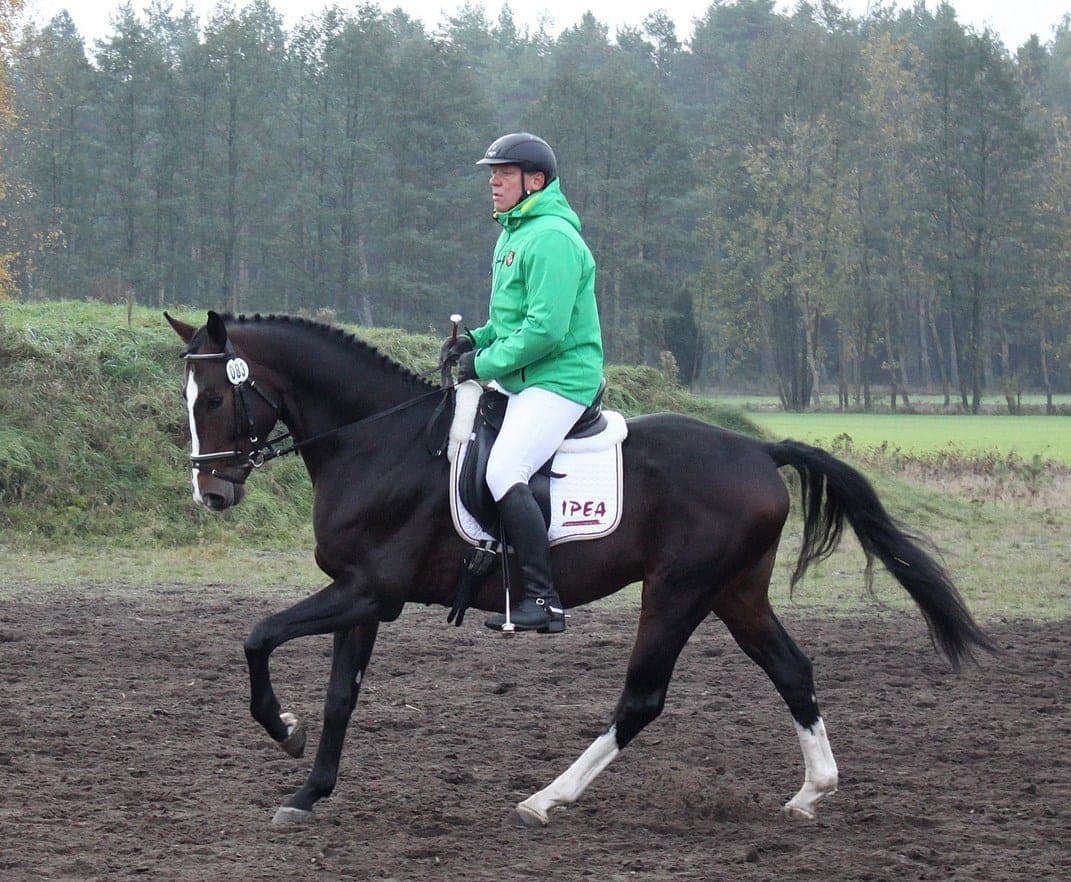
An equestrian sport of riding and working with a horse, building balance, core control and a partnership with the animal.
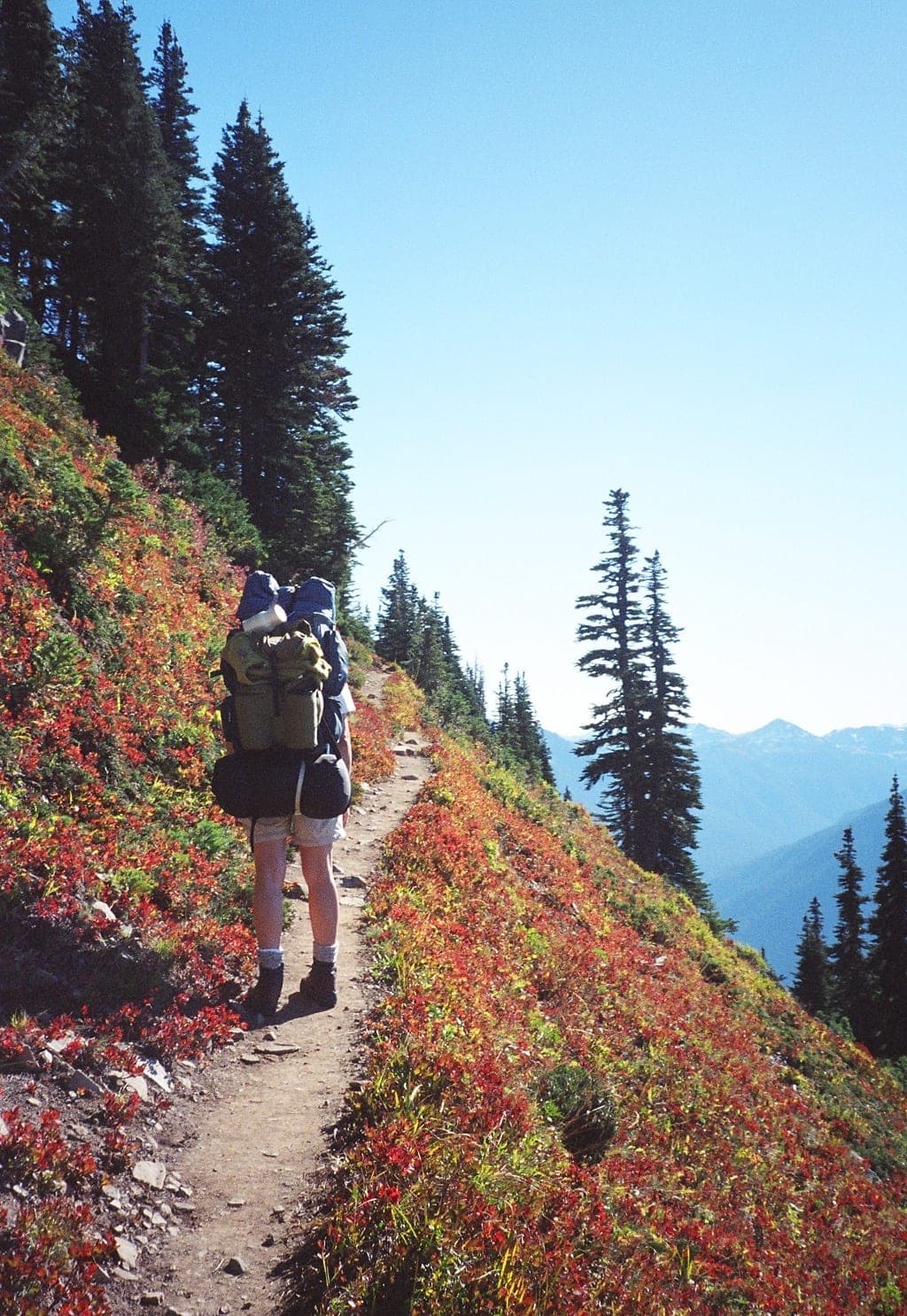
Hiking
An accessible outdoor sport of walking natural trails and hills at your own pace, solo or in a group.
Compare Golf with…
Deciding between Golf and something similar? See how they line up side by side.
Archery vs Golf
How they compare on difficulty, intensity, kit and what suits you.
Disc Golf vs Golf
How they compare on difficulty, intensity, kit and what suits you.
Golf vs Hiking
How they compare on difficulty, intensity, kit and what suits you.
Golf vs Horse Riding
How they compare on difficulty, intensity, kit and what suits you.
Reach your goals with Golf
People take up Golf for all kinds of reasons. Here is what it can help you work towards.
Who & where Golf fits
Sport should fit your life. Here is who Golf suits and when it works.
How it connects
The meaning-bearing relationships that place Golf in the wider knowledge graph — each one with the reason it exists.
Alternative to
Comparable enough that people choose between them.
- ArcheryGolf and Archery are close enough that the platform maintains a side-by-side comparison of them.
- Disc GolfGolf and Disc Golf are close enough that the platform maintains a side-by-side comparison of them.
- HikingGolf and Hiking are close enough that the platform maintains a side-by-side comparison of them.
- Horse RidingGolf and Horse Riding are close enough that the platform maintains a side-by-side comparison of them.
Helps achieve
A recognised route towards these goals.
Explore across the knowledge base
Follow the threads that connect Golf to the rest of SocialSportHub.
Learning paths
- Learn GolfA structured, educational learning path for golf — from the rules to skills, techniques, tactics and training.
- Learn Open-Water SwimmingA structured, educational learning path for open-water swimming — from the rules to skills, techniques, tactics and training.
- Learn TennisA structured, educational learning path for tennis — from the rules to skills, techniques, tactics and training.
- Learn FootballA structured, educational learning path for football — from the rules to skills, techniques, tactics and training.
Glossary
- AlbatrossIn golf, a score of three strokes under par on a single hole — rarer than a hole-in-one on most holes, and also called a double eagle.
- BackspinBackward rotation on a ball that makes it float, stay low, and check or stop on the bounce.
- BirdieIn golf, completing a hole in one stroke fewer than its par. On a par four, that means holing out in three strokes rather than four.
- BogeyIn golf, completing a hole in one stroke more than its par. Two over is a double bogey, three over a triple, and so on up the card.
- BunkerA sand-filled hollow on a golf course that acts as a hazard, most often placed to guard a green or to punish a stray tee shot.
Recommendations
- Recommended for “Sports for seniors”Sports, qualities, a learning path and first steps for “Sports for seniors” — every suggestion a real graph link, shown with its reason.
- Recommended for “Spend more time on the water”Sports, qualities, a learning path and first steps for “Spend more time on the water” — every suggestion a real graph link, shown with its reason.
Movement patterns
- RotationRotating the trunk to generate and transfer power through the body's kinetic chain, plus anti-rotation — resisting unwanted twist to keep the trunk stable.
- PivotA rotation of the body about one planted foot, reorienting the trunk and hips around a vertical axis without travelling to a new location.
- StrikeA ballistic, whole-body hitting action that channels ground-generated force through a proximal-to-distal kinetic chain to deliver momentum to a target via the hand, an implement or a body part at the moment of contact.
Coaching concepts
- Deliberate PracticeFocused, effortful practice that targets a specific weakness with full attention and immediate feedback — not just repeating what you already do well.
- ProgressionBuilding skill and training load in gradual, manageable steps so each stage prepares the next, moving from simple to complex and easy to hard.
- Repetition QualityThe attention and intent behind each repetition matter more than raw volume — focused, well-executed reps build skill faster than mindless numbers.
- Feedback and CueingFeedback from your senses, a coach, or video plus short instructional cues guide skill learning — including internal vs external focus of attention.
- Skill acquisitionHow a movement or sports skill is learned — progressing from conscious, effortful control to smooth, largely automatic execution through practice and feedback.
Go deeper with Golf
Everywhere else on the platform that covers Golf — assembled from what actually references it, so nothing here is a dead end.
Learn it
Structured courses and paths on the platform that cover this directly.
Work it out
Deterministic calculators — real published formulas, no estimates dressed as data.
See it
Diagrams and step-through visualisations drawn for this subject.
Compare it
Head-to-head studies against the entities people actually weigh it against.
Kit it out
Equipment guidance drawn from the graph, with no brands and no affiliate links.
Take it away
Open data and the whole-platform view of this subject.
How this page is maintained
- Content type
- Sport
- Provenance
- Tier A — evergreen educational
- Verified external sources
- 0
- Content updated
- 2026-07-06
Evergreen, first-party explanation — it makes no claim that needs an external source. How we handle sources and reviews.
Keep going
A sport is most rewarding alongside good habits, sensible nutrition and people to share it with. Here is where to go next.
How movement supports body and mind.
Eat well to feel and perform better.
Build routines that stick.
Ways to meet others and play together.
Where to play and what to expect.
Browse the full list by category.