
Kettlebell
A cast weight with a looped handle used for swinging and strength exercises.

Overview
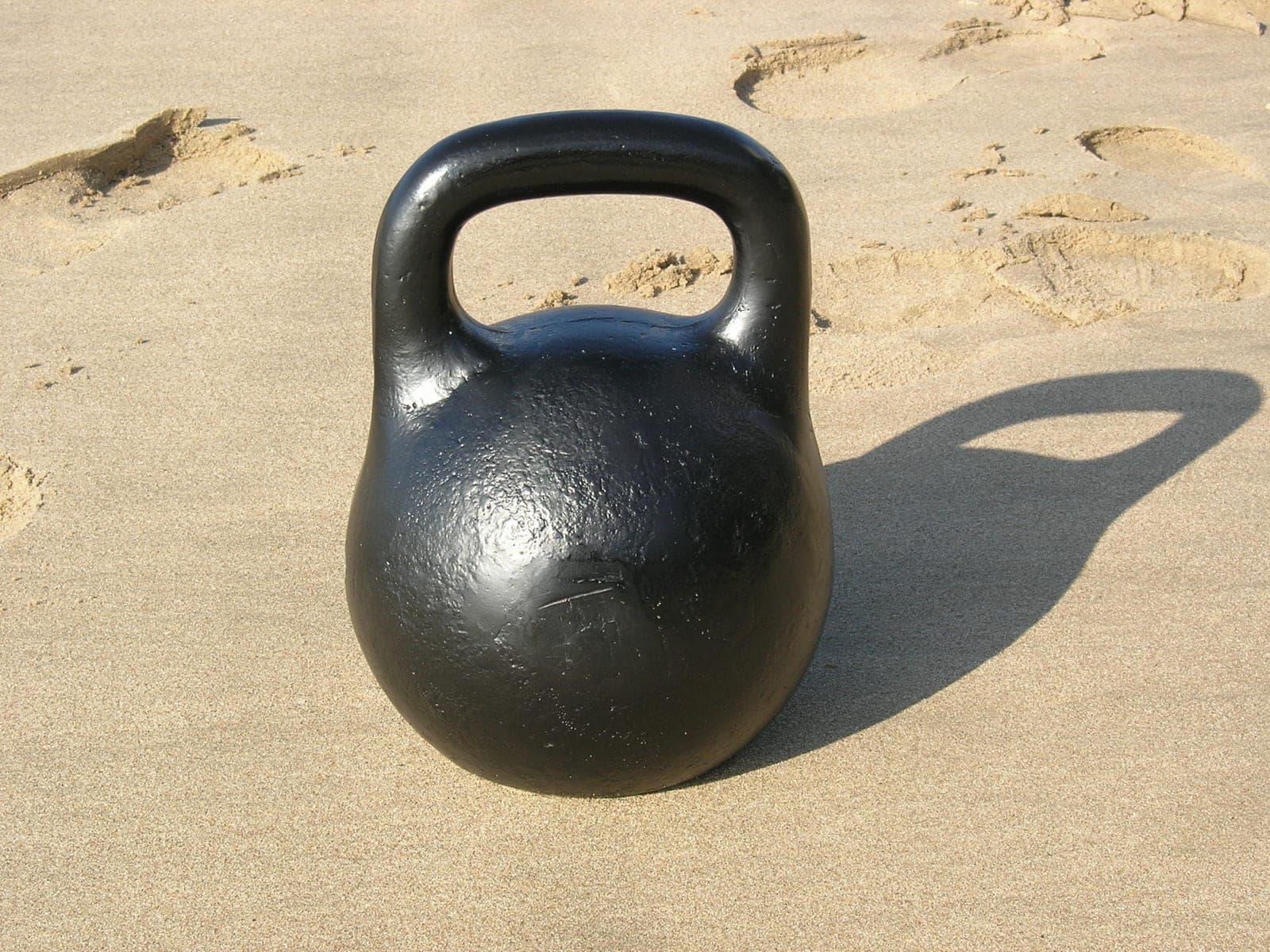
A kettlebell is a rounded weight, shaped like a ball with a curved handle on top. The handle and offset weight make it well suited to swinging movements as well as pressing, holding and lifting exercises.
Its shape lets the weight sit against or swing below the wrist, which is why it is popular in functional and general fitness training.
Good to know
- The curved handle suits swinging movements.
- Also used for pressing, holding and lifting.
- Common in functional-fitness training.
Where it’s used
Sports that use kettlebell:
Functional Fitness
Varied, whole-body training built around everyday movement patterns like squatting, lifting and carrying.
Fitness
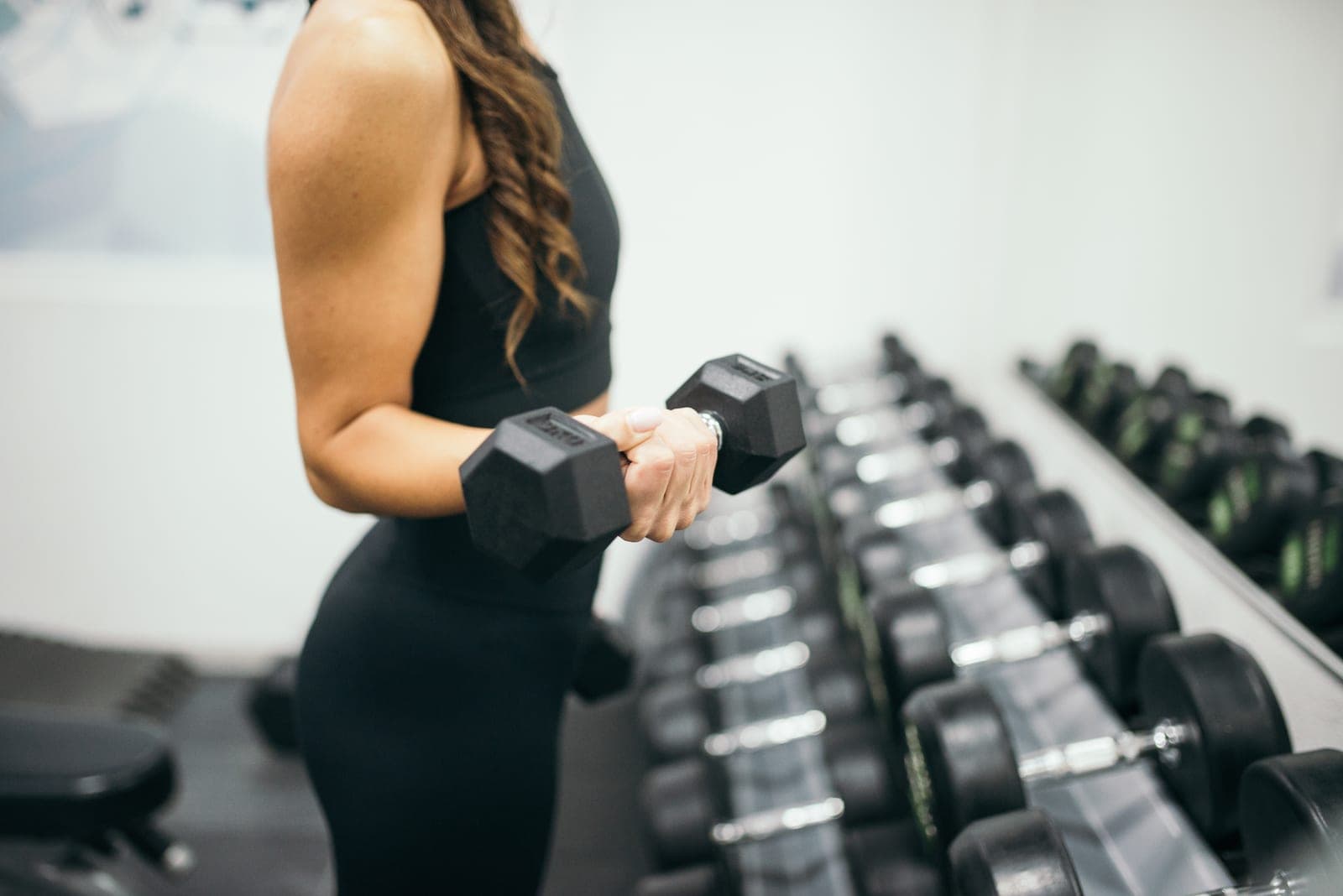
Strength and general fitness training — the foundation that supports every other sport.
Weightlifting
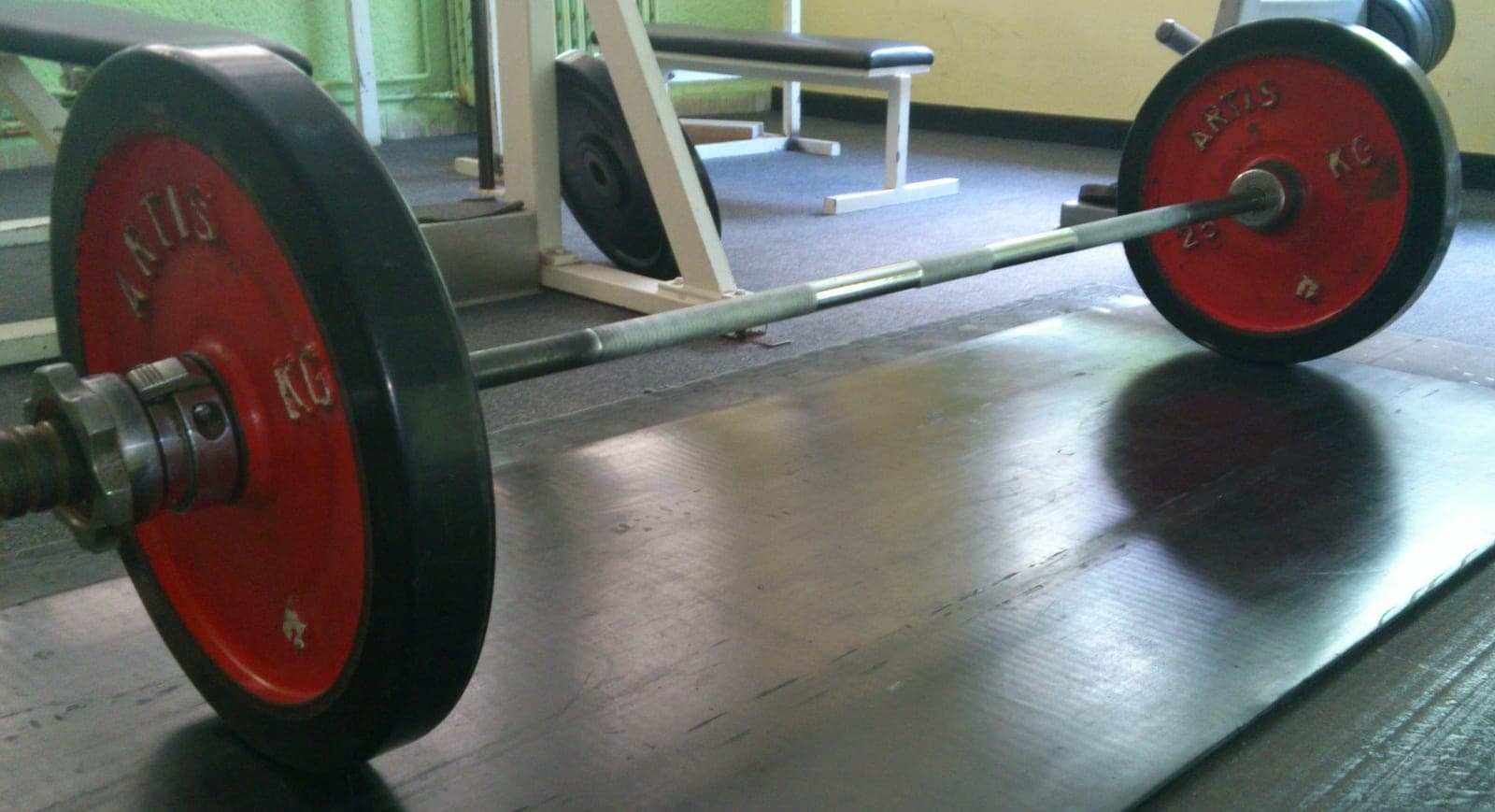
A technical strength sport built around lifting a loaded barbell overhead with speed and control.
Related equipment
Dumbbell
A short handheld weight used for strength and fitness training, worked one in each hand so each side has to hold its own load.
Barbell
A long bar loaded with weight plates for heavy strength training lifts.
Resistance band
A stretchy elastic band that provides resistance for strength and mobility work.
How it connects
The meaning-bearing relationships that place Kettlebell in the wider knowledge graph — each one with the reason it exists.
Explore across the knowledge base
Follow the threads that connect Kettlebell to the rest of SocialSportHub.
Exercises
- Goblet squatA squat variation where you hold a single weight close to your chest for balance and control.
- DeadliftA hinge movement where you lift a weight from the floor by driving your hips forward to stand tall.
- Kettlebell swingA dynamic hinge where you swing a kettlebell to shoulder height using a snap of the hips.
- Farmer’s carryA loaded carry where you walk while holding a heavy weight in each hand.
- Bicep curlAn isolation exercise where you bend the elbows to lift a weight toward the shoulders.
Training methods
- Circuit TrainingCircuit training moves you through a series of stations back to back with little rest, blending strength and cardio into one time-efficient session.
- Strength TrainingStrength training uses resistance — bodyweight, bands or weights — to challenge your muscles so they gradually adapt and get stronger over time.
Muscle groups
Go deeper with Kettlebell
Everywhere else on the platform that covers Kettlebell — assembled from what actually references it, so nothing here is a dead end.
Take it away
Open data and the whole-platform view of this subject.
How this page is maintained
- Content type
- Equipment
- Provenance
- Tier A — evergreen educational
- Verified external sources
- 0
- Content updated
- 2026-09-12
Evergreen, first-party explanation — it makes no claim that needs an external source. How we handle sources and reviews.