
Wetsuit
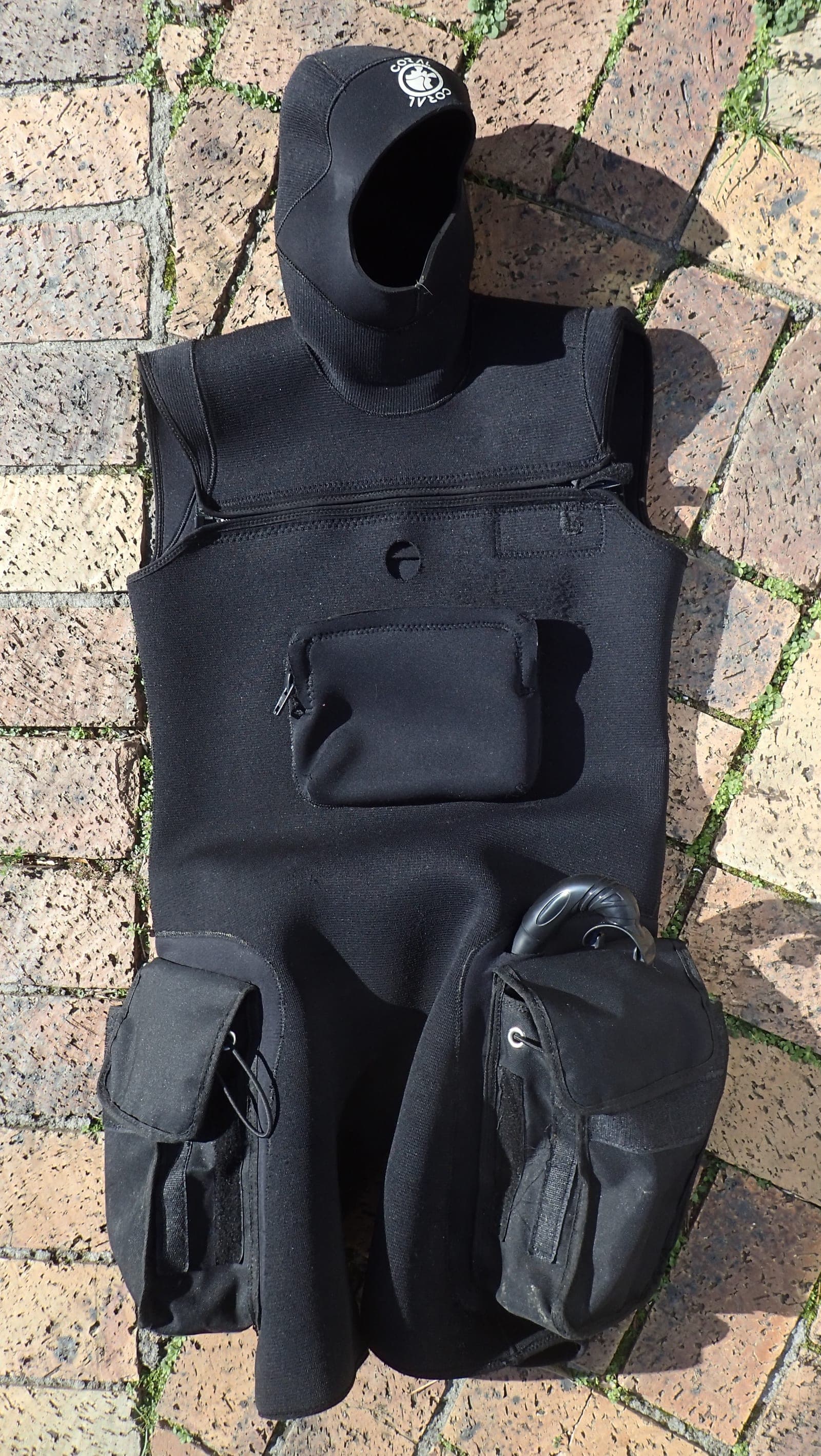
A wetsuit is a close-fitting neoprene suit worn in water sports to help keep the wearer warm in cold water.
Definition
A wetsuit is a snug suit made from neoprene, a flexible foam rubber full of tiny gas bubbles that insulate against the cold. A thin layer of water seeps in and is warmed by the body, and the suit slows how quickly that warmth is lost, helping the wearer stay comfortable in cool or cold water. Thicker neoprene gives more insulation, while thinner suits allow more freedom of movement.
Wetsuits come in styles from sleeveless shorties to full-length suits covering the arms and legs, and are used across surfing, scuba diving, open-water swimming, triathlon and other water sports. They differ from a drysuit, which seals out water entirely rather than trapping a warmed layer against the skin.
Where you’ll hear “wetsuit”
Sports that use this term:
Surfing
An ocean board sport of paddling into waves and riding them toward shore, balancing skill and reading the sea.
Scuba Diving
An underwater sport using breathing equipment to explore beneath the surface, always learned through qualified training.

Open-Water Swimming
Swimming in lakes, rivers and the sea, blending endurance training with the experience of being out in nature.

Triathlon
A multi-sport endurance event that links swimming, cycling and running into one continuous race.
Explore across the knowledge base
Follow the threads that connect Wetsuit to the rest of SocialSportHub.
Skills
- Front crawlThe fastest swimming stroke, using alternating arm pulls and a flutter kick while face-down.
- BreaststrokeA swimming stroke using a symmetrical arm sweep and a frog-like kick, with the head lifting to breathe.
- Treading waterThe skill of staying afloat and upright in deep water without moving anywhere.
Go deeper with Wetsuit
Everywhere else on the platform that covers Wetsuit — assembled from what actually references it, so nothing here is a dead end.
Take it away
Open data and the whole-platform view of this subject.
How this page is maintained
- Content type
- Term
- Provenance
- Tier A — evergreen educational
- Verified external sources
- 0
- Content updated
- 2026-09-01
Evergreen, first-party explanation — it makes no claim that needs an external source. How we handle sources and reviews.