
Friendly
A match played outside any official competition, arranged for practice, fitness or exhibition rather than points or trophies.
Definition
A friendly is a match that does not count toward any league, cup or ranking — it is arranged by agreement between teams for reasons such as pre-season preparation, testing tactics and personnel, building fitness, or marking a special occasion. Results carry no competitive consequences beyond morale and information for the coaching staff.
Because nothing is at stake in the standings, friendlies often see extensive rotation, trial players given minutes, and experiments a team would avoid in competitive games. International friendlies fit between official fixtures to prepare national squads, and one-off exhibition friendlies can be staged for testimonials, charity or to showcase the sport.
Where you’ll hear “friendly”
Sports that use this term:

Football
The world’s most popular team sport — endless running, teamwork and community in one game.
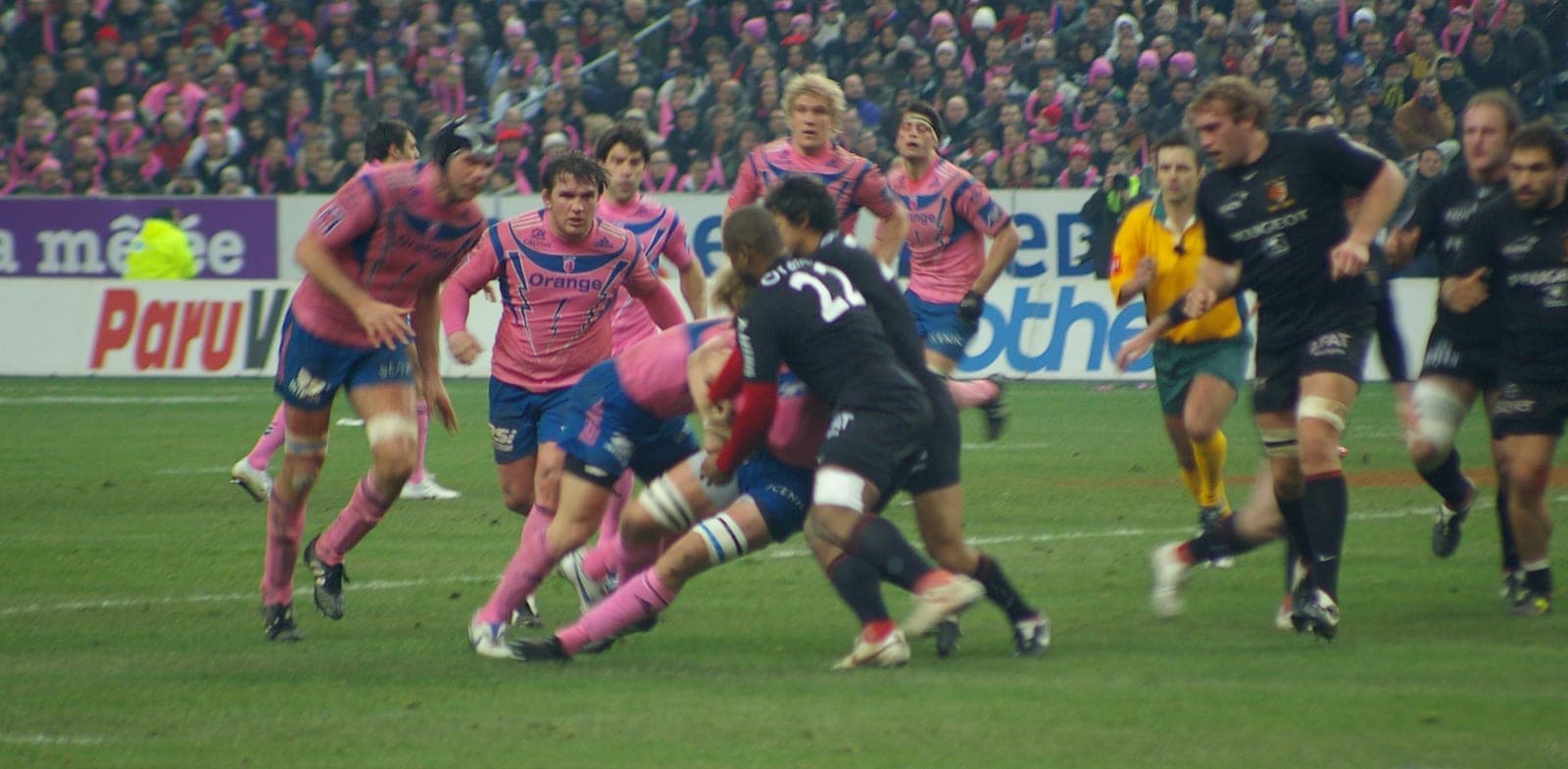
Rugby
A physical team sport of carrying, passing and kicking an oval ball toward the opposing line.
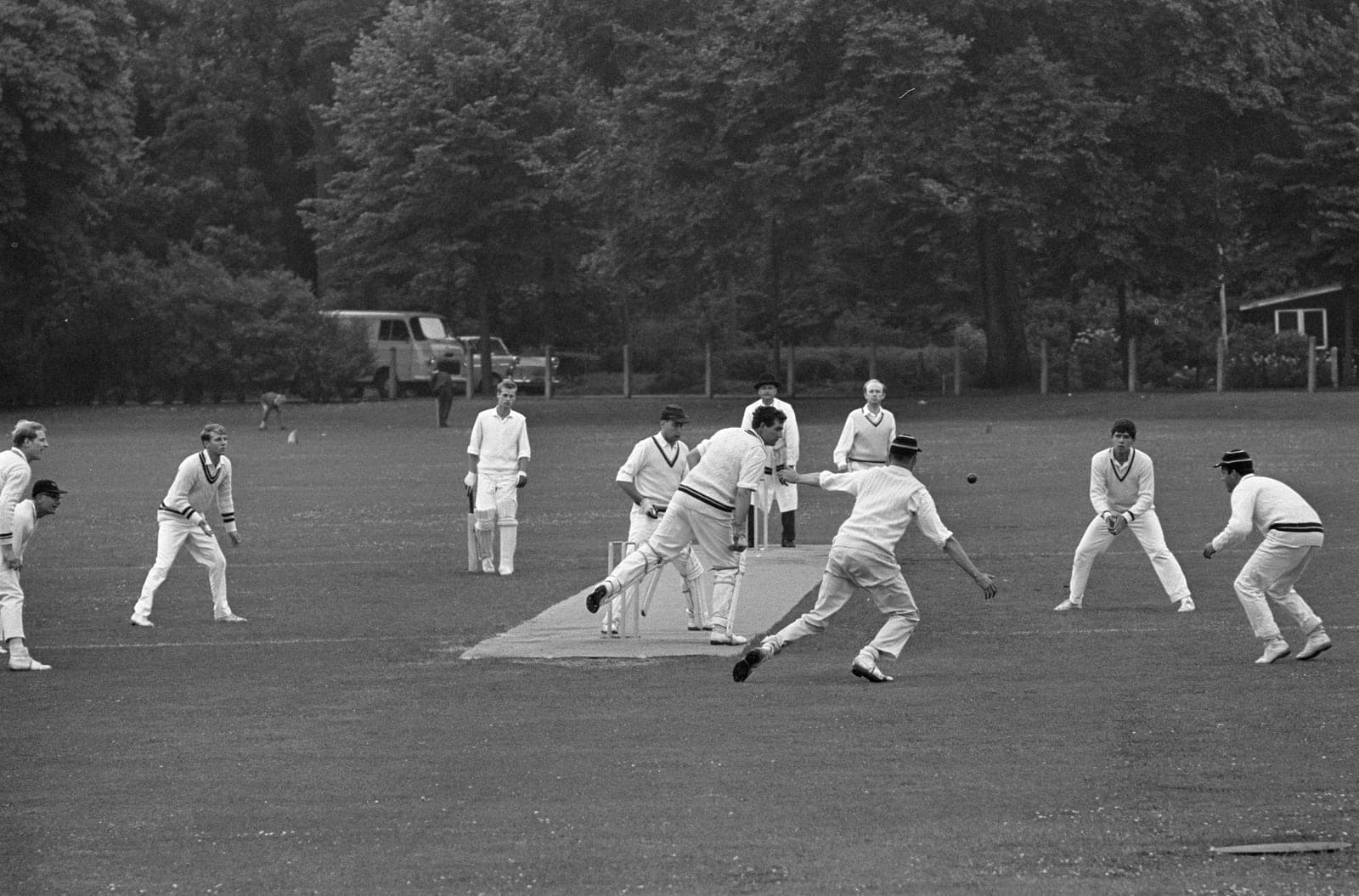
Cricket
A bat-and-ball team sport where sides take turns to bat and to bowl and field, scoring runs.

Basketball
A fast, dynamic team sport of running, jumping and quick decisions on court.
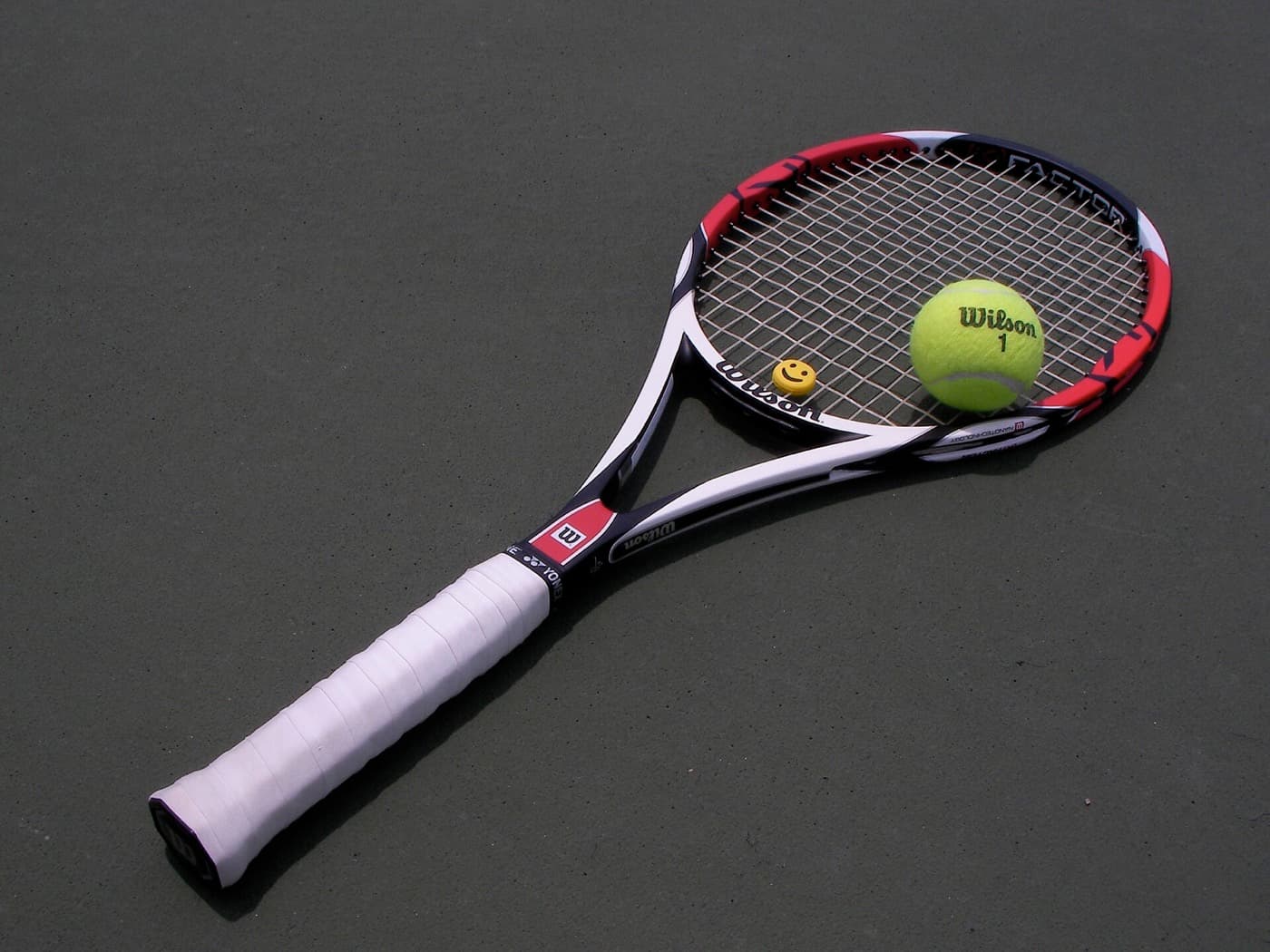
Tennis
A singles or doubles racquet sport that blends agility, strategy and stamina on court.
Explore across the knowledge base
Follow the threads that connect Friendly to the rest of SocialSportHub.
Beginner guides
- How to Choose a Sport as a BeginnerA calm, practical way to pick a first sport that fits your interests, your body, your budget and your life — with full permission to try a few and change your mind.
- Venue and Club Etiquette for BeginnersA warm, practical guide to feeling at ease at a new sports venue or club — how to arrive, sign in, share the space, wait your turn, tidy up, and ask for help without any awkwardness.
- How to Join a Beginner Group or ClassA warm, practical walk-through of joining a beginner sports group or class — what they are like, how to find one, and what a first session tends to feel like.
- Playing Alone or With Others: Which to Start WithA friendly, honest look at the trade-offs of starting a sport on your own versus alongside other people — and why, for most sports, you don't really have to pick just one.
- Your First Informal Game or KickaboutA relaxed kickabout, hit or pick-up game is a genuine way into a sport — you learn by playing, the courtesies are simple, and nobody expects you to be good yet.
Practice & sessions
- Tactical sessionA session built around tactics — how you use space, position and patterns of play, rather than the mechanics of a shot.
- Conditioning sessionA session built around physical conditioning — developing the fitness qualities a sport draws on, rather than its skills or tactics.
- Open-play sessionA turn-up-and-play session of informal, often social games — less structured than practice, focused on playing rather than drilling.
Rules
- Test, ODI and T20 cricket comparedThe three international formats of cricket side by side — innings structure, over limits and match length — and why almost everything that separates them is a competition rule rather than a Law.
- Innings and oversHow a cricket match is structured — what an innings is, why an over is six balls, how the bowling end alternates, and which parts of the structure the Laws fix and which a competition sets.
People
Sports communication
- Pre-match communicationThe talking a team or individual does before play — plan, roles, key cues and a shared focus — to start on the same page.
- Post-match reflectionLooking back after play — as an individual or a group — to notice what happened and what to work on, calmly rather than in the heat of the moment.
Go deeper with Friendly
Everywhere else on the platform that covers Friendly — assembled from what actually references it, so nothing here is a dead end.
Take it away
Open data and the whole-platform view of this subject.
How this page is maintained
- Content type
- Term
- Provenance
- Tier A — evergreen educational
- Verified external sources
- 0
- Content updated
- 2026-09-01
Evergreen, first-party explanation — it makes no claim that needs an external source. How we handle sources and reviews.