
Squad
The full group of players registered and available to a team for a season or competition, from which each match line-up is chosen.
Definition
A squad is the complete pool of players a team has at its disposal — everyone signed, registered or selected to be available across a season or tournament, not only those picked to play in a given match. Coaches draw the starting line-up and substitutes for each fixture from this larger group, rotating players to manage form, fitness and workload.
Squad sizes are frequently capped by competition rules, and many tournaments require teams to submit a registered squad list in advance. A distinction is often drawn between the full squad and the matchday squad — the smaller number named for a specific game, comprising the starters and the permitted substitutes.
Scope: The full squad is the whole available group; the matchday squad is the subset named for one game.
Where you’ll hear “squad”
Sports that use this term:

Football
The world’s most popular team sport — endless running, teamwork and community in one game.

Basketball
A fast, dynamic team sport of running, jumping and quick decisions on court.
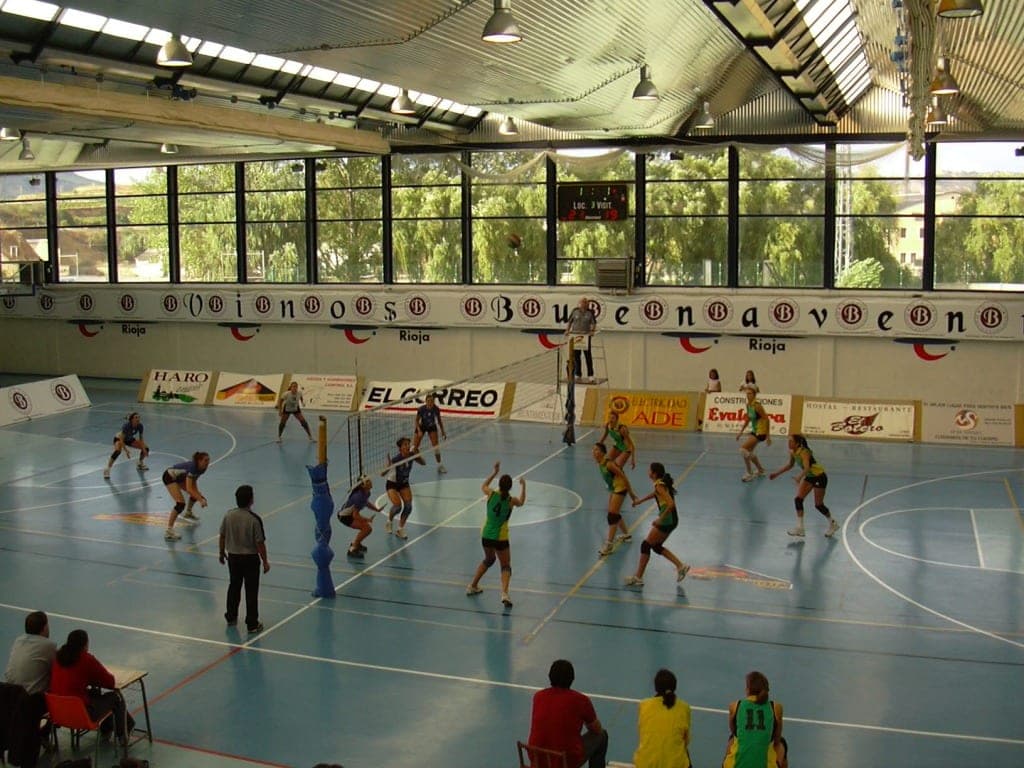
Volleyball
A non-contact team sport of rallies, jumps and teamwork — indoors or on the beach.
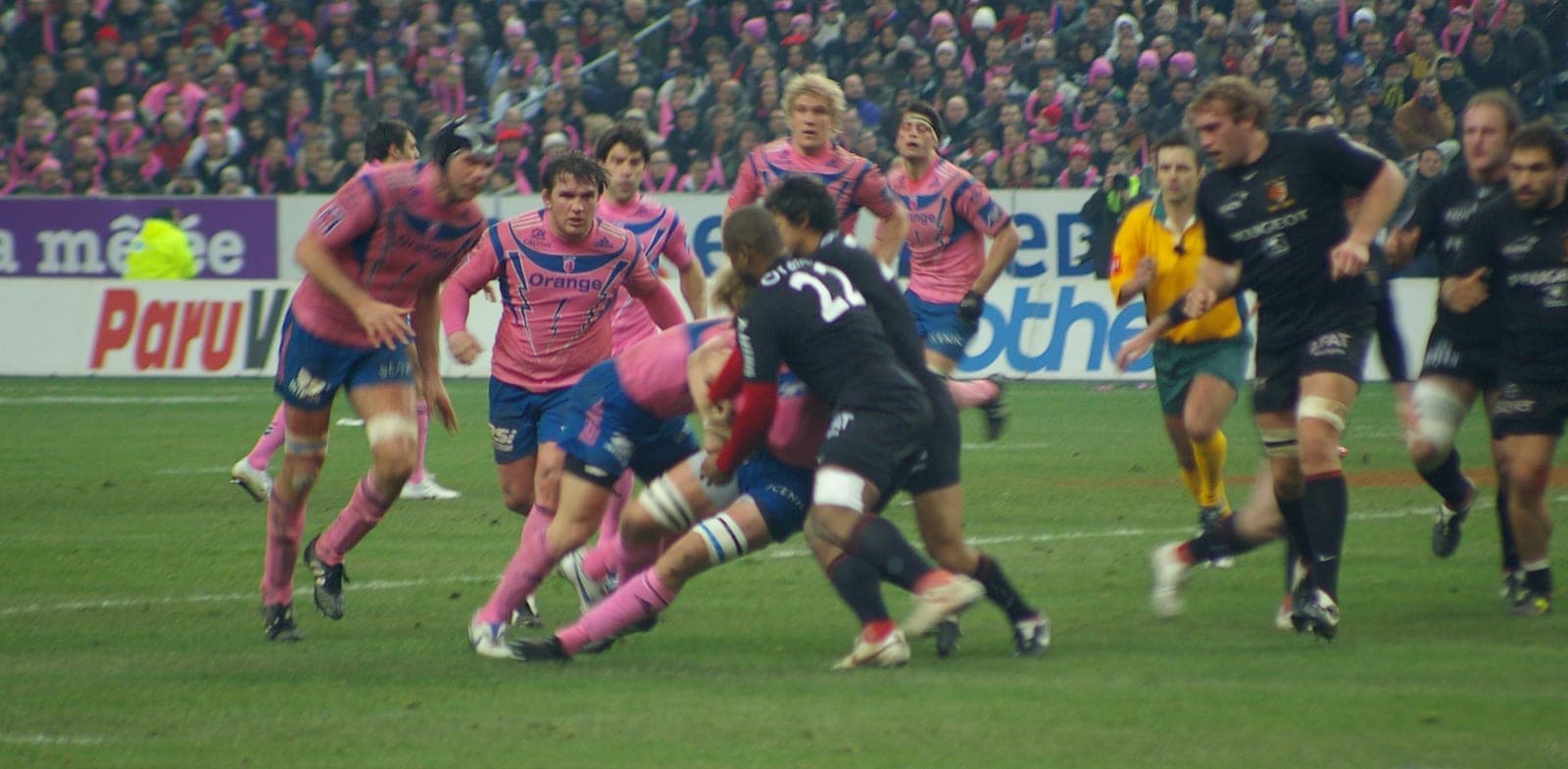
Rugby
A physical team sport of carrying, passing and kicking an oval ball toward the opposing line.
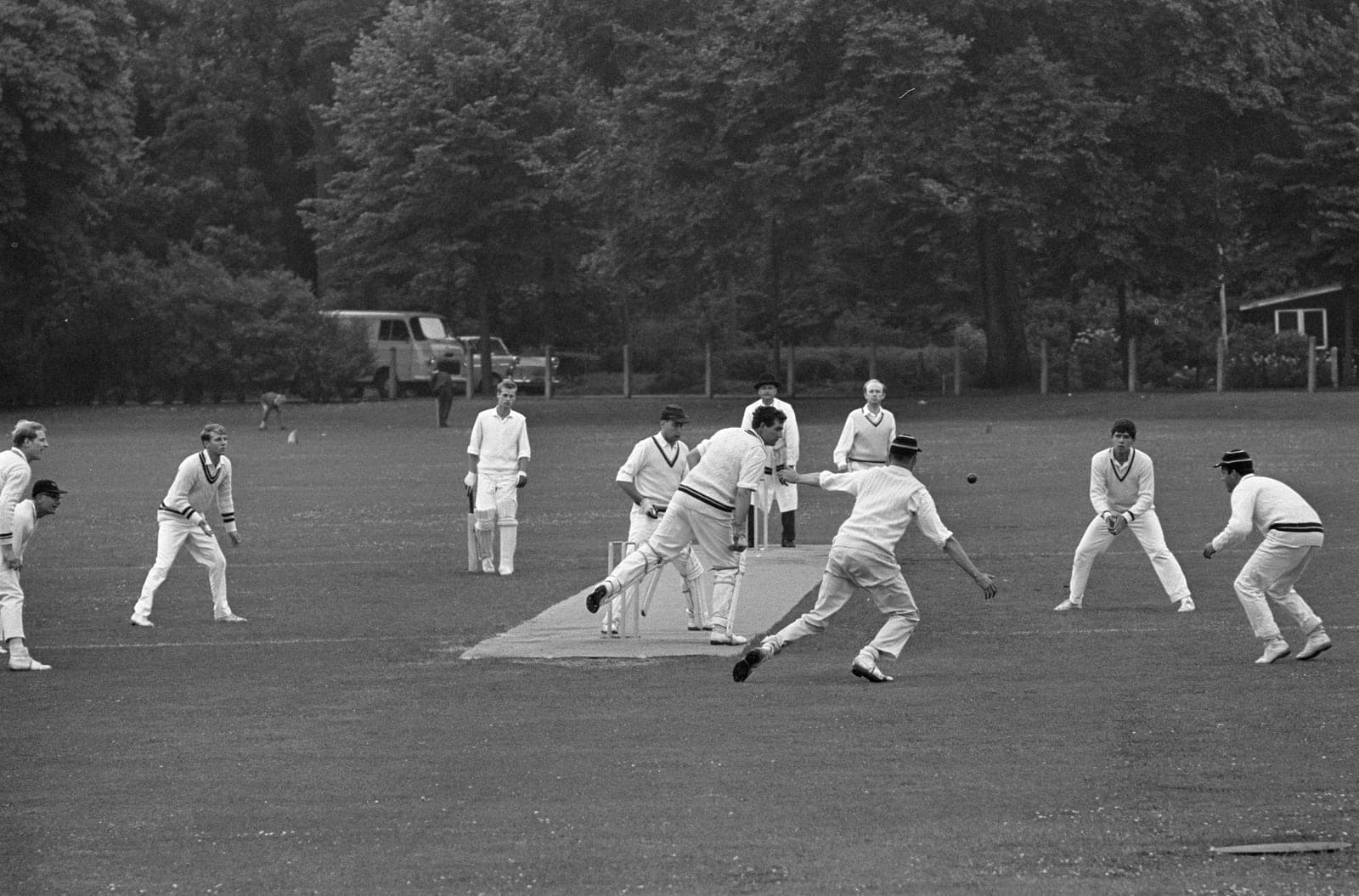
Cricket
A bat-and-ball team sport where sides take turns to bat and to bowl and field, scoring runs.
Explore across the knowledge base
Follow the threads that connect Squad to the rest of SocialSportHub.
Practice & sessions
- Team practicePractising with a full team — working on roles, patterns of play and communication so the group performs together, usually under a coach.
- Small-group practicePractising in a small group of a few players — sharing drills, rotating roles and using small-sided games so everyone stays involved.
Techniques
- Putting StrokeThe short, quiet stroke used on the green to start the ball rolling on a chosen line at a chosen pace.
- The cricket driveCricket's foundational attacking stroke, played straight down the ground or through the off side — the cover, straight and on drive, and the length that makes each one available.
Physical qualities
Sport categories
Rules
- Volleyball rotationThe rule that players rotate one position clockwise each time their team wins back the serve.
- Innings and oversHow a cricket match is structured — what an innings is, why an over is six balls, how the bowling end alternates, and which parts of the structure the Laws fix and which a competition sets.
Sports communication
- Post-match reflectionLooking back after play — as an individual or a group — to notice what happened and what to work on, calmly rather than in the heat of the moment.
- Teammate feedbackPlayers giving each other useful, respectful feedback as peers — encouragement, quick corrections and honest reads — distinct from a coach's feedback.
Go deeper with Squad
Everywhere else on the platform that covers Squad — assembled from what actually references it, so nothing here is a dead end.
Take it away
Open data and the whole-platform view of this subject.
How this page is maintained
- Content type
- Term
- Provenance
- Tier A — evergreen educational
- Verified external sources
- 0
- Content updated
- 2026-09-01
Evergreen, first-party explanation — it makes no claim that needs an external source. How we handle sources and reviews.