
Roster
Chiefly in North American sport, the official list of players on a team, subject to size limits and active or inactive designations.
Definition
A roster is the official register of players who belong to a team. The word is standard in North American sports, where leagues impose strict roster limits and distinguish the active roster — players eligible to play in a given game — from reserve, injured or inactive lists. Managing the roster through signings, releases, call-ups and roster moves is a central part of running a professional team.
Because roster spots are limited and often tied to salary rules, decisions about who occupies them carry competitive and financial weight. Outside North America the same idea is usually expressed as the squad, though 'roster' is increasingly used internationally, particularly in basketball, ice hockey and esports.
Scope: Chiefly North American usage; broadly equivalent to 'squad' elsewhere.
Where you’ll hear “roster”
Sports that use this term:
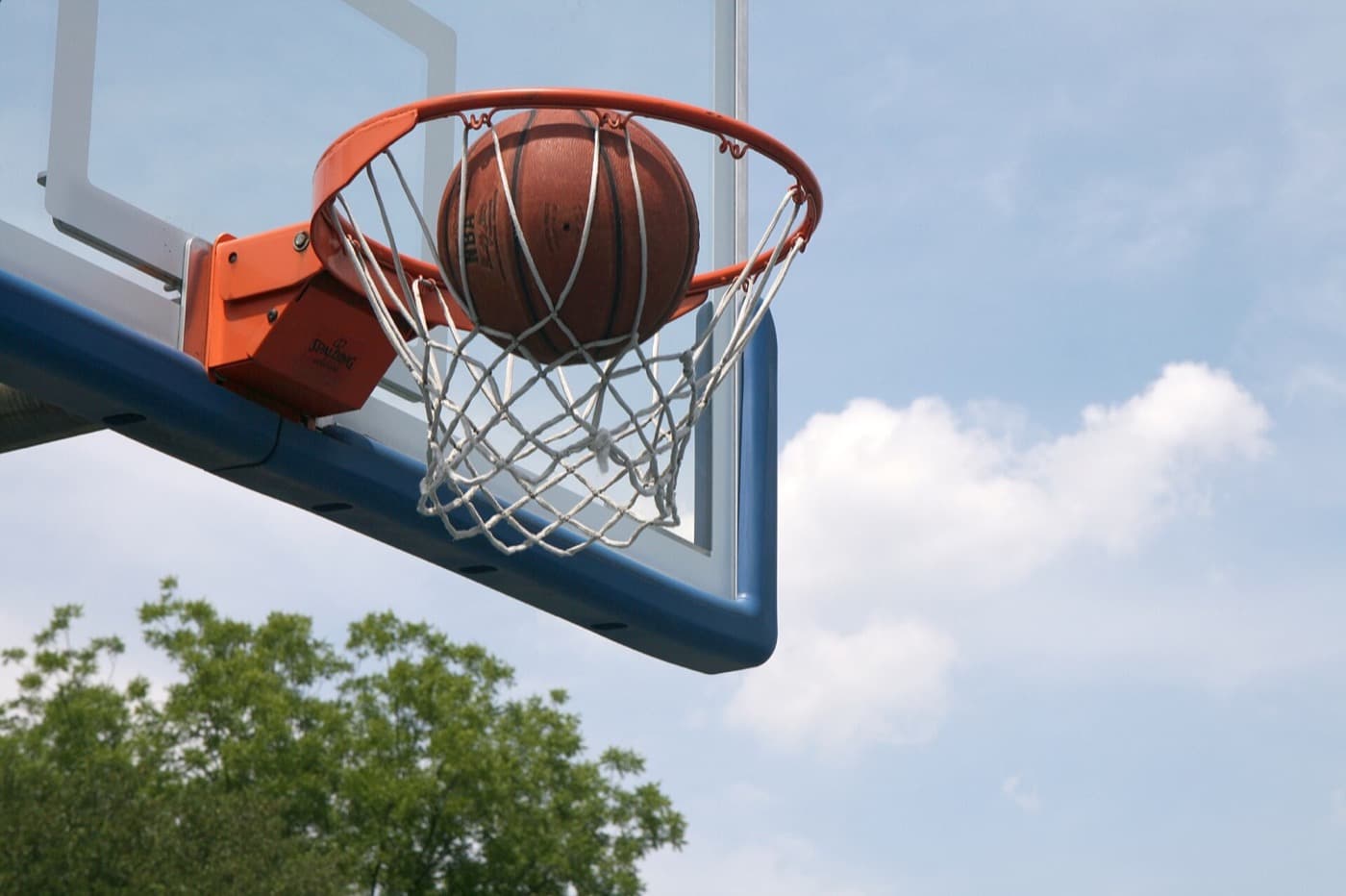
Basketball
A fast, dynamic team sport of running, jumping and quick decisions on court.
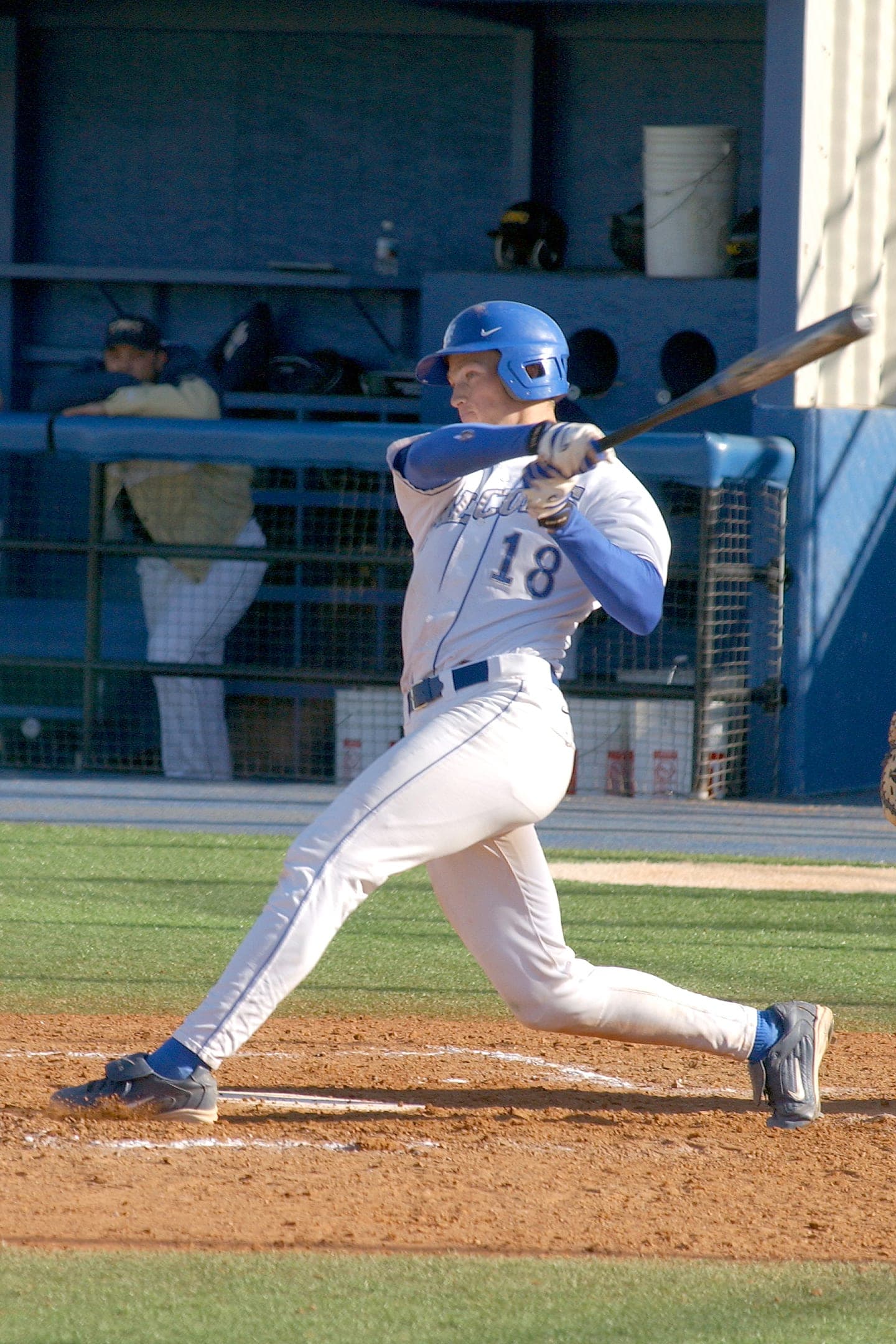
Baseball
A bat-and-ball team sport where two sides alternate between batting and fielding to score runs.
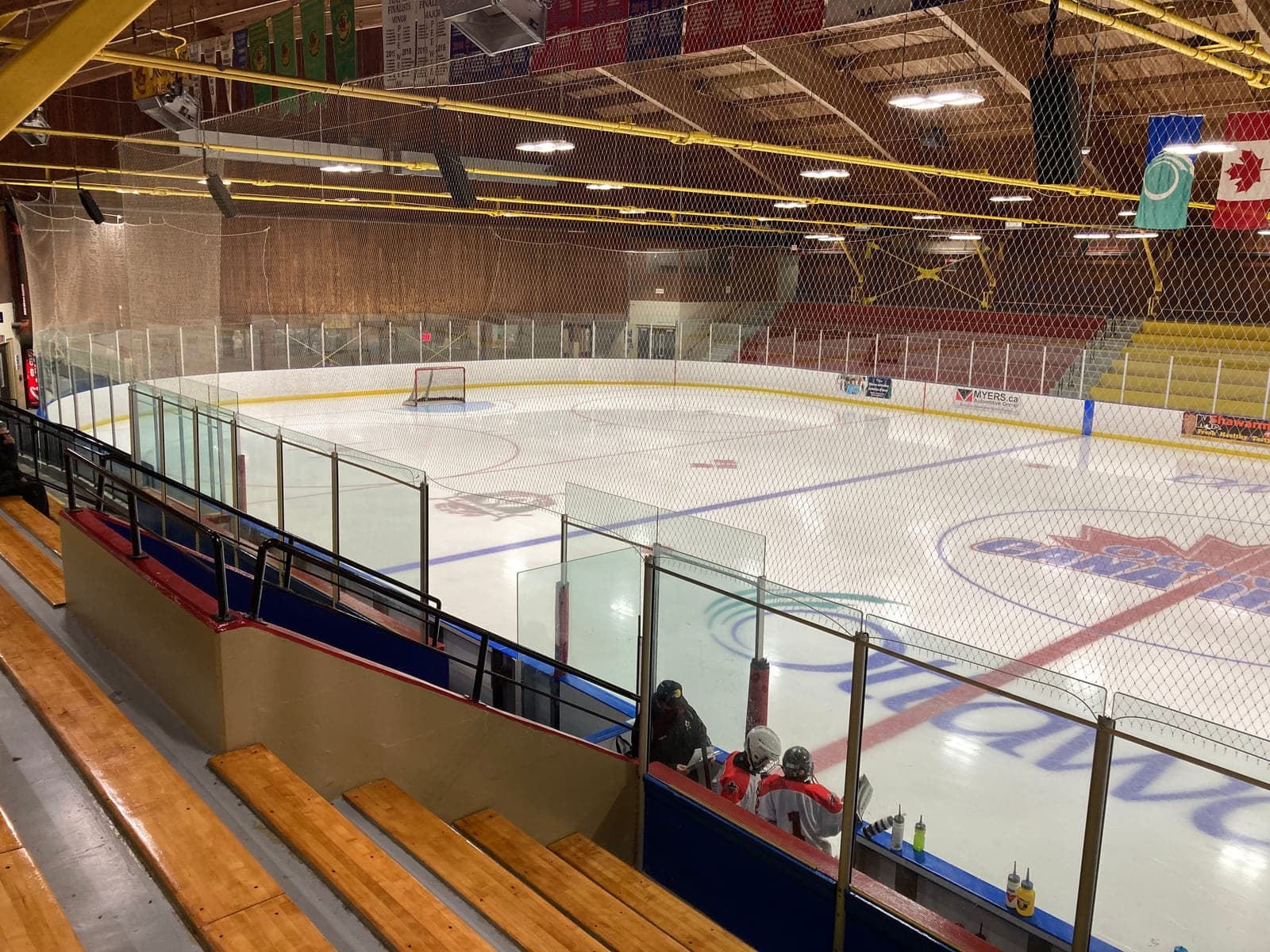
Ice Hockey
A fast team sport on ice that combines skating skill with quick passing and goal-scoring.
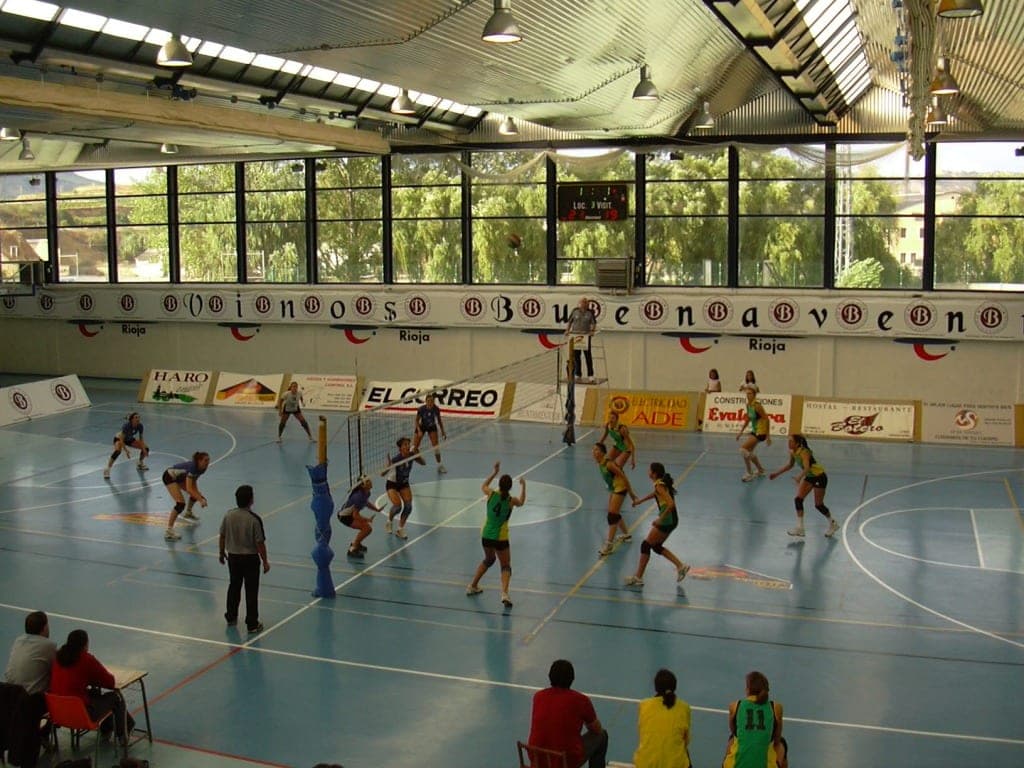
Volleyball
A non-contact team sport of rallies, jumps and teamwork — indoors or on the beach.

Football
The world’s most popular team sport — endless running, teamwork and community in one game.
Explore across the knowledge base
Follow the threads that connect Roster to the rest of SocialSportHub.
Rules
- Volleyball rotationThe rule that players rotate one position clockwise each time their team wins back the serve.
- Shot clockA timing rule that requires the attacking basketball team to attempt a shot within a set number of seconds.
- Backcourt violationA basketball rule breach for returning the ball into a team's own defensive half after it has crossed into the attacking half.
- Two-bounce ruleA pickleball rule requiring both the serve and the return to bounce once before players may hit the ball out of the air.
- Three-hit ruleThe volleyball rule that a team may contact the ball at most three times before it must cross the net.
Officiating
- Penalty SignalA standardized hand or flag signal an official uses to announce a foul, penalty, or restart so players, teammates, and spectators can read the call.
- Foul callA foul call is an official's ruling that a player broke a rule of contact or conduct, triggering a penalty such as a free kick, free throw or penalty.
- RefereeThe primary on-field official who enforces the rules, controls play, penalises fouls, awards restarts, and blows the whistle to start and stop a match.
- Out-of-Bounds CallAn official's ruling that the ball or a player in possession has left the legal playing area, stopping play and handing a restart or possession to the opponent.
Goals
- Social activitiesUse sport as a way to meet people, make friends and stay connected while staying active.
- Sports for womenInclusive sports and activities that suit women at any age or fitness level.
- TeamworkDevelop cooperation, communication and trust by playing sports that rely on working together.
- Sports for childrenAge-appropriate, fun ways for children to be active, with guidance and supervision where sensible.
- Sports for teenagersSports and activities that suit teenagers, from team games to individual pursuits.
Sports communication
- Active listeningGenuinely taking in what a teammate or coach is communicating — not just hearing it — so the message actually lands.
- Teammate feedbackPlayers giving each other useful, respectful feedback as peers — encouragement, quick corrections and honest reads — distinct from a coach's feedback.
- Leadership communicationHow players who lead — captains or not — communicate to organise, encourage and give direction, drawing teammates into a shared plan.
- Shared terminologyA common vocabulary — agreed words, calls and play names — so a single word means the same thing to everyone on the team.
Player roles
- Ball-winnerA ball-winner is the player tasked with regaining possession through pressing, tackling and interceptions — a team's tireless defensive workhorse.
- PlaymakerThe playmaker is a team's creative hub — the player who orchestrates attacks, controls the tempo and distributes the ball so teammates can score.
- Utility playerA dependable, versatile player who can competently fill several different positions as the team needs, rather than specialising in just one.
- CaptainThe captain is a team's on-field leader who communicates, makes in-game decisions and sets standards — a role any player can hold, not a fixed position.
- FinisherA finisher is the attacking outlet in a team sport whose main job is converting chances into points — the striker, goal shooter or go-to scorer.
Knowledge Atlas
- Explore by CommunicationHow sport is communicated — in play, within a team, and around the game.
- Explore by NutritionEating and hydration for an active life — the healthy-eating and hydration topics of the knowledge base.
- Explore by Healthy LivingThe whole healthy-living knowledge base — daily activity, sleep, hydration, eating, recovery and choices.