
Sports for women
Inclusive sports and activities that suit women at any age or fitness level.
How sport helps
Every sport is open to women, and the best one is simply whichever fits your interests, schedule and body. From team games to solo pursuits, the right activity is the one you enjoy enough to keep doing — there is no need to fit any particular mould.
Whether you want company, competition, calm or a challenge, there is a welcoming route in. Women-friendly clubs, beginner sessions and social groups can make starting feel easier and more comfortable.
- Regular activity can help build fitness, strength and general wellbeing at any age.
- Team and social settings offer community and support that many women find motivating.
- Individual sports allow flexible, self-paced training that fits around a busy life.
- Progressing at your own pace can build confidence both in and beyond sport.
A note on health information
Getting started
- 1Pick an activity that appeals to you, whether social, competitive or calming.
- 2Look for beginner, women-only or mixed sessions where you feel comfortable.
- 3Start gently, warm up beforehand, and build up as it suits you.
- 4If you have any health considerations, including around pregnancy, check with a doctor first.
Good sports for this goal
Great places to start — each with a clear, beginner-friendly guide.
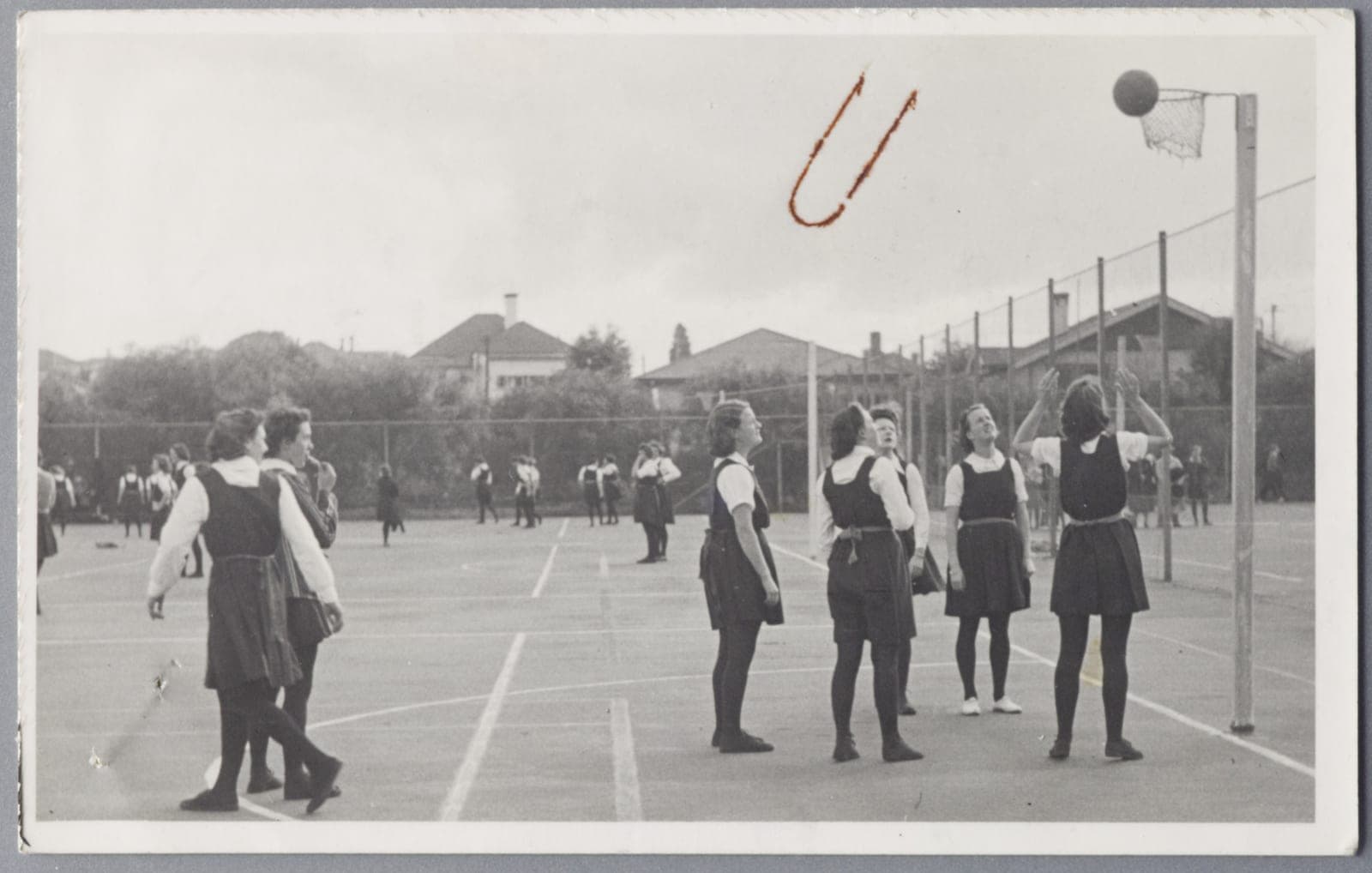
Netball
A non-contact, position-based team sport of quick passing and accurate shooting.
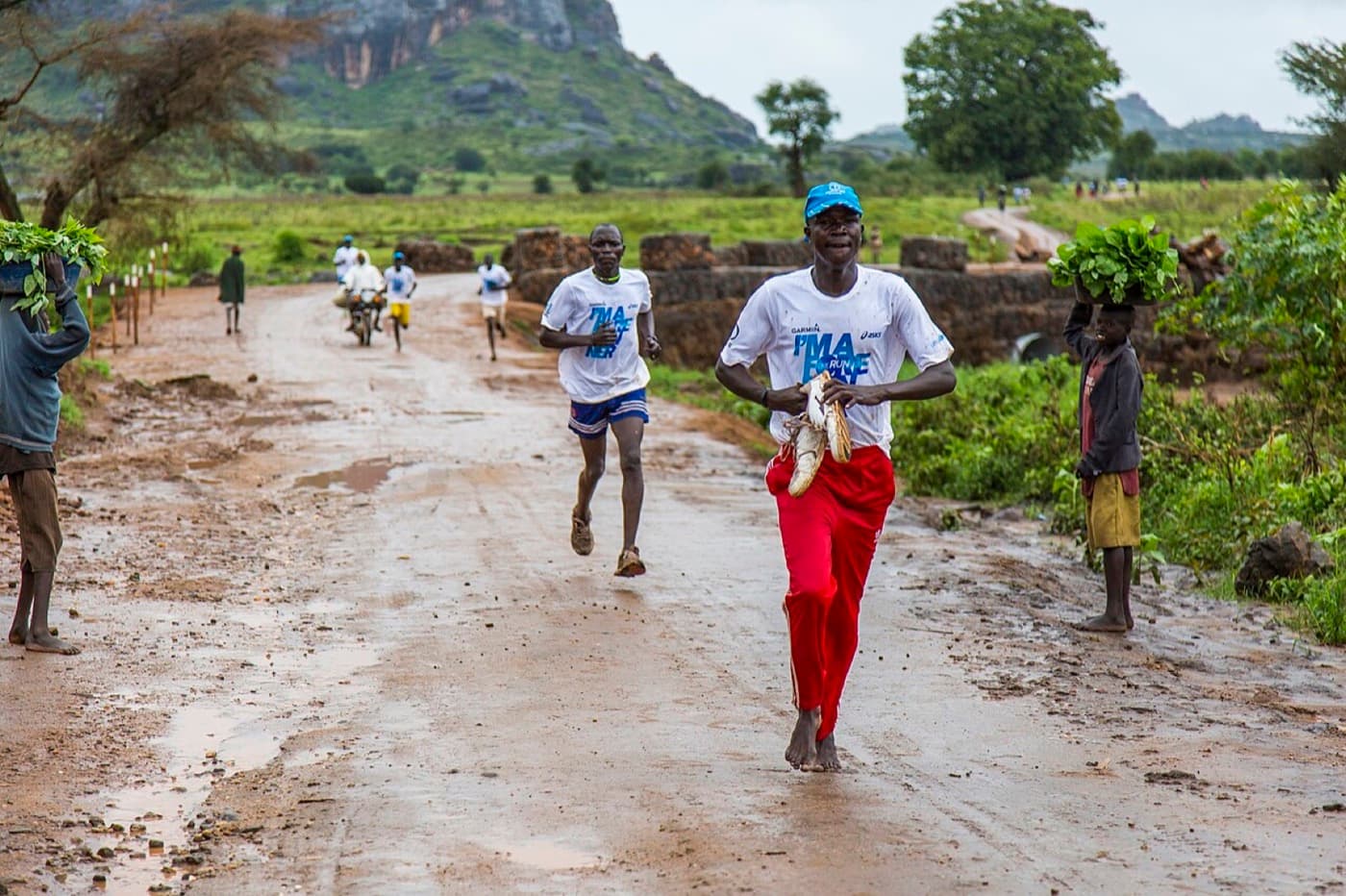
Running
The most accessible endurance sport — no venue, just shoes and the open road or trail.
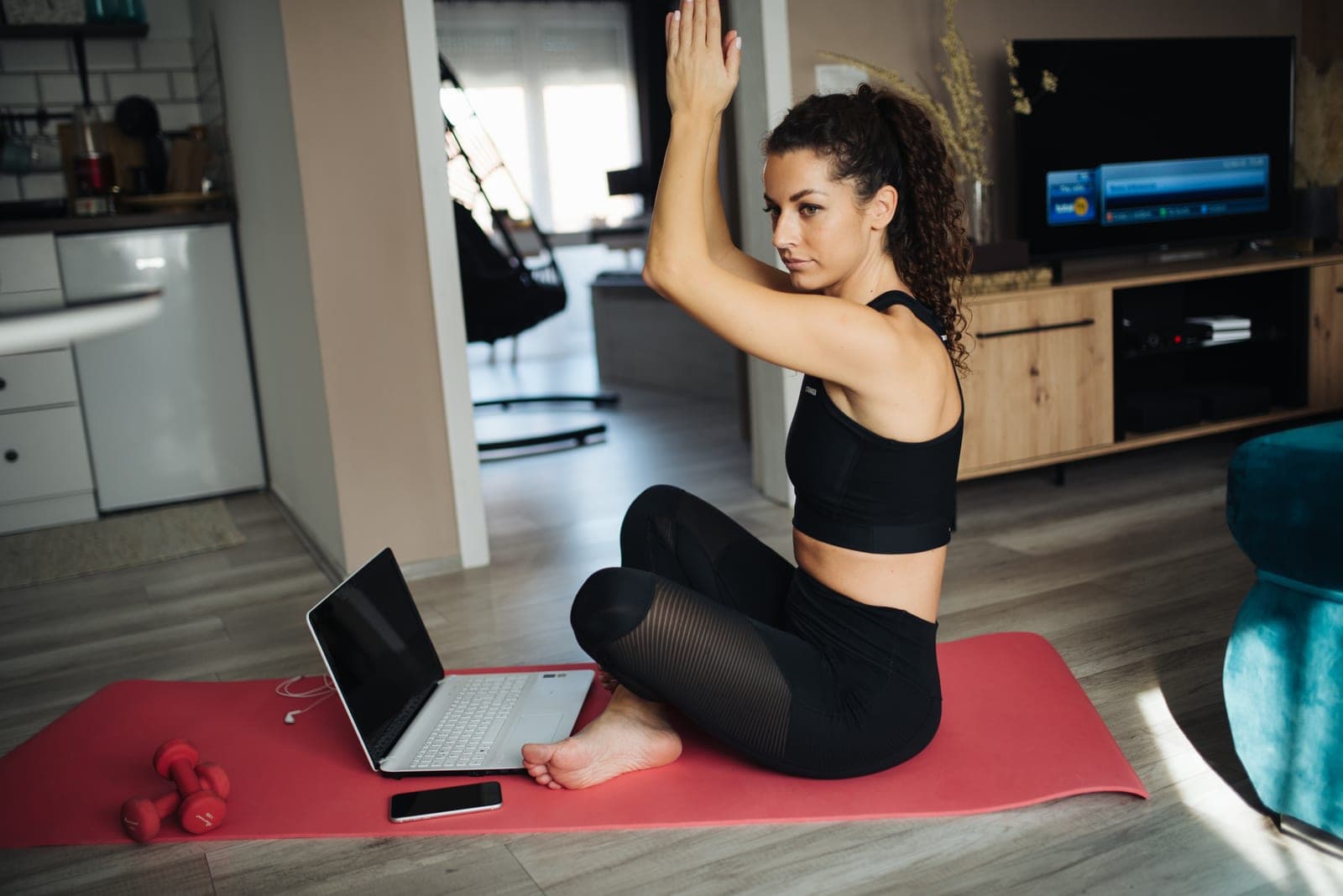
Yoga
A mind-body practice that links postures, breathing and focus to build flexibility, strength and calm.
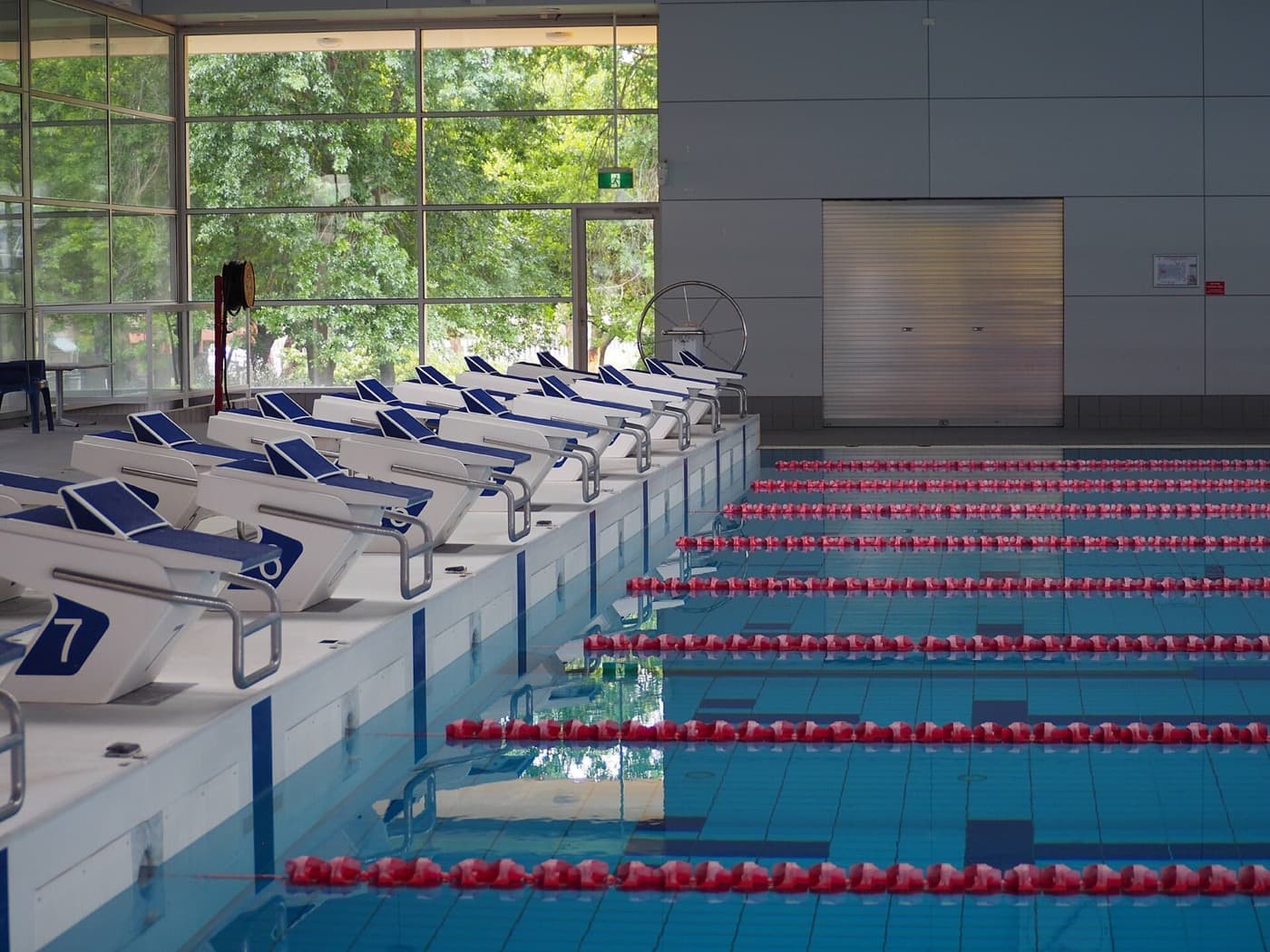
Swimming
A full-body, low-impact endurance sport suitable for almost every age and ability.
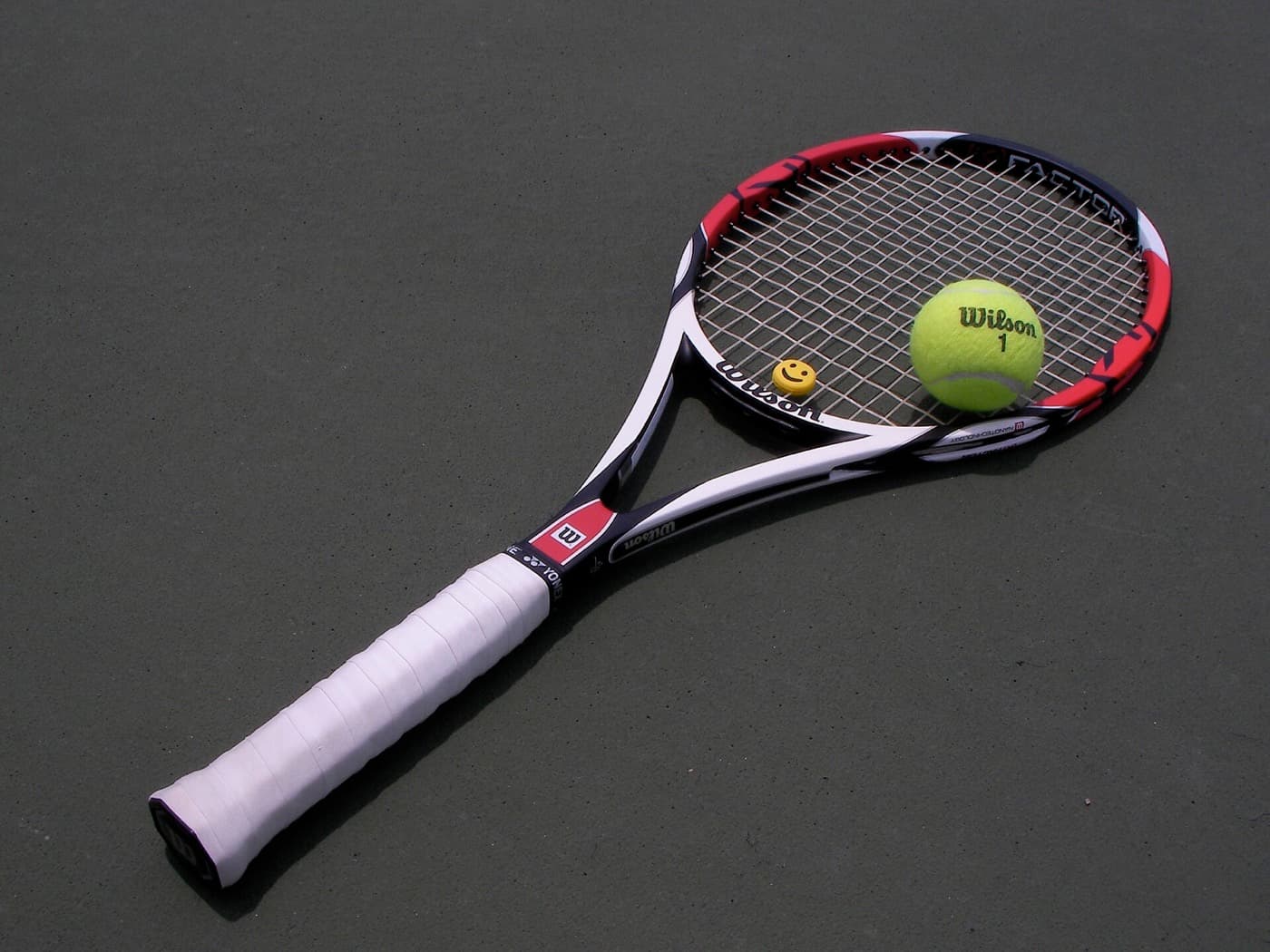
Tennis
A singles or doubles racquet sport that blends agility, strategy and stamina on court.
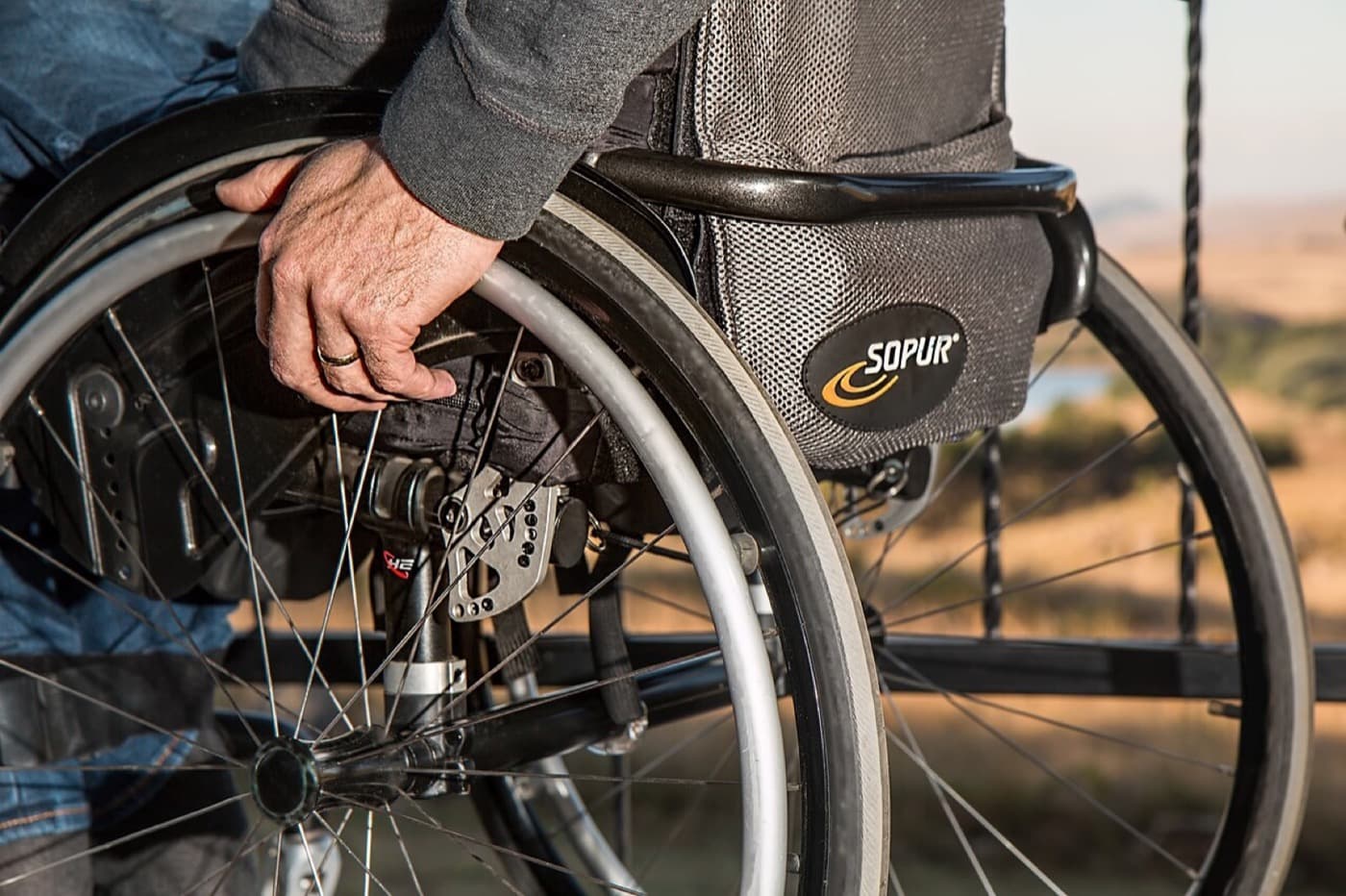
Cycling
A low-impact endurance sport that doubles as transport, exercise and adventure.
Train for it
Exercises and methods that build what this goal needs — educational, not a prescription.
Wall sit
A holding exercise where you sit against a wall with no chair, holding a squat position still.
Step-up
A movement where you step up onto a raised platform one leg at a time and step back down.
Kettlebell swing
A dynamic hinge where you swing a kettlebell to shoulder height using a snap of the hips.
Push-up
A classic upper-body pushing exercise where you lower and press your body up from the floor.
Tricep dip
A pushing exercise where you lower and raise your body using your arms on parallel bars or a bench.
Pull-up
A vertical pulling exercise where you hang from a bar and pull your chin above it.
Frequently asked questions
What sports are good for women?
All sports are open to women, so the best one is whatever suits your interests, schedule and body. Popular starting points include running, swimming, cycling, yoga and team sports such as netball, but the right choice is personal and any activity you enjoy and can sustain is a good one.
How can I start a sport if I have never played before?
Beginner and taster sessions are designed for people with no background in a sport, and women-only or mixed groups can make starting feel more comfortable. Begin gently, focus on enjoying it, and build up gradually.
Can I stay active during different life stages?
Many women stay active across all stages of life, adapting the type and intensity of activity to suit their circumstances. This is general educational information; for guidance around pregnancy, recovery or any health condition, it is best to speak with a doctor.
Related goals
Become more active
Add regular, gentle movement to your everyday life and build up from a sedentary start at your own pace.
Improve fitness
Build well-rounded fitness — stamina, strength and more — through regular, varied activity you can keep up.
Build confidence
Use sport and steady progress to feel more capable, comfortable and self-assured over time.
Social activities
Use sport as a way to meet people, make friends and stay connected while staying active.
Build healthy habits
Using sport and routine to make regular activity a lasting part of everyday life.
How it connects
The meaning-bearing relationships that place Sports for women in the wider knowledge graph — each one with the reason it exists.
Achieved through
Routes people take towards this goal.
- NetballNetball is one of the sports listed under the “Sports for women” goal.
- RunningRunning is one of the sports listed under the “Sports for women” goal.
- YogaYoga is one of the sports listed under the “Sports for women” goal.
- SwimmingSwimming is one of the sports listed under the “Sports for women” goal.
- TennisTennis is one of the sports listed under the “Sports for women” goal.
Explore across the knowledge base
Follow the threads that connect Sports for women to the rest of SocialSportHub.
How this page is maintained
- Content type
- Life goal
- Provenance
- Tier A — evergreen educational
- Verified external sources
- 0
- Content updated
- 2026-09-22
Evergreen, first-party explanation — it makes no claim that needs an external source. How we handle sources and reviews.