
Adaptive coaching
Coaching that adjusts how it teaches — communication, planning and pace — so that people with a disability can learn, improve and enjoy a sport.
Overview
Adaptive coaching is coaching that adjusts how it teaches so that people with a disability can learn and progress in a sport. A coach might change how instructions are given — for example using clear speech, demonstration, touch cues or sign — adjust the way sessions are structured, or find the technique and equipment that suit each athlete. The coaching skills are the same as in any sport; what adapts is the way they are applied to the individual.
Good adaptive coaching starts from the person rather than the impairment: it focuses on what someone can do, sets realistic goals, and builds confidence alongside skill. Many coaches take specific training to work inclusively, and they often work with athletes, families and other professionals as a team. This is general information; for coaching suited to a specific person or disability, a qualified coach and the sport's governing body are the right sources.
What to know
- Coaching that adjusts how it teaches so people with a disability can learn and improve.
- Adaptations include how instructions are given, how sessions are structured, and the pace of progress.
- It starts from the person and what they can do, not from the impairment.
- The core coaching skills are the same as in any sport; the application is tailored.
- Coaches often work as a team with athletes, families and other professionals.
In practice
- Clear communication matters — asking each athlete what works for them is a good starting point.
- Many governing bodies offer inclusive or disability-specific coach education.
- Building confidence and enjoyment is as important as developing technique.
- For coaching suited to a specific person or disability, defer to a qualified coach and the sport's governing body.
Educational & inclusive
Related sports
Sports that connect to this topic — each with a clear, beginner-friendly guide.
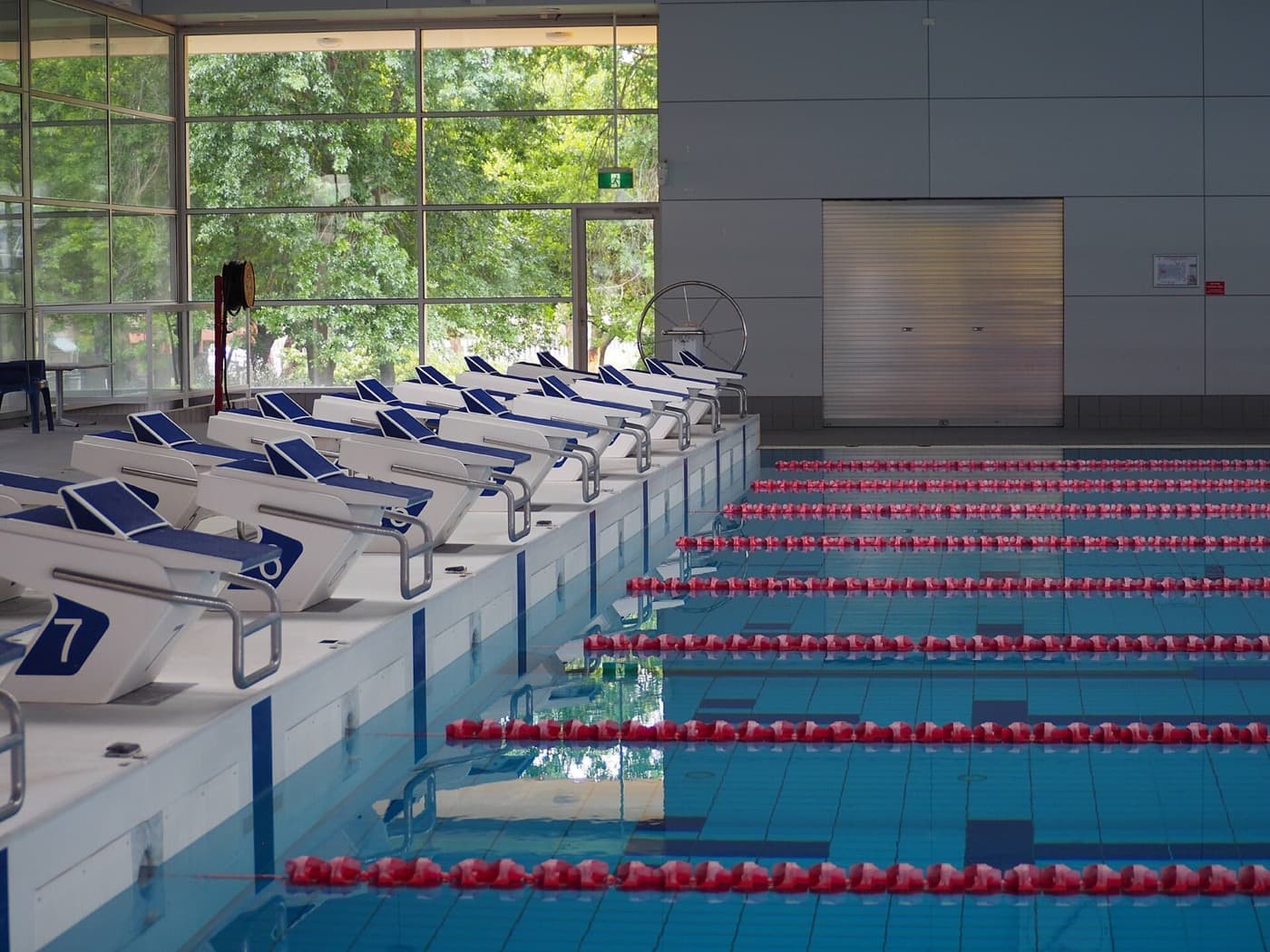
Swimming
A full-body, low-impact endurance sport suitable for almost every age and ability.
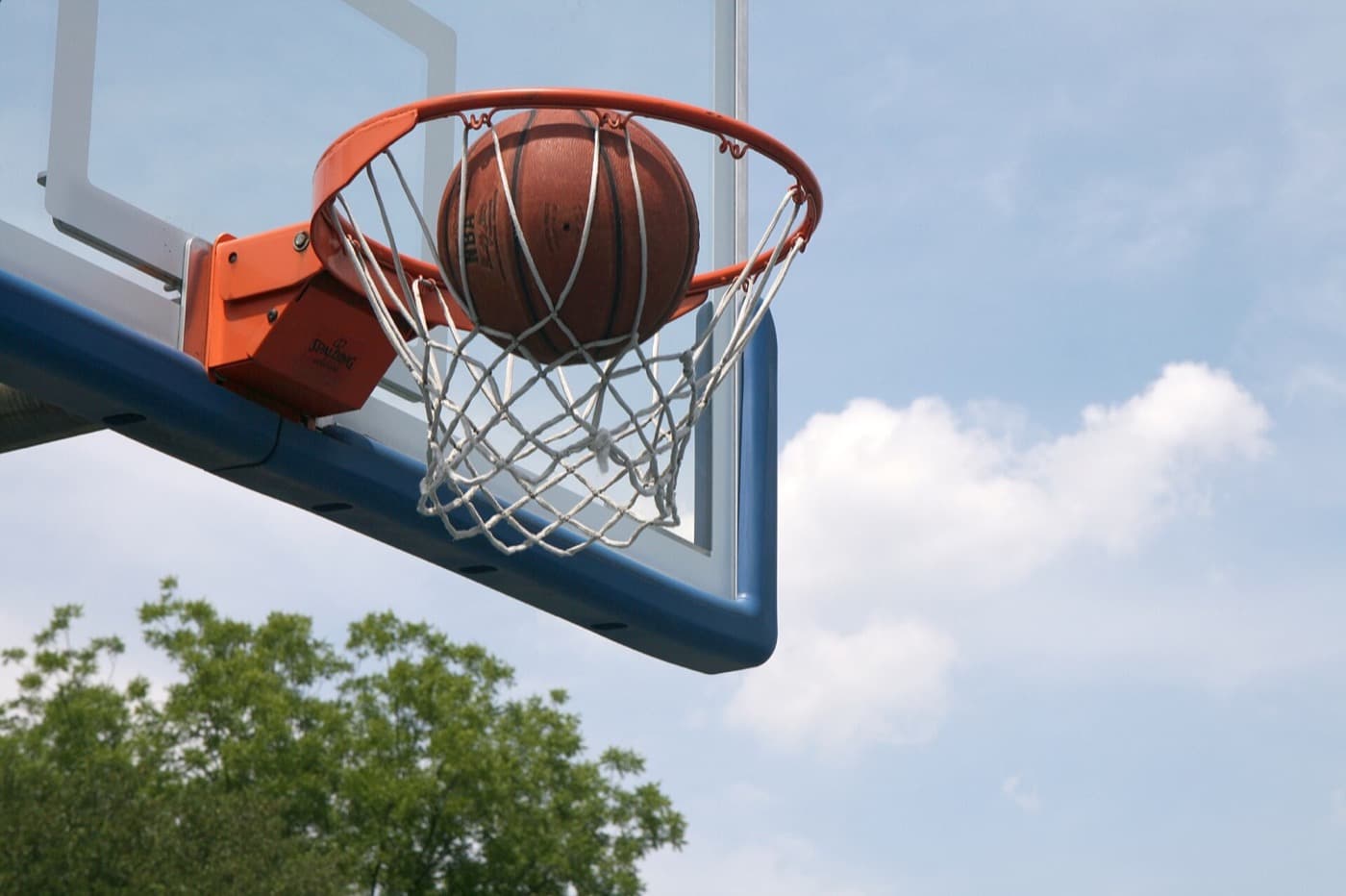
Basketball
A fast, dynamic team sport of running, jumping and quick decisions on court.
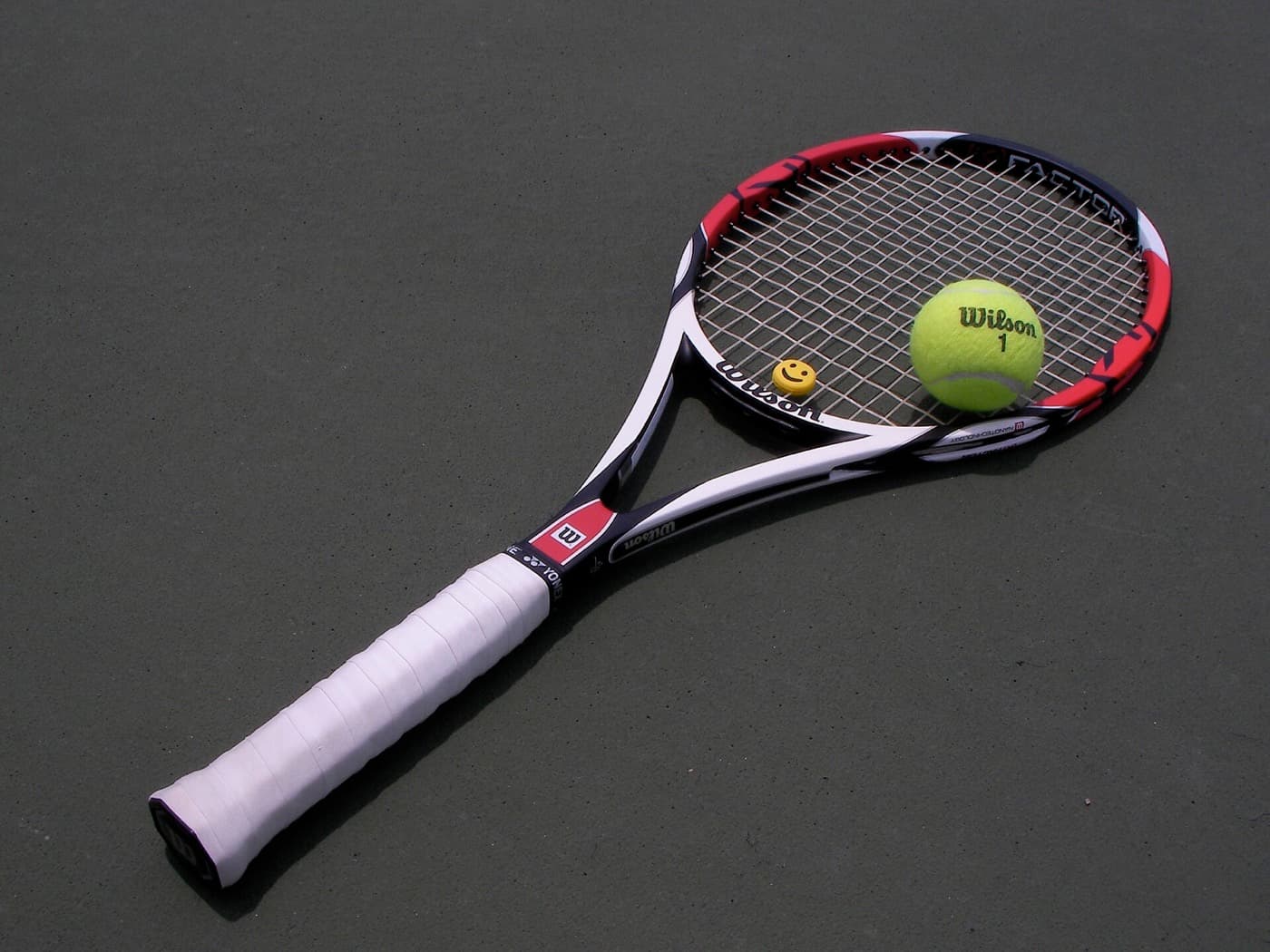
Tennis
A singles or doubles racquet sport that blends agility, strategy and stamina on court.

Football
The world’s most popular team sport — endless running, teamwork and community in one game.
Goals it supports
Build confidence
Use sport and steady progress to feel more capable, comfortable and self-assured over time.
Improve mental wellbeing
Use regular, enjoyable activity to support your mood, connection and sense of wellbeing as one healthy habit among many.
Become more active
Add regular, gentle movement to your everyday life and build up from a sedentary start at your own pace.
Social activities
Use sport as a way to meet people, make friends and stay connected while staying active.
Frequently asked questions
What is adaptive coaching?
It is coaching that adjusts how it teaches — communication, session structure, technique and pace — so people with a disability can learn, improve and enjoy a sport. It starts from the person and what they can do, and the core coaching skills stay the same. For coaching suited to a specific person, a qualified coach and the sport's governing body are the right sources.
How do I find an adaptive coach or session?
A good starting point is the sport's governing body or a local inclusive club, many of which run adaptive sessions or can point you to trained coaches. Some coaches hold specific inclusive-coaching qualifications. The relevant governing body can advise on what is available near you.
Explore across the knowledge base
Follow the threads that connect Adaptive coaching to the rest of SocialSportHub.
People
- Complete beginnersHow to start sport from scratch with accessible, low-pressure activities and a gentle, gradual approach.
- FamiliesHow families can be active together with inclusive, all-ages sports that make movement social and fun.
- Weekend athletesHow to enjoy recreational sport on weekends while staying comfortable and consistent through the week.
- Competitive athletesHow the platform fits someone who trains and plays to compete — structured, goal-directed preparation with coaching and recovery central.
Sports communication
- Communication in inclusive sportAdapting how information is shared so everyone can take part — for example using visual signals, clear sightlines or agreed cues alongside or instead of sound.
- Player-to-coach communicationHow a player shares information back to a coach — questions, how something felt, or a heads-up about availability — so coaching becomes a two-way exchange.
Knowledge Atlas
How this page is maintained
- Content type
- Adaptive sports topic
- Provenance
- Tier A — evergreen educational
- Verified external sources
- 0
- Content updated
- 2026-07-09
Evergreen, first-party explanation — it makes no claim that needs an external source. How we handle sources and reviews.