
Adaptive competitions
Organised events where athletes with disabilities compete, from local grassroots fixtures up to major international championships.
Overview
Adaptive competitions are organised events in which athletes with disabilities compete. They exist at every level — informal club fixtures and local leagues, regional and national championships, and major international events. Widely known examples include the Paralympic Games, with separate international movements such as the Deaflympics and Special Olympics also serving particular communities of athletes.
Fair competition often relies on classification — a system for grouping athletes so that impairment affects the result as little as possible — together with adapted rules specific to each sport. This is general educational information; competition formats, eligibility and classification are set by each sport's governing body. Anyone considering competing should speak to the relevant governing body, and a qualified professional for advice specific to them.
What to know
- Adaptive competitions are organised events where athletes with disabilities compete, from grassroots to elite.
- They run at many levels: local fixtures and leagues, national championships, and international events.
- Widely known examples include the Paralympic Games, alongside movements such as the Deaflympics and Special Olympics.
- Many sports use classification so that impairment affects the outcome as little as possible.
- Formats, eligibility and rules are set by each sport's governing body.
In practice
- You do not have to aim for elite sport — many people take part purely at a local, recreational level.
- Classification and eligibility rules are specific to each sport and are decided by its governing body.
- Pathways from a first session to competition vary widely between sports and countries.
- For eligibility, classification or whether competing suits you, ask the sport's governing body and a qualified professional.
Educational & inclusive
Related sports
Sports that connect to this topic — each with a clear, beginner-friendly guide.
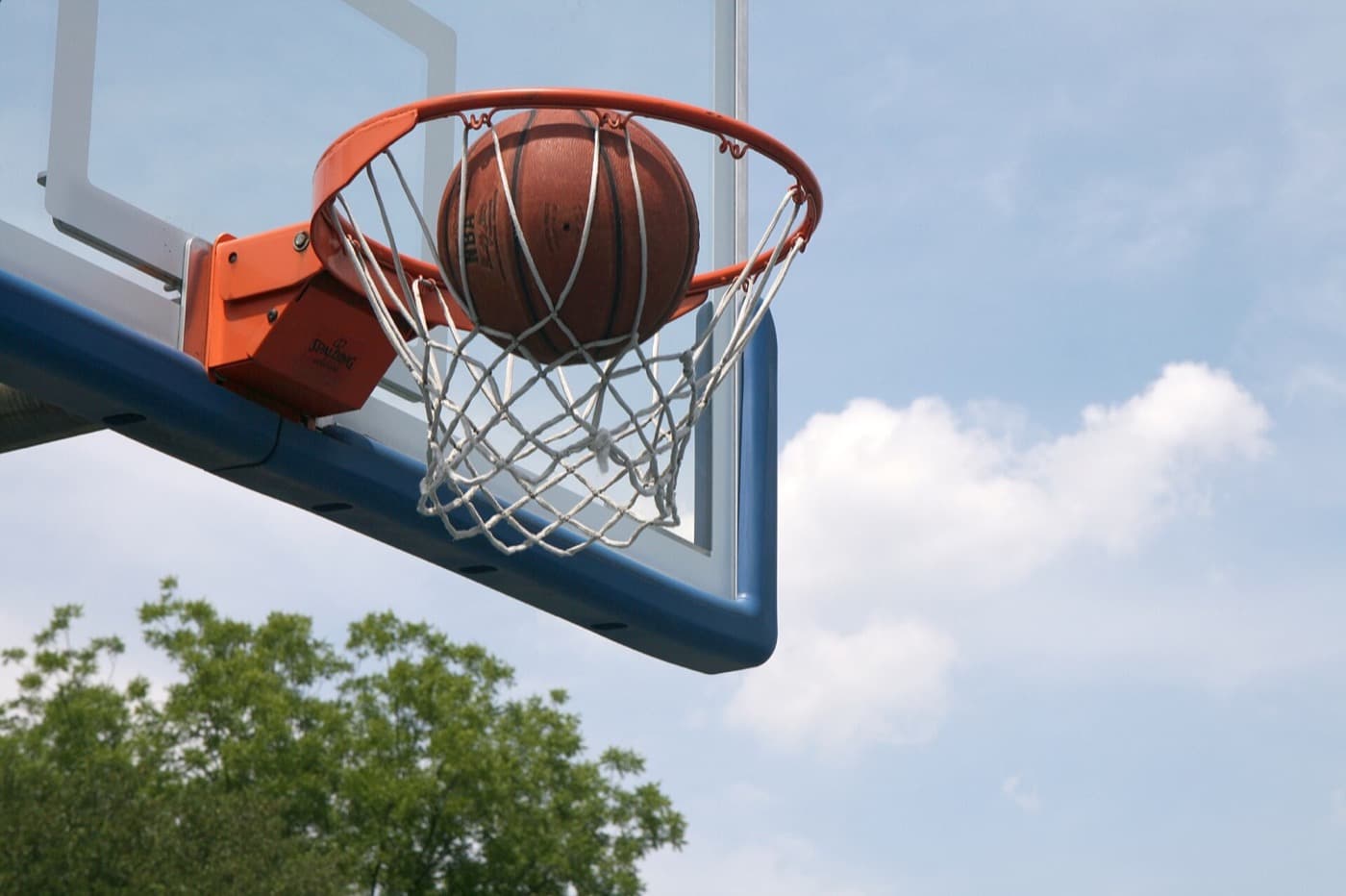
Basketball
A fast, dynamic team sport of running, jumping and quick decisions on court.
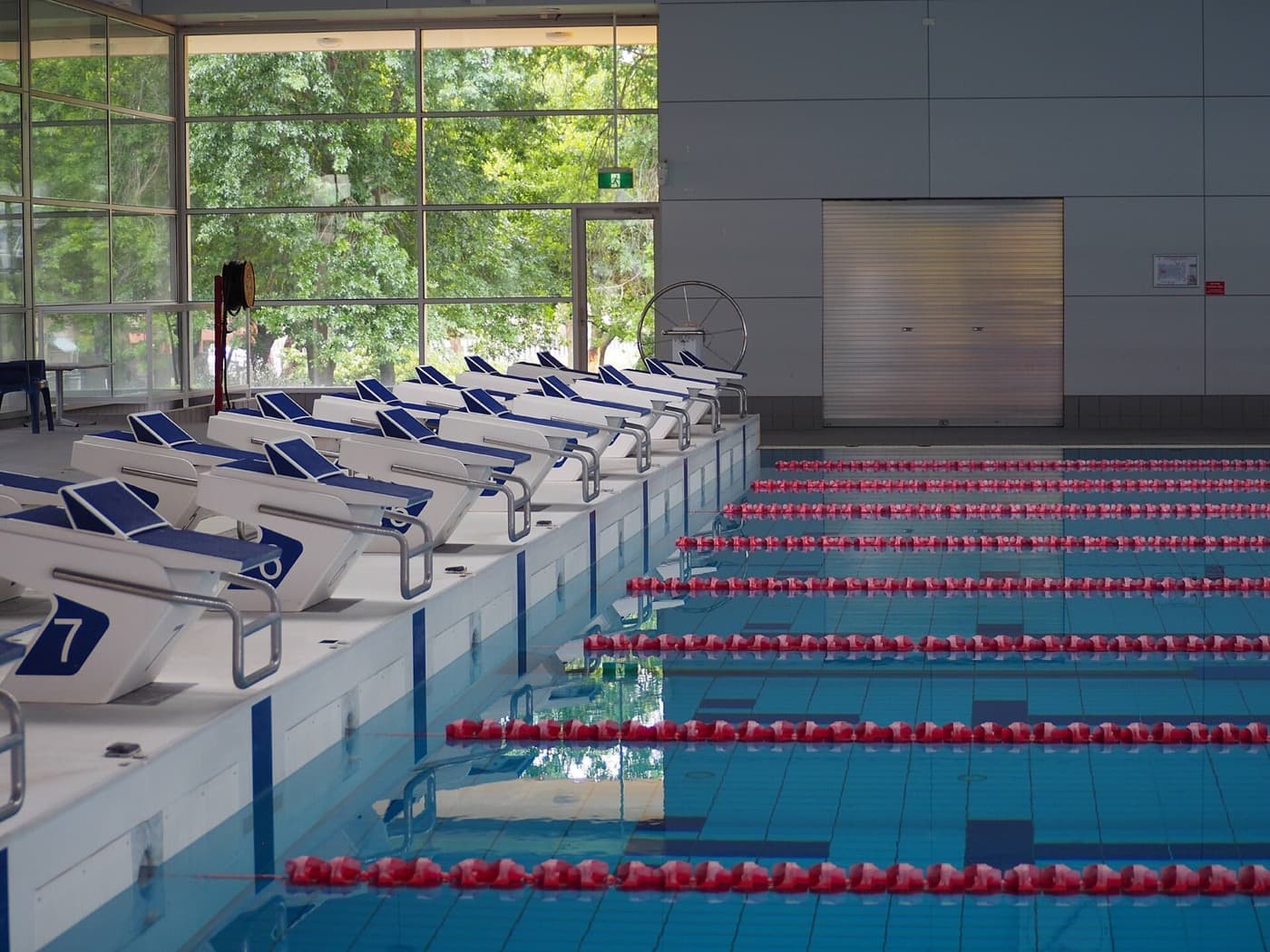
Swimming
A full-body, low-impact endurance sport suitable for almost every age and ability.

Running
The most accessible endurance sport — no venue, just shoes and the open road or trail.
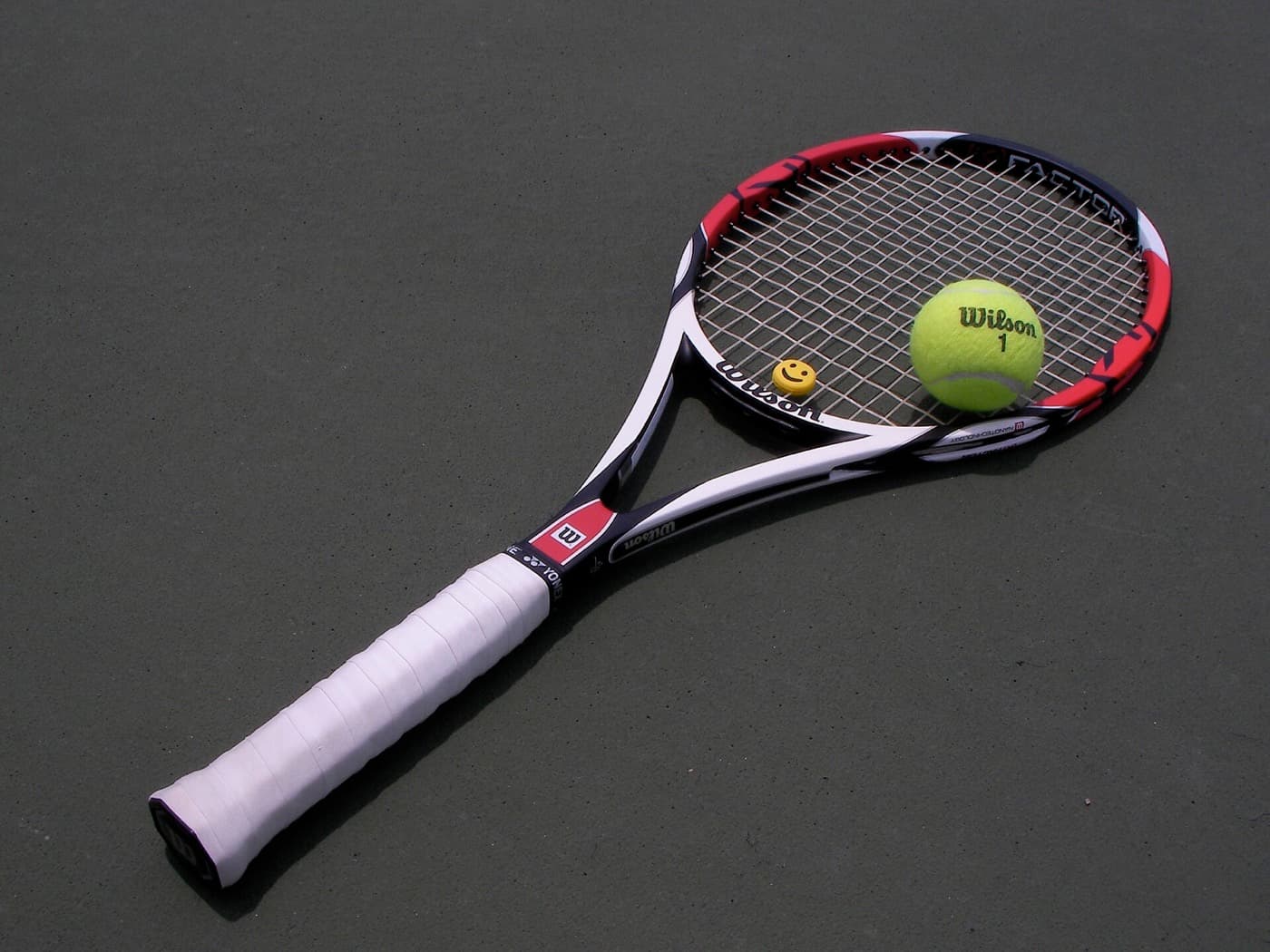
Tennis
A singles or doubles racquet sport that blends agility, strategy and stamina on court.
Goals it supports
Build confidence
Use sport and steady progress to feel more capable, comfortable and self-assured over time.
Social activities
Use sport as a way to meet people, make friends and stay connected while staying active.
Improve fitness
Build well-rounded fitness — stamina, strength and more — through regular, varied activity you can keep up.
Build an active lifestyle
Make movement a natural, lasting part of daily life through activities and habits you genuinely enjoy.
Frequently asked questions
What are adaptive sport competitions?
They are organised events where athletes with disabilities compete, ranging from local club fixtures to major international championships such as the Paralympic Games. Many sports use classification and adapted rules so that competition is as fair as possible. Formats and eligibility are set by each sport's governing body, which is the right place to check the details.
Do I have to compete to enjoy adaptive sport?
Not at all. Many people take part purely for recreation, health and enjoyment and never enter a formal competition. If you do want to compete, the sport's governing body can explain the pathways and eligibility that apply.
Explore across the knowledge base
Follow the threads that connect Adaptive competitions to the rest of SocialSportHub.
Knowledge Atlas
Experience levels
Rules
- Test, ODI and T20 cricket comparedThe three international formats of cricket side by side — innings structure, over limits and match length — and why almost everything that separates them is a competition rule rather than a Law.
- Ice hockey penaltiesHow hockey punishes infractions by putting a player in the box — minor, double-minor, major, misconduct and game misconduct — and which ones end early when a goal is scored.
How this page is maintained
- Content type
- Adaptive sports topic
- Provenance
- Tier A — evergreen educational
- Verified external sources
- 0
- Content updated
- 2026-07-09
Evergreen, first-party explanation — it makes no claim that needs an external source. How we handle sources and reviews.