Hard Court
A rigid tennis or racket-sport surface of acrylic-coated concrete or asphalt that gives a medium-fast, true and consistent bounce.
Definition
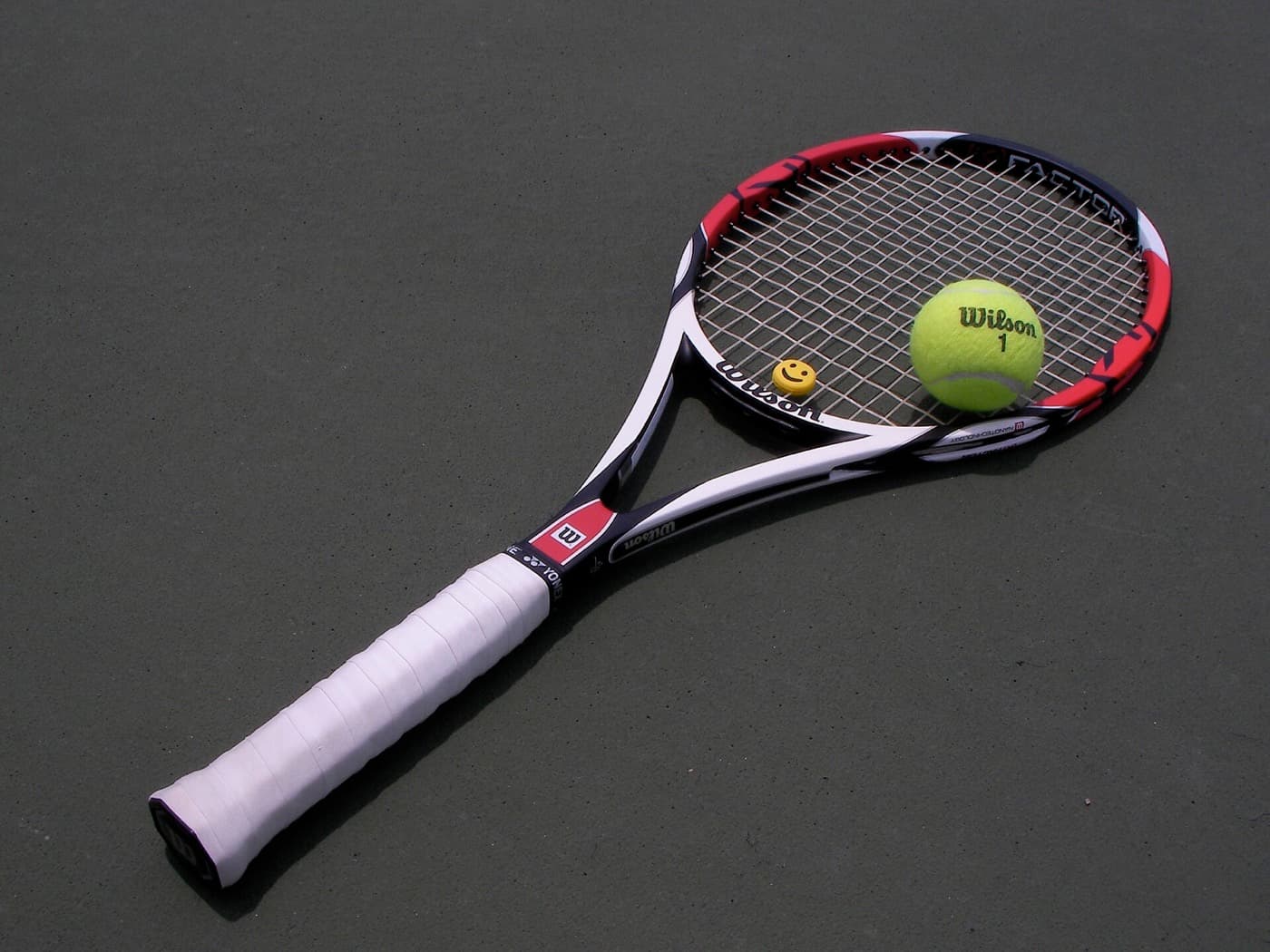
A hard court is a court surface built on a rigid base of concrete or asphalt and finished with layers of acrylic paint, often with sand or rubber mixed in to control speed and grip. It delivers a bounce that is truer and more predictable than clay or grass, at a medium-to-fast pace that can be tuned by the coating — more sand slows the court, less speeds it up. Two of tennis's Grand Slams, the Australian and US Opens, are played on hard courts.
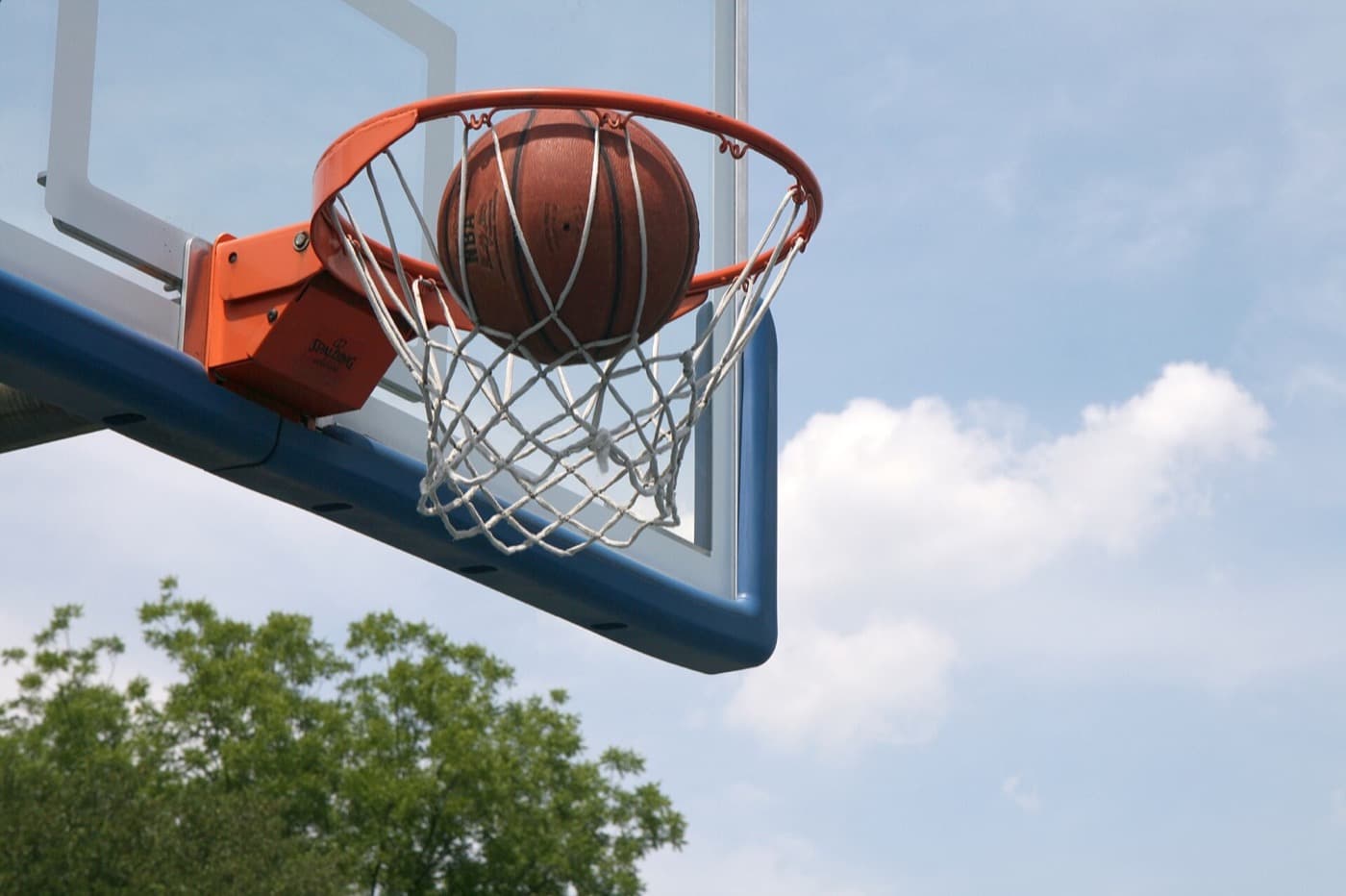
Hard courts are also standard for outdoor basketball and many multi-sport spaces because they are relatively low-maintenance, all-weather and long-lasting. The trade-off is that the unyielding base transmits more impact to players than clay or grass, which is one reason cushioned acrylic systems with a rubberised underlayer are widely used.
Scope: A surface type, not a venue; the most common modern tennis and outdoor basketball surface.
Where you’ll hear “hard court”
Sports that use this term:
Explore across the knowledge base
Follow the threads that connect Hard Court to the rest of SocialSportHub.
Playing surfaces
- Hard courtA rigid acrylic, concrete or asphalt court that gives a true, consistent, medium-paced bounce — the standard multi-use outdoor surface.
- GrassNatural turf grown on soil — the traditional surface for many field sports and, in tennis, a fast court with a low, skiddy bounce.
- ClayA soft, granular racquet-sport surface of crushed brick, stone or shale that slows the ball, gives a high bounce and lets players slide into shots.
- WoodAn indoor sprung timber or parquet floor — grippy, consistent and lightly cushioned; the classic surface for indoor court sports.
- SandLoose beach sand: a soft, shifting, energy-sapping surface with no true bounce that rewards balance and footwork, used for beach sports and conditioning.
Equipment
- Padel racketA solid, stringless perforated racket used to play padel.
- Tennis racquetA strung frame with a handle used to hit the ball in tennis.
- Table tennis batA small wooden blade covered with rubber used to hit the ball in table tennis.
- BasketballA large, inflated ball with a dimpled surface used to play basketball.
- Badminton racketA lightweight strung racket used to hit the shuttlecock in badminton.
Skills
- Net playThe skill of controlling points close to the net with volleys and touch shots.
- RallyingThe skill of exchanging shots back and forth to build and win a point.
- ServingThe skill of putting the ball or shuttle into play to start a point or rally.
- DiggingThe volleyball skill of controlling a hard-driven ball low to keep it in play.
- SpikingThe volleyball skill of jumping and striking the ball forcefully down into the opponent’s court.
Skills Academy
Rules
- Foot faultA serving fault called when the server's foot touches the baseline or court before striking the ball.
- LetA call that stops a point and has it replayed without penalty, used across several racket sports.
- Tennis serving rulesThe rules governing how a tennis point begins, including where the server stands and where the serve must land.
- Two-bounce ruleA pickleball rule requiring both the serve and the return to bounce once before players may hit the ball out of the air.
Techniques
- Inside-of-the-Foot PassThe most reliable short pass in football, played with the inside surface of the foot for accuracy over a short to medium distance.
- Table Tennis Forehand DriveA controlled attacking stroke in table tennis, played on the forehand side with a compact swing and light topspin.
- Topspin ForehandA forehand groundstroke hit with a low-to-high swing that puts forward spin on the ball so it dips and kicks up on landing.
- Tennis ServeThe overhead stroke that starts every point, hit from behind the baseline into the diagonally opposite service box.
- Badminton ClearAn overhead stroke that sends the shuttlecock high and deep to the opponent's back court, resetting the rally or buying time.