
Grass (Playing Surface)
A natural turf playing surface of living, mown grass grown on soil, used for tennis, football, cricket and other field sports.
Definition
Grass is a natural playing surface of cultivated, mown turf grown from living grass over a prepared soil or sand base. In tennis it is the fastest of the traditional surfaces — the ball skids low and quickly off the smooth turf, rewarding serve-and-volley play and quick reactions, as at Wimbledon. As a football and rugby surface it is prized for its feel and traction but is vulnerable to wear, weather and heavy use.
Maintaining natural grass is demanding — mowing, watering, feeding and reseeding — and it recovers slowly from damage, which is why many venues now use hybrid pitches that stitch synthetic fibres into real turf, or move to fully artificial surfaces. "Grass" describes the material of the surface, not the venue: a grass court and a grass pitch are different venues sharing the same surface type.
Scope: The surface material; contrast with artificial turf, its synthetic equivalent.
Where you’ll hear “grass (playing surface)”
Sports that use this term:
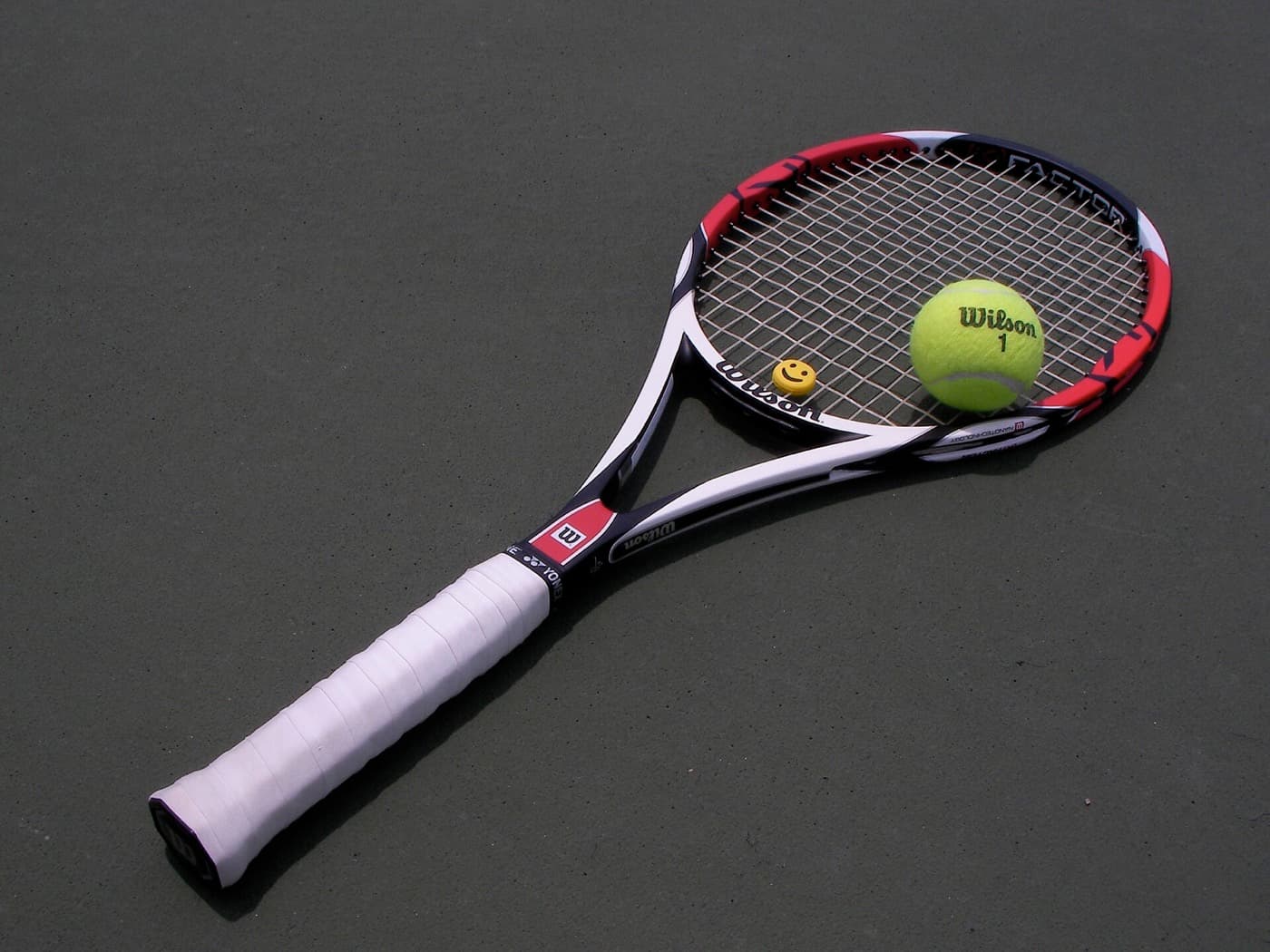
Tennis
A singles or doubles racquet sport that blends agility, strategy and stamina on court.
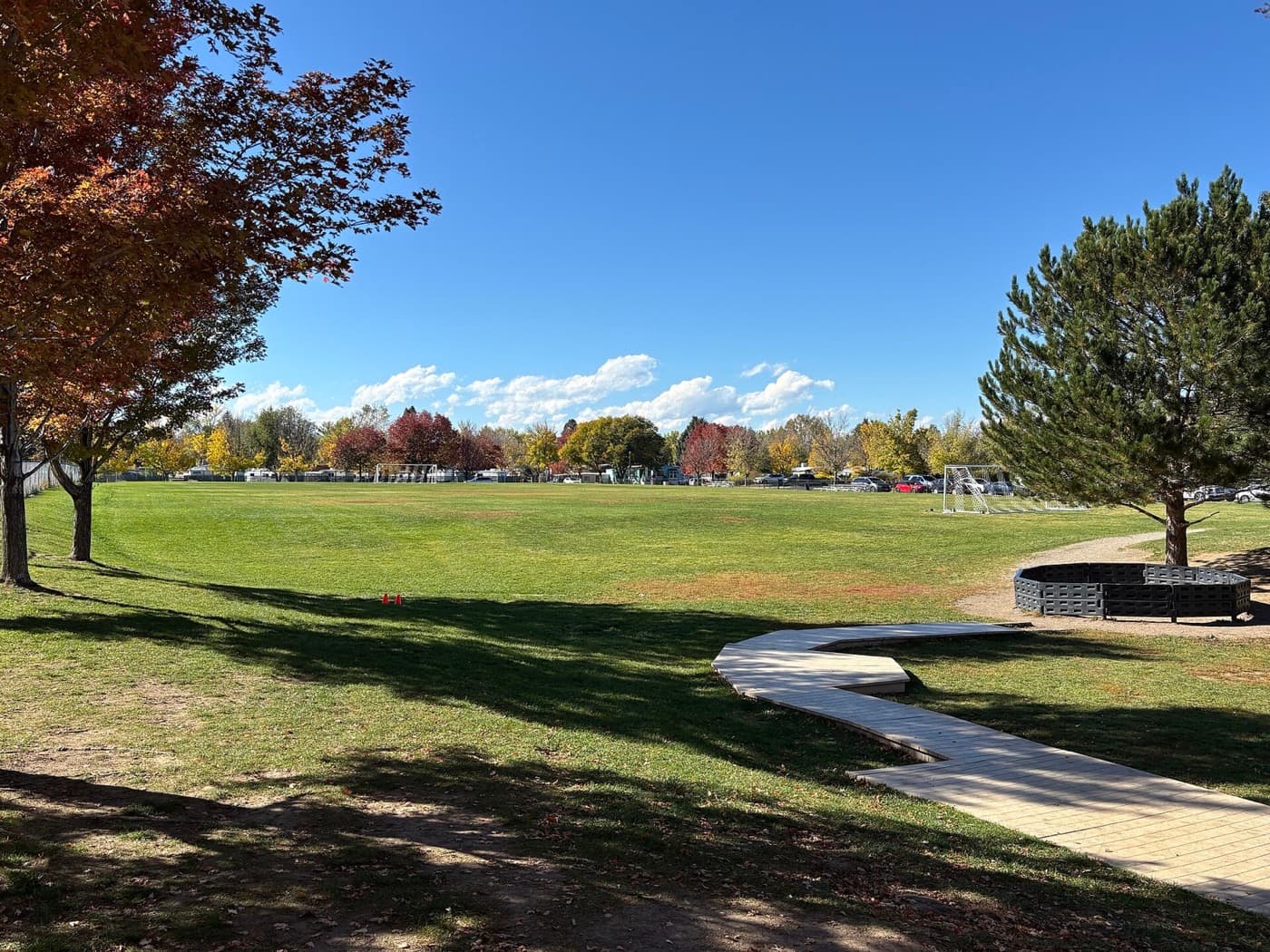
Football
The world’s most popular team sport — endless running, teamwork and community in one game.
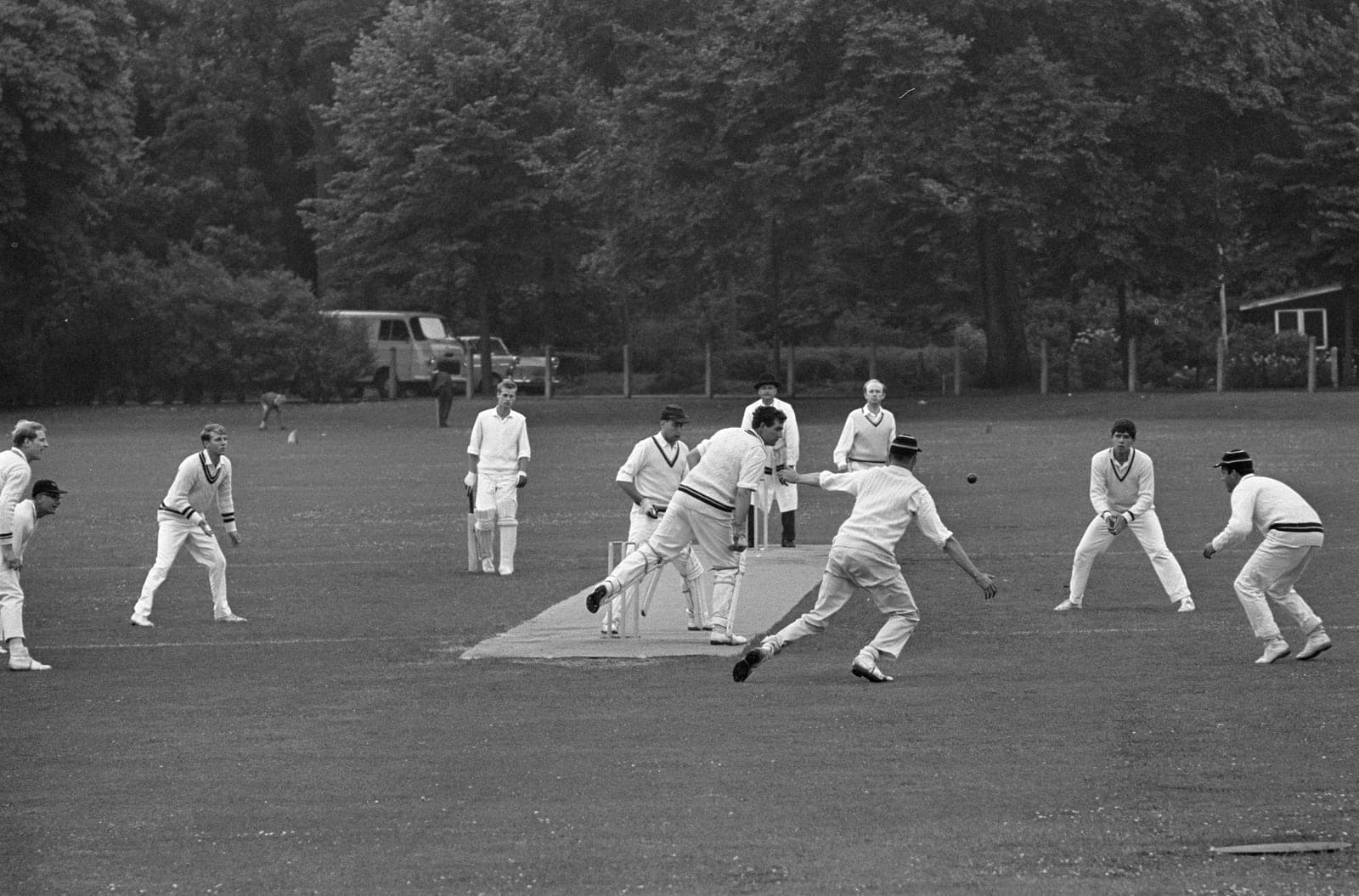
Cricket
A bat-and-ball team sport where sides take turns to bat and to bowl and field, scoring runs.
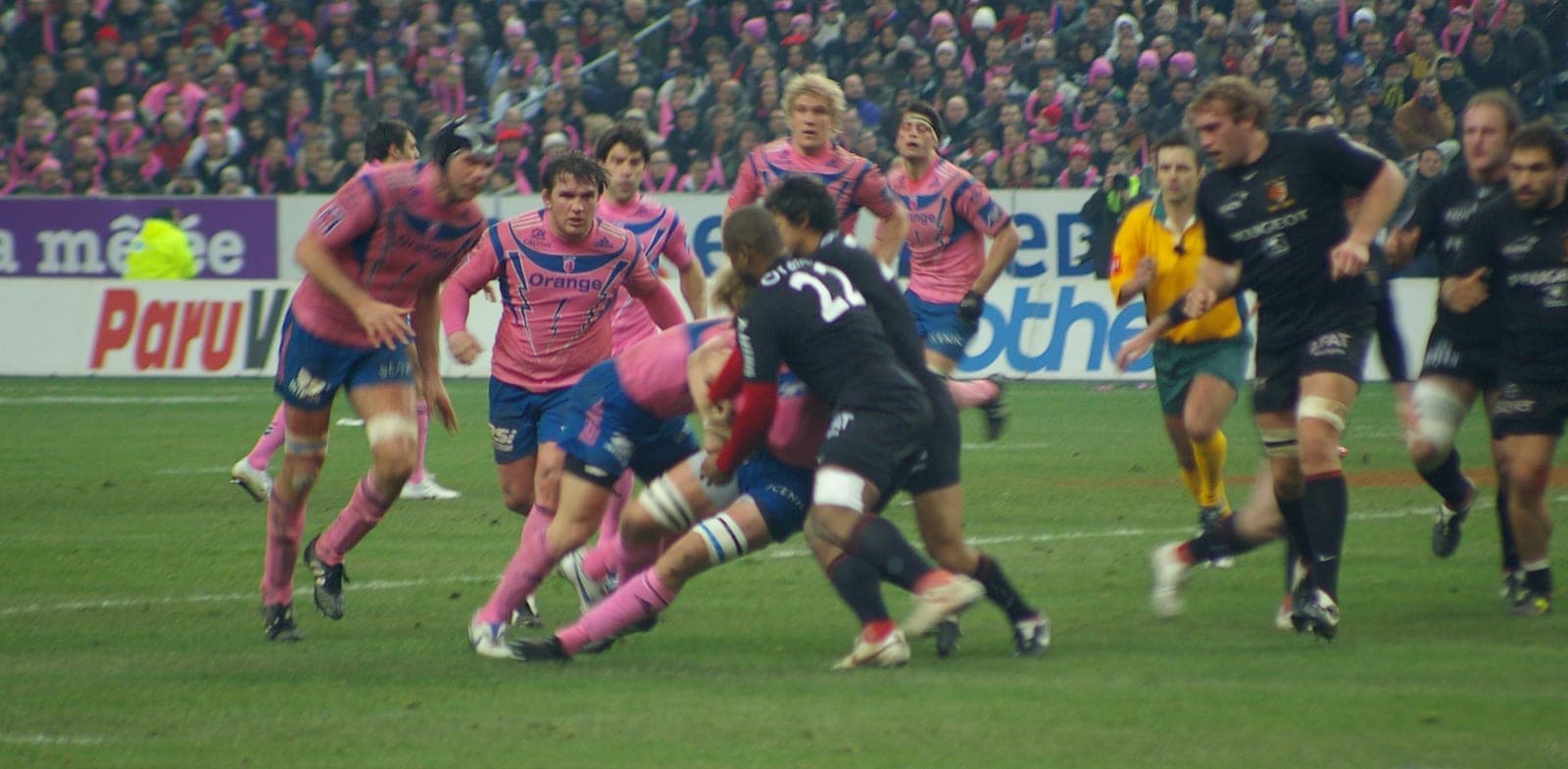
Rugby
A physical team sport of carrying, passing and kicking an oval ball toward the opposing line.
Explore across the knowledge base
Follow the threads that connect Grass (Playing Surface) to the rest of SocialSportHub.
Beginner guides
- Beginner Clothing and Equipment BasicsA calm, practical guide to what to wear and bring for a first session — comfort and freedom of movement first, borrow or hire before you buy, and footwear that matches the surface.
- Playing Alone or With Others: Which to Start WithA friendly, honest look at the trade-offs of starting a sport on your own versus alongside other people — and why, for most sports, you don't really have to pick just one.
Playing surfaces
- GrassNatural turf grown on soil — the traditional surface for many field sports and, in tennis, a fast court with a low, skiddy bounce.
- Artificial turfSynthetic grass, often filled with sand or rubber, that gives a firm, even, all-weather surface. It plays faster and truer than worn natural grass.
- ClayA soft, granular racquet-sport surface of crushed brick, stone or shale that slows the ball, gives a high bounce and lets players slide into shots.
- WoodAn indoor sprung timber or parquet floor — grippy, consistent and lightly cushioned; the classic surface for indoor court sports.
- SandLoose beach sand: a soft, shifting, energy-sapping surface with no true bounce that rewards balance and footwork, used for beach sports and conditioning.
Decision making
- Adapting to conditionsAdjusting your decisions as the conditions around you change — weather, surface, equipment, fatigue or an opponent's style.
- Reading spaceSeeing where space is — and is not — on the field or court, and using it to decide where to move, pass or play.
- Positioning choicesDeciding where to place yourself — often before the ball arrives — to cover space, stay ready to act and shape what an opponent can do.
- Situational awarenessHolding an overall picture of what is happening around you — teammates, opponents, ball, space and the state of the game — and keeping it updated as play unfolds.
- When to defendJudging the moment to switch from attacking intent to protecting your goal, court or position — recognising when the situation calls for security over ambition.
Facilities
- Football pitchThe large rectangular grass or artificial-turf field on which football (soccer) is played, with a goal at each end.
- Sports hallA large indoor hall with multi-sport line markings, used for court sports like basketball, volleyball and badminton.
- Ice rinkA sheet of prepared ice, usually rink-boarded with rounded corners, used for skating and ice sports.
- Padel courtAn enclosed court, much smaller than a tennis court, walled with glass and mesh so the ball can be played off the walls.
- Tennis courtA rectangular marked court, divided across the middle by a net, where tennis is played as singles or doubles.
Equipment
- Football boots (cleats)Studded footwear that grips the pitch for football and other field sports.
- Shin guardsProtective pads worn over the shins in football and other field sports.
- Padel racketA solid, stringless perforated racket used to play padel.
- BasketballA large, inflated ball with a dimpled surface used to play basketball.
- Football (soccer ball)A round, inflated ball used to play association football and futsal.
Rules
- Direct and indirect free kicksThe two types of free kick awarded in football to restart play after a foul or other stoppage.
- Foot faultA serving fault called when the server's foot touches the baseline or court before striking the ball.
- LetA call that stops a point and has it replayed without penalty, used across several racket sports.
- Out of boundsThe rule that a ball or player leaving the marked playing area is out of play and possession is decided at the boundary.