
Ace
A serve that the receiver fails to touch, winning the point outright for the server.
Definition
In racquet sports such as tennis, an ace is a legal serve that lands in the correct area of the court and is not touched by the receiver, so the server wins the point immediately. The same idea appears in volleyball, where a serve that lands in play untouched, or that the opponent cannot return, counts as an ace.
An ace is a scoring highlight because the point is won without a rally, usually thanks to the speed, spin, or placement of the serve. In golf the word "ace" has a different meaning entirely, referring to a hole completed in a single stroke.
Where you’ll hear “ace”
Sports that use this term:
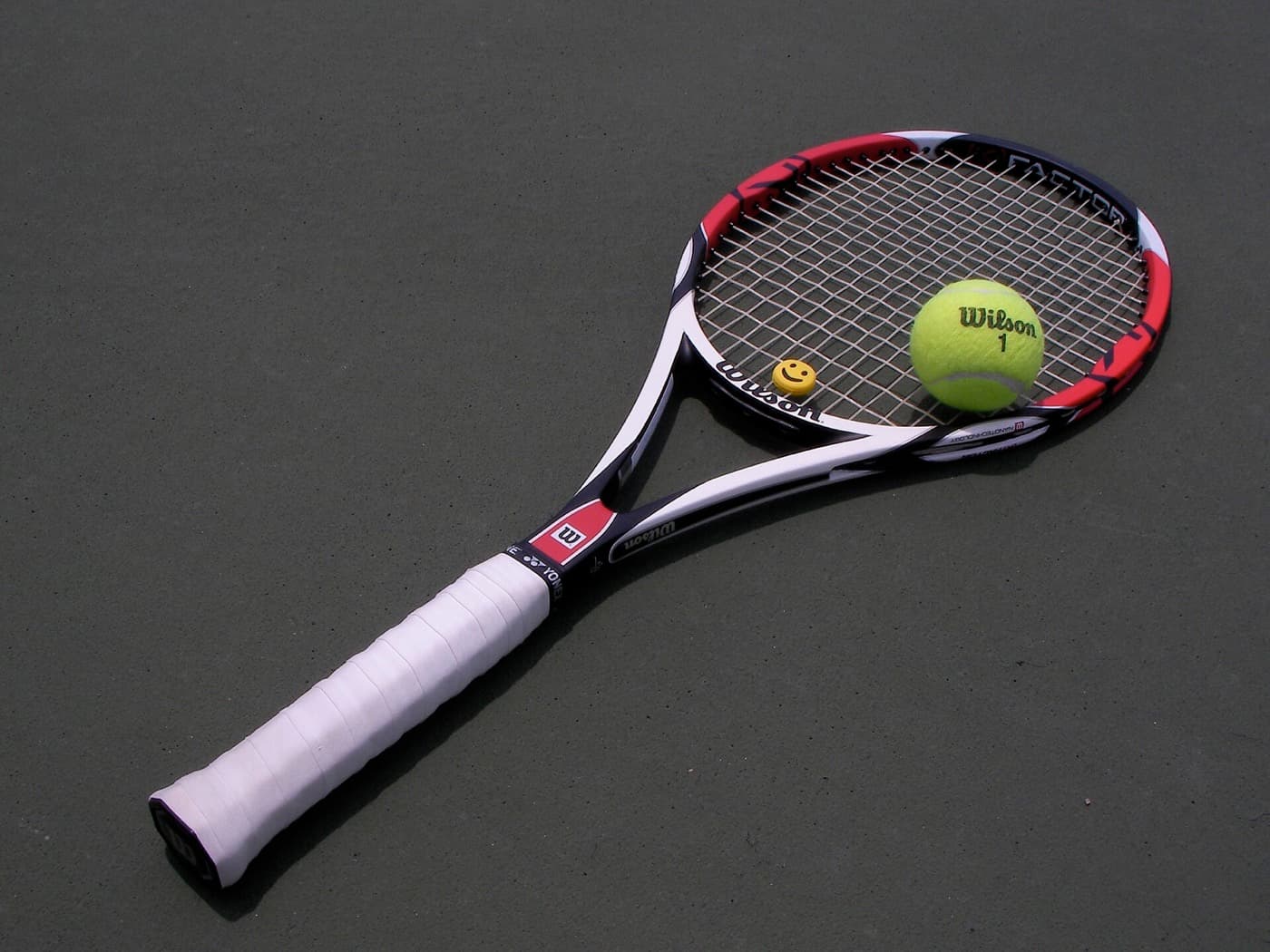
Tennis
A singles or doubles racquet sport that blends agility, strategy and stamina on court.
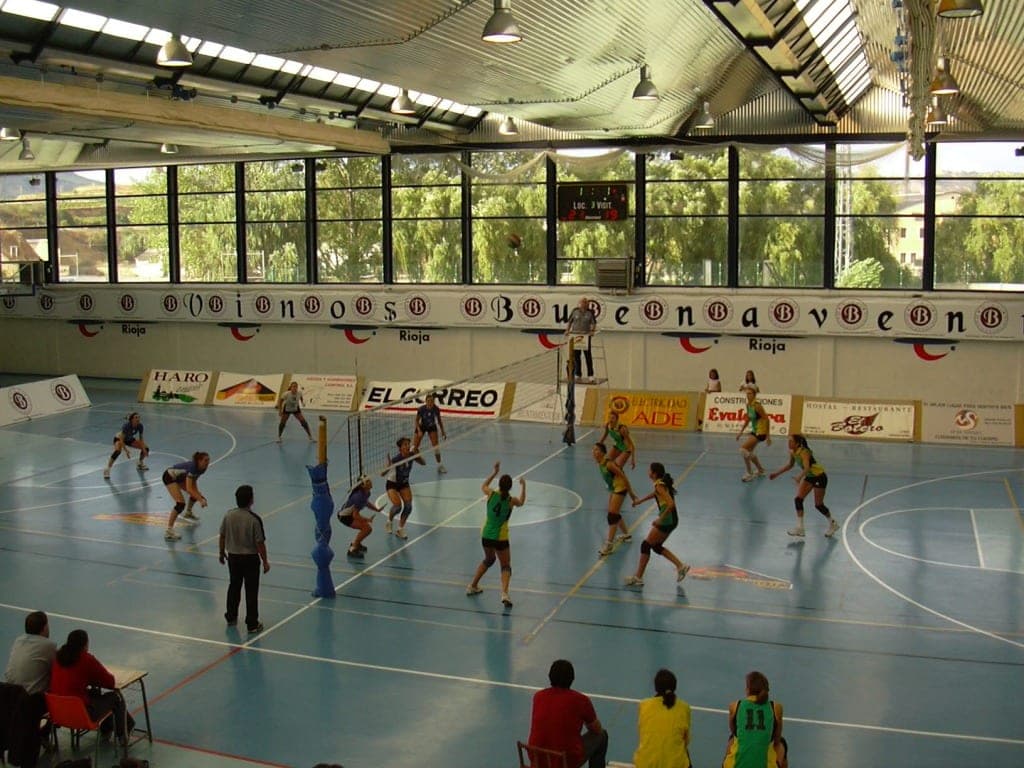
Volleyball
A non-contact team sport of rallies, jumps and teamwork — indoors or on the beach.
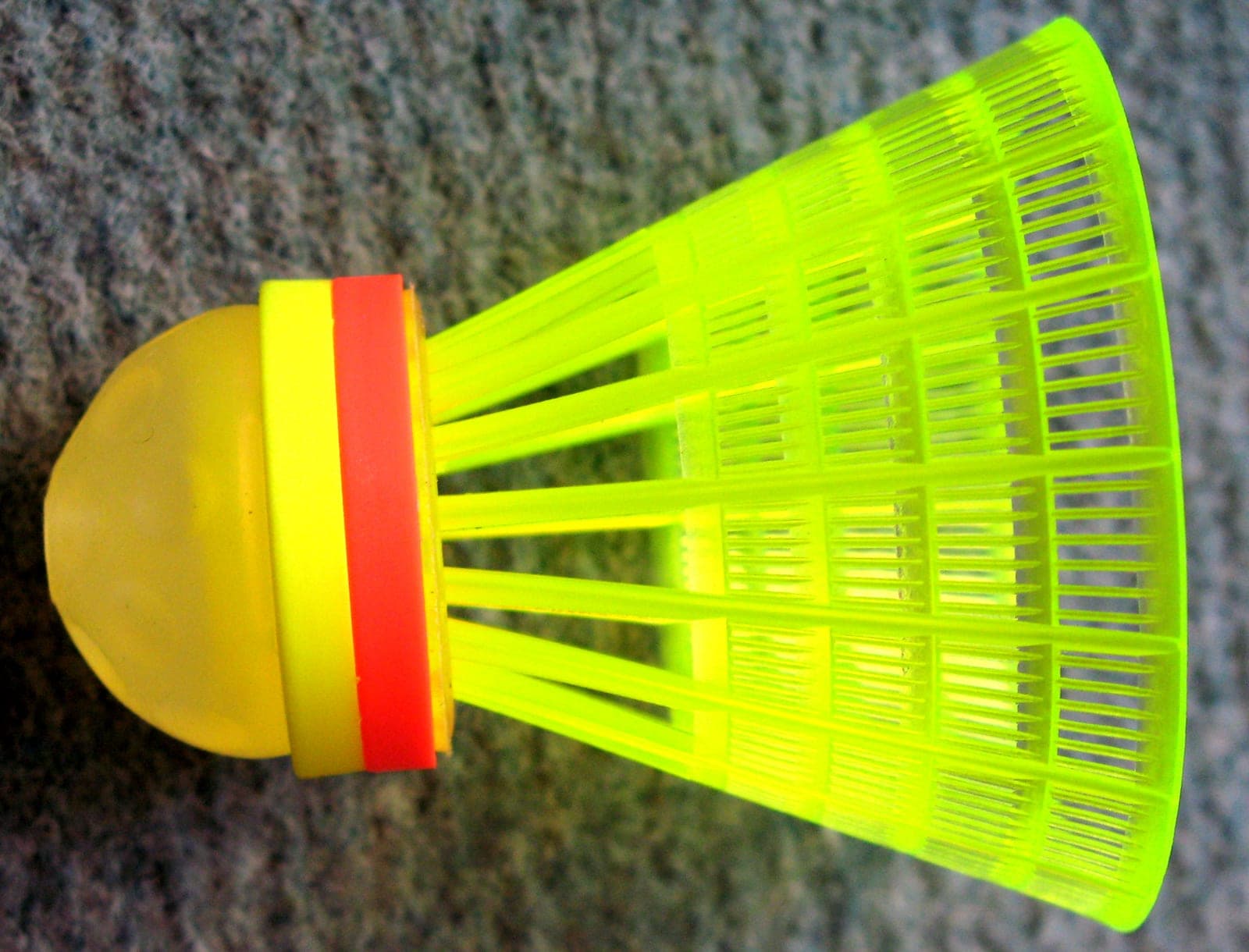
Badminton
A fast indoor racquet sport played with a shuttlecock that rewards agility and touch.

Pickleball
A friendly, easy-to-learn paddle sport played on a small court with a solid paddle and a light, perforated ball.
Explore across the knowledge base
Follow the threads that connect Ace to the rest of SocialSportHub.
Rules
- Tennis serving rulesThe rules governing how a tennis point begins, including where the server stands and where the serve must land.
- The padel servePadel's underarm serve, set out exactly — the bounce before the strike, the waist-height limit, where the server's feet must be, and the wire-mesh fault that has no tennis equivalent.
- Foot faultA serving fault called when the server's foot touches the baseline or court before striking the ball.
- Touching the netA net-play rule that penalises a player for contacting the net during a rally in net-divided sports.
- Three-hit ruleThe volleyball rule that a team may contact the ball at most three times before it must cross the net.
Scoring systems
- Tennis scoringTennis is scored in points, games and sets, using the distinctive 15–30–40 point sequence and a win-by-two margin at every level.
- Volleyball scoringVolleyball uses rally scoring, in which a point is won on every rally, and matches are decided over a best-of-five sets.
- Football (soccer) scoringFootball is scored by goals, with each goal worth one point and the team scoring the most goals winning the match.
Skills
Techniques
- Tennis ServeThe overhead stroke that starts every point, hit from behind the baseline into the diagonally opposite service box.
- Flat, slice and kick servesThe three serves and what actually separates them — the contact point on the ball and the toss that makes it possible — plus what each one does to the ball after it bounces.
Tactics
- Serve and volleyAn attacking tennis tactic where the server follows their serve to the net to finish the point with a volley.
- Serve +1 and return +1The two-shot patterns that decide short points — how a serve's direction determines where the reply comes from, and how a returner uses the same idea against the server.
- Net playControlling the point from close to the net with volleys, smashes and touch shots to cut down an opponent’s time.
- Serve-receive formationHow a volleyball team arranges its passers to receive the serve and set up a clean first attack.
- Counter-attackWinning the ball and moving forward at speed to attack before the opponent can reorganise their defence.
Go deeper with Ace
Everywhere else on the platform that covers Ace — assembled from what actually references it, so nothing here is a dead end.
Work it out
Deterministic calculators — real published formulas, no estimates dressed as data.
Take it away
Open data and the whole-platform view of this subject.
How this page is maintained
- Content type
- Term
- Provenance
- Tier A — evergreen educational
- Verified external sources
- 0
- Content updated
- 2026-09-01
Evergreen, first-party explanation — it makes no claim that needs an external source. How we handle sources and reviews.