
Love
The term used in tennis for a score of zero — a game starting fifteen–love means the server leads with the receiver yet to score.
Definition
In tennis, "love" simply means a score of zero. A game that starts at love-love (0-0) can move through 15, 30, and 40, and a player who has not yet won a point is said to have "love." A score of 40-0 is called for as "forty-love."
The term is also used in related racquet sports played with tennis-style scoring, such as padel. It only describes the number zero within the scoreline and does not affect how points are otherwise counted.
Where you’ll hear “love”
Sports that use this term:
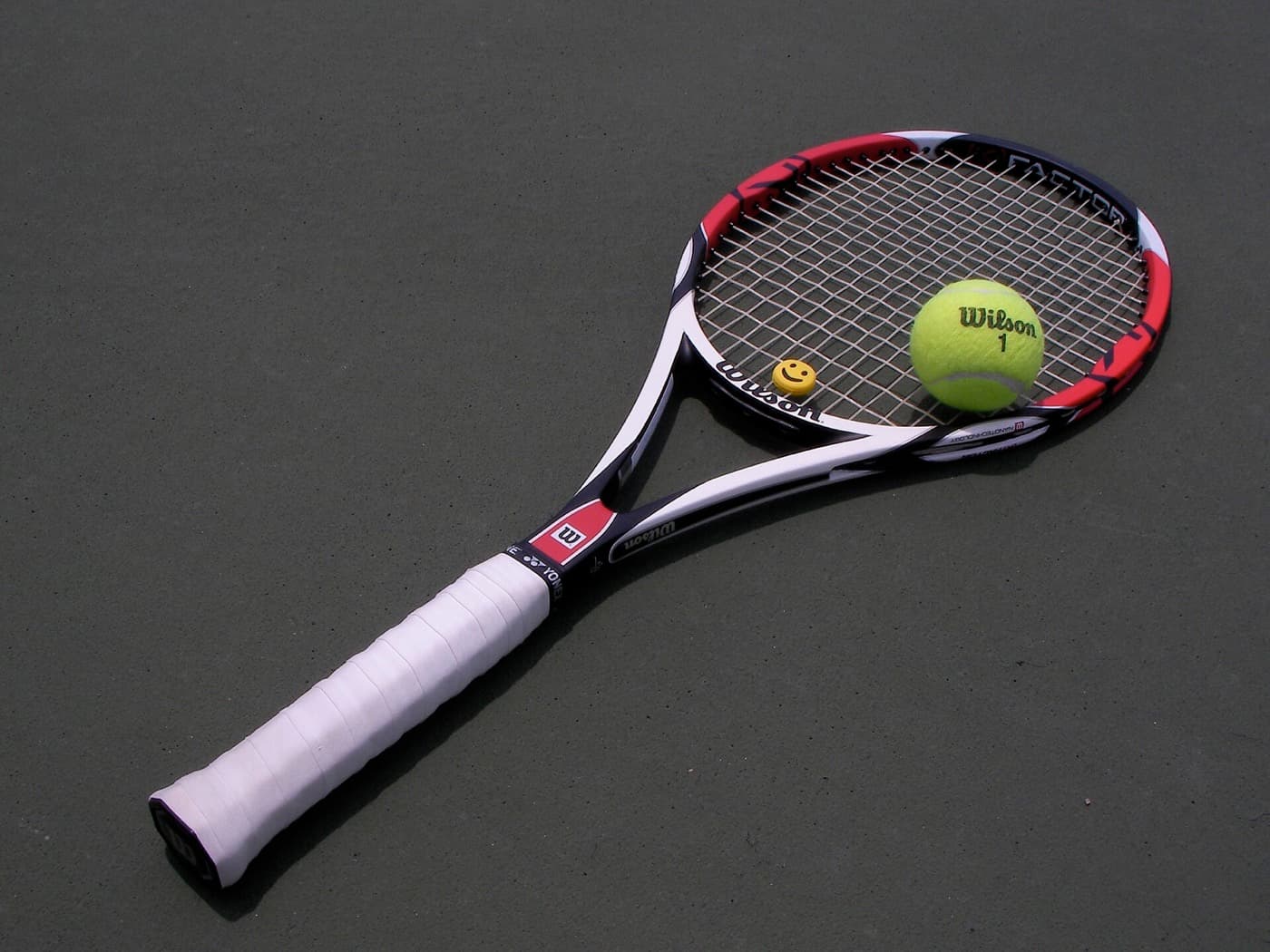
Tennis
A singles or doubles racquet sport that blends agility, strategy and stamina on court.

Padel
A sociable, doubles-first racquet sport played in an enclosed court where the walls stay in play.
POP Tennis
A friendly, easy-to-learn racquet sport on a smaller court with solid paddles and a lower net.
Beach Tennis
A sociable sand-court paddle sport played with solid paddles and a soft ball that is volleyed without a bounce.
Explore across the knowledge base
Follow the threads that connect Love to the rest of SocialSportHub.
Scoring systems
Rules
Tactics
- Serve and volleyAn attacking tennis tactic where the server follows their serve to the net to finish the point with a volley.
- Rugby union defensive systemsHow a rugby union defence organises fifteen players across the width of the field — the drift, the blitz and the umbrella — and the specific weakness each system accepts.
Go deeper with Love
Everywhere else on the platform that covers Love — assembled from what actually references it, so nothing here is a dead end.
Take it away
Open data and the whole-platform view of this subject.
How this page is maintained
- Content type
- Term
- Provenance
- Tier A — evergreen educational
- Verified external sources
- 0
- Content updated
- 2026-09-01
Evergreen, first-party explanation — it makes no claim that needs an external source. How we handle sources and reviews.