
Beach Tennis
Barefoot volleys on warm sand
Overview
Beach tennis is played on a sand court with a net set at around head height, using solid paddles and a soft, low-pressure ball. Because the ball is not allowed to bounce on the sand, points are volley-based and often quick. It is usually played as doubles, with singles also possible.
It blends the touch of tennis with the relaxed, barefoot feel of beach sports. The soft sand and forgiving ball make it welcoming to newcomers, while good positioning, teamwork and clean volleys still reward players as they improve.
Why beach tennis is good for your health
- Moving on soft sand adds resistance and builds leg strength
- Volley-based rallies keep your heart rate up
- Develops coordination, timing and quick reactions
- Engages the core and shoulders through reaching and volleying
The social side
- Doubles on a shared court makes it naturally sociable
- The relaxed beach setting suits friendly, mixed-ability games
- Easy to set up a casual game with a net, paddles and a group
How to start as a beginner
- 1Start with doubles so the court is shared and rallies flow
- 2Practise volleying the ball cleanly without letting it drop
- 3Focus on placement and teamwork rather than power
- 4Look for a beach club or holiday session to try it with others
Equipment you’ll need
- Beach tennis paddleEssentialSolid and stringless — often available to rent at the beach
- Beach tennis ballsEssentialSoft and low-pressure for a gentler bounce
- A net set at around head heightEssentialUsually provided at organised courts
- Sun protection and waterOptionalSensible for outdoor play in the sun
Where to play
Beach Tennis is typically played at:
Explore clubs and venues to understand the different places you can play, or see how to find people to play with.
Playing Beach Tennis
The equipment, rules, skills and more that make up the game — each cross-linked into the encyclopedia.
Related sports to explore
If you enjoy Beach Tennis, you might also like these.
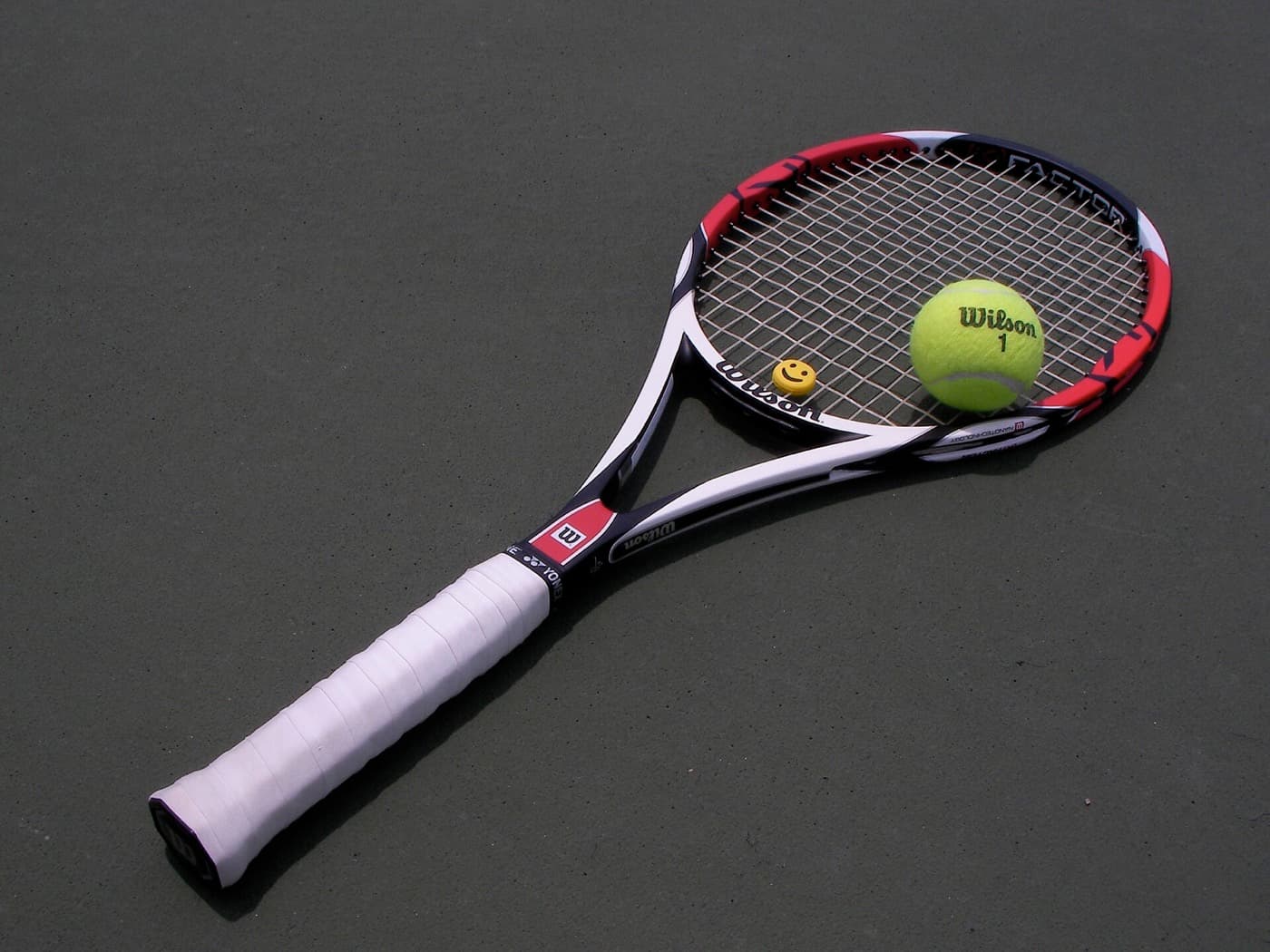
Tennis
A singles or doubles racquet sport that blends agility, strategy and stamina on court.
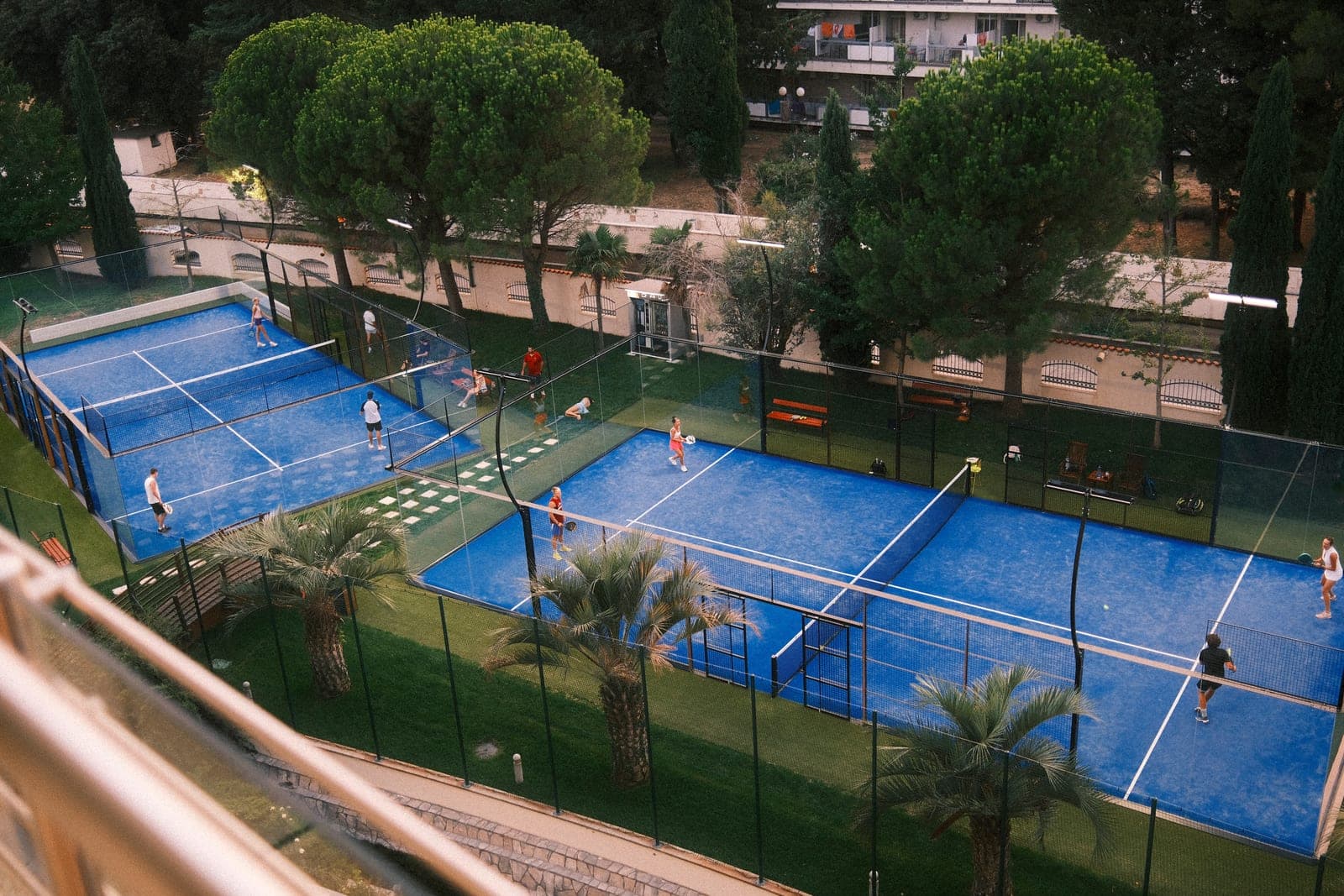
Padel
A sociable, doubles-first racquet sport played in an enclosed court where the walls stay in play.
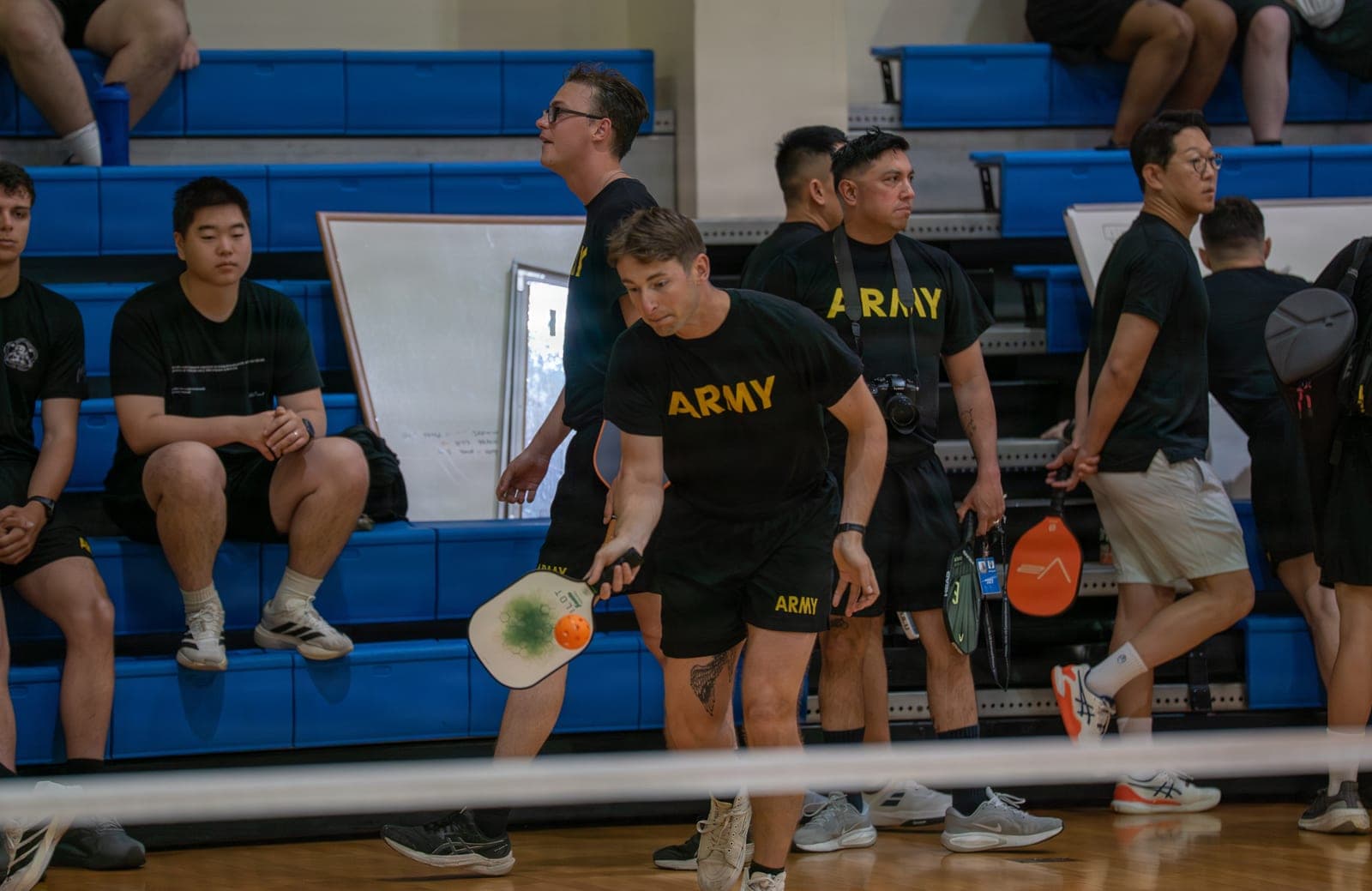
Pickleball
A friendly, easy-to-learn paddle sport played on a small court with a solid paddle and a light, perforated ball.
POP Tennis
A friendly, easy-to-learn racquet sport on a smaller court with solid paddles and a lower net.
Compare Beach Tennis with…
Deciding between Beach Tennis and something similar? See how they line up side by side.
Beach Tennis vs Padel
How they compare on difficulty, intensity, kit and what suits you.
Beach Tennis vs Pickleball
How they compare on difficulty, intensity, kit and what suits you.
Beach Tennis vs POP Tennis
How they compare on difficulty, intensity, kit and what suits you.
Beach Tennis vs Tennis
How they compare on difficulty, intensity, kit and what suits you.
Who & where Beach Tennis fits
Sport should fit your life. Here is who Beach Tennis suits and when it works.
How it connects
The meaning-bearing relationships that place Beach Tennis in the wider knowledge graph — each one with the reason it exists.
Alternative to
Comparable enough that people choose between them.
- PadelBeach Tennis and Padel are close enough that the platform maintains a side-by-side comparison of them.
- PickleballBeach Tennis and Pickleball are close enough that the platform maintains a side-by-side comparison of them.
- POP TennisBeach Tennis and POP Tennis are close enough that the platform maintains a side-by-side comparison of them.
- TennisBeach Tennis and Tennis are close enough that the platform maintains a side-by-side comparison of them.
Explore across the knowledge base
Follow the threads that connect Beach Tennis to the rest of SocialSportHub.
Glossary
- LoveThe term used in tennis for a score of zero — a game starting fifteen–love means the server leads with the receiver yet to score.
- SpikeA forceful downward attacking hit in volleyball, driving the ball sharply into the opponent’s court.
- TiebreakA special game used to decide a set in tennis when the score reaches a tie, usually at six games all.
- TopspinForward rotation on a ball that makes it dip in flight and kick forward and up off the bounce.
- Hard CourtA rigid tennis or racket-sport surface of acrylic-coated concrete or asphalt that gives a medium-fast, true and consistent bounce.
Beginner guides
- Your First Informal Game or KickaboutA relaxed kickabout, hit or pick-up game is a genuine way into a sport — you learn by playing, the courtesies are simple, and nobody expects you to be good yet.
- Your First Badminton SessionA warm, honest look at what your first time on a badminton court actually feels like — how a beginner session runs, what surprises newcomers about the shuttlecock, and how to enjoy it without worrying about keeping score.
Learning paths
Go deeper with Beach Tennis
Everywhere else on the platform that covers Beach Tennis — assembled from what actually references it, so nothing here is a dead end.
Compare it
Head-to-head studies against the entities people actually weigh it against.
Kit it out
Equipment guidance drawn from the graph, with no brands and no affiliate links.
Take it away
Open data and the whole-platform view of this subject.
How this page is maintained
- Content type
- Sport
- Provenance
- Tier A — evergreen educational
- Verified external sources
- 0
- Content updated
- 2026-07-06
Evergreen, first-party explanation — it makes no claim that needs an external source. How we handle sources and reviews.
Keep going
A sport is most rewarding alongside good habits, sensible nutrition and people to share it with. Here is where to go next.
How movement supports body and mind.
Eat well to feel and perform better.
Build routines that stick.
Ways to meet others and play together.
Where to play and what to expect.
Browse the full list by category.