
Topspin
Forward rotation on a ball that makes it dip in flight and kick forward and up off the bounce.
Definition
Topspin is rotation in which the top of the ball turns forward, in the direction of travel. Aerodynamically it creates a downward force (the Magnus effect) that pulls the ball down sooner, so a player can swing hard yet still land the ball in — the shot clears the net with margin then dips. On landing, topspin makes the ball bounce higher and jump forward.
It is generated by brushing up the back of the ball with a low-to-high swing in tennis, table tennis, and padel, or by striking through the upper half of the ball and wrapping the foot up and over the top in football's dipping shots. Topspin is prized because it adds control and safety to powerful strokes and produces an awkward high, fast bounce for opponents. It is the opposite of backspin.
Where you’ll hear “topspin”
Sports that use this term:
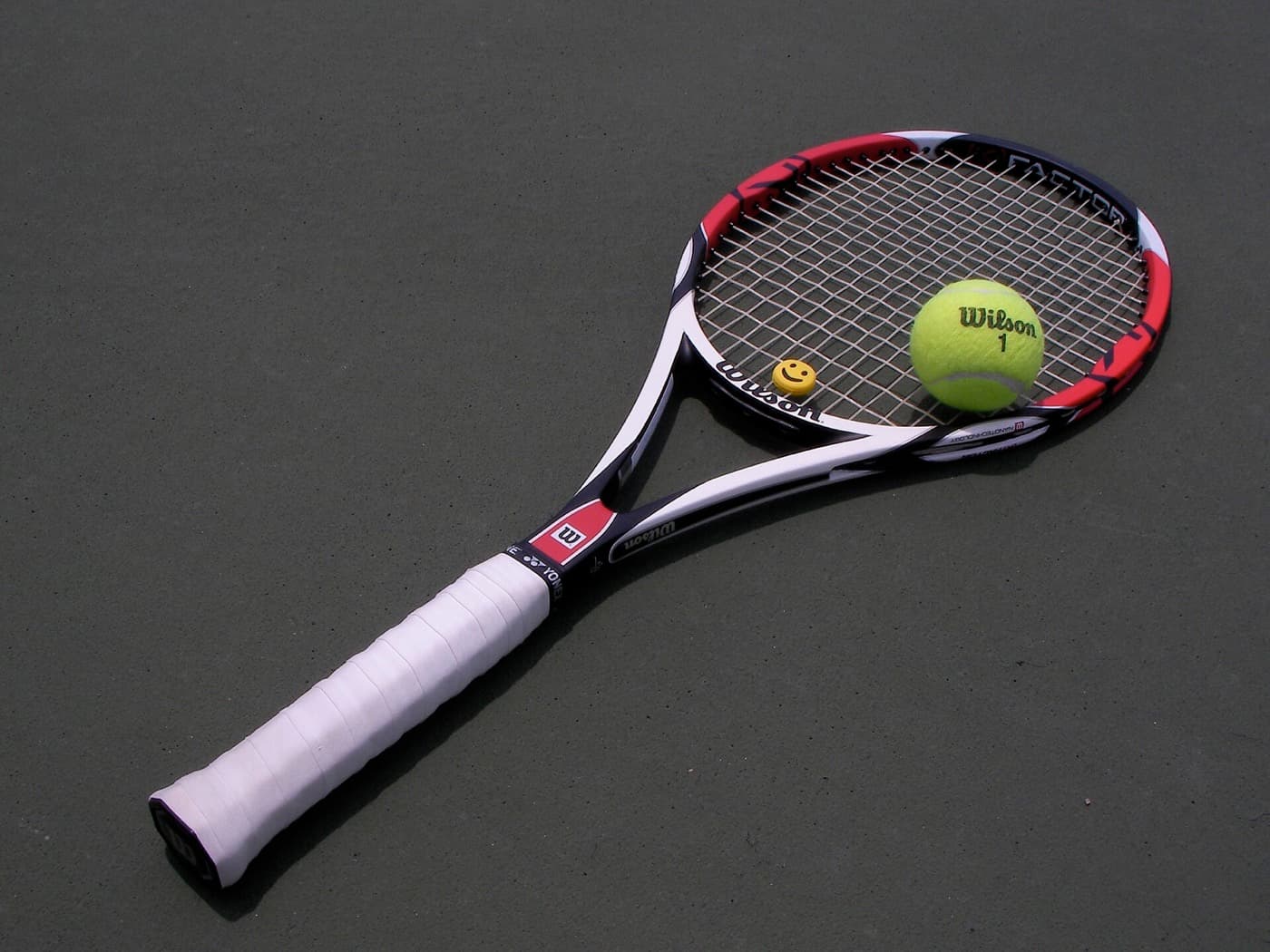
Tennis
A singles or doubles racquet sport that blends agility, strategy and stamina on court.
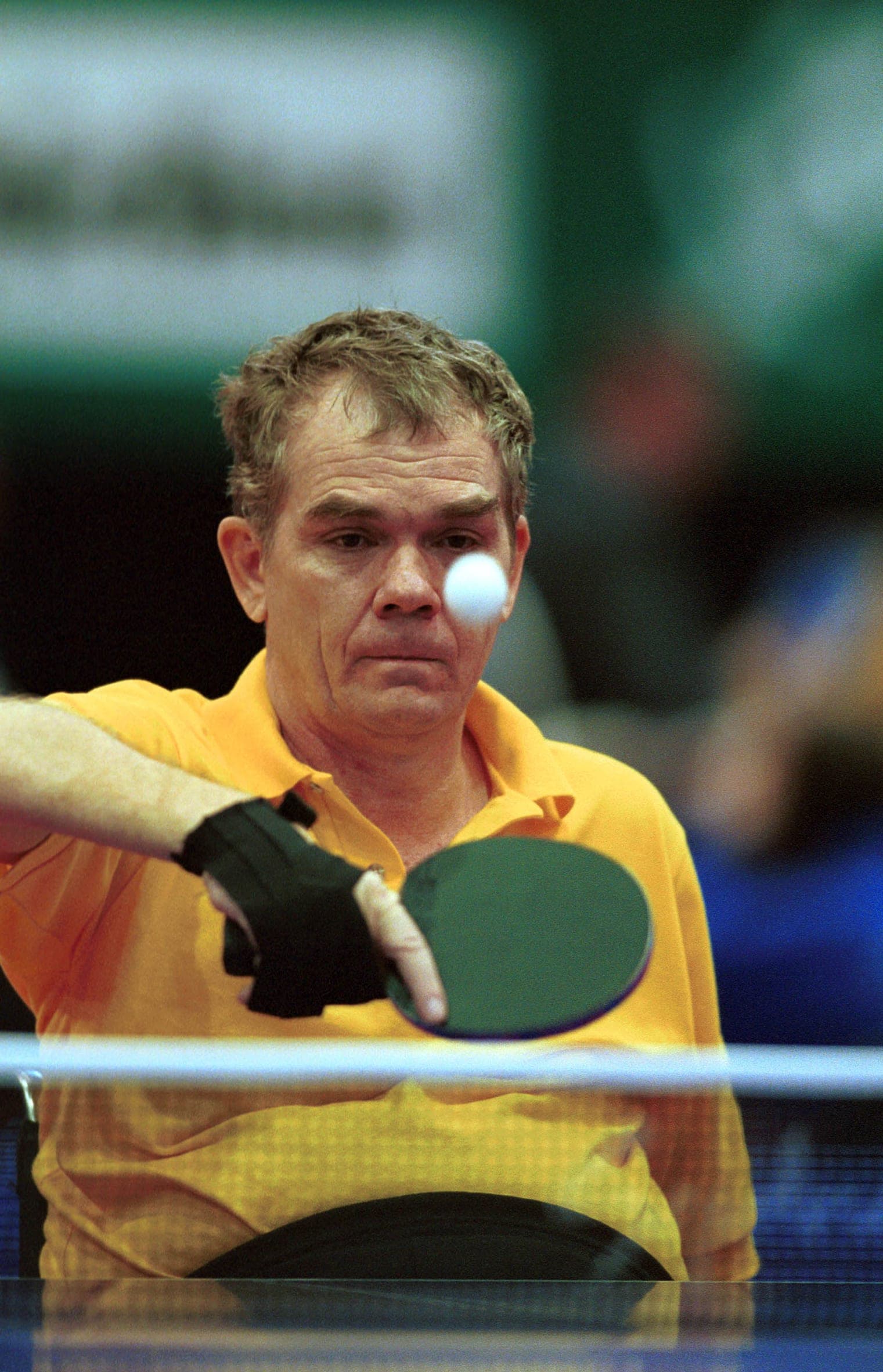
Table Tennis
A fast, low-impact indoor racquet sport that sharpens reflexes and is easy to start.

Padel
A sociable, doubles-first racquet sport played in an enclosed court where the walls stay in play.

Football
The world’s most popular team sport — endless running, teamwork and community in one game.
Explore across the knowledge base
Follow the threads that connect Topspin to the rest of SocialSportHub.
Techniques
- Spin in table tennisWhy table tennis is a spin sport before it is a speed sport — how topspin, backspin and sidespin change a ball's flight and its bounce off an opponent's bat.
- Flat, slice and kick servesThe three serves and what actually separates them — the contact point on the ball and the toss that makes it possible — plus what each one does to the ball after it bounces.
- Topspin ForehandA forehand groundstroke hit with a low-to-high swing that puts forward spin on the ball so it dips and kicks up on landing.
- Table Tennis Forehand DriveA controlled attacking stroke in table tennis, played on the forehand side with a compact swing and light topspin.
- Spin bowlingHow a slow bowler turns the ball — finger spin against wrist spin, off breaks, leg breaks and the deliveries that go the other way, and why flight matters more than turn.
Go deeper with Topspin
Everywhere else on the platform that covers Topspin — assembled from what actually references it, so nothing here is a dead end.
Take it away
Open data and the whole-platform view of this subject.
How this page is maintained
- Content type
- Term
- Provenance
- Tier A — evergreen educational
- Verified external sources
- 0
- Content updated
- 2026-09-01
Evergreen, first-party explanation — it makes no claim that needs an external source. How we handle sources and reviews.