
Deuce
In tennis, the score when both players reach 40, from which one must win two points in a row to take the game.
Definition
Deuce is the term used in tennis for a tied score of 40-40 within a game. From deuce, a player must win two consecutive points to win the game: the first point gives that player the advantage, and winning the next point ends the game, while losing it returns the score to deuce.
Similar "win by two" tie situations appear in other racquet sports, where play continues from a level score until one side leads by two points. This rule keeps games competitive by preventing a win on a single decisive point when the scores are level.
Where you’ll hear “deuce”
Sports that use this term:
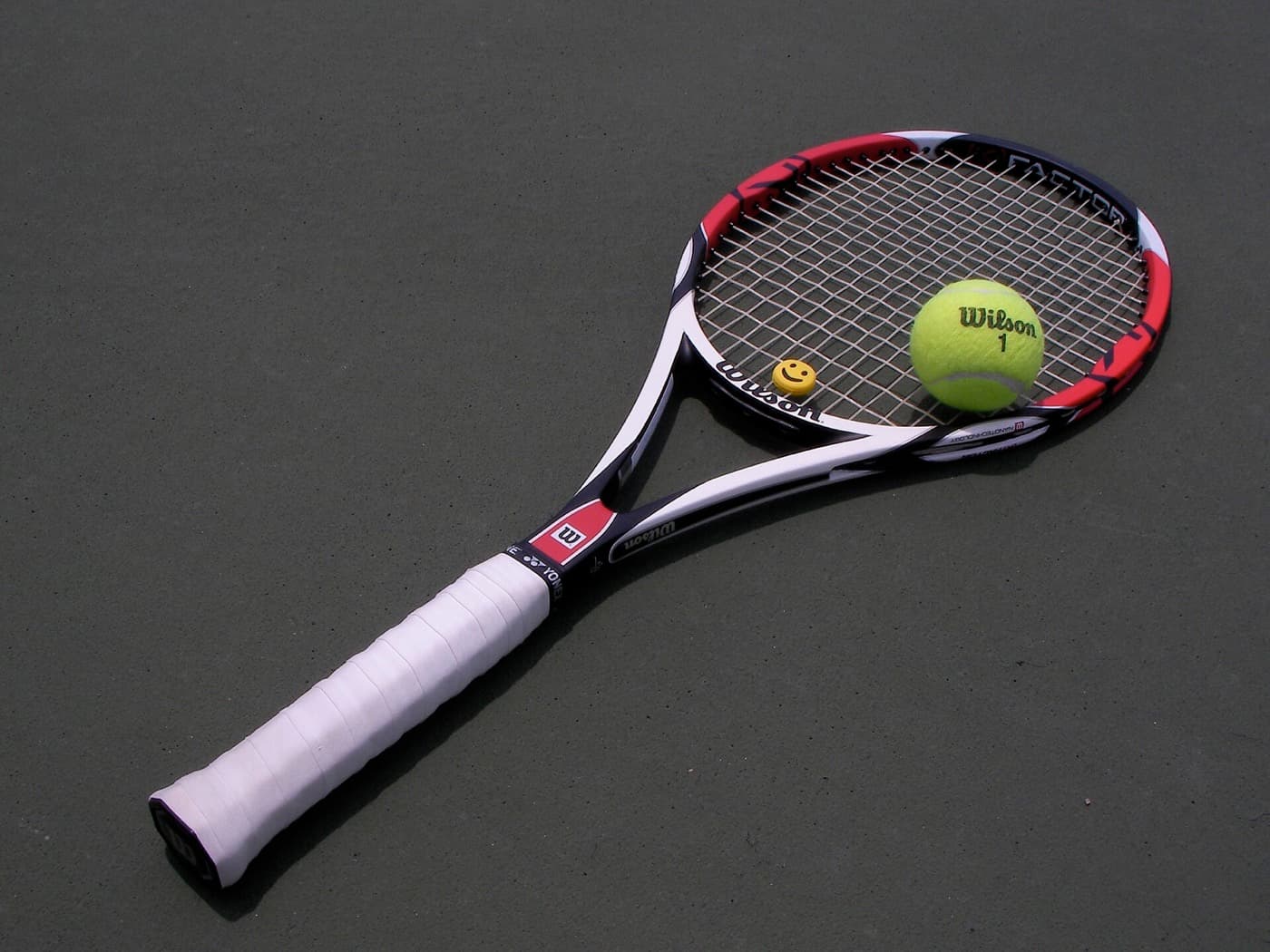
Tennis
A singles or doubles racquet sport that blends agility, strategy and stamina on court.
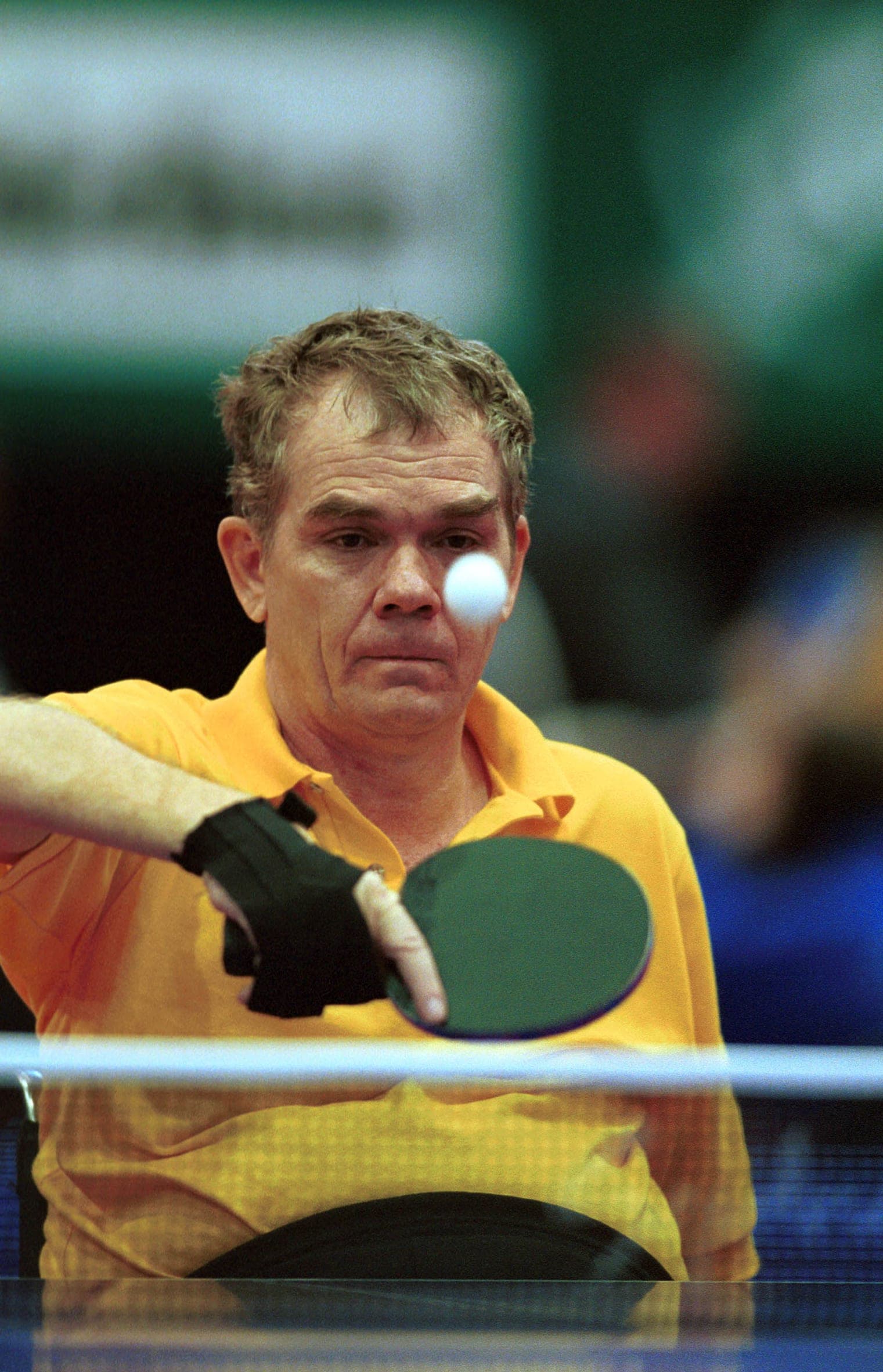
Table Tennis
A fast, low-impact indoor racquet sport that sharpens reflexes and is easy to start.
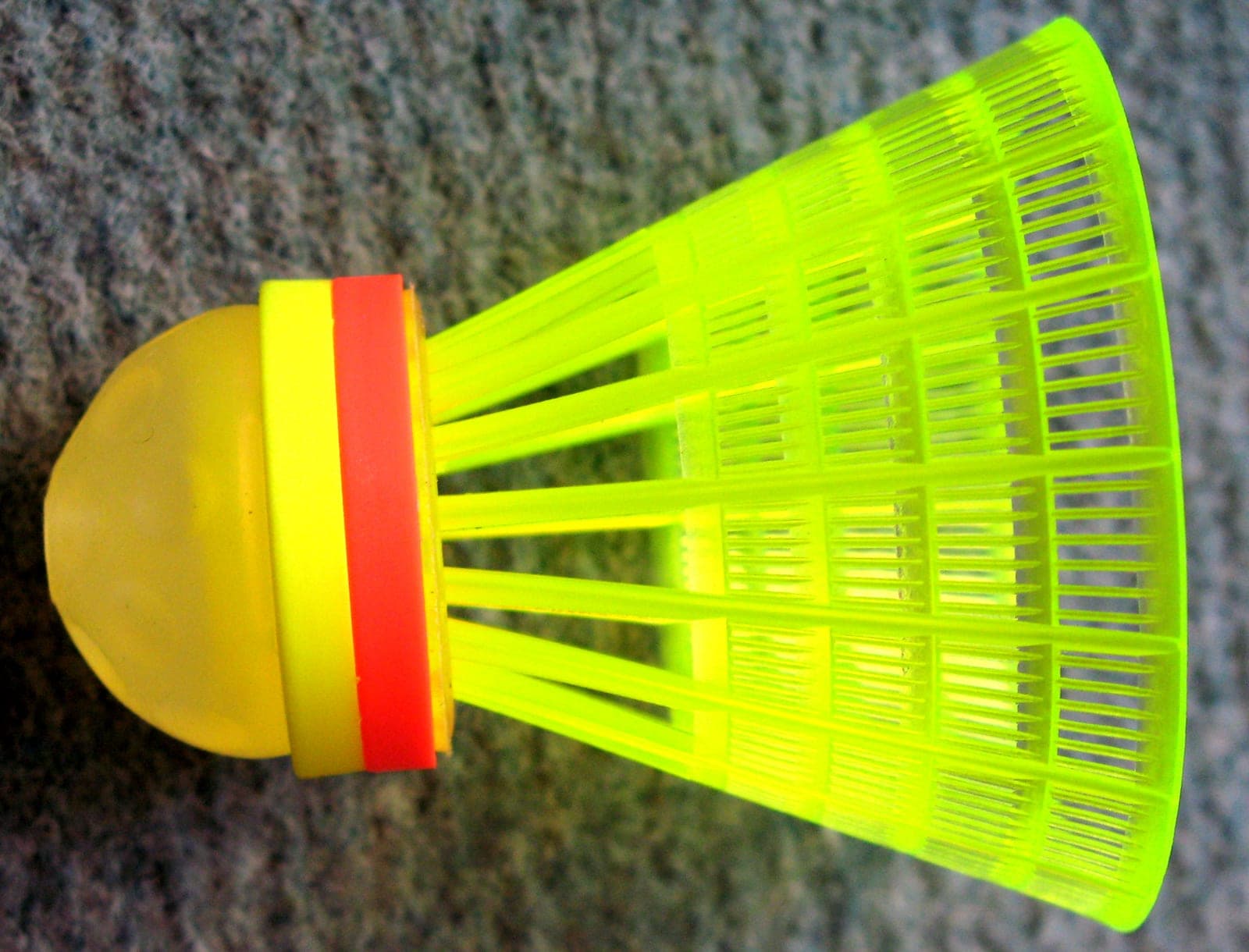
Badminton
A fast indoor racquet sport played with a shuttlecock that rewards agility and touch.
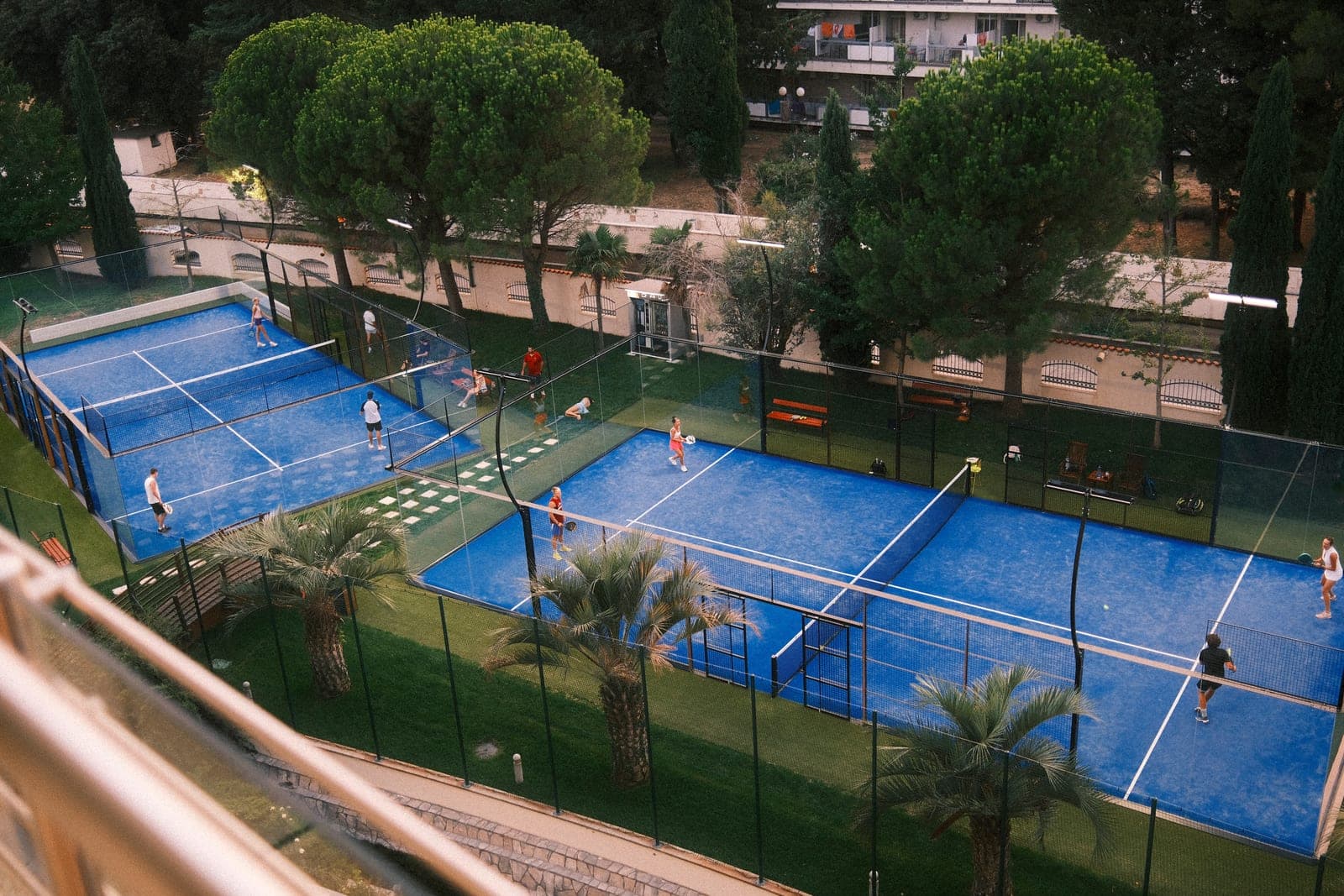
Padel
A sociable, doubles-first racquet sport played in an enclosed court where the walls stay in play.
How it connects
The meaning-bearing relationships that place Deuce in the wider knowledge graph — each one with the reason it exists.
Commonly confused with
Close enough to be mixed up — the distinction is worth knowing.
Explore across the knowledge base
Follow the threads that connect Deuce to the rest of SocialSportHub.
Scoring systems
- Tennis scoringTennis is scored in points, games and sets, using the distinctive 15–30–40 point sequence and a win-by-two margin at every level.
- Padel scoringPadel borrows tennis scoring, counting points as 15–30–40 within games and playing sets to six games decided by a tiebreak.
- Tiebreak scoringA tiebreak is a short deciding game used in racket sports to settle a set that has reached an even number of games, scored in simple numbers to a fixed target.
- Tennis scoring systemsThe scoring methods the ITF Rules actually authorise — the advantage set, the tie-break set, the standard tie-break game, and the short sets and match tie-breaks in Appendix VI.
- Table tennis scoringTable tennis is scored on every rally to 11 points per game, won by two clear points, over a best-of odd number of games.
Techniques
- One-handed and two-handed backhands comparedWhat actually differs between the two backhands — reach, stability, disguise and the height at which each struggles — rather than which one is better.
- Parallel TurnA turn in which both skis stay parallel throughout, steered together rather than wedged apart.
- The slice in tennisThe underspin stroke that changes a rally's height and pace — how slice keeps the ball low, when it is defensive and when it is an attack, and what it does on different surfaces.
- Flat, slice and kick servesThe three serves and what actually separates them — the contact point on the ball and the toss that makes it possible — plus what each one does to the ball after it bounces.
Rules
- Two-bounce ruleA pickleball rule requiring both the serve and the return to bounce once before players may hit the ball out of the air.
- The tackleWhat the Laws require of both players in a rugby union tackle — the height limit, the release obligations on the tackler, what the tackled player must do, and how the offside line is created.
- Tennis serving rulesThe rules governing how a tennis point begins, including where the server stands and where the serve must land.
- Volleyball rotationThe rule that players rotate one position clockwise each time their team wins back the serve.
- Throw-inThe method of restarting football when the ball fully crosses a side line, taken by throwing it back into play.
Disciplines
- ScullingSculling is the discipline in which each rower uses two oars, one in each hand, propelling the boat symmetrically from both sides.
- Sparring (Kyorugi)Kyorugi is taekwondo's competitive sparring discipline, where two athletes score points by landing controlled kicks and punches on legal target areas within timed rounds.
- Sweep RowingSweep rowing is the discipline in which each rower handles a single oar with both hands, driving one side of the boat as part of a crew.
- ÉpéeÉpée is a fencing weapon with point-only touches valid anywhere on the body and no right-of-way, so both fencers can score at once.
Positions
- Rugby union forwardsThe eight players who contest the set piece — front row, locks and back row — what each unit does at scrum, lineout and breakdown, and why the roles are so specialised.
- HookerThe hooker is a front-row forward in rugby who wins the ball in the scrum and typically throws the ball into the line-out.
- Goal shooterThe goal shooter is a netball attacker who scores goals and is one of only two players allowed to shoot, working within the attacking goal third and circle.
- Ice hockey positionsThe six players on the ice and what each does — centre, two wings, two defence and the goaltender — plus why hockey substitutes in lines rather than individually.
- Point guardThe point guard is basketball’s primary ball-handler and playmaker, running the offence and setting up teammates to score.
Go deeper with Deuce
Everywhere else on the platform that covers Deuce — assembled from what actually references it, so nothing here is a dead end.
Take it away
Open data and the whole-platform view of this subject.
How this page is maintained
- Content type
- Term
- Provenance
- Tier A — evergreen educational
- Verified external sources
- 0
- Content updated
- 2026-09-01
Evergreen, first-party explanation — it makes no claim that needs an external source. How we handle sources and reviews.