
Advantage Played
A decision to let play continue after a foul because stopping it would benefit the team that committed the offence.
Definition
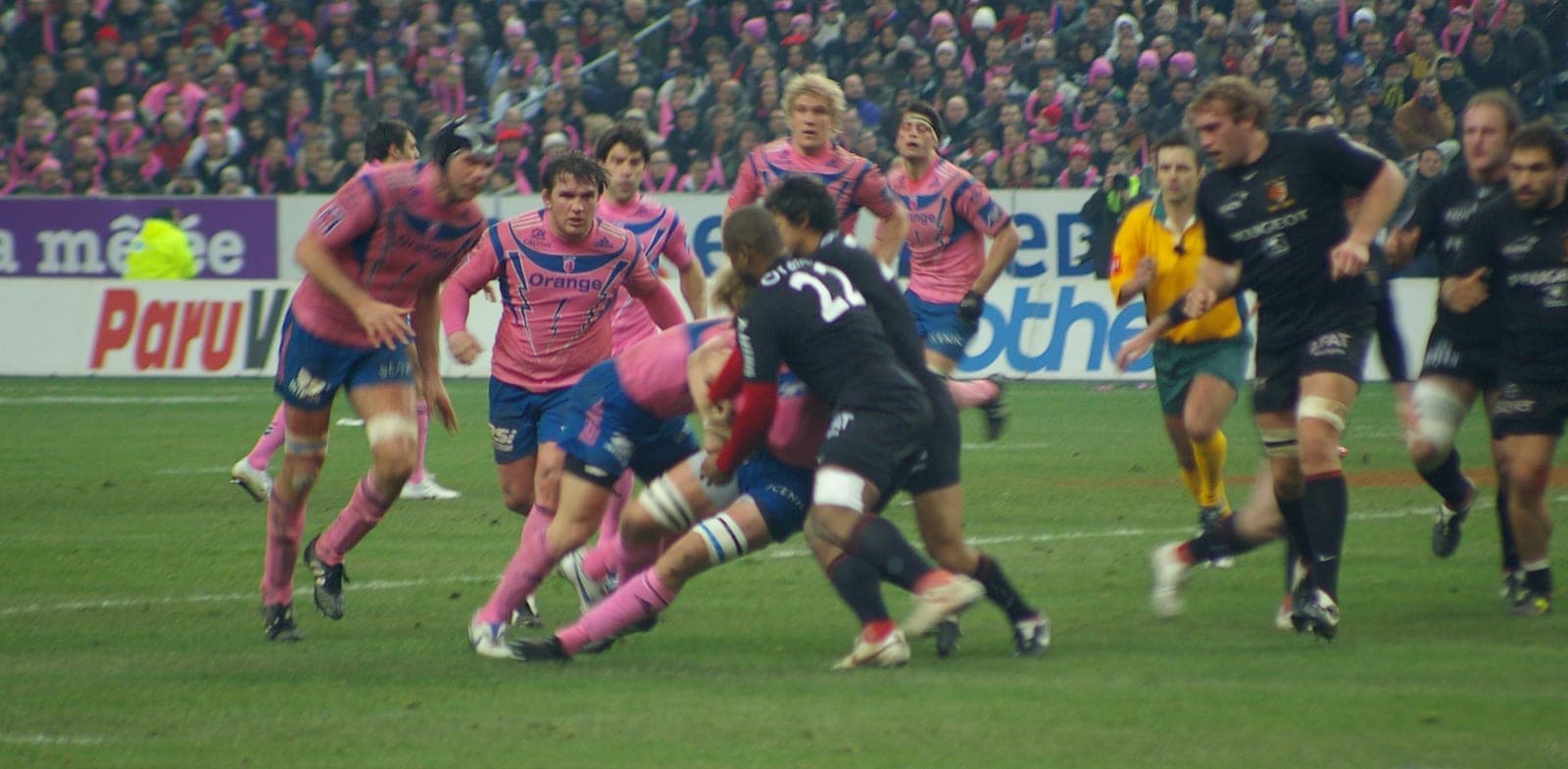
Advantage is an officiating principle that lets play carry on after an infringement when the non-offending team is better served by continuing than by a stoppage. Rather than immediately blowing the whistle for a foul, the referee signals advantage, typically with an outstretched arm, and allows the move to develop, penalising the original offence only if the expected benefit does not materialise within a few seconds.
Playing advantage keeps games flowing and prevents offenders from gaining by stopping a promising attack. It is prominent in association football and rugby, where referees judge whether a team gains a clear benefit before deciding to wave play on or bring it back for the foul. In football the referee may still caution the offender at the next stoppage even after allowing advantage. This officiating decision is unrelated to the tennis scoring term of the same name.
Scope: This is the officiating decision to play on after a foul; it is different from 'advantage' as a tennis score, which is the point won immediately after deuce.
Where you’ll hear “advantage played”
Sports that use this term:

How it connects
The meaning-bearing relationships that place Advantage Played in the wider knowledge graph — each one with the reason it exists.
Commonly confused with
Close enough to be mixed up — the distinction is worth knowing.
Explore across the knowledge base
Follow the threads that connect Advantage Played to the rest of SocialSportHub.
Go deeper with Advantage Played
Everywhere else on the platform that covers Advantage Played — assembled from what actually references it, so nothing here is a dead end.
Take it away
Open data and the whole-platform view of this subject.
How this page is maintained
- Content type
- Term
- Provenance
- Tier A — evergreen educational
- Verified external sources
- 0
- Content updated
- 2026-09-01
Evergreen, first-party explanation — it makes no claim that needs an external source. How we handle sources and reviews.