
Video Review
Video review lets officials re-examine footage of a contested moment to confirm or overturn a close call — a goal, a line, a foul — an aid used across many sports.
Overview
Video review — also called instant replay, a challenge, or a referral system — is an officiating aid in which officials look again at recorded footage of a contested moment before a decision is finalized. On-field officials make calls in real time with the naked eye and can miss events that are fast, screened, or bunched together. A review supplements that live judgment: it may be started by the officials themselves, by a dedicated off-field video official watching monitors, or by a team spending one of a limited number of challenges. The purpose is to correct clear mistakes on decisions that materially affect the contest — whether a ball crossed a line, landed in or out, whether a player was offside, whether contact was a foul, or whether a score should stand.
The mechanics differ by sport but the structure is shared: a defined set of reviewable situations, a threshold for overturning, and a protocol for pausing play, consulting the footage, and announcing the outcome. Many systems keep the original call unless replay shows a clear and obvious error, so the live decision keeps priority when the evidence is inconclusive. Reviews draw on multiple synchronized camera angles and slow motion, and for boundary or line calls an automated ball-tracking or goal-line system can supply a near-instant objective answer. Because every stoppage costs time and momentum, most implementations cap how much can be reviewed and how often, trading a small loss of flow for greater accuracy on the calls that matter most.
What it involves
- Trigger routes vary: officials may call for a review themselves, a dedicated video official may flag a check from the monitors, or a team may formally challenge or refer a decision using a limited allowance that is often kept when the challenge succeeds.
- An overturn usually requires a clear and obvious error, so an inconclusive replay leaves the on-field call standing — a deliberate design choice that preserves the primacy of the live decision.
- Only certain situations are reviewable, typically boundary and line calls (in or out, ball over the line), scoring plays (score or no score, the value of a score), and serious infractions or misconduct — not every routine decision.
- Reviews rely on multiple camera angles and slow motion; for line and boundary questions, sensor-based or ball-tracking technology can give an automated, near-instant verdict independent of camera framing.
- Rules cap the number of reviews, restrict which moments qualify, and often set time limits, balancing accuracy against the flow, rhythm, and pace of the game.
Where it’s used
Sports that use video review:

Football
The world’s most popular team sport — endless running, teamwork and community in one game.
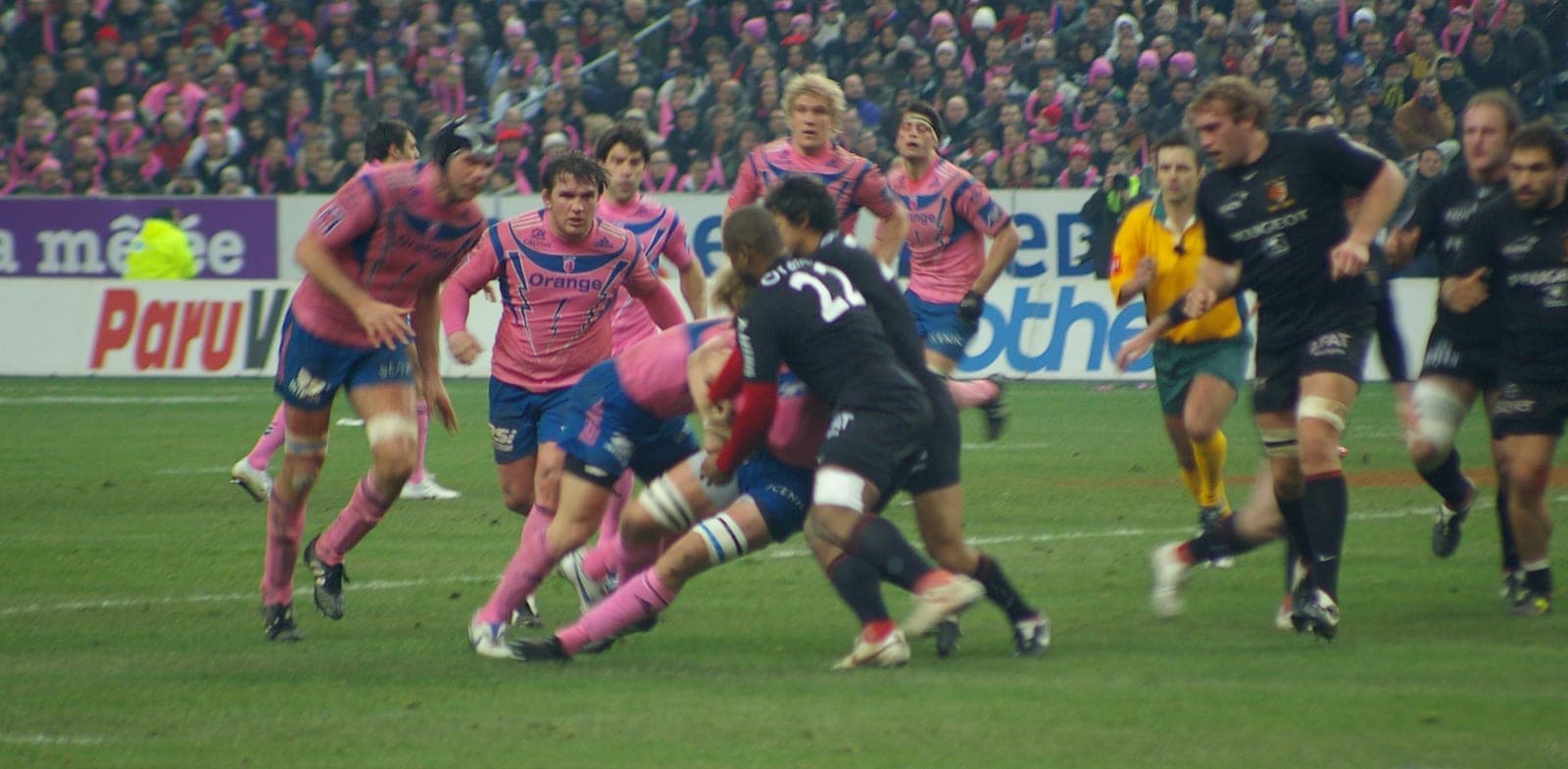
Rugby
A physical team sport of carrying, passing and kicking an oval ball toward the opposing line.
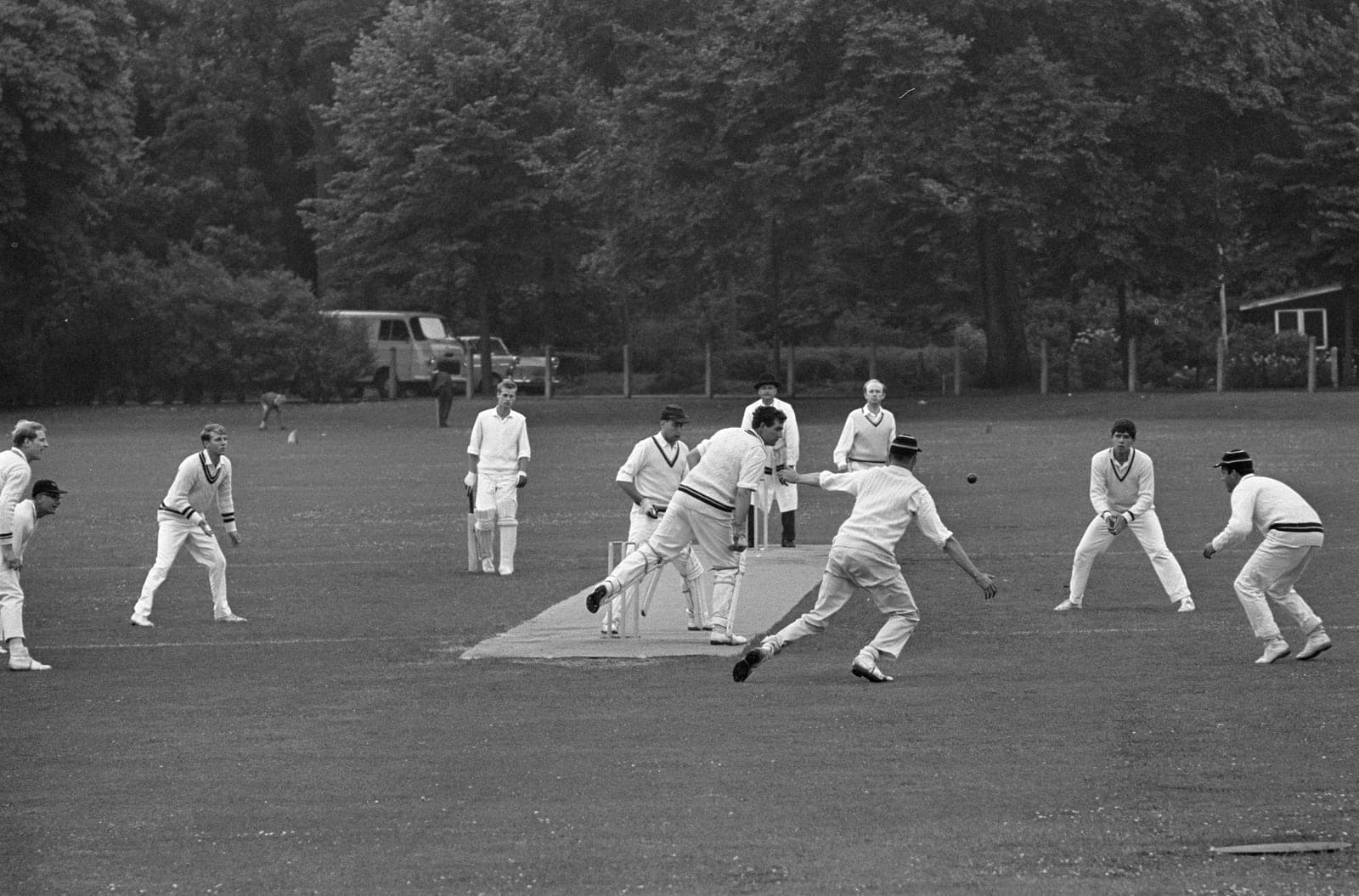
Cricket
A bat-and-ball team sport where sides take turns to bat and to bowl and field, scoring runs.
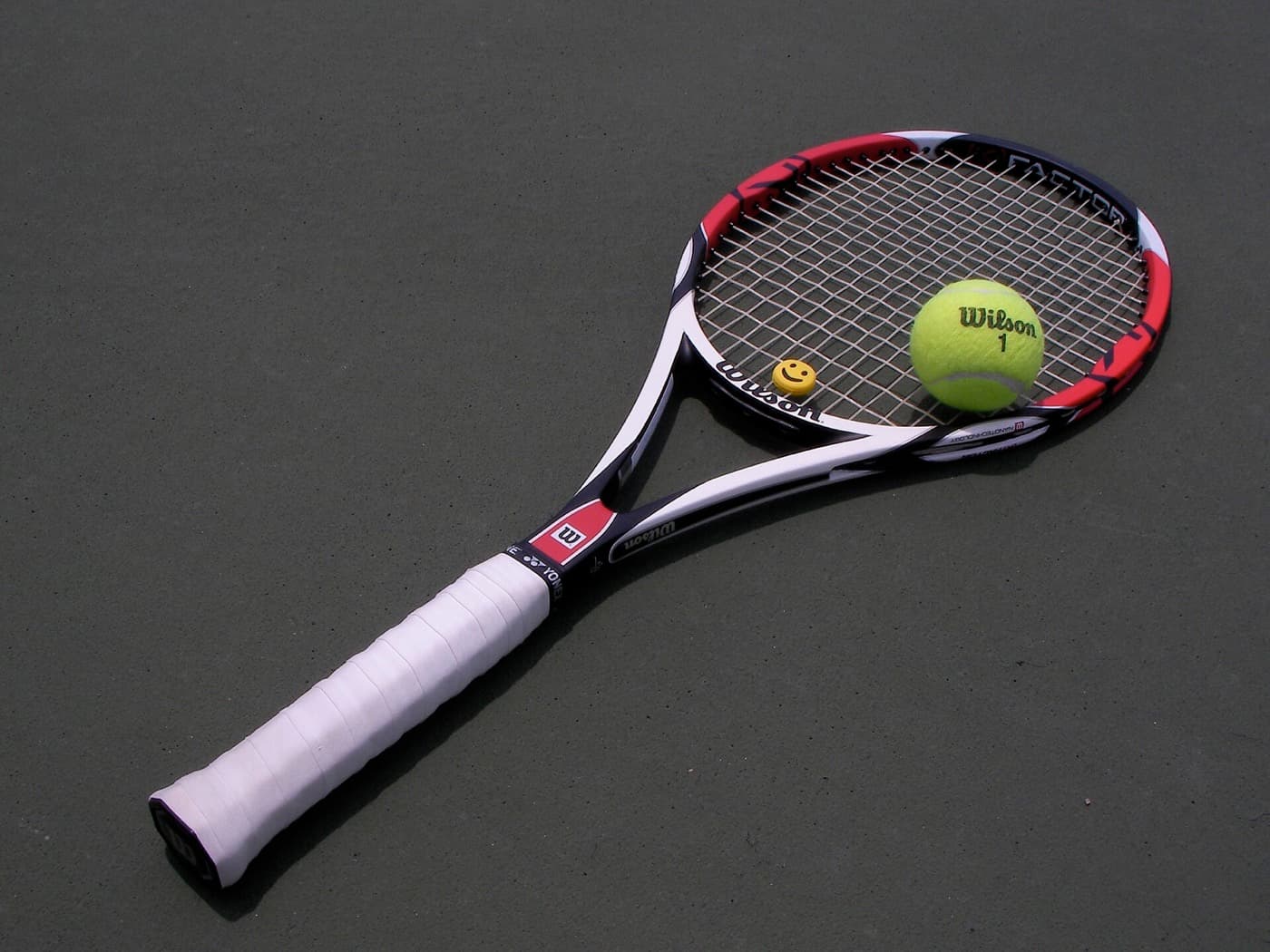
Tennis
A singles or doubles racquet sport that blends agility, strategy and stamina on court.
American Football
A strategic, position-based team sport of set plays, sprinting and coordinated teamwork on a marked field.
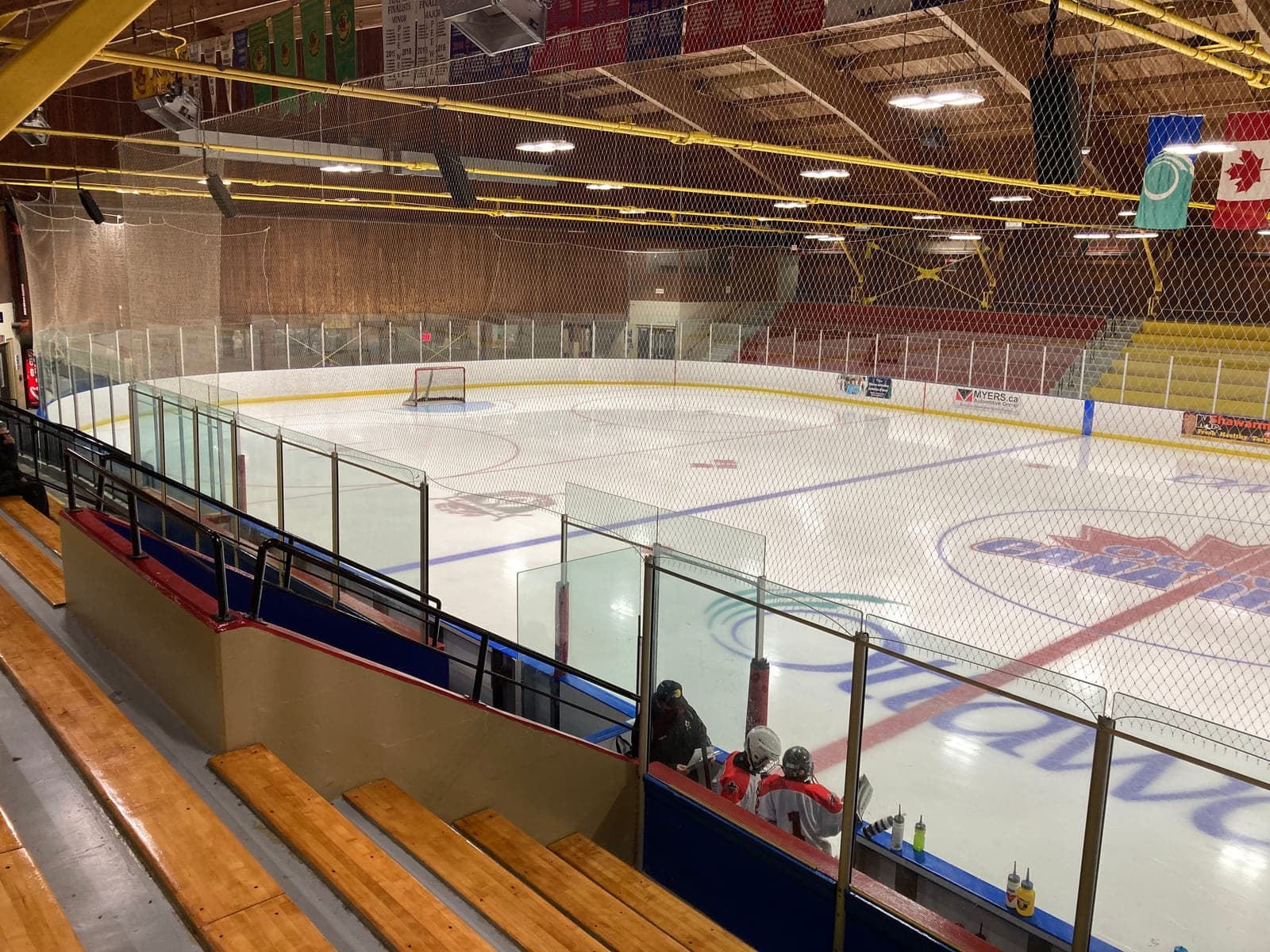
Ice Hockey
A fast team sport on ice that combines skating skill with quick passing and goal-scoring.

Basketball
A fast, dynamic team sport of running, jumping and quick decisions on court.

Baseball
A bat-and-ball team sport where two sides alternate between batting and fielding to score runs.
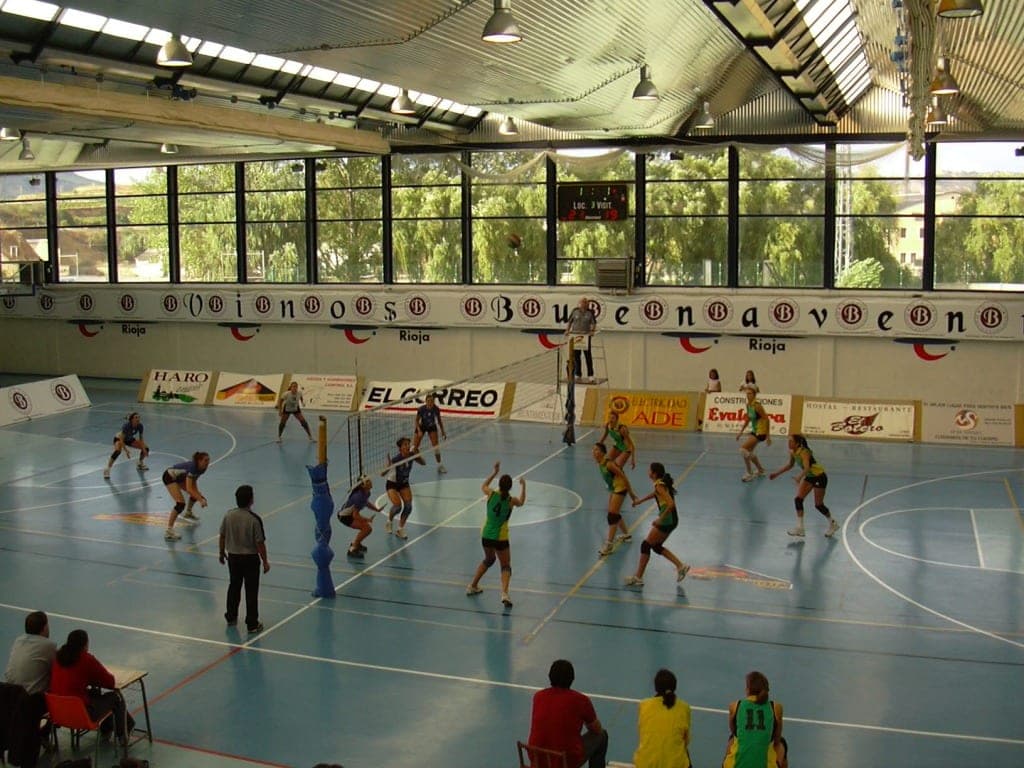
Volleyball
A non-contact team sport of rallies, jumps and teamwork — indoors or on the beach.
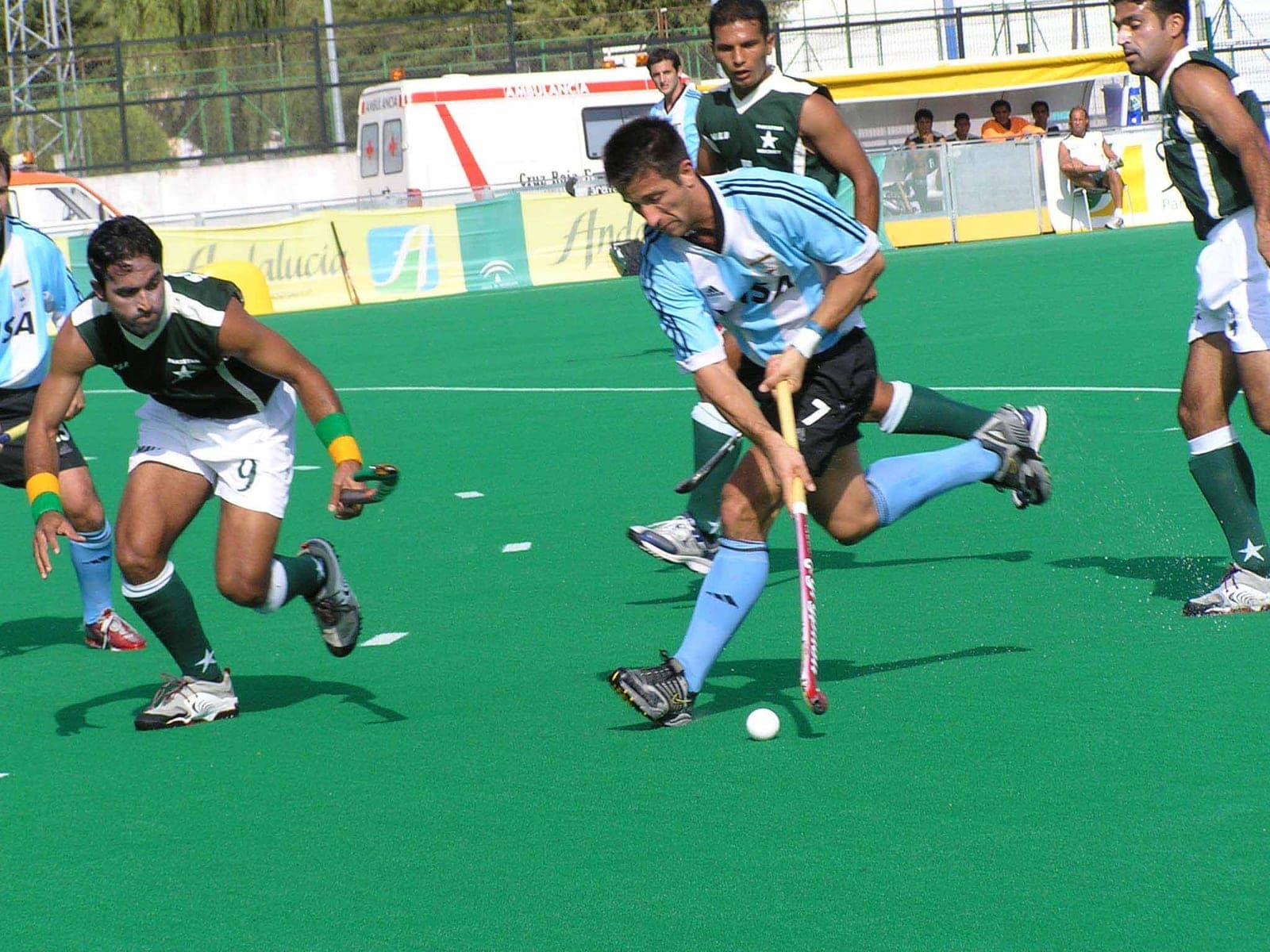
Field Hockey
An outdoor team sport that uses curved sticks to move a ball, built on agility and teamwork.
Related officiating
Referee
The primary on-field official who enforces the rules, controls play, penalises fouls, awards restarts, and blows the whistle to start and stop a match.
Umpire
A match official who rules on lines, serves and dismissals in racket, bat-and-ball and net sports such as tennis, cricket and baseball — and, in racket sports, also keeps the running score.
Line Judge
A boundary-line official who calls whether the ball or player is in or out and flags foot faults, working under the head referee across many sports.
Explore across the knowledge base
Follow the threads that connect Video Review to the rest of SocialSportHub.
Scoring systems
- Football (soccer) scoringFootball is scored by goals, with each goal worth one point and the team scoring the most goals winning the match.
- Basketball scoringBasketball is scored by shooting the ball through the hoop, with baskets worth one, two or three points depending on where the shot is taken.
- Badminton scoringBadminton uses rally scoring to 21 points per game, with matches decided over the best of three games.
Rules
- OffsideA rule that prevents an attacker from gaining an advantage by being positioned too close to the opponents' goal ahead of the ball and the last defenders.
- Handball offenceA foul in football committed when an outfield player deliberately handles or controls the ball with the hand or arm.
- Penalty kick awardA one-on-one kick against the goalkeeper awarded when a defending player commits a direct-free-kick foul inside their own penalty area.
- Yellow and red cardsThe disciplinary cards a football referee shows to caution or send off a player for misconduct.
- Out of boundsThe rule that a ball or player leaving the marked playing area is out of play and possession is decided at the boundary.
Sports communication
How this page is maintained
- Content type
- Officiating concept
- Provenance
- Tier A — evergreen educational
- Verified external sources
- 0
- Content updated
- 2026-09-12
Evergreen, first-party explanation — it makes no claim that needs an external source. How we handle sources and reviews.