
Serve-and-volley
A tennis tactic where the server follows their serve to the net, aiming to win the point with a quick volley.
Definition
In serve-and-volley, the player who serves immediately moves forward toward the net rather than staying on the baseline. The plan is to put the returner under pressure and then finish the point with a volley before the opponent can set up a strong passing shot.
Once a dominant style on fast grass courts, serve-and-volley is now used more selectively, often as a surprise or on a strong first serve. It contrasts with baseline play, where points are contested mainly from the back of the court, and it also appears in doubles and in net-focused racket sports such as padel and pop-tennis.
Where you’ll hear “serve-and-volley”
Sports that use this term:
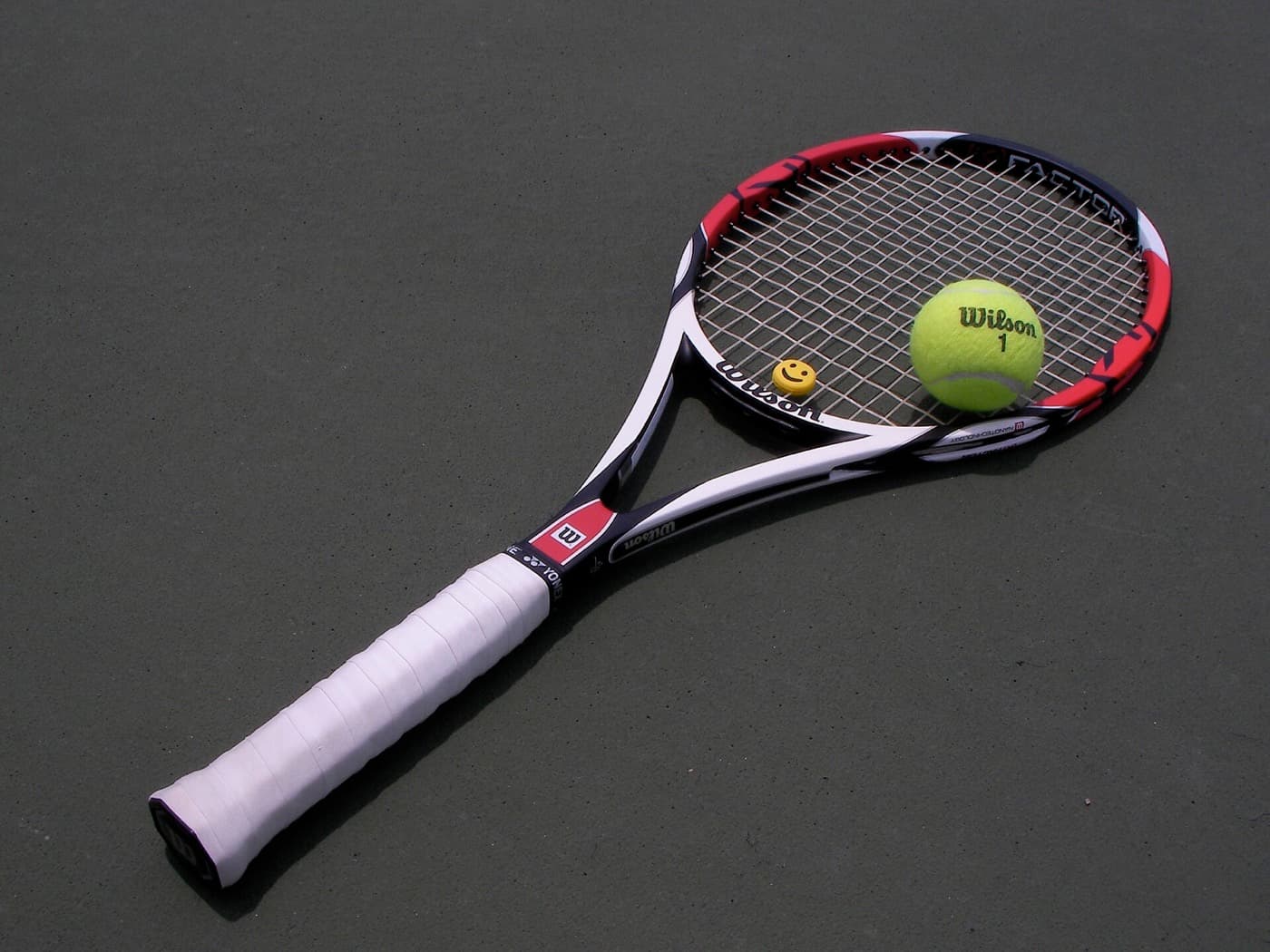
Tennis
A singles or doubles racquet sport that blends agility, strategy and stamina on court.
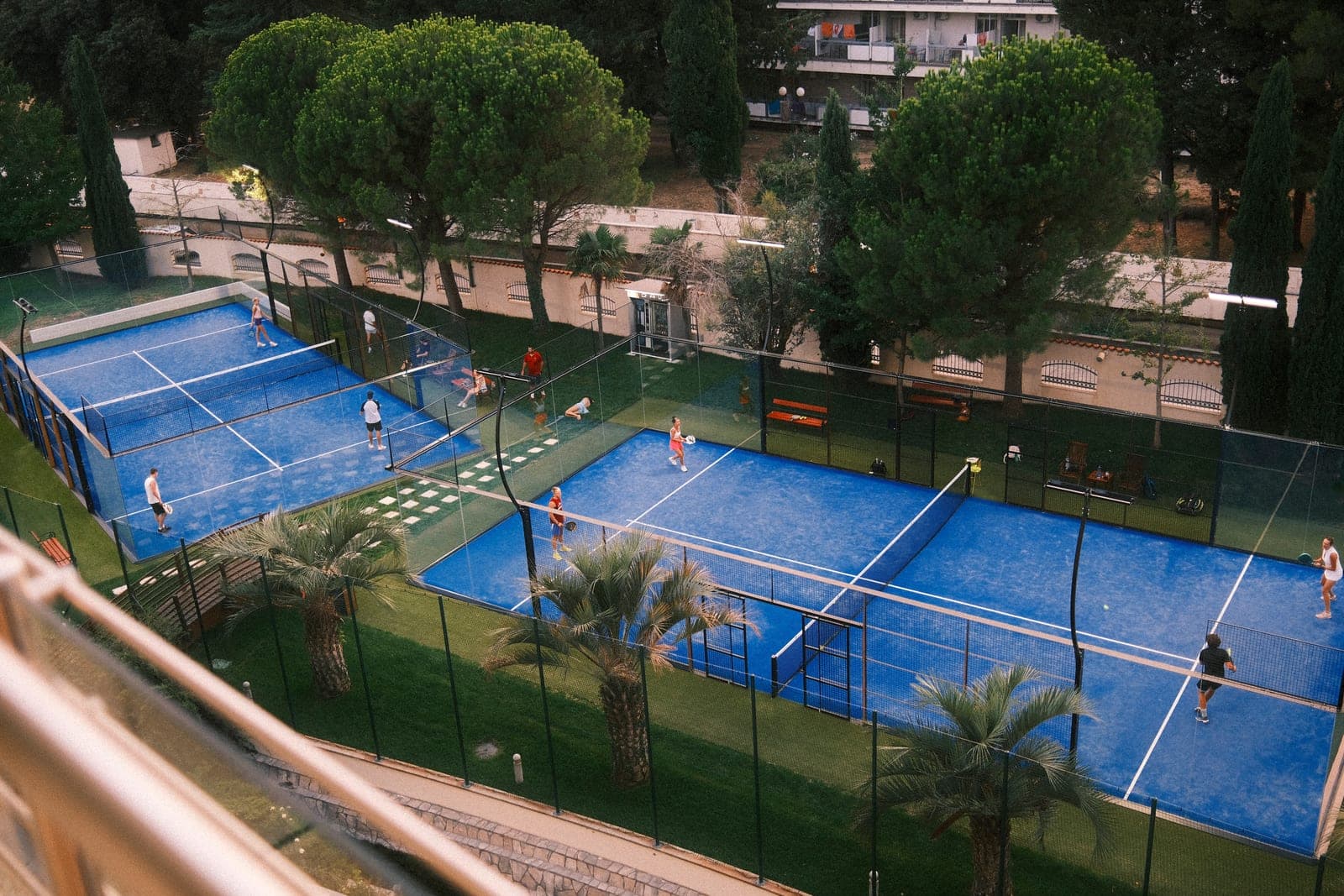
Padel
A sociable, doubles-first racquet sport played in an enclosed court where the walls stay in play.
POP Tennis
A friendly, easy-to-learn racquet sport on a smaller court with solid paddles and a lower net.
Explore across the knowledge base
Follow the threads that connect Serve-and-volley to the rest of SocialSportHub.
Tactics
- Serve and volleyAn attacking tennis tactic where the server follows their serve to the net to finish the point with a volley.
- High pressA football tactic where a team hunts the ball high up the pitch to win it back close to the opponent’s goal.
- Net playControlling the point from close to the net with volleys, smashes and touch shots to cut down an opponent’s time.
- Negative splitA pacing tactic where an athlete covers the second half of a race faster than the first.
- Counter-attackWinning the ball and moving forward at speed to attack before the opponent can reorganise their defence.
Rules
- Tennis serving rulesThe rules governing how a tennis point begins, including where the server stands and where the serve must land.
- Foot faultA serving fault called when the server's foot touches the baseline or court before striking the ball.
- LetA call that stops a point and has it replayed without penalty, used across several racket sports.
- Badminton serve rulesThe rules for how a badminton serve must be delivered and where it must land.
- Volleyball rotationThe rule that players rotate one position clockwise each time their team wins back the serve.
Skills
- ServingThe skill of putting the ball or shuttle into play to start a point or rally.
- Net playThe skill of controlling points close to the net with volleys and touch shots.
- RallyingThe skill of exchanging shots back and forth to build and win a point.
- TacklingThe skill of legally challenging an opponent to win the ball or stop their progress.
Facilities
- Tennis courtA rectangular marked court, divided across the middle by a net, where tennis is played as singles or doubles.
- Basketball courtA rectangular hard-surfaced court with a raised hoop and backboard at each end where basketball is played.
- Padel courtAn enclosed court, much smaller than a tennis court, walled with glass and mesh so the ball can be played off the walls.
- Volleyball courtA rectangular court split by a high net over which two teams rally the ball, played indoors or on sand.
Scoring systems
- Tennis scoringTennis is scored in points, games and sets, using the distinctive 15–30–40 point sequence and a win-by-two margin at every level.
- Table tennis scoringTable tennis is scored on every rally to 11 points per game, won by two clear points, over a best-of odd number of games.
- Badminton scoringBadminton uses rally scoring to 21 points per game, with matches decided over the best of three games.
- Football (soccer) scoringFootball is scored by goals, with each goal worth one point and the team scoring the most goals winning the match.
- Padel scoringPadel borrows tennis scoring, counting points as 15–30–40 within games and playing sets to six games decided by a tiebreak.