
Playing the percentages
A strategy of consistently choosing the option most likely to succeed rather than a lower-probability, higher-reward play.
Definition
Playing the percentages means making decisions based on which choice succeeds most often over time, even if it is less spectacular. A player who plays the percentages favours the safe, high-probability option, such as a solid first serve, a simple pass or a shot to the biggest gap, trusting that reliable choices win out across a whole match.
The phrase is common in tennis, cricket, golf and snooker, where the likelihood of success can be judged from experience. It is closely tied to risk-reward thinking but leans toward caution, reducing unforced errors rather than gambling on a decisive but unlikely outcome.
Where you’ll hear “playing the percentages”
Sports that use this term:
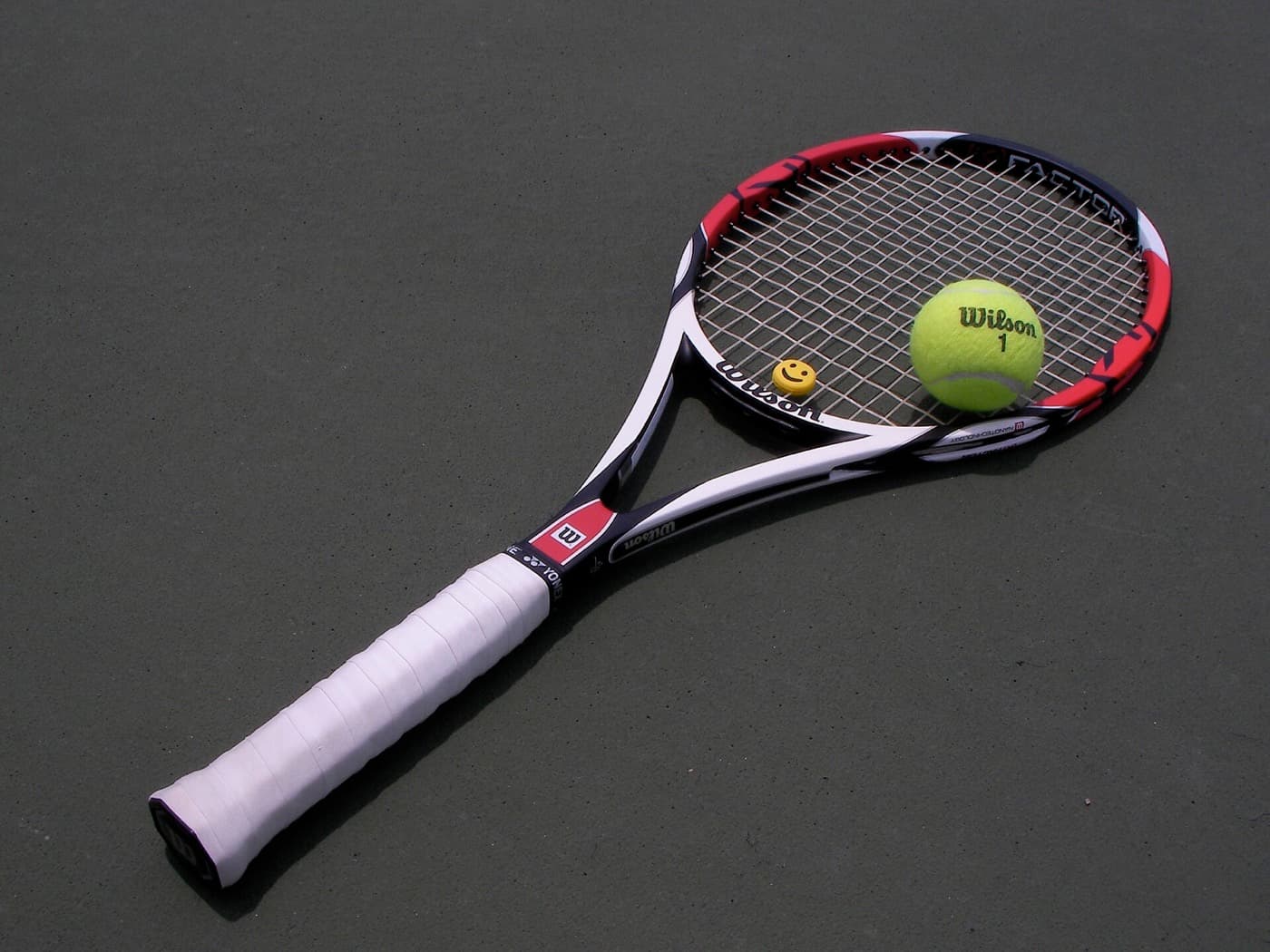
Tennis
A singles or doubles racquet sport that blends agility, strategy and stamina on court.
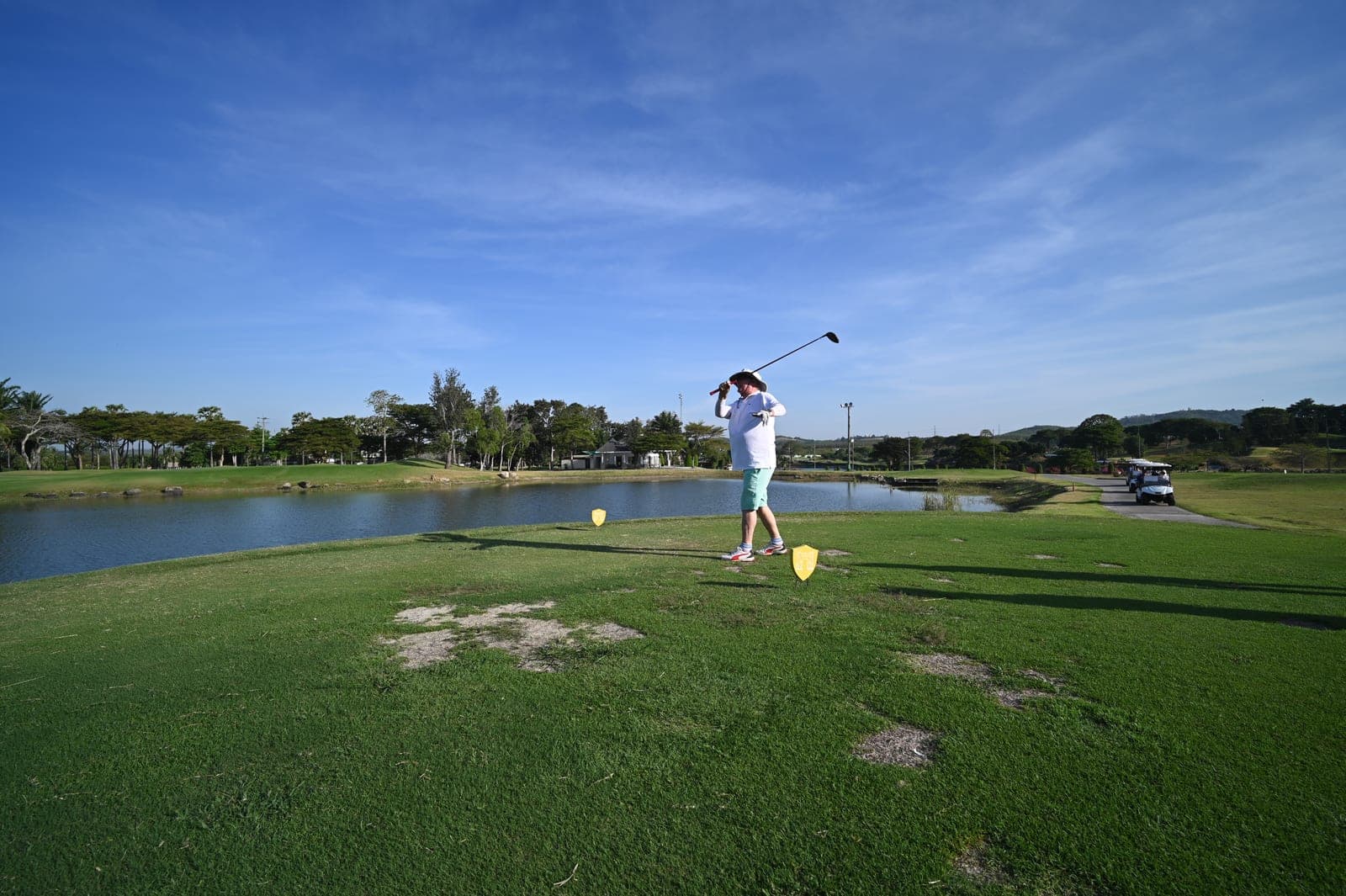
Golf
A precision target sport played across an outdoor course, blending skill, strategy and a long walk in the open air.
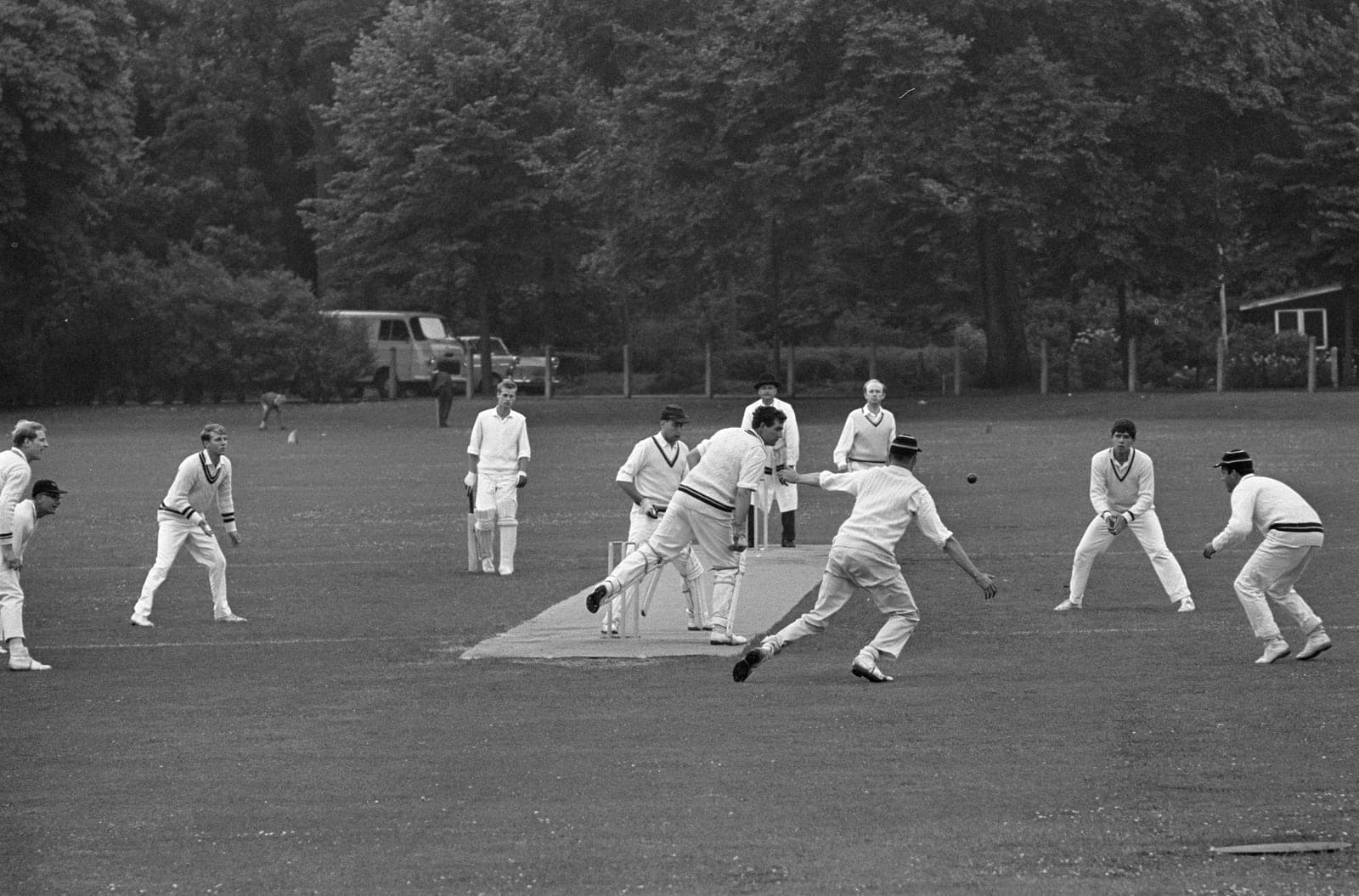
Cricket
A bat-and-ball team sport where sides take turns to bat and to bowl and field, scoring runs.
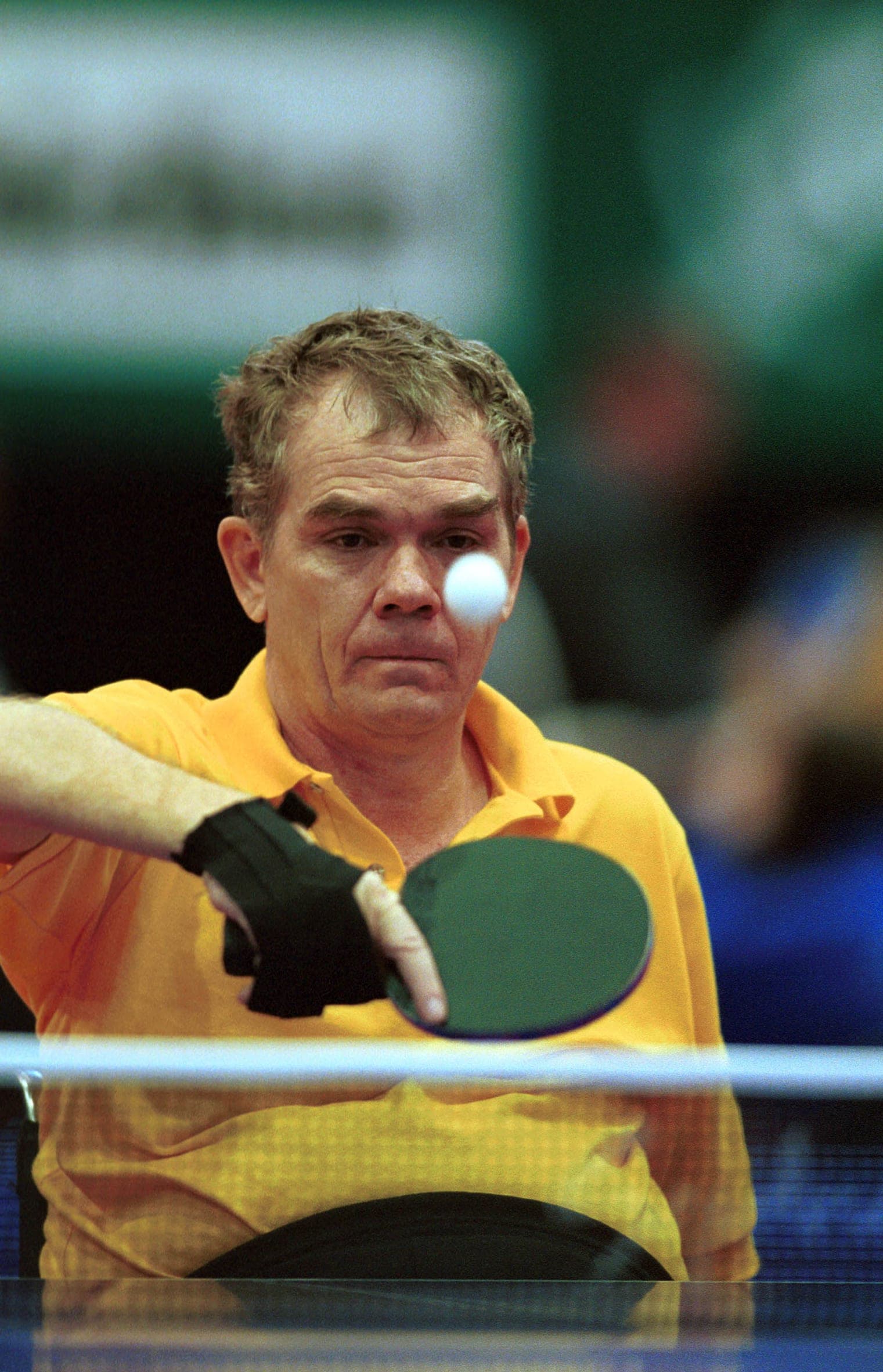
Table Tennis
A fast, low-impact indoor racquet sport that sharpens reflexes and is easy to start.
How it connects
The meaning-bearing relationships that place Playing the percentages in the wider knowledge graph.
Commonly confused with
Explore across the knowledge base
Follow the threads that connect Playing the percentages to the rest of SocialSportHub.
Strategies
- Playing the percentagesFavouring the higher-probability, lower-risk option most of the time to cut out unforced errors, while recognising when a calculated risk is worth taking.
- Adapting to ConditionsAdapting to conditions is the strategy of shaping your game plan around the venue, surface, weather, altitude and home-or-away setting you face.
- Transition PlayTransition play is the strategy of switching quickly between attack and defence the moment possession changes, exploiting the opponent's brief disorganisation.
Practice & sessions
- Conditioning sessionA session built around physical conditioning — developing the fitness qualities a sport draws on, rather than its skills or tactics.
- Tactical sessionA session built around tactics — how you use space, position and patterns of play, rather than the mechanics of a shot.
- Open-play sessionA turn-up-and-play session of informal, often social games — less structured than practice, focused on playing rather than drilling.
- Recovery sessionA deliberately easy session — gentle movement to help the body feel better and adapt, rather than to push hard.
- Decision-making sessionA session built around choosing well under pressure — reading the situation and picking the right option, not just executing a skill.
Decision making
- Risk assessmentWeighing what an action could gain against how likely it is to fail and what failure would cost — the judgement behind choosing a safe or an ambitious option.
- When to keep possessionJudging when to hold and recycle the ball rather than force a forward option — choosing patience and control over immediate progress.
- AnticipationForming an expectation of what is likely to happen next, and starting to prepare for it before it does.
- Shot selectionChoosing which shot to play from the options available — weighing the situation, the risk and what you are trying to achieve.
- Reading an opponentPicking up an opponent's cues — stance, weight, positioning and habits — to sense what they are likely to do and decide how to respond.
Player roles
- Utility playerA dependable, versatile player who can competently fill several different positions as the team needs, rather than specialising in just one.
- All-RounderAn all-rounder is a versatile player who contributes across attack and defence rather than specialising in a single phase, position, or skill.
- Ball-winnerA ball-winner is the player tasked with regaining possession through pressing, tackling and interceptions — a team's tireless defensive workhorse.
- PlaymakerThe playmaker is a team's creative hub — the player who orchestrates attacks, controls the tempo and distributes the ball so teammates can score.
Playing surfaces
- ClayA soft, granular racquet-sport surface of crushed brick, stone or shale that slows the ball, gives a high bounce and lets players slide into shots.
- WaterThe medium for aquatic sport — pool or open water that supports the body with buoyancy and resists movement with drag rather than giving footing.
- WoodAn indoor sprung timber or parquet floor — grippy, consistent and lightly cushioned; the classic surface for indoor court sports.
- Artificial turfSynthetic grass, often filled with sand or rubber, that gives a firm, even, all-weather surface. It plays faster and truer than worn natural grass.
- SnowCompacted or natural snow on slopes and trails — a low-friction surface built for gliding, where skis, boards and runners slide fast over frozen ground.
Tactics
- Baseline playA patient tennis style built around rallying from the back of the court and constructing points with groundstrokes.
- Zone defenceA defensive system where each player guards an area of the court rather than a specific opponent.
- Serve and volleyAn attacking tennis tactic where the server follows their serve to the net to finish the point with a volley.
- Interval-training strategyStructuring a workout as bursts of hard effort separated by recovery to build fitness efficiently.
- Negative splitA pacing tactic where an athlete covers the second half of a race faster than the first.