
Backhand
A stroke played with the back of the hand facing the direction of the shot, on the opposite side to the racquet arm.
Definition
The backhand is the counterpart to the forehand in racquet sports such as tennis, table tennis, badminton and squash. It is played across the body on the non-dominant side, with the back of the hand leading through the swing, and can be hit with one or two hands depending on the sport and the player.
Many beginners find the backhand harder to control at first, so it is a common focus in practice. A reliable backhand lets a player cover both sides of the court and respond to shots aimed away from their stronger forehand.
Where you’ll hear “backhand”
Sports that use this term:
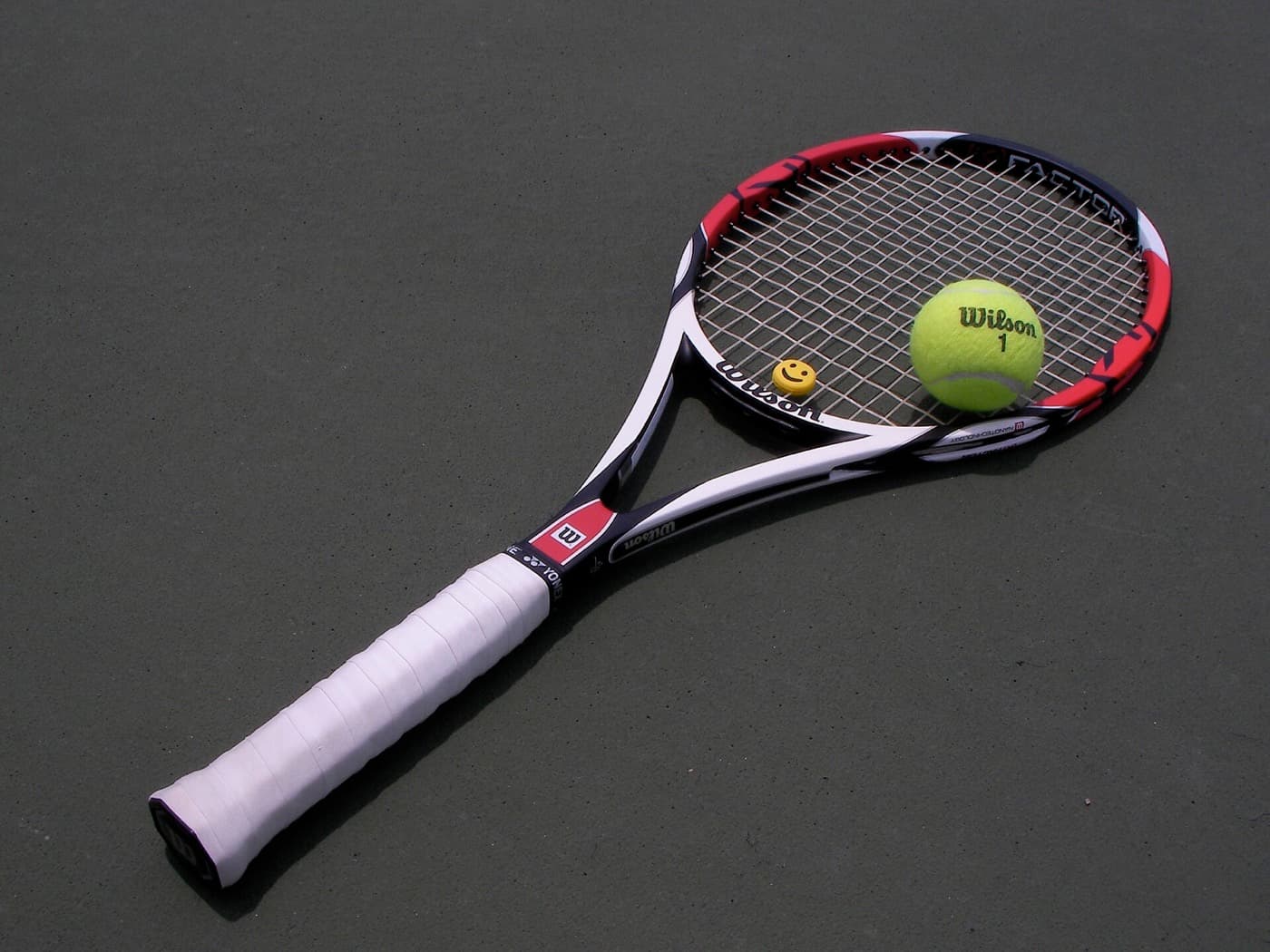
Tennis
A singles or doubles racquet sport that blends agility, strategy and stamina on court.
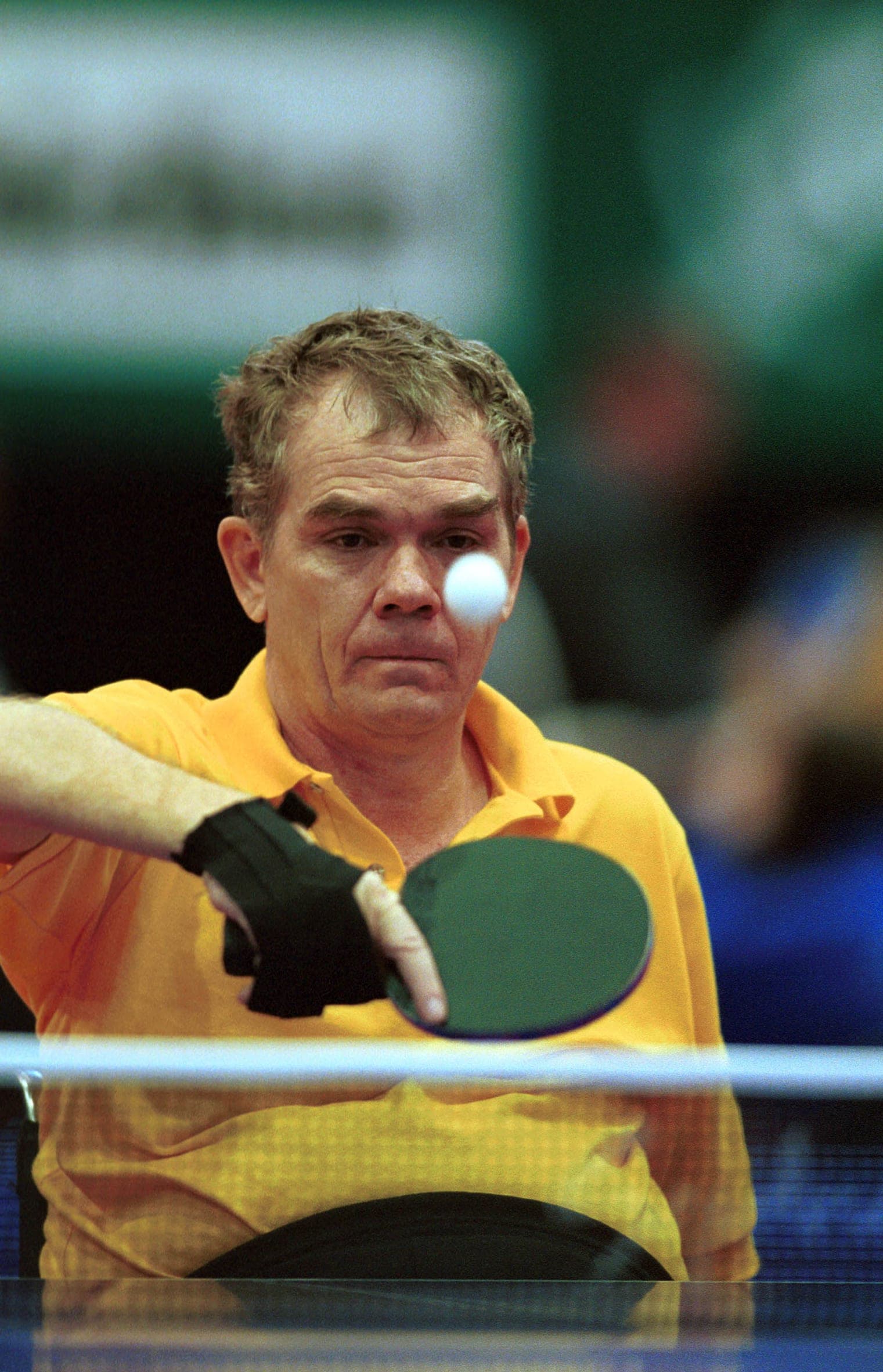
Table Tennis
A fast, low-impact indoor racquet sport that sharpens reflexes and is easy to start.
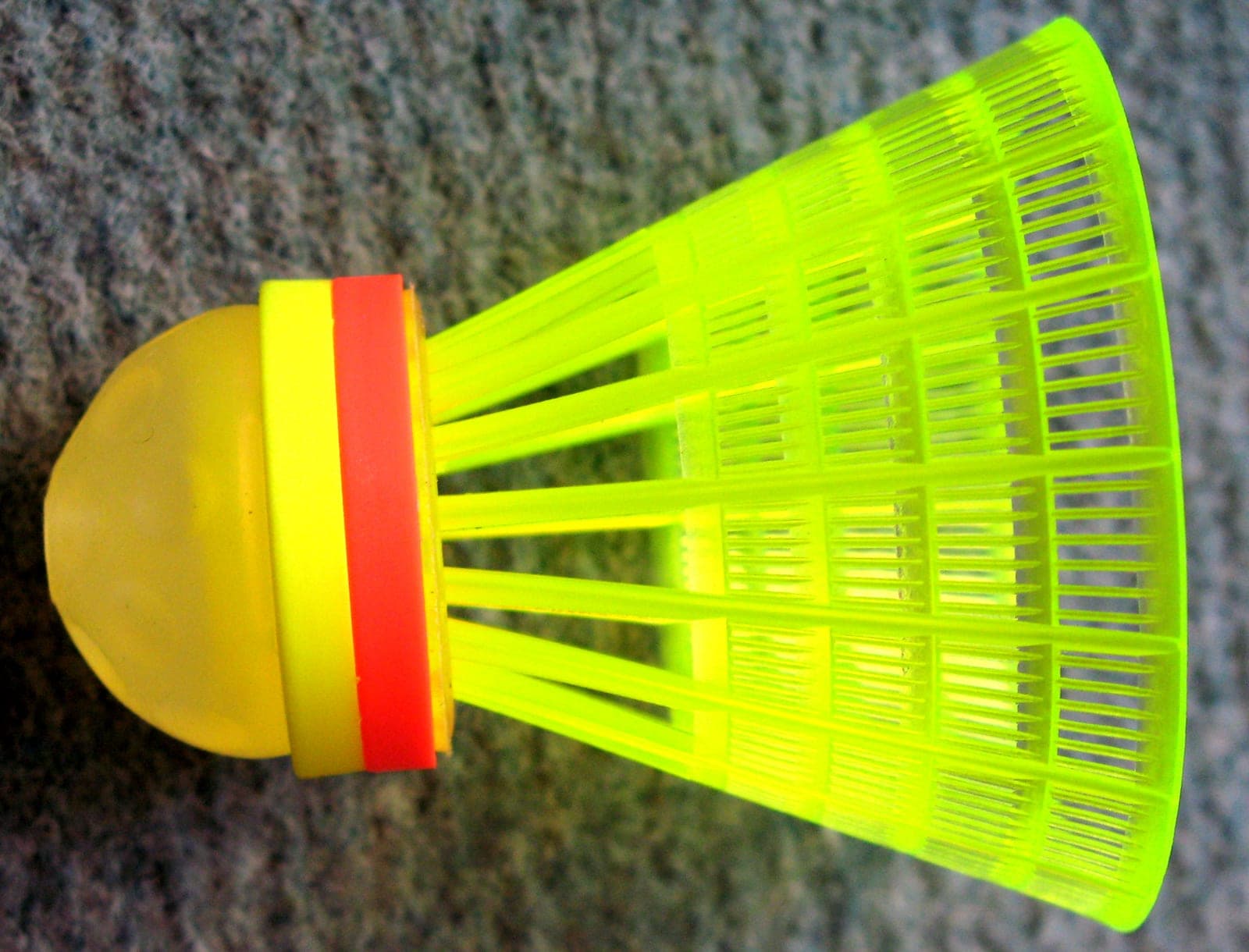
Badminton
A fast indoor racquet sport played with a shuttlecock that rewards agility and touch.
Squash
A fast, high-intensity indoor racquet sport played inside an enclosed court where the walls stay in play.
Explore across the knowledge base
Follow the threads that connect Backhand to the rest of SocialSportHub.
Equipment
- Tennis racquetA strung frame with a handle, used to hit the ball in tennis. Head size, weight and balance vary to suit different playing styles.
- Table tennis batA small wooden blade covered with rubber used to hit the ball in table tennis.
- Tennis ballA hollow rubber ball covered in felt used in tennis and related racquet sports.
- DumbbellA short handheld weight used for strength and fitness training, worked one in each hand so each side has to hold its own load.
- Squash racquetA slim strung racquet used to hit the ball against the walls in squash.
Skills
- Returning serveThe skill of reading and playing back an opponent’s serve to stay in the rally.
- RallyingThe skill of exchanging shots back and forth to build and win a point.
- BreaststrokeA swimming stroke using a symmetrical arm sweep and a frog-like kick, with the head lifting to breathe.
- Front crawlThe fastest swimming stroke, using alternating arm pulls and a flutter kick while face-down.
Techniques
- One-Handed BackhandA backhand groundstroke struck with a single hand on the grip, driving through the ball with a full extension of the hitting arm.
- One-handed and two-handed backhands comparedWhat actually differs between the two backhands — reach, stability, disguise and the height at which each struggles — rather than which one is better.
- The slice in tennisThe underspin stroke that changes a rally's height and pace — how slice keeps the ball low, when it is defensive and when it is an attack, and what it does on different surfaces.
- Tennis ServeThe overhead stroke that starts every point, hit from behind the baseline into the diagonally opposite service box.
- Freestyle StrokeThe fastest swimming stroke, using alternating overhead arm pulls, a flutter kick and rhythmic side breathing.
Tactics
- Baseline playA patient tennis style built around rallying from the back of the court and constructing points with groundstrokes.
- Serve +1 and return +1The two-shot patterns that decide short points — how a serve's direction determines where the reply comes from, and how a returner uses the same idea against the server.
Exercises
- Dead bugA floor core exercise where you extend opposite arm and leg while keeping your back settled.
- Bird dogA core exercise on hands and knees where you extend opposite arm and leg while staying steady.
- Chin-upA pulling exercise similar to a pull-up but with palms facing you, involving the biceps more.
Go deeper with Backhand
Everywhere else on the platform that covers Backhand — assembled from what actually references it, so nothing here is a dead end.
Take it away
Open data and the whole-platform view of this subject.
How this page is maintained
- Content type
- Term
- Provenance
- Tier A — evergreen educational
- Verified external sources
- 0
- Content updated
- 2026-09-01
Evergreen, first-party explanation — it makes no claim that needs an external source. How we handle sources and reviews.