
Backhand Slice
A backhand hit with a high-to-low, open-faced swing that imparts backspin, making the ball stay low after bouncing.
Definition
The backhand slice is played with an open racket face moving from high to low through contact, cutting under the ball to create backspin. The resulting shot travels on a flatter trajectory and skids or stays low on the bounce, which can disrupt an opponent's rhythm and force them to hit up on the ball.
It is a versatile tennis shot used defensively to reset a rally, as an approach shot when moving toward the net, and to change pace against heavy topspin. Players with one-handed and two-handed backhands alike use a one-handed slicing motion for it. The stroke trades power for control, spin and consistency.
Where you’ll hear “backhand slice”
Sports that use this term:
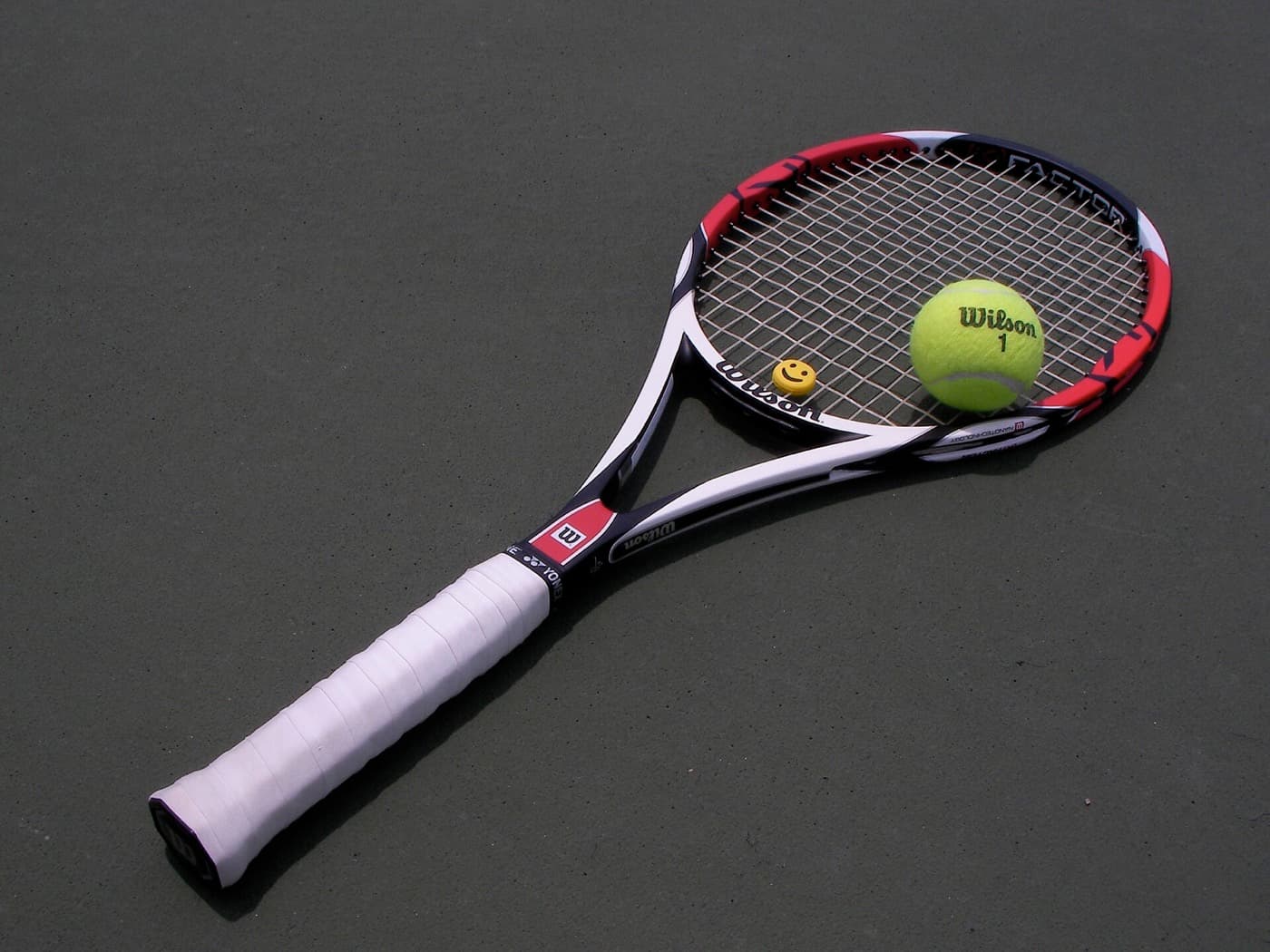
Tennis
A singles or doubles racquet sport that blends agility, strategy and stamina on court.
POP Tennis
A friendly, easy-to-learn racquet sport on a smaller court with solid paddles and a lower net.
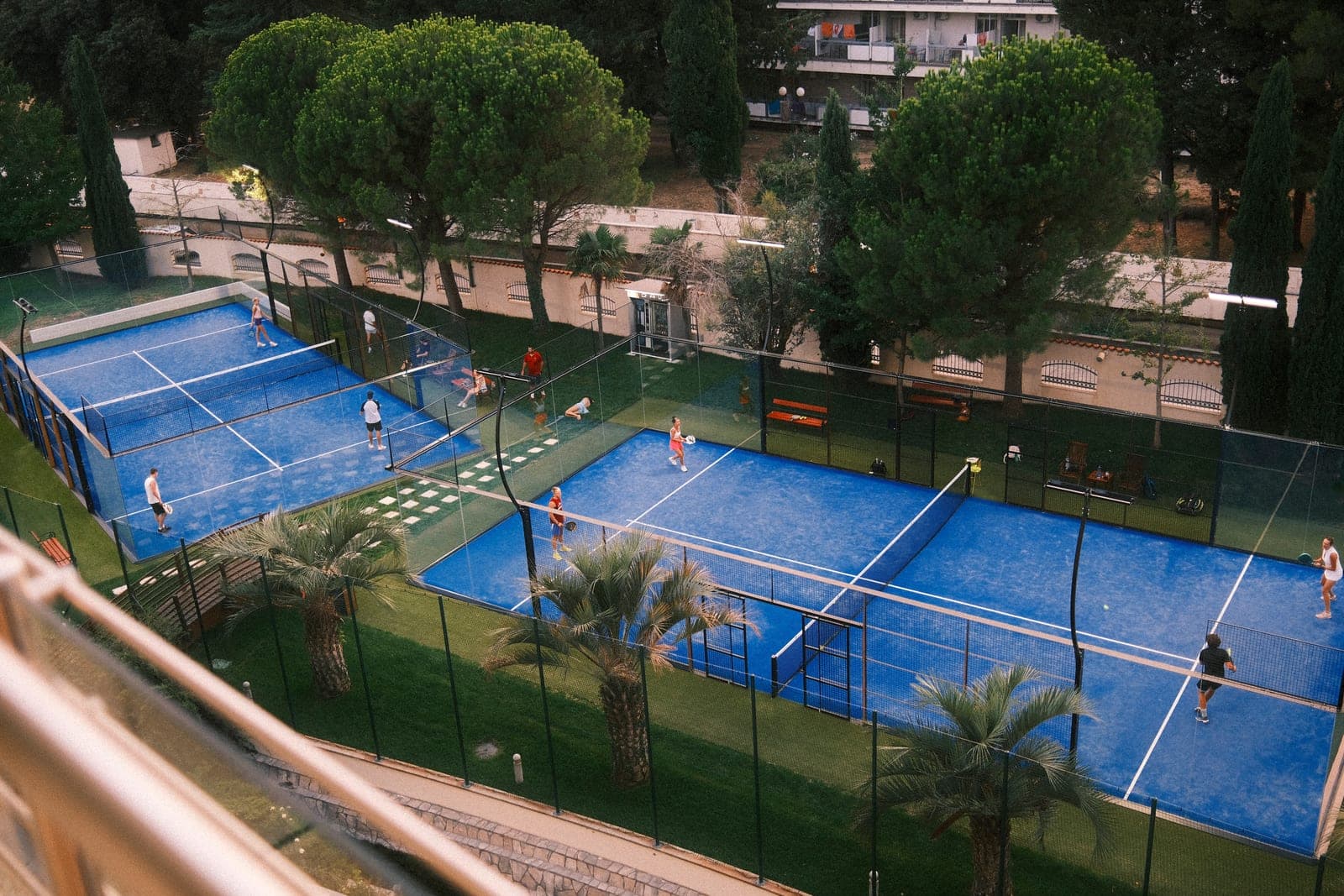
Padel
A sociable, doubles-first racquet sport played in an enclosed court where the walls stay in play.
Explore across the knowledge base
Follow the threads that connect Backhand Slice to the rest of SocialSportHub.
Techniques
- One-handed and two-handed backhands comparedWhat actually differs between the two backhands — reach, stability, disguise and the height at which each struggles — rather than which one is better.
- The slice in tennisThe underspin stroke that changes a rally's height and pace — how slice keeps the ball low, when it is defensive and when it is an attack, and what it does on different surfaces.
- Topspin ForehandA forehand groundstroke hit with a low-to-high swing that puts forward spin on the ball so it dips and kicks up on landing.
- One-Handed BackhandA backhand groundstroke struck with a single hand on the grip, driving through the ball with a full extension of the hitting arm.
- Padel BandejaA controlled overhead shot in padel, hit with slice and moderate pace to keep the player at the net without over-committing.
Sport categories
Sports communication
Go deeper with Backhand Slice
Everywhere else on the platform that covers Backhand Slice — assembled from what actually references it, so nothing here is a dead end.
Take it away
Open data and the whole-platform view of this subject.
How this page is maintained
- Content type
- Term
- Provenance
- Tier A — evergreen educational
- Verified external sources
- 0
- Content updated
- 2026-09-01
Evergreen, first-party explanation — it makes no claim that needs an external source. How we handle sources and reviews.