
Clean Sheet
A match in which a team or goalkeeper prevents the opposition from scoring at all.
Definition
A clean sheet is recorded when a team concedes no goals in a match, with the credit shared between the goalkeeper and the defence. It is a common measure of defensive performance in football and field hockey, and goalkeepers are often ranked by how many clean sheets they keep across a season.
The equivalent idea in several North American sports is usually called a "shutout," for example in ice hockey where a goaltender concedes no goals. A clean sheet is about goals conceded, not the result: a 0-0 draw gives both teams a clean sheet, while a 3-0 win gives only the winning side one. It says nothing about how many goals the team itself scored.
Where you’ll hear “clean sheet”
Sports that use this term:

Football
The world’s most popular team sport — endless running, teamwork and community in one game.
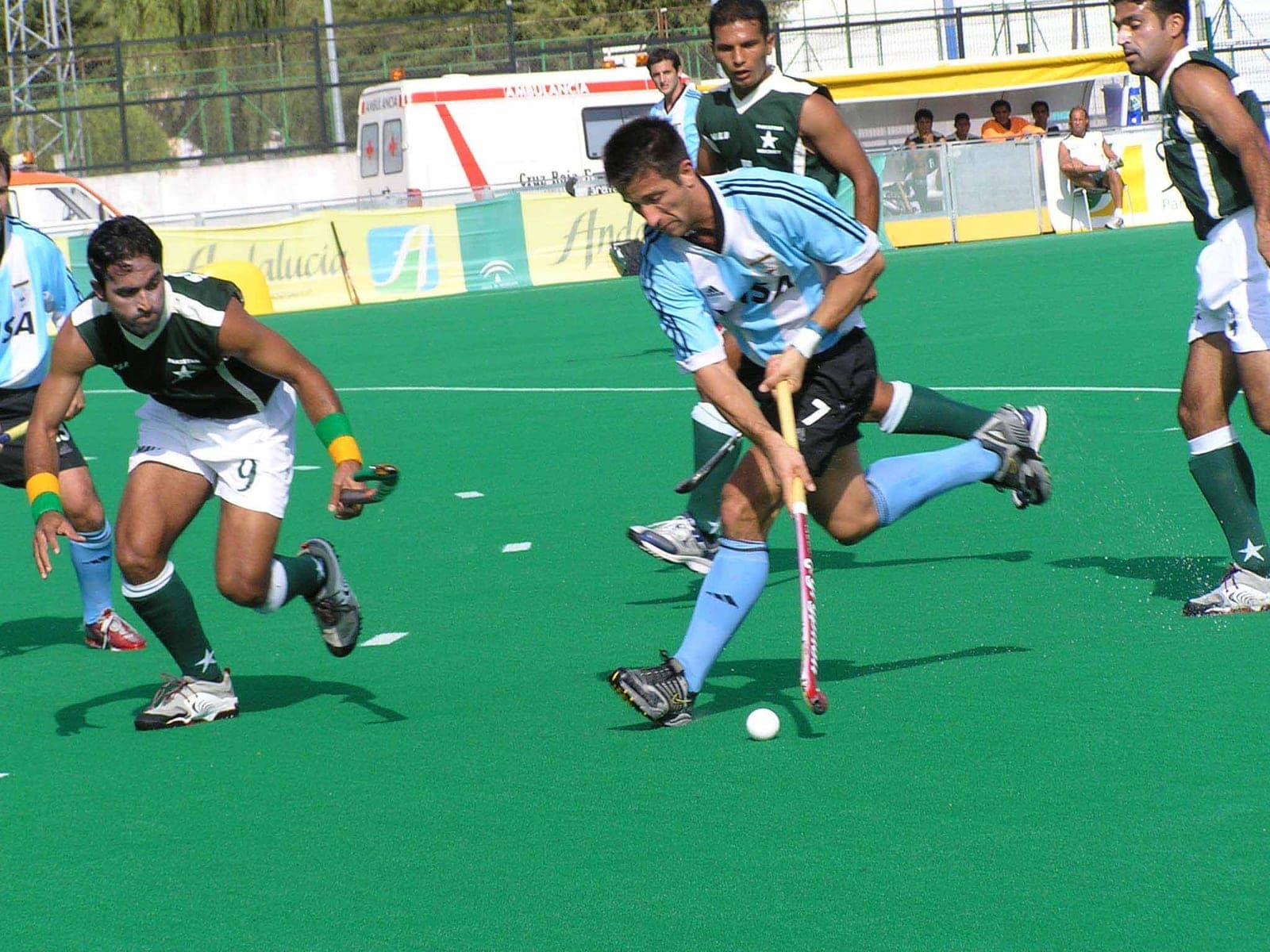
Field Hockey
An outdoor team sport that uses curved sticks to move a ball, built on agility and teamwork.
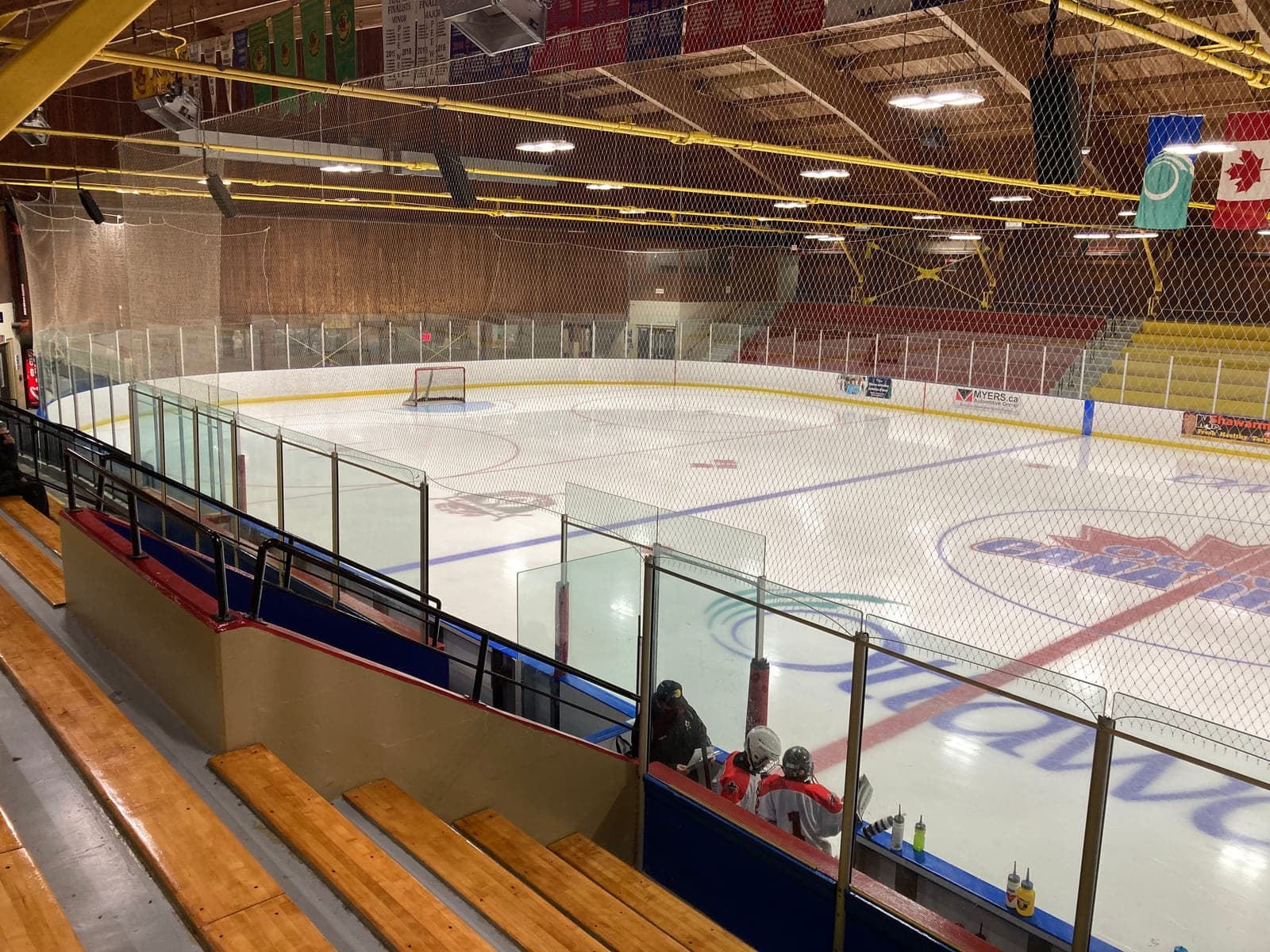
Ice Hockey
A fast team sport on ice that combines skating skill with quick passing and goal-scoring.
Explore across the knowledge base
Follow the threads that connect Clean Sheet to the rest of SocialSportHub.
Scoring systems
- Football (soccer) scoringFootball is scored by goals, with each goal worth one point and the team scoring the most goals winning the match.
- How golf is scoredGolf counts strokes: the fewest shots taken to complete a hole or a round wins, with par providing the reference every score is described against.
- Tennis scoringTennis is scored in points, games and sets, using the distinctive 15–30–40 point sequence and a win-by-two margin at every level.
- Tennis scoring systemsThe scoring methods the ITF Rules actually authorise — the advantage set, the tie-break set, the standard tie-break game, and the short sets and match tie-breaks in Appendix VI.
- Tiebreak scoringA tiebreak is a short deciding game used in racket sports to settle a set that has reached an even number of games, scored in simple numbers to a fixed target.
Rules
- OffsideA rule that prevents an attacker from gaining an advantage by being positioned too close to the opponents' goal ahead of the ball and the last defenders.
- Penalty kick awardA one-on-one kick against the goalkeeper awarded when a defending player commits a direct-free-kick foul inside their own penalty area.
Tactics
Positions
- GoalkeeperThe goalkeeper is the last line of defence in football and the only player allowed to handle the ball inside their own penalty area.
- Outside hitterThe outside hitter attacks from the left side of the net and is often a volleyball team’s main scoring option.
- Defensive midfielderA defensive midfielder sits in front of the defence, breaking up opposition attacks and shielding the back line.
- StrikerA striker is the main attacking player in football, positioned furthest forward with the primary job of scoring goals.
- PivotThe pivot is a handball attacker who plays close to the opposition defence, setting screens and looking for chances near the goal area.
Go deeper with Clean Sheet
Everywhere else on the platform that covers Clean Sheet — assembled from what actually references it, so nothing here is a dead end.
Take it away
Open data and the whole-platform view of this subject.
How this page is maintained
- Content type
- Term
- Provenance
- Tier A — evergreen educational
- Verified external sources
- 0
- Content updated
- 2026-09-01
Evergreen, first-party explanation — it makes no claim that needs an external source. How we handle sources and reviews.