
Bye
A free pass to the next round when a competitor has no opponent, or in cricket a run scored without the bat touching the ball.
Definition
In a tournament, a bye lets a competitor advance to the next round without playing, usually because the number of entrants is not a neat power of two; byes are commonly awarded to top seeds in the first round so the bracket balances. A team on a bye rests while others play, then joins the reduced field in the following round.
The word carries a different meaning in cricket, where a bye is a type of extra: runs scored when the ball passes the striker without touching the bat or body and the batters run. In some leagues, particularly in North American sport, a "bye week" also describes a scheduled week in which a team has no fixture.
Meaning by sport
This term is used differently across sports:
- Tournament formats
- Advancing to the next round without playing because there is no opponent to face.
- Cricket
- An extra run scored when the ball passes the striker without touching the bat or body.
Where you’ll hear “bye”
Sports that use this term:
Tennis
A singles or doubles racquet sport that blends agility, strategy and stamina on court.
Badminton
A fast indoor racquet sport played with a shuttlecock that rewards agility and touch.
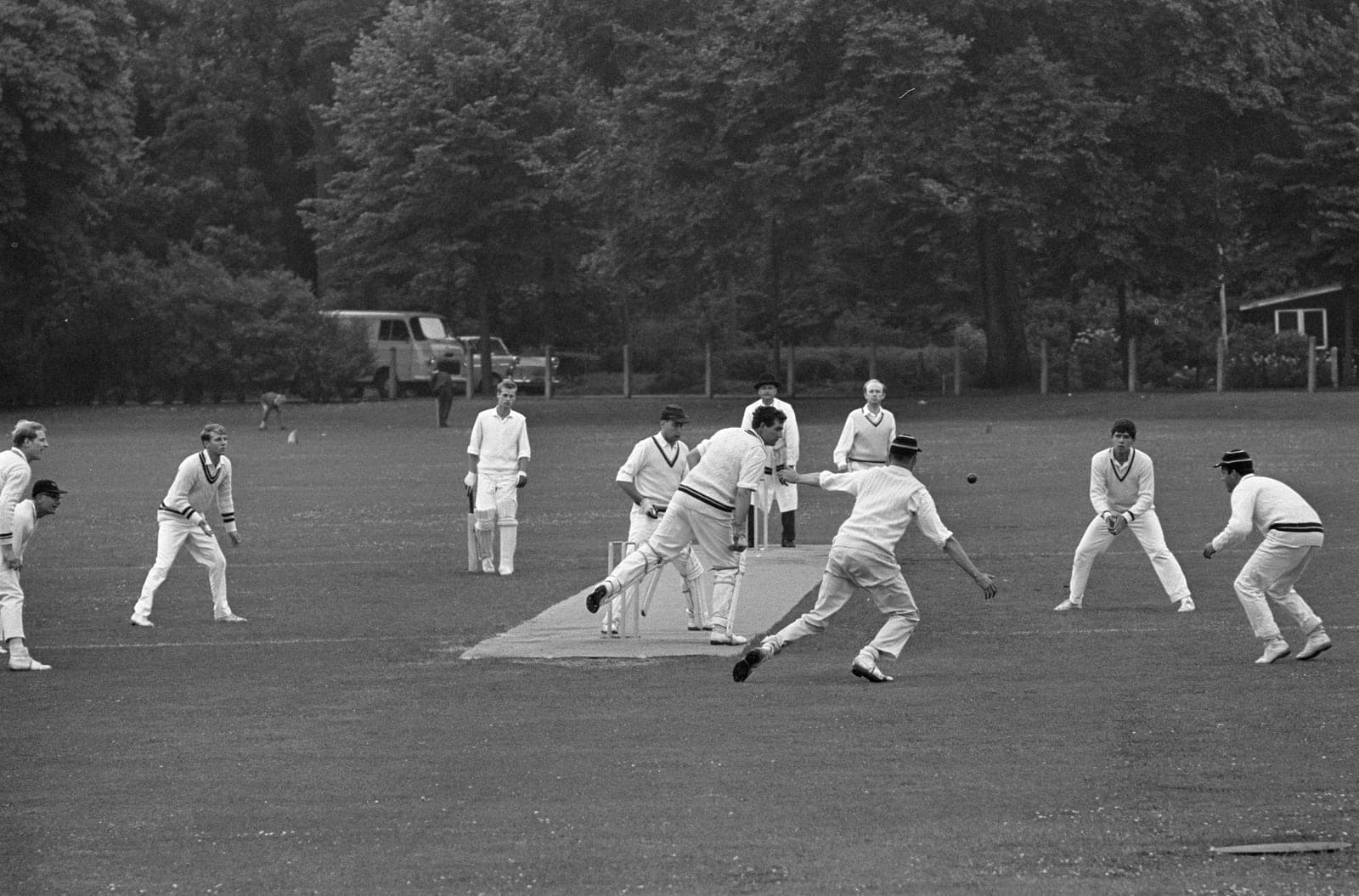
Cricket
A bat-and-ball team sport where sides take turns to bat and to bowl and field, scoring runs.

Football
The world’s most popular team sport — endless running, teamwork and community in one game.
Explore across the knowledge base
Follow the threads that connect Bye to the rest of SocialSportHub.
Scoring systems
- Extras: byes, leg byes, wides and no-ballsThe runs a fielding side gives away rather than the batting side earning — what separates a bye from a leg bye, why a wide and a no-ball each cost a penalty run, and how each is recorded.
- Tiebreak scoringA tiebreak is a short deciding game used in racket sports to settle a set that has reached an even number of games, scored in simple numbers to a fixed target.
- How golf is scoredGolf counts strokes: the fewest shots taken to complete a hole or a round wins, with par providing the reference every score is described against.
- How alpine ski races are timed and placedAlpine races are decided on elapsed time, with technical events combining two runs into a single total.
- Runs and boundaries in cricketHow runs are actually scored in cricket — by running, by finding the boundary, and by the penalties the fielding side concedes — and how each kind is credited in the scorebook.
Rules
- No-ballThe illegal delivery in cricket — where the bowler's feet must land, what the Laws say about straightening the arm, and why a no-ball costs a run and has to be bowled again.
- Order of playThe convention that decides who plays next in a golf group — normally the player whose ball is furthest from the hole.
- How a point is lost in padelThe actions that end a padel rally — the second bounce, touching the net, direct contact with the opponent's enclosure, and the neutral-zone exception on the court doors.
- Touching the netA net-play rule that penalises a player for contacting the net during a rally in net-divided sports.
- False startA rule breach in a race when a competitor begins to move before the starting signal is given.
Knowledge Atlas
Equipment
- Cricket batA flat-fronted wooden bat used by batters to hit the ball in cricket, with a curved back that concentrates weight behind the hitting area.
- Table tennis batA small wooden blade covered with rubber used to hit the ball in table tennis.
- Hockey stickA curved-headed stick used to control, pass and shoot the ball or puck in hockey.
- Baseball batA smooth, rounded club used by batters to hit the pitched ball in baseball and softball.
Officiating
- UmpireA match official who rules on lines, serves and dismissals in racket, bat-and-ball and net sports such as tennis, cricket and baseball — and, in racket sports, also keeps the running score.
- Out-of-Bounds CallAn official's ruling that the ball or a player in possession has left the legal playing area, stopping play and handing a restart or possession to the opponent.
Techniques
- Spin in table tennisWhy table tennis is a spin sport before it is a speed sport — how topspin, backspin and sidespin change a ball's flight and its bounce off an opponent's bat.
- Cricket batting grip and stanceThe starting position every cricket stroke is built from — how the hands sit on the handle, how the feet and head are set, and what the setup decides before the ball is even bowled.
Go deeper with Bye
Everywhere else on the platform that covers Bye — assembled from what actually references it, so nothing here is a dead end.
Take it away
Open data and the whole-platform view of this subject.
How this page is maintained
- Content type
- Term
- Provenance
- Tier A — evergreen educational
- Verified external sources
- 0
- Content updated
- 2026-09-01
Evergreen, first-party explanation — it makes no claim that needs an external source. How we handle sources and reviews.