Motor Learning
The process by which practice and experience produce relatively permanent improvements in the ability to perform a movement skill.
Definition
Motor learning is how the nervous system acquires, refines and retains movement skills through practice and feedback. It distinguishes lasting learning from temporary performance: a skill that looks good in one session but disappears the next has been performed rather than truly learned.
Coaches draw on principles such as varied practice, appropriately timed feedback, and progressing from simple to complex or open conditions to help skills transfer to competition. A related idea is the shift from conscious, effortful control early on to more automatic execution as a movement becomes grooved through repetition.
Where you’ll hear “motor learning”
Sports that use this term:
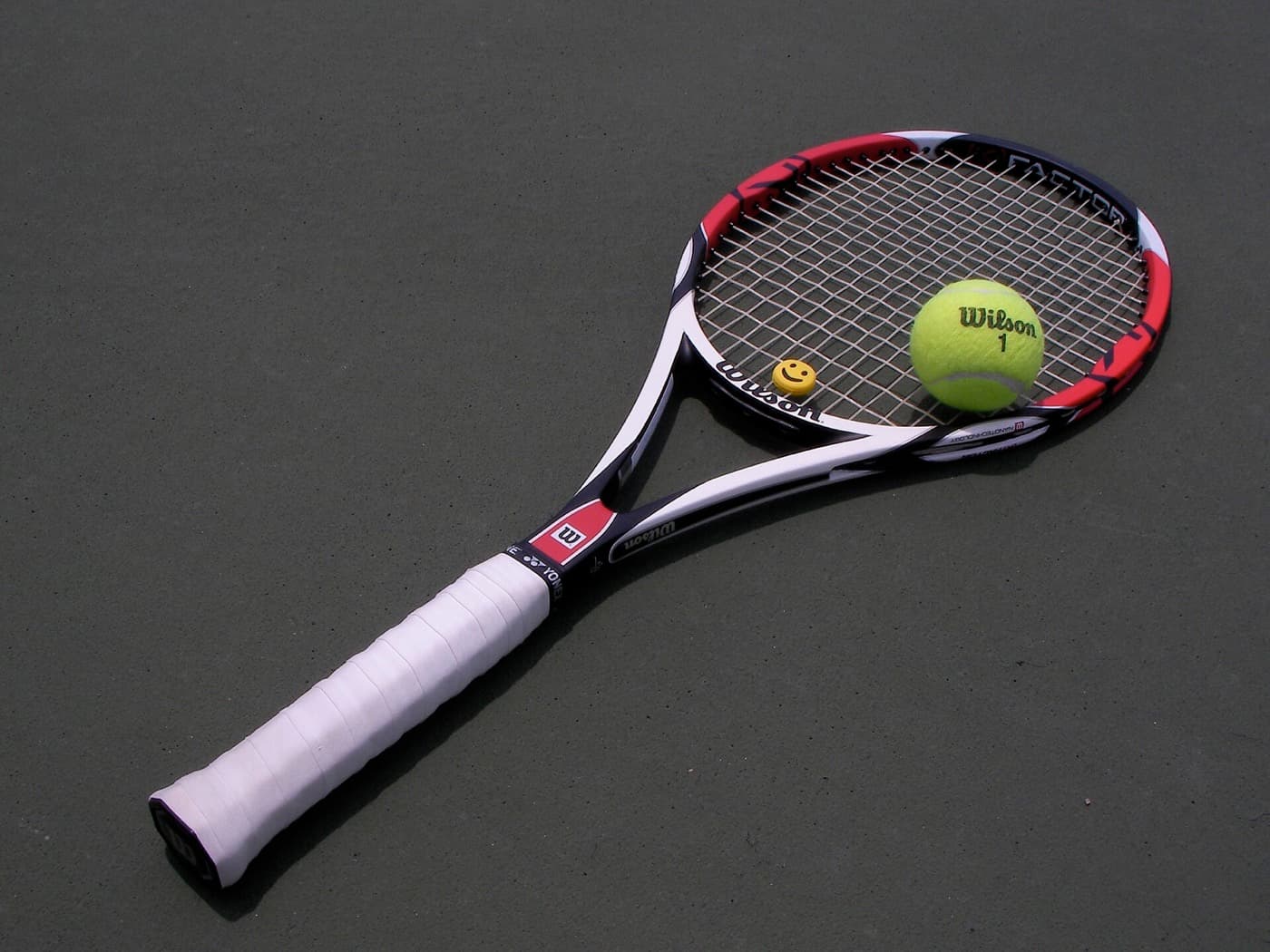
Tennis
A singles or doubles racquet sport that blends agility, strategy and stamina on court.
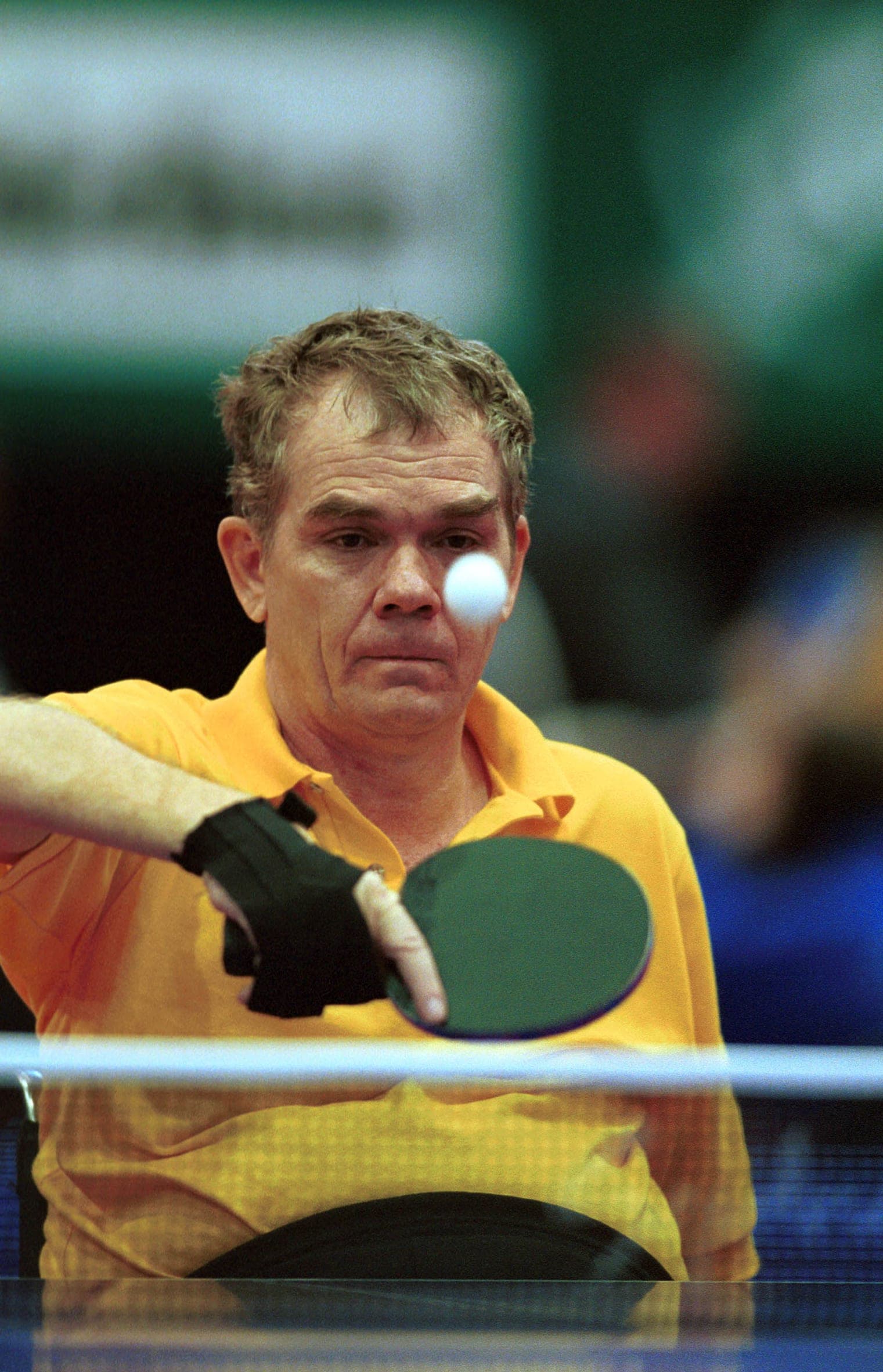
Table Tennis
A fast, low-impact indoor racquet sport that sharpens reflexes and is easy to start.
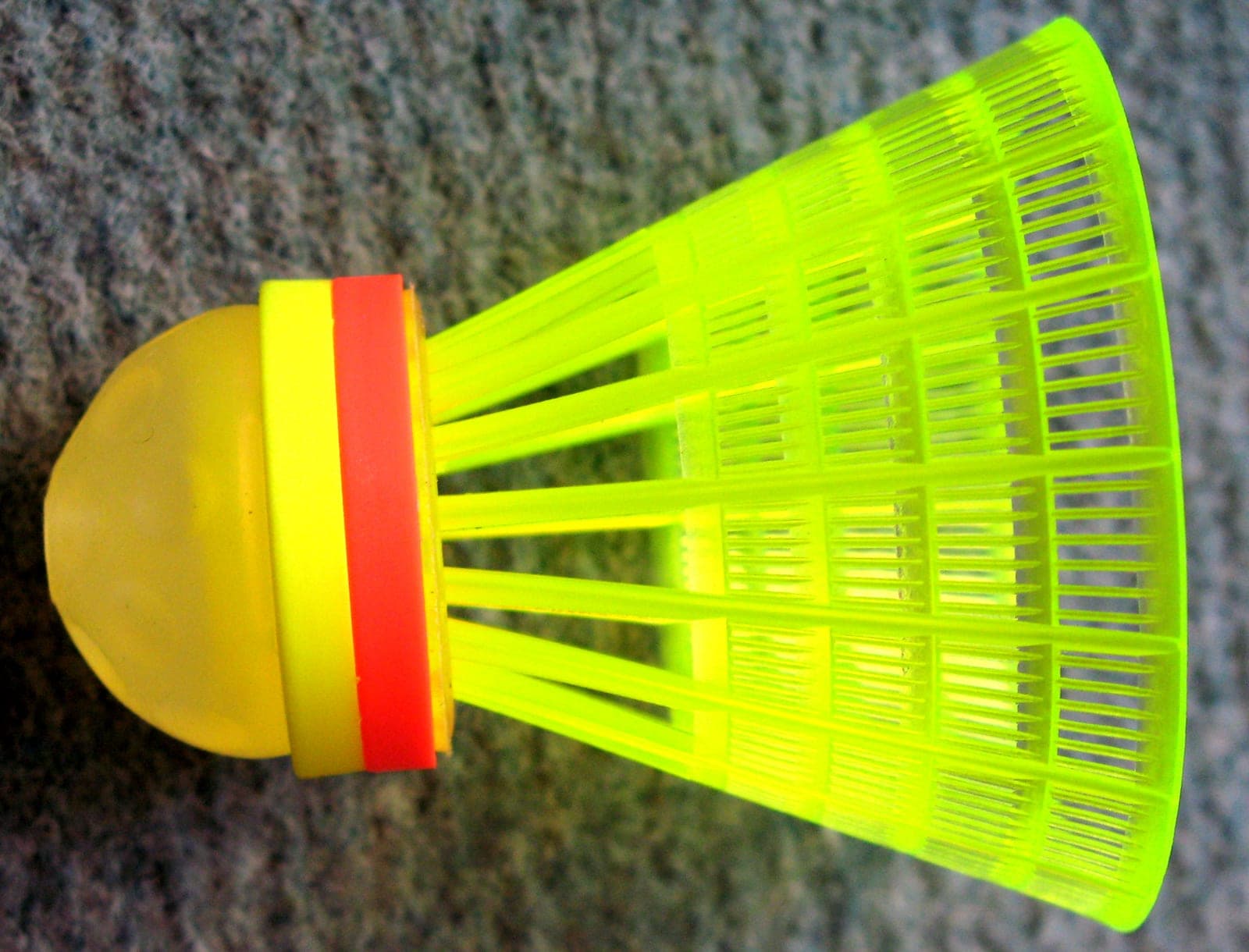
Badminton
A fast indoor racquet sport played with a shuttlecock that rewards agility and touch.
Basketball
A fast, dynamic team sport of running, jumping and quick decisions on court.
Football
The world’s most popular team sport — endless running, teamwork and community in one game.
Explore across the knowledge base
Follow the threads that connect Motor Learning to the rest of SocialSportHub.
Sports science
- Motor learningThe process by which practice and experience produce lasting improvements in how well a movement skill can be performed.
- Motor controlHow the brain and nervous system organise the muscles to produce coordinated, controlled movement.
- The learning curveThe typical pattern in which a new skill improves quickly at first and then more slowly as it develops.
- Training adaptationThe process by which the body changes in response to repeated training — the underlying reason exercise makes you fitter, stronger or more skilful over time.
- BiomechanicsThe study of how the body produces and controls movement — the mechanics behind every technique in sport.
Coaching concepts
- Skill acquisitionHow a movement or sports skill is learned — progressing from conscious, effortful control to smooth, largely automatic execution through practice and feedback.
- Constraints-Led PracticeA coaching approach that adjusts the task, environment or rules so a desired movement or decision emerges in practice, rather than being explicitly instructed.
- Deliberate PracticeFocused, effortful practice that targets a specific weakness with full attention and immediate feedback — not just repeating what you already do well.
- Goal-Setting for PracticeSetting clear practice goals directs effort and makes progress visible — separating results-based outcome goals from controllable process goals.
- Feedback and CueingFeedback from your senses, a coach, or video plus short instructional cues guide skill learning — including internal vs external focus of attention.
Practice & sessions
- Technical sessionA session built around technique — grooving and refining the mechanics of how a movement or shot is executed.
- Skill-development sessionA session built around learning and improving a skill over time — acquiring it, refining it and making it more reliable.
- Decision-making sessionA session built around choosing well under pressure — reading the situation and picking the right option, not just executing a skill.
Skills
- Running formThe skill of running with efficient, relaxed and balanced movement.
- Core stabilityThe skill of engaging the trunk muscles to keep the body strong and controlled through movement.
- Net playThe skill of controlling points close to the net with volleys and touch shots.
- ServingThe skill of putting the ball or shuttle into play to start a point or rally.
- Ball controlThe skill of receiving and settling the ball quickly so it is ready to use.